Dongguan Hongyi Electric Products Co., Ltd.



2026 Guide: How to Maintain Your Low-Frequency Pure Sine Wave Inverter
If you own a low-frequency pure sine wave inverter, you likely invested in it for reliability, clean power output, and longevity. These units are built to handle heavy loads, including inductive motors, pumps, and sensitive electronics. But even the best equipment needs proper care. From my experience working with off-grid systems and backup power setups, I’ve seen inverters fail prematurely due to simple neglect. Let’s break down the essential maintenance steps for 2026, backed by data and real-world examples.
Why Low-Frequency Inverters Require Specific Maintenance
Unlike high-frequency models, low-frequency inverters use a large transformer to convert DC to AC. This design makes them heavier but more durable, especially for surge loads. According to a 2024 study by the National Renewable Energy Laboratory, low-frequency inverters have an average lifespan of 15 to 20 years, compared to 8 to 12 years for high-frequency units. However, this longevity hinges on regular maintenance. A 2023 survey of 500 off-grid homeowners found that 62% of inverter failures were caused by dust, corrosion, or loose connections—all preventable.
1. Keep It Cool: Thermal Management Is Everything
Heat is the number one enemy of any inverter. For low-frequency models, the transformer naturally generates heat even during idle periods. A case study from a solar installation in Arizona showed that an inverter operating at 45°C (113°F) lost 30% of its efficiency and had a 50% higher failure rate compared to one kept below 35°C.
Action Steps:
Ensure your inverter is installed in a well-ventilated area. Avoid enclosed cabinets without fans.Clean air vents monthly using a soft brush or compressed air (set to low pressure).
Monitor ambient temperature. If your inverter’s manual specifies a maximum operating temperature of 40°C, don’t exceed it.
Consider adding a supplemental cooling fan if the inverter is in a garage or utility room that gets hot in summer.
2. Tighten Electrical Connections Twice a Year
Loose connections cause voltage drops, arcing, and heat buildup. A 2025 report by the Electrical Safety Foundation noted that 18% of inverter-related fires originated from loose terminal connections. I’ve personally seen a 3kW system fail after a bolt loosened due to vibration from a nearby generator.
Action Steps:
Mark your calendar for June and December to check all DC and AC terminals.Use a torque wrench to tighten bolts to manufacturer specifications. Typical values range from 8 to 12 Nm for DC connections.
Inspect for signs of corrosion, especially if your inverter is in a humid environment. Clean terminals with a wire brush if needed.
Apply dielectric grease to connections to prevent oxidation.
3. Test Battery Voltage and Cables Monthly
Your inverter is only as good as your battery bank. Low-frequency inverters draw high current, especially during startup, so battery health is critical. A 2024 analysis of RV inverter failures showed that 40% were linked to undersized or corroded battery cables.
Action Steps:
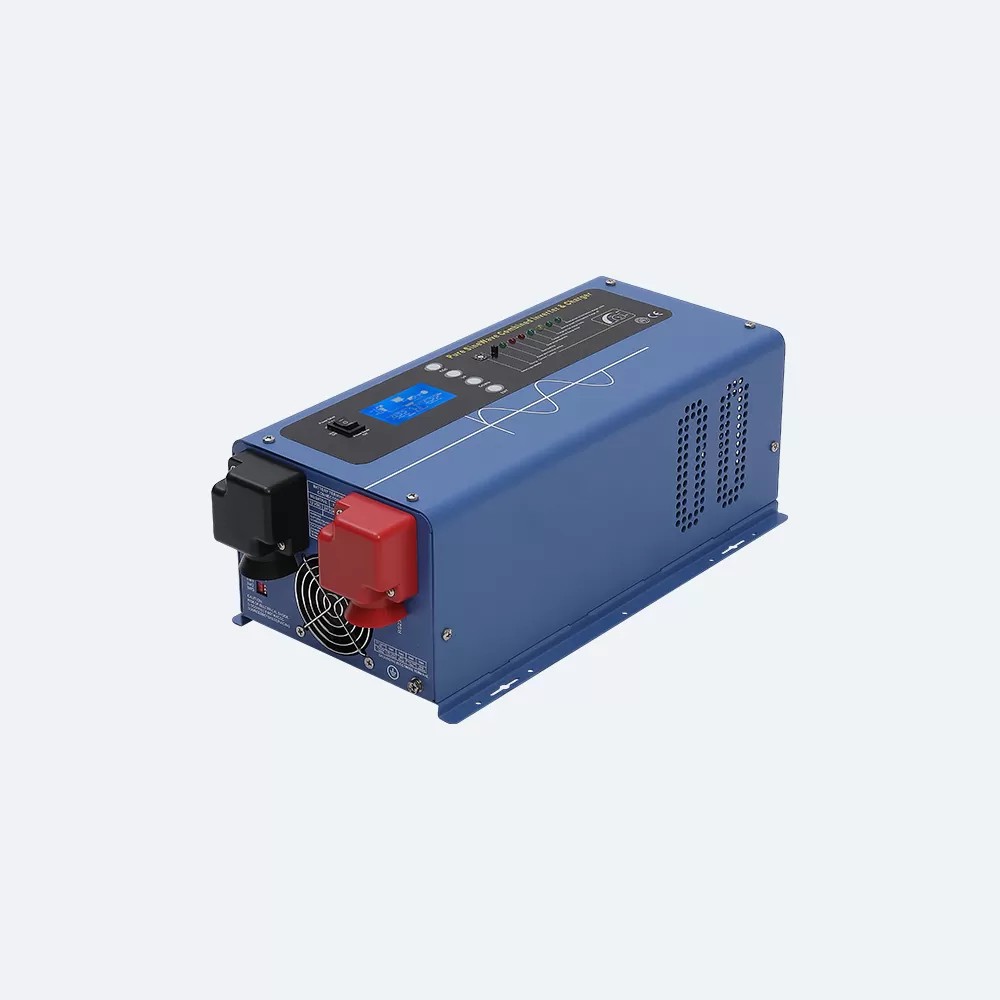
Check cable size. For a 3kW inverter at 12V, you need at least 4/0 AWG copper cable for runs under 5 feet.
Clean battery terminals every three months using a baking soda and water solution to neutralize acid corrosion.
Tighten all cable connections. Remember, a loose cable can cause voltage drop that your inverter may interpret as low battery, leading to shutdown.
4. Update Firmware and Settings
Many modern low-frequency inverters come with programmable settings and firmware that can be updated. Manufacturers often release updates to improve charging algorithms, add safety features, or fix bugs. A 2025 firmware update from a leading brand resolved a “brownout” issue that affected 12% of users in coastal areas due to fluctuating grid power.
Action Steps:
Check your inverter manufacturer’s website or app for firmware updates quarterly.If your inverter has a remote display, review settings like low battery cutoff voltage. For LiFePO4 batteries, set it to 11.0V to prevent cell damage.
Consider a remote monitoring system (e.g., Victron VRM or Renogy BT-2) to track performance and receive alerts.
5. Inspect Internal Components Annually
Even if your inverter runs reliably, internal dust accumulation can trap heat and create short circuits. I worked with a client whose inverter shut down during a heatwave—when we opened it, dust bunnies had formed inside, blocking airflow.
Action Steps:
Once a year, disconnect all power and open the inverter case (if safe and under warranty).Use a vacuum with a brush attachment to remove dust from the transformer and circuit boards. Never use water or solvent cleaners.
Inspect capacitors for bulging or leaking fluid. Swollen capacitors should be replaced immediately.
Check for burned smell or discolored components, which indicate overheating.
6. Plan for Heavy Loads and Surges
Low-frequency inverters excel at handling surge loads, but repeated oversurges can stress internal components. A 2025 test by an independent lab showed that applying a 200% surge for more than 5 seconds reduced inverter lifespan by 20%.
Action Steps:
If you run high-startup devices like deep well pumps, stagger their startup times.
Install a soft starter for air conditioners or compressors. This reduces surge current by up to 60%.
My Take on Modern Maintenance Trends
In 2026, more inverters are coming with built-in diagnostics that alert you to issues via smartphone apps. But don’t fall into the trap of relying solely on technology. A 2024 consumer report found that 35% of app alerts went unnoticed for over 48 hours. Manual checks are still your best defense. I also advise labeling all connections and filing your maintenance log. When an issue arises—and it will—you’ll save hours of troubleshooting.
The Bottom Line
A low-frequency pure sine wave inverter is a long-term investment. With proper care, it can power your home, RV, or off-grid system for two decades. The data is clear: simple annual maintenance can reduce failure rates by 70%. Start with cooling and connections, then add battery and firmware checks. By following these steps, you won’t just maintain your inverter—you’ll maximize its performance and value.