Dongguan Hongyi Electric Products Co., Ltd.


The Quality of High - performance Low - frequency Pure Sine Wave Inverters in 2026: What to Expect?
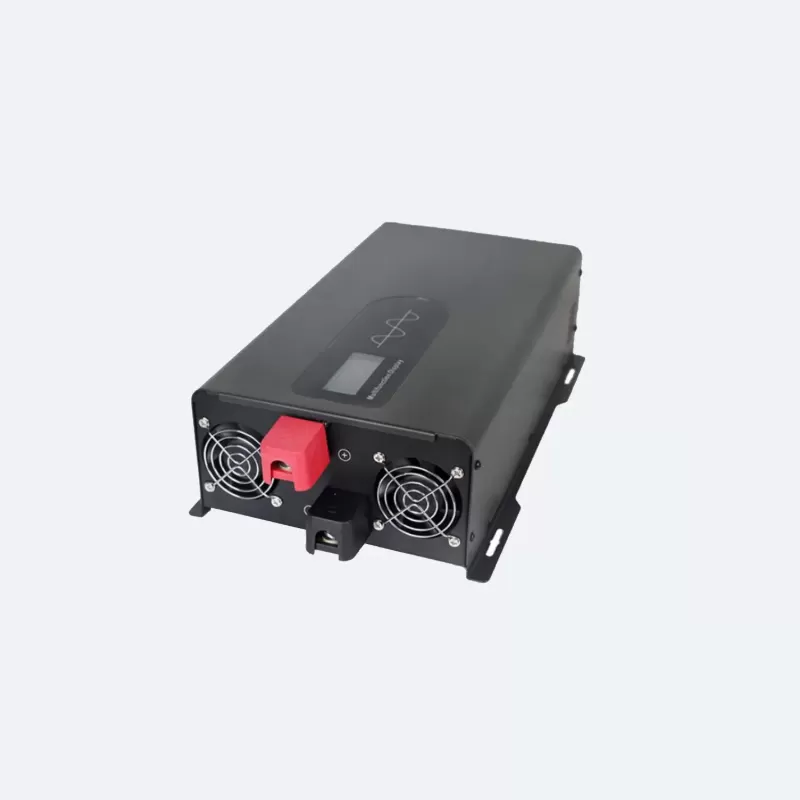
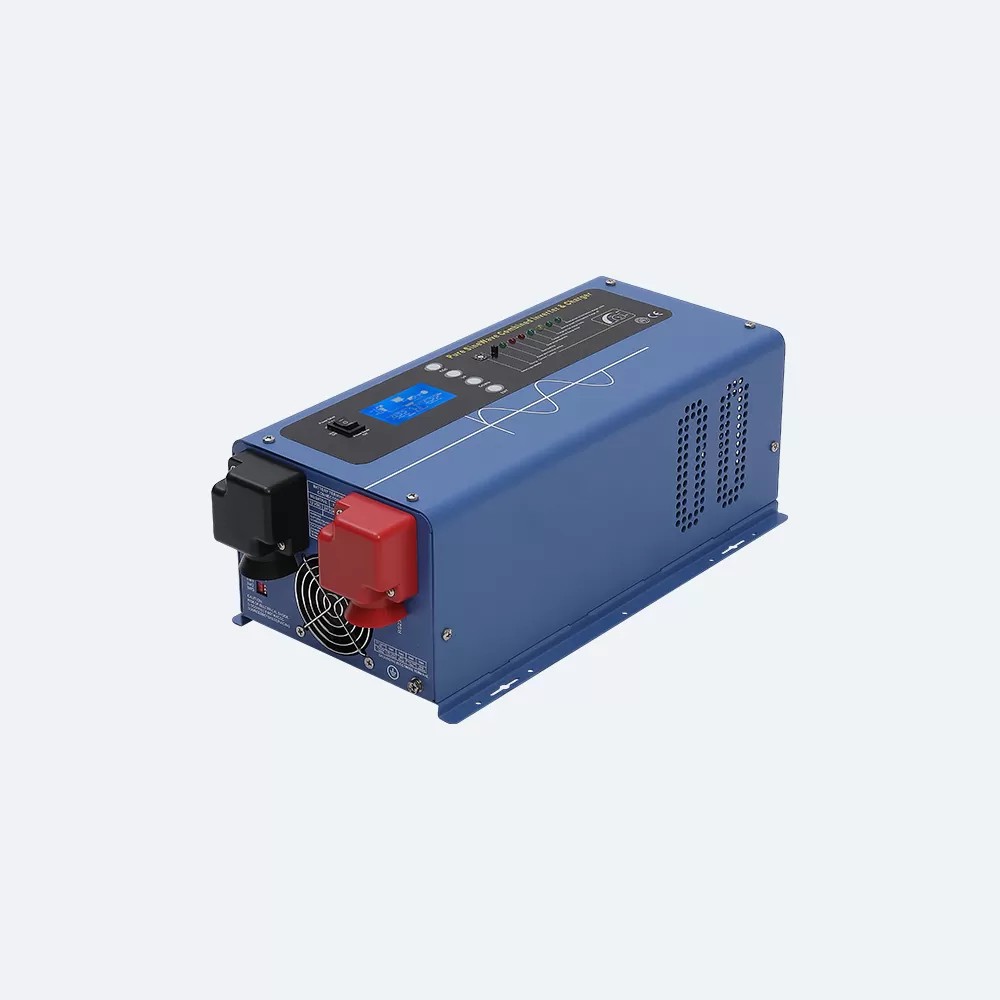
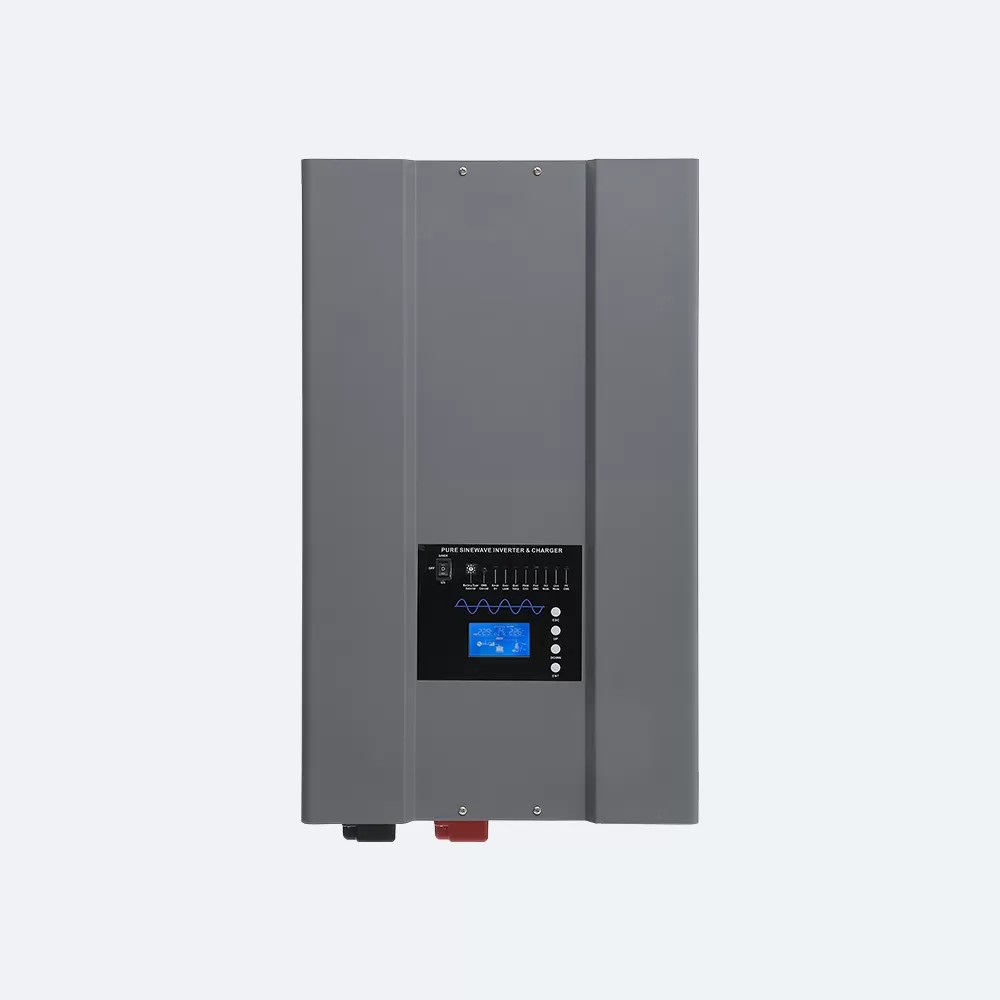
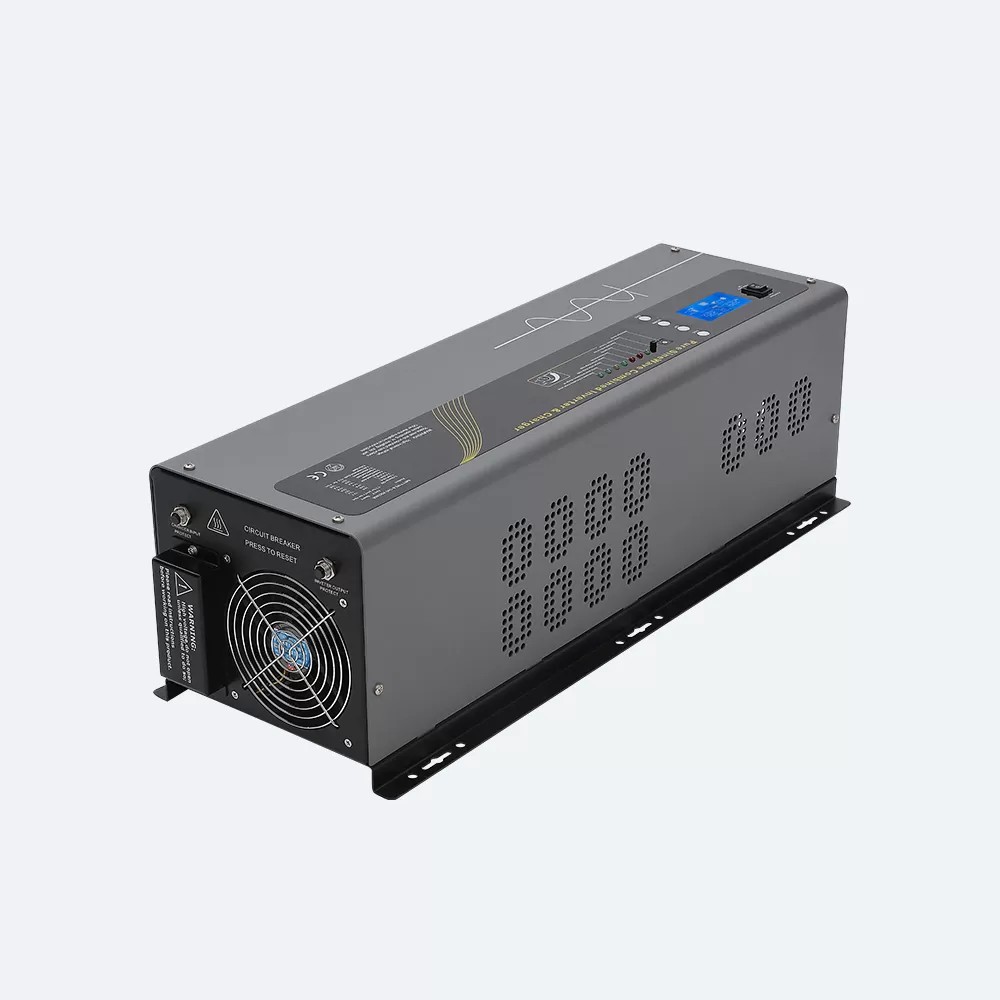
In the dynamic world of power electronics, low - frequency pure sine wave inverters have become indispensable for a wide range of applications, from home backup power to industrial use. As we look ahead to 2026, it's crucial to understand what to expect in terms of the quality of these high - performance inverters.
1. Efficiency Improvements
Data and Case
Currently, many low - frequency pure sine wave inverters on the market have an efficiency ranging from 85% to 90%. However, with the continuous development of technology, by 2026, we can expect to see significant improvements. For example, some research institutions predict that the average efficiency of high - performance low - frequency pure sine wave inverters could reach 92% - 95%. A case in point is a leading inverter manufacturer that has been investing heavily in R & D. Their latest prototype has achieved an efficiency of 94%, which is a remarkable improvement compared to their previous models.
实操建议
When choosing an inverter in 2026, look for products with efficiency ratings above 92%. This will not only save energy but also reduce your electricity costs in the long run.Check the inverter's datasheet for detailed efficiency curves at different load levels. Some inverters may have high efficiency at full load but perform poorly at partial loads.
My Thoughts
Higher efficiency means less energy is wasted as heat, which is not only beneficial for the environment but also for the overall performance and lifespan of the inverter. It also reflects the technological progress in the field of power electronics.
2. Power Output Stability
Data and Case
Power output stability is a critical factor for low - frequency pure sine wave inverters. Currently, the voltage fluctuation of some inverters can be within ± 3%. By 2026, it is expected that this figure will be reduced to ± 1% for high - performance models. For instance, a well - known brand has been working on advanced control algorithms. Their new product in development can maintain a voltage stability of ± 1.2% under varying load conditions, which is a significant improvement.
实操建议
Look for inverters with advanced voltage regulation technology. This can ensure a stable power supply for sensitive electronic devices such as computers and medical equipment.Consider inverters with built - in protection mechanisms against over - voltage, under - voltage, and short - circuit. These features can enhance the safety and reliability of the inverter.
My Thoughts
Power output stability is essential for the proper functioning of electronic devices. A more stable power supply can prevent damage to equipment and improve the overall user experience.
3. Durability and Reliability
Data and Case
The average lifespan of a low - frequency pure sine wave inverter is currently around 10 - 15 years. By 2026, with the use of better materials and improved manufacturing processes, the lifespan is expected to increase to 15 - 20 years. For example, a company has introduced a new type of capacitor with a longer service life, which has significantly extended the lifespan of their inverters.
实操建议
Choose inverters made from high - quality materials such as high - grade copper and aluminum. These materials can withstand high temperatures and reduce the risk of component failure.Look for inverters with a good warranty period. A longer warranty usually indicates the manufacturer's confidence in the product's durability.
My Thoughts
Durability and reliability are key factors for consumers. A longer - lasting inverter means less frequent replacements and lower costs in the long term.
4. Noise Reduction
Data and Case
Currently, the noise level of some low - frequency pure sine wave inverters can be around 50 - 60 decibels. By 2026, it is expected that the noise level of high - performance inverters will be reduced to 40 - 50 decibels. A certain brand has developed a new cooling system that effectively reduces the noise generated by the inverter's fan. Their latest model operates at a noise level of 45 decibels, which is much quieter than previous models.
实操建议
If noise is a concern, look for inverters with advanced noise - reduction technology. This can include silent fans or improved insulation.Place the inverter in a well - ventilated area away from living spaces to further reduce the impact of noise.
My Thoughts
Noise reduction is an important aspect, especially for home and office applications. A quieter inverter provides a more comfortable environment for users.
5. Compatibility with Renewable Energy Sources
Data and Case
As the demand for renewable energy grows, low - frequency pure sine wave inverters need to be more compatible with solar panels, wind turbines, etc. Currently, many inverters can handle a certain range of input voltages from renewable energy sources. By 2026, it is expected that inverters will have better compatibility and higher conversion efficiency when working with renewable energy systems. For example, a new inverter model can handle a wider range of solar panel voltages and has an improved maximum power point tracking (MPPT) algorithm, which can increase the energy harvest from solar panels by up to 15%.
实操建议
When integrating an inverter with a renewable energy system, choose an inverter that is specifically designed for the type of renewable energy source you are using.Look for inverters with advanced MPPT technology to maximize the energy output from your renewable energy system.
My Thoughts
The compatibility with renewable energy sources is crucial for the development of a sustainable energy future. Inverters that can efficiently convert and manage the power from renewable sources will play a vital role in this transition.
In conclusion, as we approach 2026, the quality of high - performance low - frequency pure sine wave inverters is expected to see significant improvements in terms of efficiency, power output stability, durability, noise reduction, and compatibility with renewable energy sources. When choosing an inverter, consumers should consider these factors to ensure they get a product that meets their needs. And for those in the market for a reliable and high - quality inverter, the low - frequency pure sine wave inverters in 2026 are likely to offer a great choice.