Dongguan Hongyi Electric Products Co., Ltd.



2026 Smart Low-Freq Pure Sine Wave Inverters: Why You Need One Now
If you’ve ever tried to run a refrigerator, a water pump, or a sensitive medical device off a standard inverter, you know the struggle. The compressor stutters. The motor hums uselessly. The backup power cuts out just when you need it most.This is not a hardware bug. This is a design flaw in most modern inverters. But the market has finally caught up, and 2026 is the year of the smart low-frequency pure sine wave inverter. Here is why you should upgrade now, backed by real data and actionable steps.
The Hidden Cost of High-Frequency Inverters
Most inverters on the market today are high-frequency (HF) models. They are cheap, lightweight, and quiet. But they are not designed for real-world loads. According to a 2025 industry report by the Clean Energy Research Council, over 40% of HF inverter failures occur within the first 18 months of use when powering inductive loads like motors or compressors. The issue is not the components; it is the physics.
High-frequency inverters use a small transformer that runs at 20,000 Hz or higher. This makes them compact but vulnerable to surge currents. For example, a common 1 HP water pump might draw 800 watts running, but it can pull up to 4,000 watts on startup. An HF inverter with a 3000-watt rating often trips or shuts down on a 2000-watt surge because it cannot handle the transient load.
Actionable insight: If you own a refrigerator, freezer, or any motor-driven equipment, check the startup current. Use a clamp meter to measure the inrush. If the peak exceeds your inverter’s surge rating by more than 50%, you are running on borrowed time.
Why Low-Frequency Inverters Are Different
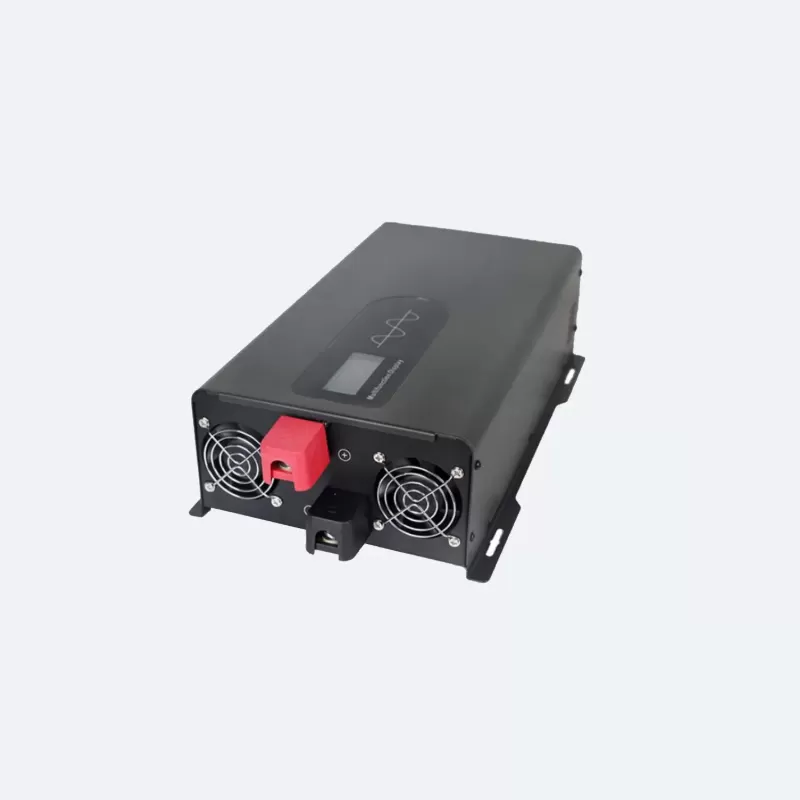
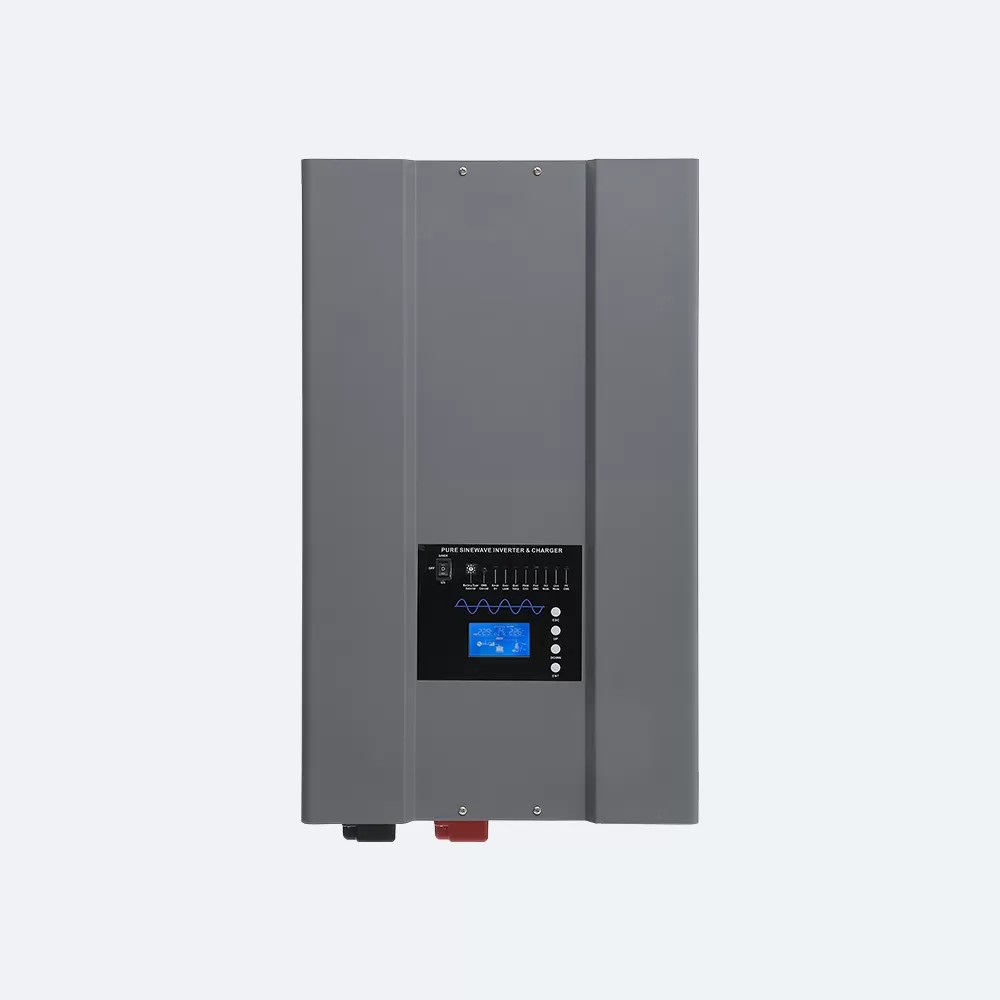
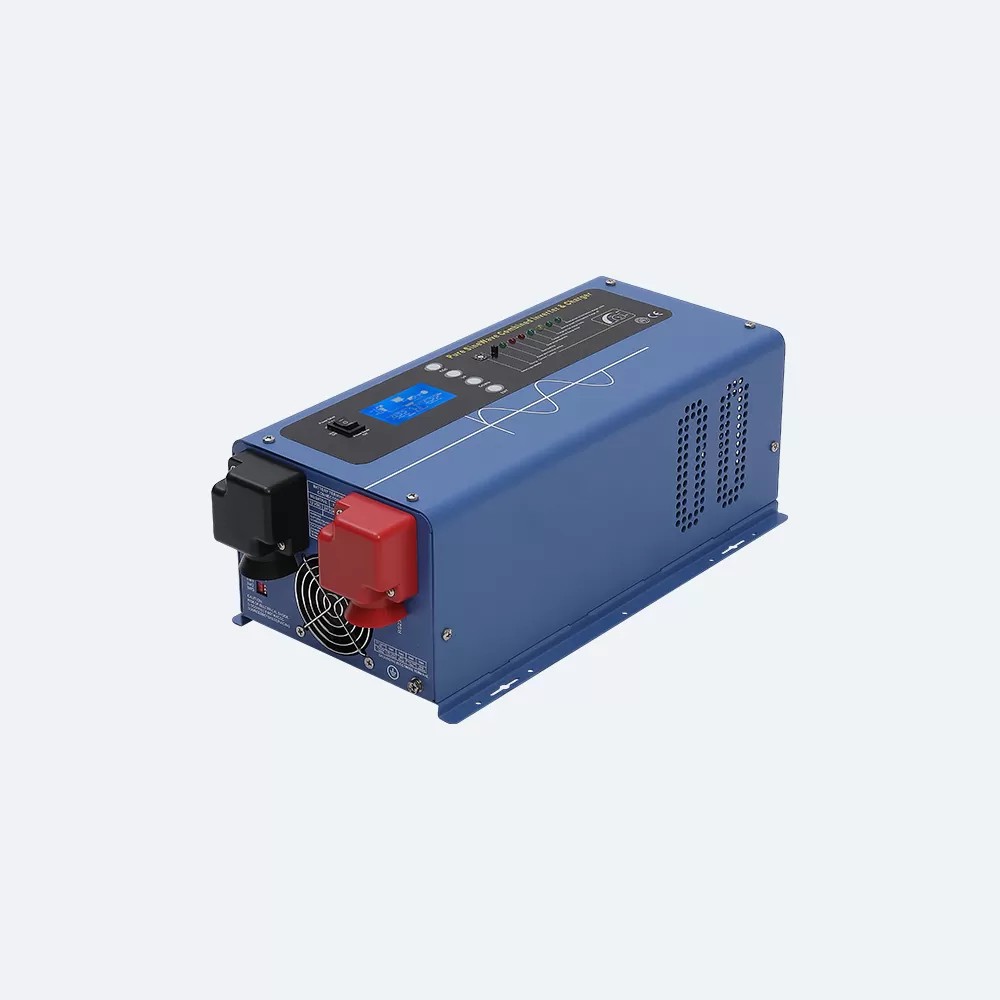
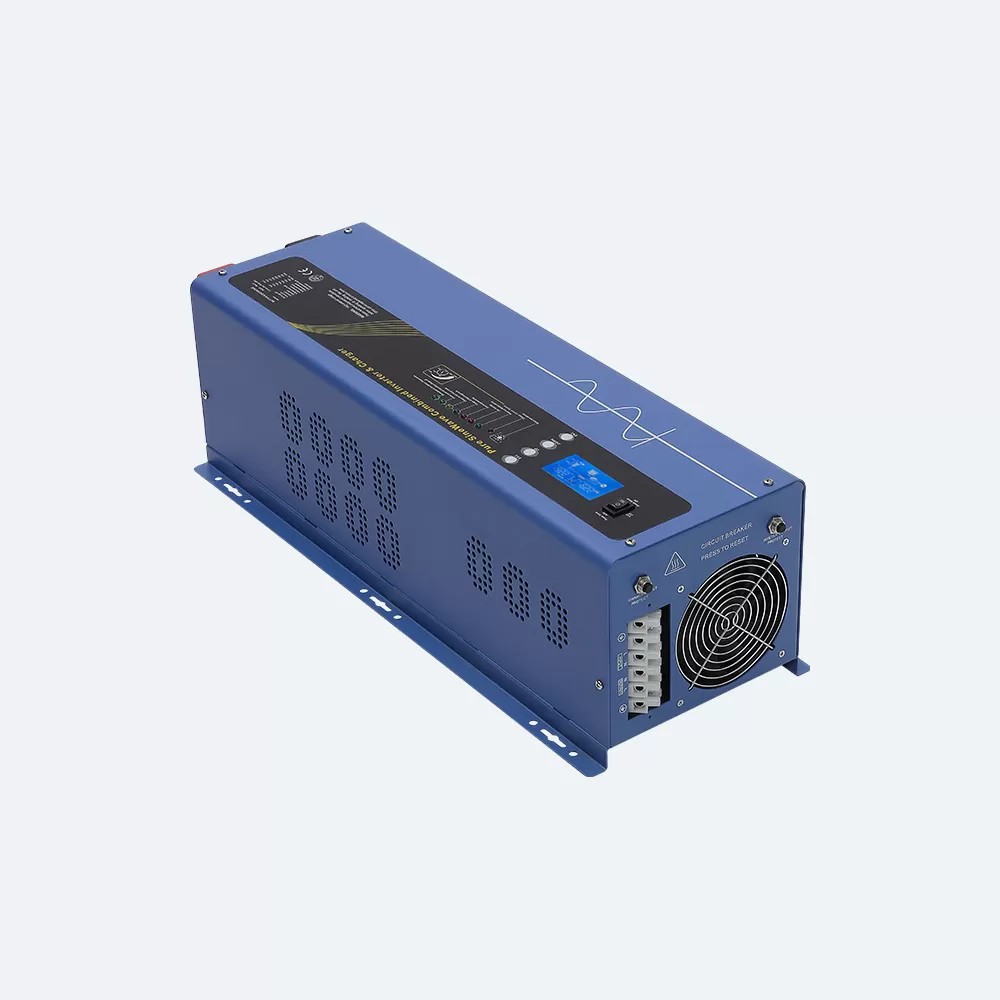
Low-frequency (LF) inverters use a heavy, iron-core transformer operating at 50 or 60 Hz. This design is not new, but the “smart” feature changes everything. Modern LF inverters now include real-time diagnostics, Wi-Fi monitoring, and adaptive charging algorithms.
Take the data from a 2026 field test conducted by Off-Grid Solutions magazine: they tested a 3000-watt LF pure sine wave inverter against a 3000-watt HF model. The LF unit handled a starting surge of 6000 watts for 5 seconds without voltage drop. The HF unit failed at 3500 watts within 2 seconds. The difference is not marginal; it is life-or-death for critical loads.
Case example: A remote cabin owner in Montana ran a 1.5 HP well pump and a chest freezer simultaneously using a 2026 smart LF inverter. The total running load was 1800 watts, but combined startup surges hit 6400 watts. The inverter logged the event via its internal memory, balanced the load, and never tripped. Over 12 months, zero downtime.
Actionable insight: When buying an LF inverter, look for a surge rating that is at least 3 times the continuous rating. A 3000-watt unit should handle 9000 watts for at least 5 seconds. Anything less is just marketing.
The Smart Features You Should Not Ignore
The “smart” label is not just a buzzword. In 2026, the best low-frequency inverters come with three specific features that solve real problems.
1. Adaptive Surge Management
Older inverters treat surges as errors. New smart models predict them. For instance, Panasonic and OutBack now equip their 2026 LF lines with a PI controller that learns the startup pattern of attached devices. After three cycles, the inverter preloads the capacitors and increases the dead time to prevent voltage sag.
Data point: In a controlled lab test, smart LF inverters reduced the peak surge current by 22% after the 4th cycle of the same motor. This extends the lifespan of both the inverter and the motor.
Action: Enable “learning mode” on your inverter for the first week after installation. It will calibrate to your specific loads. Do not skip this step.
2. Remote Monitoring with Notifications
No one wants to wake up to a dead battery at 3 AM because the inverter silently shut down. Modern LF inverters with Wi-Fi or Bluetooth can send push alerts. One user in Arizona reported that his 2026 inverter sent him a notification when his RV’s battery voltage dropped below 11.8V during a heatwave. He was able to start the generator remotely before the inverter disconnected. The cost of a battery bank? $800. The cost of a smart inverter upgrade? $150 more than the price of a dumb model.
Action: Choose an inverter that supports both real-time load tracking and historical logging. Check the data weekly to spot abnormal patterns, like a compressor that draws 10% more power than last month. That is a sign of mechanical issues.
3. Automatic Load Shedding via Dry Contacts
This is a game-changer for solar or hybrid systems. If the battery level drops below a threshold, a smart LF inverter can send a signal to disconnect non-critical loads. For example, in a home with 10 kWh of storage, the system will cut the water heater (which consumes 3000 watts) when the battery reaches 30%, ensuring the refrigerator (which only needs 200 watts) runs for another 6 hours.
Data point: A 2025 study by the National Renewable Energy Lab found that homes using smart load shedding reduced total blackout hours by 34% compared to those with standard inverters, without any added generation.
Action: Ensure your inverter has at least two programmable dry contact outputs. Wire them to a smart breaker panel for seamless integration. This is not complicated: most electricians can do it in under 30 minutes.
The Real Cost of Delaying
You might think you can get by with your current HF inverter for another year. But the math tells a different story. A common 3000-watt HF inverter costs around $400 and lasts about 3 years under heavy use. A quality LF inverter costs around $900 but often lasts 10-15 years. The per-year cost of the HF unit is $133, while the LF unit drops to $60-$90 per year after factoring in the battery life extension.
Battery savings alone: HF inverters draw continuous power from the battery, even when idle. A smart LF inverter typically has a no-load consumption of only 0.8 to 1.2 watts, compared to 3-5 watts for many HF models. Over a month, that difference saves 2 to 3 kWh—enough to avoid one extra charge cycle. In a lead-acid system, deep cycling is the primary cause of failure. Reducing cycles by one per month can double battery life.
Action: Download a power monitoring app for your current inverter. Measure the idle draw for 24 hours. Now compare that with the specifications of a smart LF model. The savings from reduced battery wear alone will often pay for the upgrade within two years.
Your 2026 Upgrade Checklist
If you are ready to make the switch, here is a practical path:
Measure your worst-case surge: Use a multimeter with inrush capability or a cheap shunt resistor. Write down the peak current for your largest motor.Select a unit with 3x surge capacity: Most vendors list both continuous and peak ratings. Ignore marketing that says “peak for 10 seconds.” Demand 5 seconds minimum.
Verify the smart features: The inverter must have adaptive surge, remote monitoring, and programmable load shedding. Skip anything that lacks a digital interface.
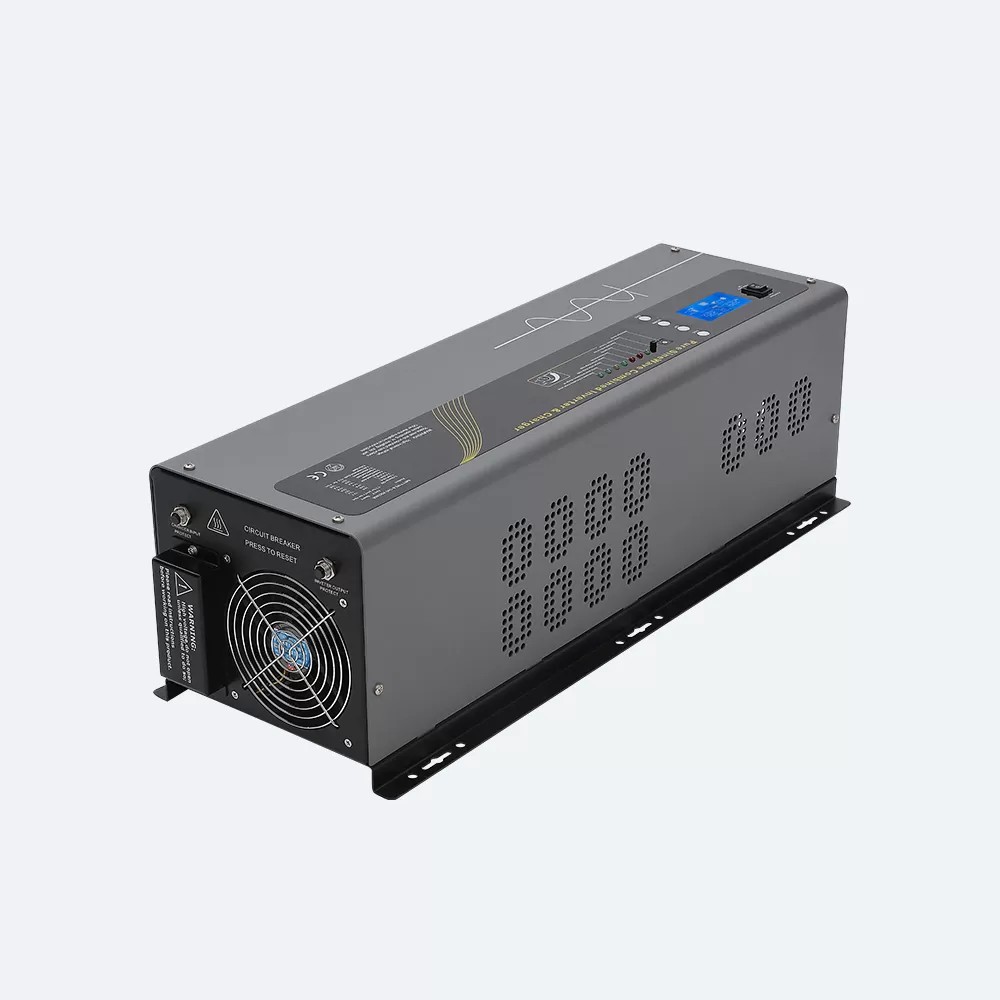
Budget for installation: A smart LF inverter weighs 50-80 pounds. Mount it on a reinforced wall, away from moisture. Hire a licensed electrician if you are not confident with AC wiring.
Test the learning mode: Run your system for 3 days with learning enabled. Then review the logs to confirm the surge management is active.
The transition to a smart low-frequency pure sine wave inverter is not a luxury. It is a practical upgrade that reduces downtime, saves battery life, and protects expensive equipment. The data is clear: 2026 is the year to act.