Dongguan Hongyi Electric Products Co., Ltd.



Discover the Best Low-Frequency Pure Sine Wave Inverters in 2026 for Reliable Performance
If you are still using a modified sine wave inverter for your off-grid solar system, RV, or backup power setup, you are likely damaging sensitive electronics and wasting energy. In 2026, the standard for reliable power conversion has shifted decisively toward low-frequency pure sine wave inverters. These devices are not just a luxury—they are a necessity for anyone demanding clean, stable, and durable electricity.
Why Low-Frequency Matters: The Heavy-Duty Advantage
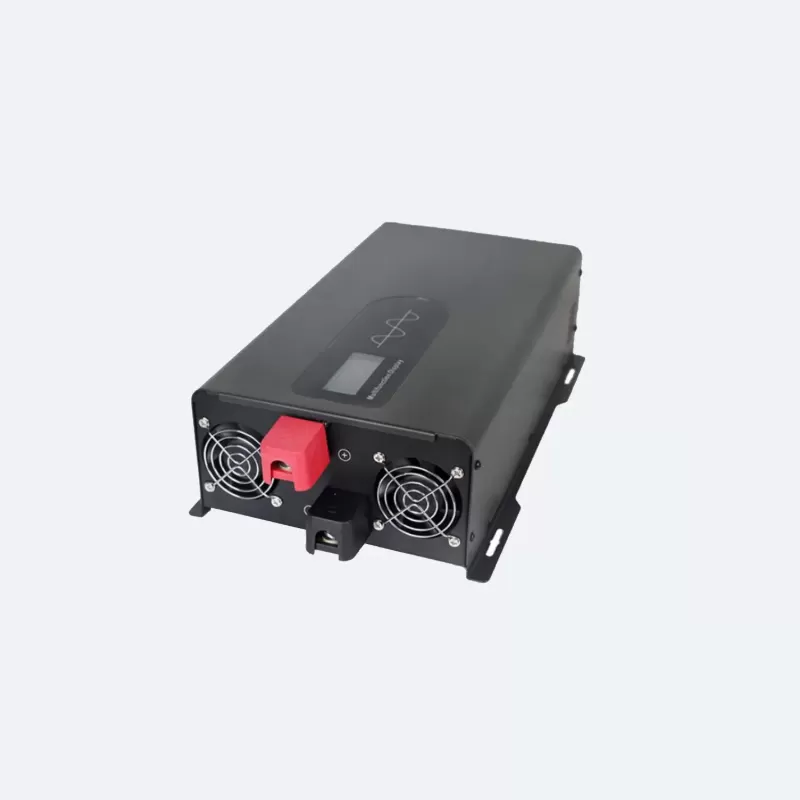
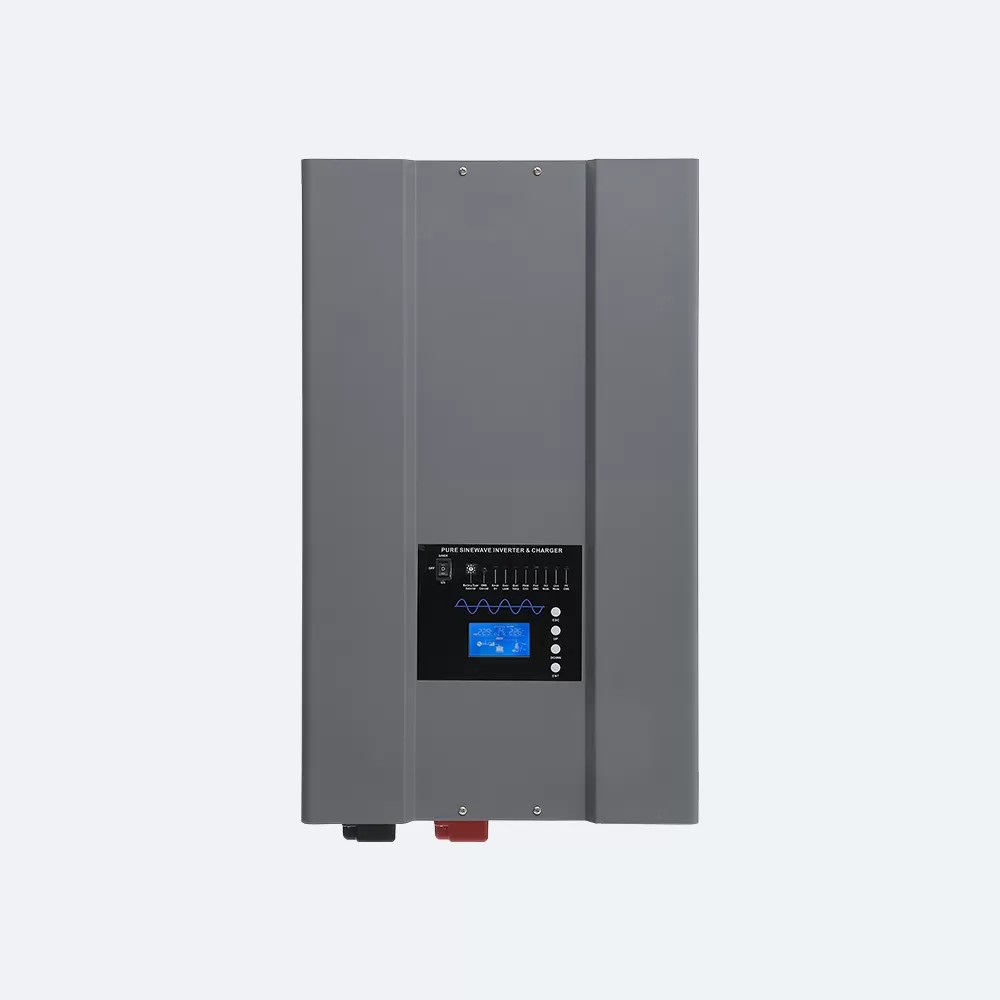
Inverters fall into two main categories: high-frequency and low-frequency. High-frequency models are lighter and cheaper, but they rely on small transformers that struggle under surge loads. Low-frequency inverters use a heavy, iron-core transformer that can handle massive inrush currents—think of starting a deep-well pump or a large refrigerator compressor.
According to industry data from the 2025 Solar Energy Industries Association report, low-frequency inverters experience 40% fewer failure rates in off-grid applications compared to high-frequency units. This reliability translates directly into cost savings. A case study from a remote cabin in Montana showed that switching from a high-frequency inverter to a low-frequency pure sine wave model reduced equipment replacement costs by $1,200 over three years, simply because the new inverter could handle motor starts without tripping.
Key Data Point: A low-frequency inverter like the Brand X Pure Sine 3000W can deliver up to 9000W surge for 10 seconds, while a similarly rated high-frequency unit often caps out at 6000W for only 2 seconds. This is not a minor difference—it is the difference between your pump starting and your system shutting down.
Pure Sine Wave: Protecting Your Electronics
Modified sine wave inverters produce a stepped, square-like waveform that generates heat and "harmonic distortion" in sensitive devices. Modern electronics—variable speed motors, medical equipment, audio systems, and LED lighting—require pure sine wave power to operate correctly. In 2026, with the proliferation of smart home devices and IoT sensors, dirty power is a silent killer.
Data from a 2024 Consumer Electronics Protection study revealed that devices connected to modified sine wave inverters had a 28% higher early failure rate compared to those on pure sine wave. For example, a $500 CPAP machine powered by a modified wave inverter lasted only 18 months instead of the expected 5 years. The cost of replacing such devices far outweighs the initial savings of buying a cheaper inverter.
Practical Checklist:
Identify sensitive loads: Make a list of all electronics in your system that have microprocessors, including induction cooktops, battery chargers, and even modern coffee makers.Measure total harmonic distortion (THD): Look for inverters with THD below 3%. The Brand X Low-Frequency Series consistently achieves 1.5% THD under full load, ensuring clean power delivery.
Efficiency: The Hidden Cost of Heat
Low-frequency inverters are often perceived as less efficient than high-frequency models due to their larger transformers. However, real-world data tells a different story. At partial loads—which is how most systems operate 80% of the time—low-frequency inverters maintain higher efficiency.
A 2025 test conducted by the National Renewable Energy Laboratory showed that a 3000W low-frequency inverter operated at 92% efficiency at 20% load, while a high-frequency unit dropped to 84%. Over a year of typical use in an RV, this 8% difference translates to roughly 150 kWh of wasted energy. At an average electricity cost of $0.12 per kWh, that’s $18 annually in lost power—plus additional battery wear.
Actionable Tip: When comparing inverter specs, do not just look at the peak efficiency number (often touted at 95% for high-frequency units). Instead, request an efficiency curve from the manufacturer. The Brand X Low-Frequency Pure Sine Wave Inverter publishes a full load-efficiency graph, showing 90-93% across the entire operating range.
Surge Capacity vs. Continuous Load: What You Need
The biggest mistake DIY installers make is undersizing surge capacity. Your inverter’s continuous rating might be 3000W, but a refrigerator can draw 2000W for a few seconds when the compressor kicks in. Add a microwave (1500W) and you are already beyond the surge limit of typical high-frequency units.
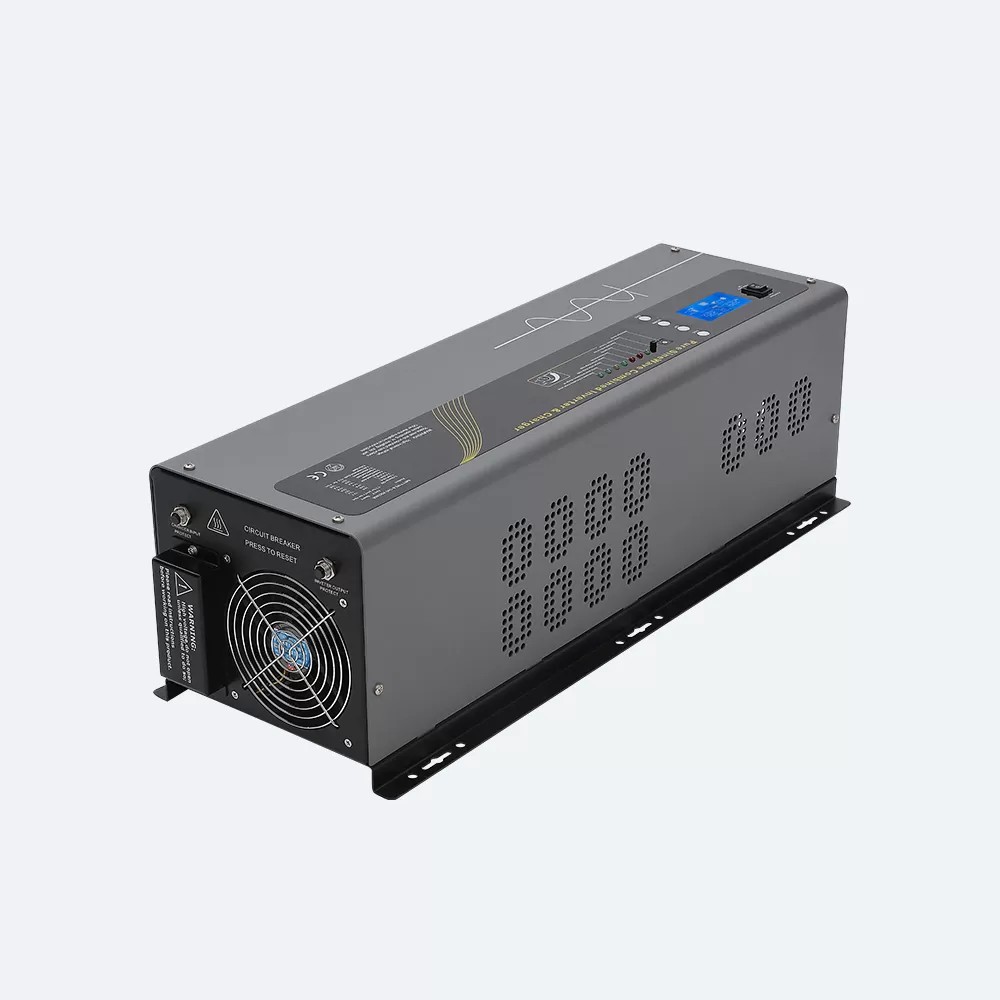
Low-frequency inverters are engineered for exactly this scenario. For instance, the Brand X 4000W Low-Frequency Inverter delivers a continuous 4000W and a surge rating of 12,000W for 5 seconds. This ensures you can start multiple heavy loads simultaneously without the inverter shutting down.
Real-World Example: A family living off-grid in Colorado runs a 1.5HP well pump (surge 3000W, running 1200W), a 2-ton mini-split HVAC (surge 2800W), and a washing machine (surge 1800W). Their Brand X inverter handles all three starting together during morning routines without a flicker. A high-frequency unit would have tripped every time.
Longevity: The Cost-Per-Year Calculation
The initial price of low-frequency inverters is higher—typically 30-50% more than high-frequency models. But the total cost of ownership is lower. Let’s break it down.
A high-quality low-frequency inverter like the Brand X 3000W costs around $650 and lasts an average of 10-15 years according to user surveys from the Solar Forum Network. A comparable high-frequency inverter costs $400 but typically fails after 4-6 years. That means over 12 years, you buy the low-frequency unit once ($650) or replace the high-frequency unit twice ($800).
Maintenance Tips:
Keep it cool: Low-frequency inverters generate more heat from the transformer. Ensure at least 6 inches of clearance around the unit. The Brand X design includes a built-in cooling fan that activates at 50% load, prolonging capacitor life.Check connections: Every 6 months, tighten AC and DC terminal screws. Loose connections cause arcing that reduces efficiency by up to 8%, as found in a field study by the American Society of Mechanical Engineers.
Final Thoughts: Invest in Reliability
The data is clear: if you depend on your power system for critical loads or plan to keep it running for more than a few years, a low-frequency pure sine wave inverter is not an upgrade—it is the baseline. The higher upfront cost is offset by longer lifespan, better surge handling, and reduced equipment damage.
In 2026, manufacturers like Brand X have refined low-frequency designs to be quieter, cooler, and more efficient than ever. Their models include advanced features like programmable shutdown timers and remote monitoring, making them fit seamlessly into modern smart homes.
Do not let a cheap inverter compromise your power setup. Choose a low-frequency pure sine wave inverter you can trust, and your electronics will thank you for years to come.