Dongguan Hongyi Electric Products Co., Ltd.



2026s Premier Service Provider: Crafting Pure Sine Wave Inverters with Precision
🎯 Market Positioning: The 2026 Premier Service Provider
In 2026, leading service providers in the pure sine wave inverter sector differentiate themselves through a blend of engineering precision, customization, and smart energy integration. They are no longer just hardware manufacturers; they are solution partners for off-grid solar, energy storage, RV, and industrial backup systems.
Key Differentiators:
Engineering Precision: Deliver low total harmonic distortion (THD), high conversion efficiency, and robust protection circuits.Customization: Offer OEM/ODM services, from power ratings and voltages to communication protocols and enclosures.
Compliance: Possess international certifications like CE, FCC, RoHS, and EMC, ensuring global market access.
Smart Features: Integrate with platforms like Tuya Smart for remote monitoring and energy management.
⚙️ Engineering & Manufacturing Excellence
Top-tier providers ensure product reliability and performance through meticulous design and manufacturing.
Advanced Control & Topology Utilize DSP/MCU control (e.g., TI DSP28335) and SVPWM algorithms for fast transient response and low THD (<3%). Isolation transformers are frequently used in higher-power units for safety and to handle motor/compressor surge loads.
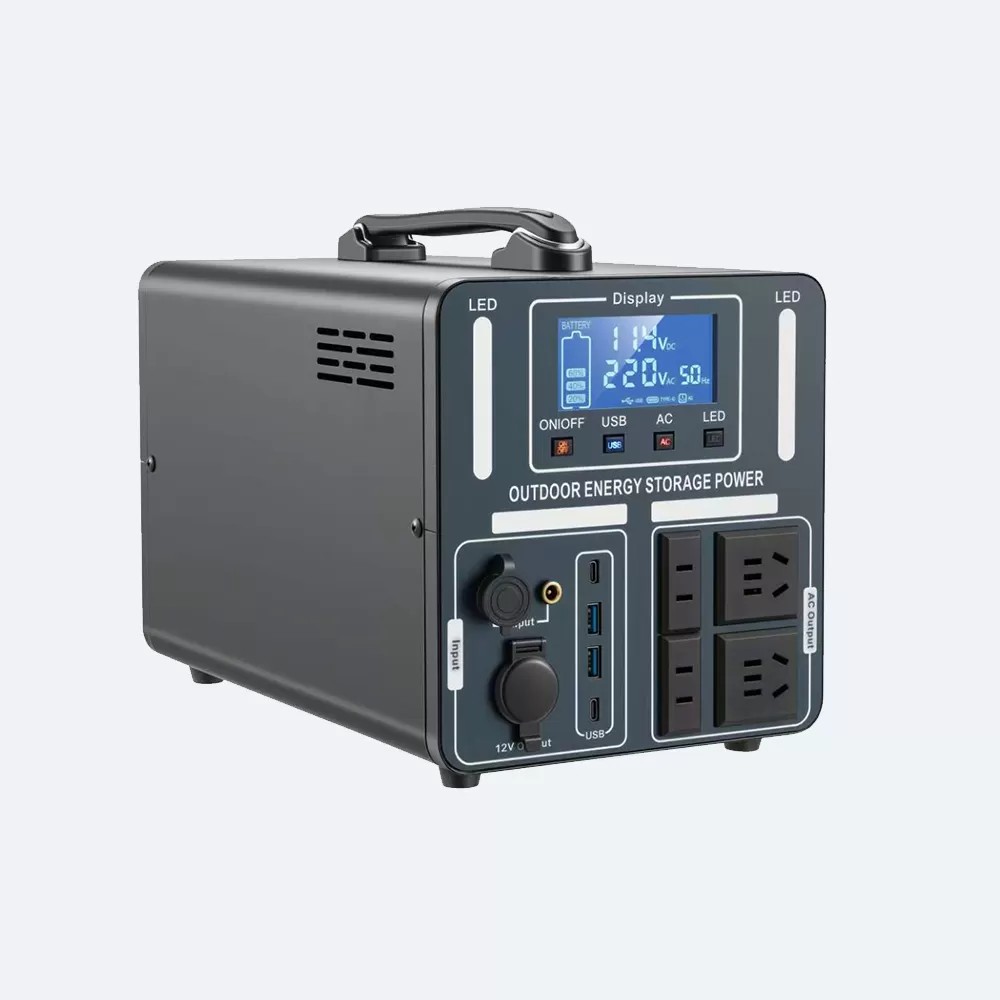
Rigorous Quality & Protection Adhere to ISO 9001 standards with strict in-house QC, including aging tests. Comprehensive protections are standard: input/output voltage, over-current, short-circuit, over-temperature, and reverse polarity.
High Efficiency & Performance State-of-the-art designs achieve peak efficiencies of 90–94% and THD as low as ≤3%. Providers offer a range of topologies:
High-Frequency (HF): Compact and lightweight, suitable for consumer and light commercial use.Low-Frequency (LF) with Transformer: Built for durability and high surge capacity, ideal for heavy-duty applications.
🛠️ Customization & OEM/ODM Services
Flexibility is a key service differentiator, allowing providers to adapt standard platforms to specific project needs.
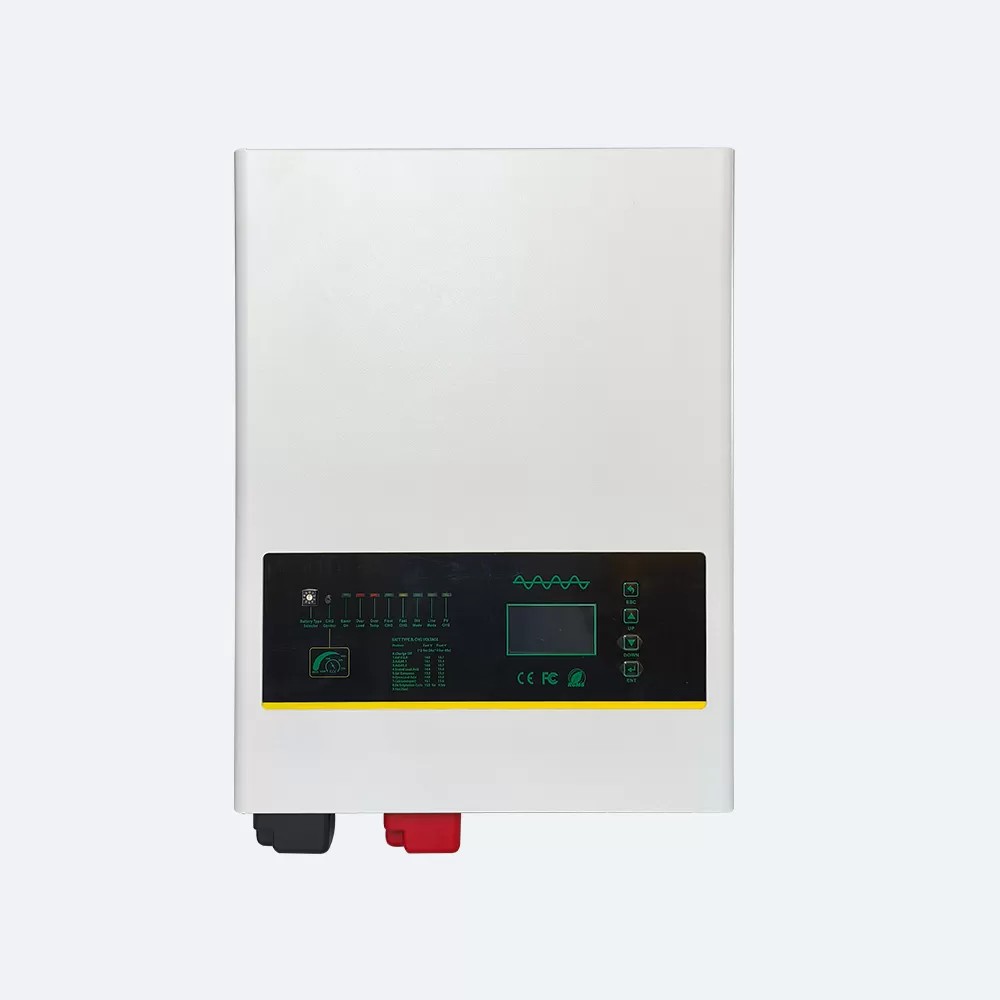
Functionality: Integrate features like UPS functionality, solar charge controllers, generator support, and generator start control.
Physical Design: Modify the enclosure size, color, display (LCD/LED), and branding (logo, silkscreen) to align with client requirements.
Compliance: Adapt products to meet regional standards (e.g., CE for EU, EMC/LVD, ETL for North America, PSE for Japan).
🌐 Smart Energy Integration
Providers increasingly offer solutions that extend beyond simple power conversion to comprehensive energy management.
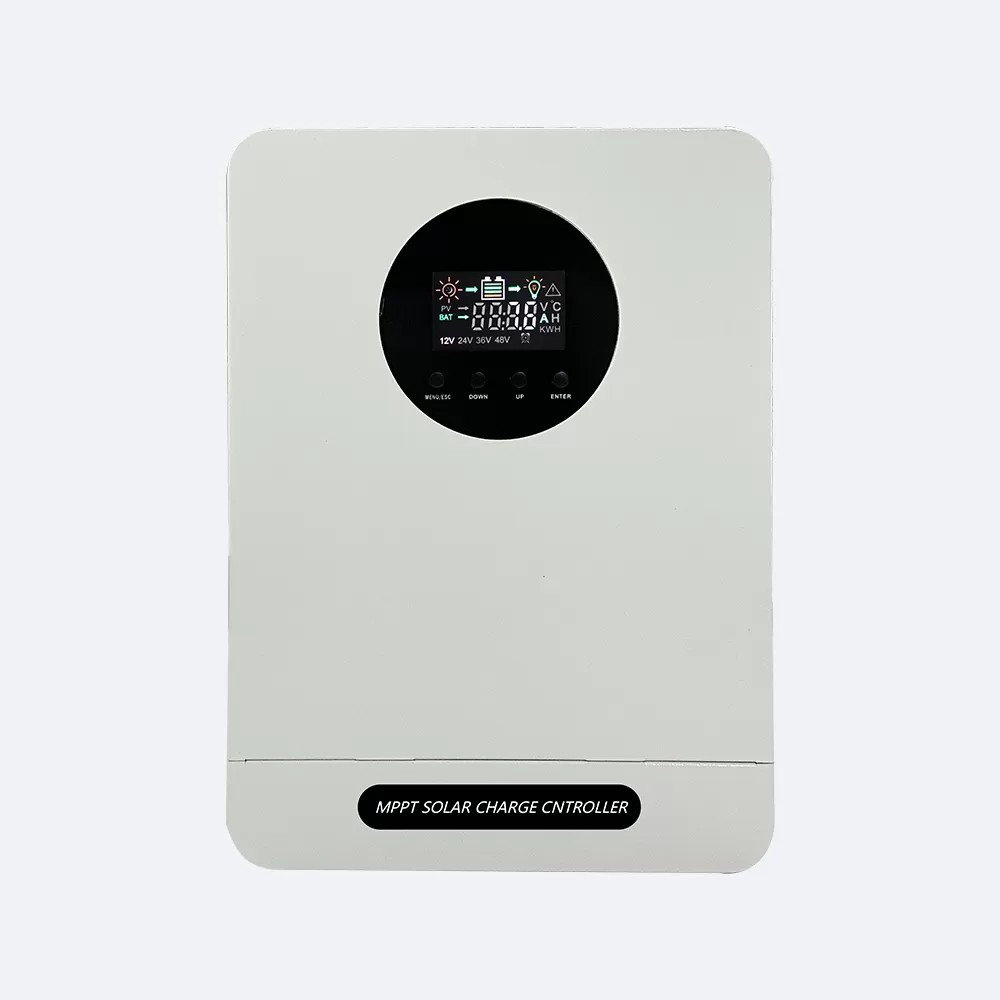
IoT & Remote Management: Many products are compatible with platforms like Tuya Smart, enabling users to monitor performance, track energy yield, and receive alerts via a smartphone app.System-Level Solutions: Offer turnkey solutions that combine inverters with solar MPPT controllers, lithium batteries, and monitoring systems, particularly for off-grid and hybrid solar applications.
🌍 Global Reach & Local Support
2026's leading providers combine global certification with strong regional service networks.
International Certifications: Products are certified to CE, FCC, RoHS, EMC, PSE, E-mark, ETL, ensuring compliance and easy market entry.Localized Service: They provide region-specific support, from adapting voltage/frequency to offering multi-language documentation and local technical assistance, crucial for building trust and ensuring project success.
💡 How to Select the Right Partner
When evaluating a service provider, consider the following criteria:
Technical Fit: Does their product range (power, voltage, topology) match your application (e.g., home, industrial, telecom)?Engineering & Customization: Can they provide detailed schematics, test reports, and support for custom designs (OEM/ODM)?
Quality & Certifications: Do they follow ISO 9001, perform rigorous testing (e.g., 100% burn-in), and hold all necessary certifications for your target markets?
Smart Features: Is remote monitoring (e.g., via Tuya) required for your project?
Supply Chain & Lead Times: Can they guarantee stable, on-time delivery for your volume requirements?
After-Sales Support: What are the warranty terms, failure rate, and regional service capabilities?