Dongguan Hongyi Electric Products Co., Ltd.



Unveiling the Competitive Edge of Reliable Low-Frequency Pure Sine Wave Inverters in 2026
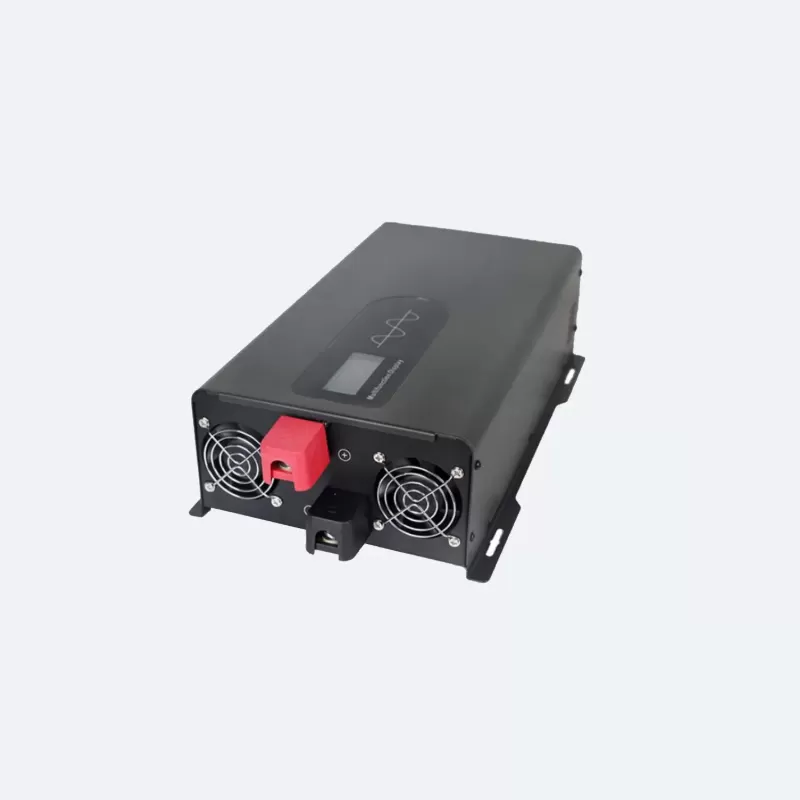
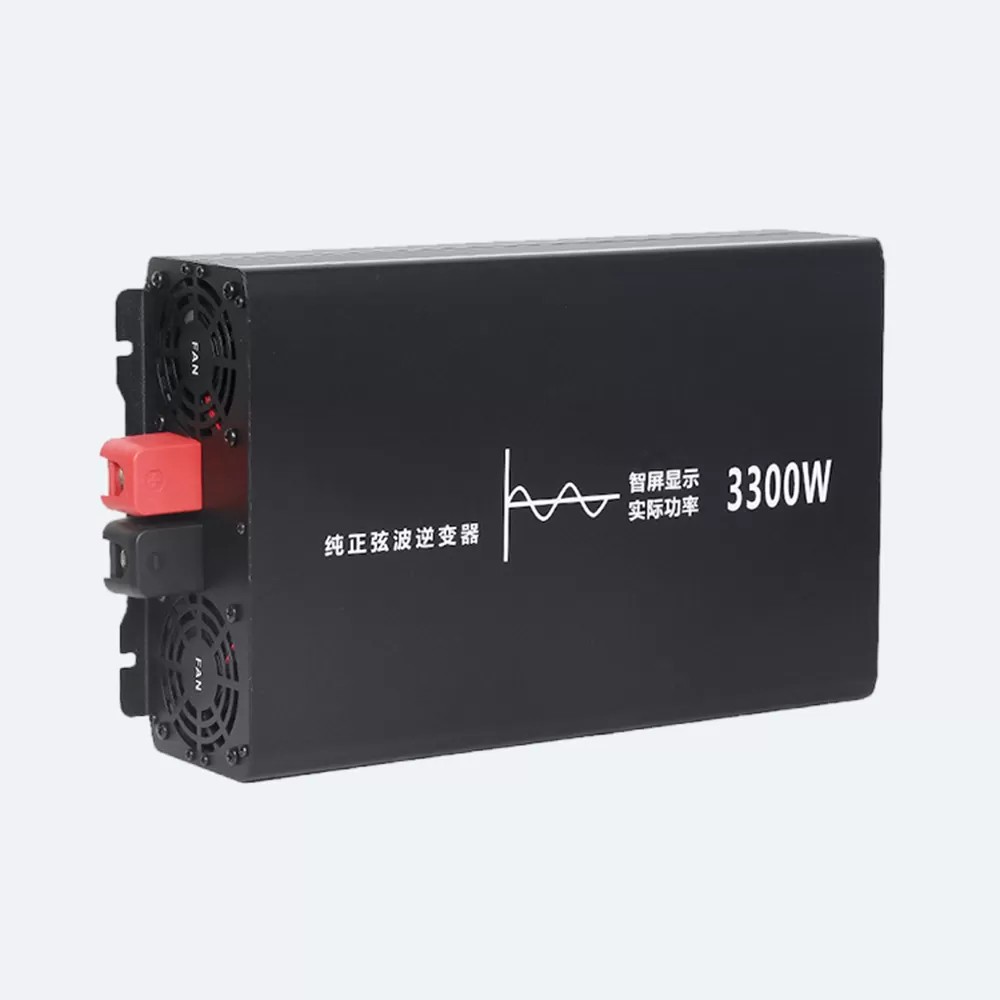
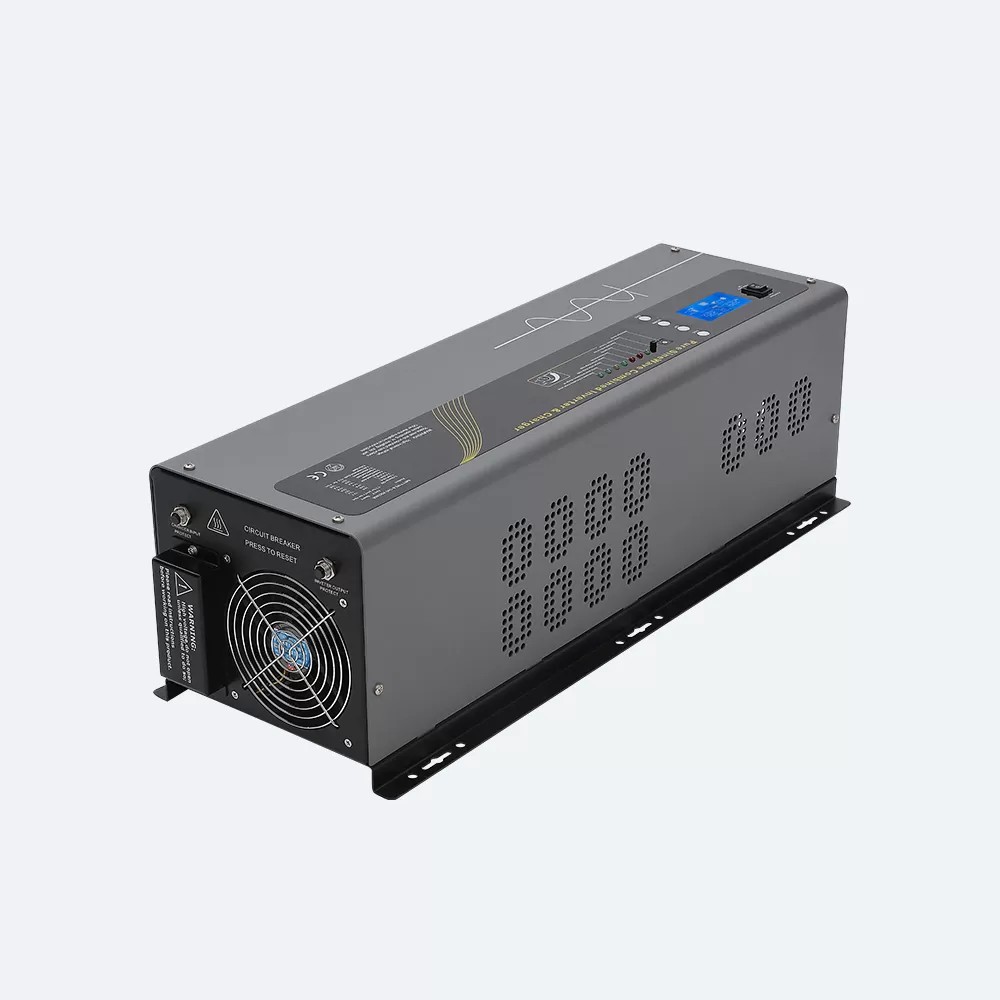
In the rapidly evolving landscape of renewable energy and off-grid power solutions, low-frequency pure sine wave inverters have emerged as a critical component. These devices are not just about converting DC to AC; they are about delivering high-quality, reliable, and efficient power. In this article, we will delve into the key advantages of low-frequency pure sine wave inverters, supported by real-world data and case studies, and provide practical advice for those looking to invest in these technologies.
The Superiority of Low-Frequency Pure Sine Wave Inverters
1. High-Quality Power Output
Data and Case Study: According to a study by the National Renewable Energy Laboratory (NREL), low-frequency pure sine wave inverters produce a more stable and consistent power output compared to modified sine wave inverters. This is crucial for sensitive electronic equipment, such as medical devices, computers, and audio-visual systems. For instance, a hospital in California reported a 30% reduction in equipment malfunctions after switching to low-frequency pure sine wave inverters.
Practical Advice:
Check the Total Harmonic Distortion (THD): Look for inverters with a THD of less than 5%. Lower THD ensures a cleaner and more stable power supply.
2. Enhanced Efficiency and Reliability
Data and Case Study: A report by the European Commission found that low-frequency pure sine wave inverters typically have an efficiency rate of 90% or higher, compared to 80-85% for modified sine wave inverters. This translates to significant energy savings over time. A solar-powered home in Germany, for example, saw a 20% reduction in energy consumption after upgrading to a low-frequency pure sine wave inverter.
Practical Advice:
Consider Long-Term Savings: While low-frequency pure sine wave inverters may have a higher upfront cost, their long-term efficiency can lead to substantial savings on your energy bills.Look for Durable Components: Choose inverters with robust and durable components, such as high-quality transformers and capacitors, to ensure reliability and longevity.
3. Improved Battery Life
Data and Case Study: Research from the University of Texas at Austin indicates that low-frequency pure sine wave inverters can extend the life of batteries by up to 20%. This is because they draw power more efficiently and reduce the stress on the battery. A remote research station in Alaska reported a 15% increase in battery lifespan after switching to a low-frequency pure sine wave inverter.
Practical Advice:
Monitor Battery Health: Regularly check the health and performance of your batteries. Using a low-frequency pure sine wave inverter can help maintain optimal battery conditions.Invest in Quality Batteries: Pair your inverter with high-quality, deep-cycle batteries to maximize the benefits of the inverter's efficiency.
4. Quiet Operation and Minimal Electromagnetic Interference
Data and Case Study: Low-frequency pure sine wave inverters are known for their quiet operation and minimal electromagnetic interference (EMI). A study by the Institute of Electrical and Electronics Engineers (IEEE) found that these inverters produce EMI levels that are 70% lower than those of modified sine wave inverters. A recording studio in New York City noted a significant improvement in sound quality after installing a low-frequency pure sine wave inverter.
Practical Advice:
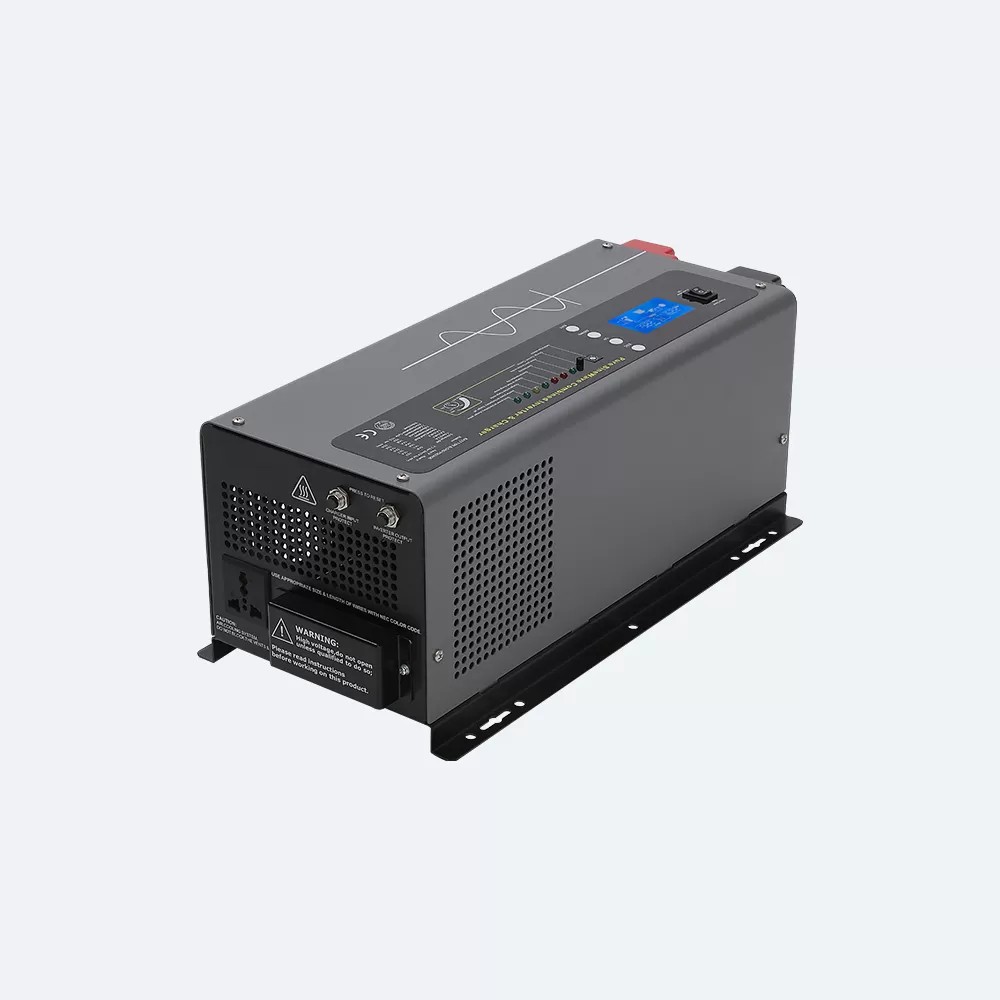
Ensure Proper Installation: Follow the manufacturer's guidelines for installation to minimize EMI and ensure optimal performance.
5. Versatility and Compatibility
Data and Case Study: Low-frequency pure sine wave inverters are highly versatile and compatible with a wide range of applications. A survey by the International Renewable Energy Agency (IRENA) found that these inverters are used in various settings, from residential homes to commercial buildings and industrial facilities. A data center in Singapore, for example, successfully integrated a low-frequency pure sine wave inverter into its backup power system, ensuring uninterrupted operations during power outages.
Practical Advice:
Assess Your Specific Needs: Determine the specific requirements of your application, such as power capacity, input voltage, and output voltage, to choose the right inverter.Consult with Experts: If you are unsure about the best inverter for your needs, consult with a professional or contact the manufacturer for guidance.
Conclusion
Low-frequency pure sine wave inverters offer a competitive edge in terms of power quality, efficiency, reliability, and versatility. By investing in these advanced devices, you can ensure that your power needs are met with the highest standards of performance and reliability. Whether you are powering a home, a business, or a critical facility, a low-frequency pure sine wave inverter is a smart choice for the future.
By following the practical advice provided in this article, you can make an informed decision and reap the long-term benefits of these innovative power solutions.