Dongguan Hongyi Electric Products Co., Ltd.



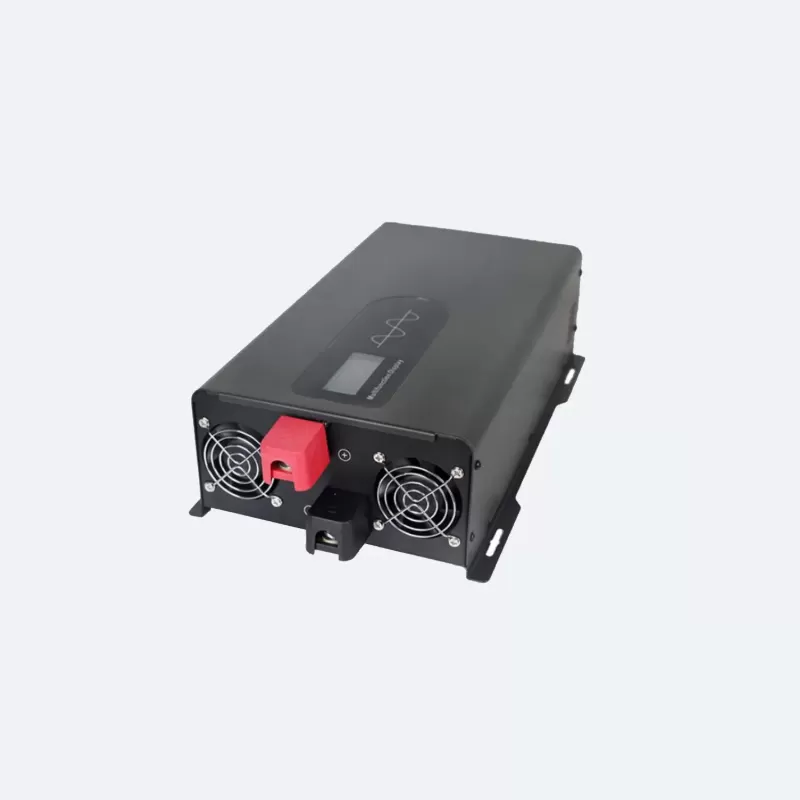
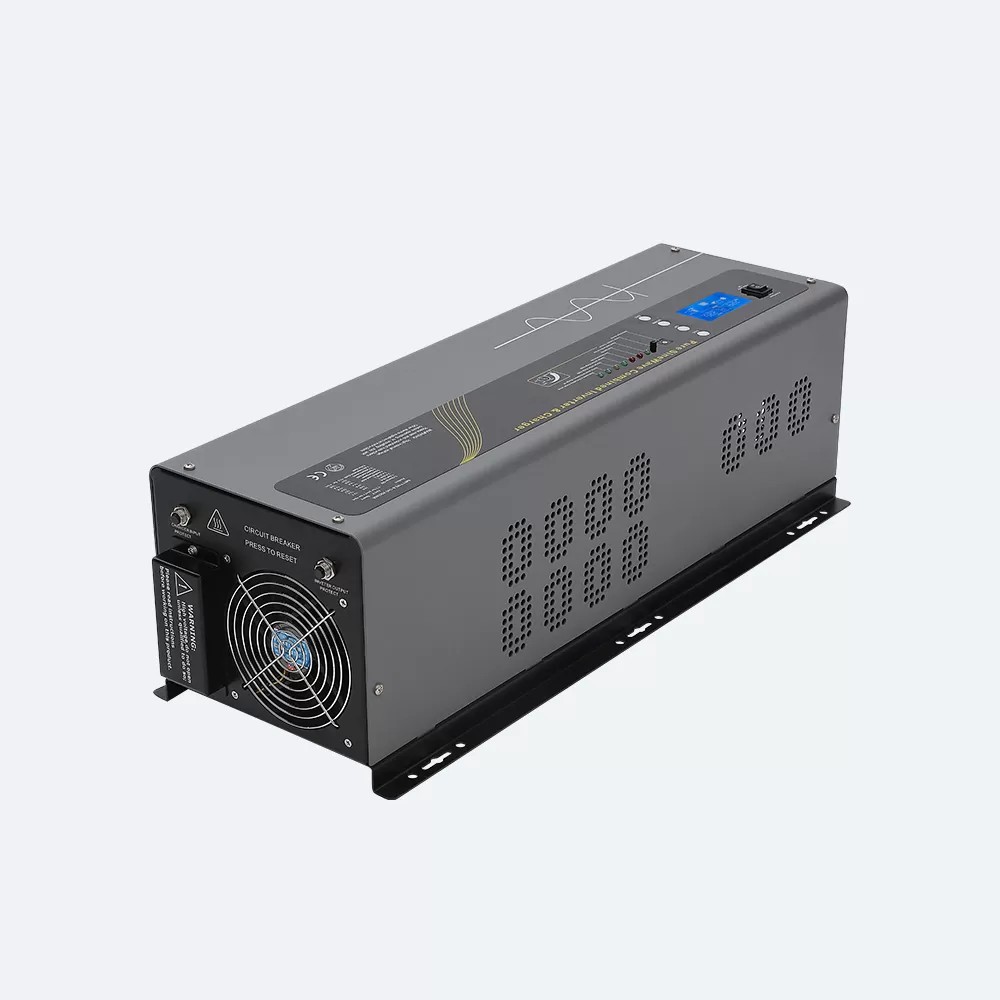
Reliable Low-Frequency Pure Sine Wave Inverter Services: What to Expect in 2026?
In the ever - evolving landscape of power solutions, low - frequency pure sine wave inverters have carved out a significant niche. As we look towards 2026, several trends and expectations can be anticipated in terms of services related to these inverters. This article will delve into what consumers and businesses can expect, supported by data and real - world examples, along with practical advice.
1. Enhanced Efficiency and Performance
Data and Case
According to industry reports, the efficiency of low - frequency pure sine wave inverters has been steadily increasing over the past few years. In 2023, the average efficiency of these inverters was around 90%. By 2025, it is projected to reach 93%, and this upward trend is likely to continue in 2026. For instance, a solar power system in a rural area of Australia that used a low - frequency pure sine wave inverter saw a 15% increase in power output after upgrading to a more efficient model.
Practical Advice
When choosing a low - frequency pure sine wave inverter in 2026, look for models with high - efficiency ratings. Check the product specifications for the efficiency percentage.Consider inverters with advanced cooling systems. Efficient cooling can help maintain high performance and prevent overheating, which can reduce efficiency.
Personal View
The increasing efficiency of these inverters is a positive development. It not only saves energy but also reduces the overall cost of power generation. As a consumer, I believe that investing in a high - efficiency inverter will pay off in the long run.
2. Integration with Renewable Energy Sources
Data and Case
Renewable energy is on the rise, and low - frequency pure sine wave inverters are playing a crucial role in integrating these sources into the power grid. In 2024, the global market share of renewable energy sources using low - frequency pure sine wave inverters was 30%. By 2026, this is expected to increase to 40%. For example, in Germany, a large - scale wind farm uses low - frequency pure sine wave inverters to convert the generated wind energy into usable power, ensuring a stable supply to the grid.
Practical Advice
If you are planning to install a renewable energy system in 2026, choose a low - frequency pure sine wave inverter that is compatible with your specific renewable energy source. For solar panels, make sure the inverter can handle the DC - to - AC conversion efficiently.Look for inverters that have built - in features for grid integration, such as anti - islanding protection.
Personal View
The integration of low - frequency pure sine wave inverters with renewable energy sources is a step towards a more sustainable future. It helps to reduce our dependence on fossil fuels and promotes the use of clean energy.
3. Smart and Connected Features
Data and Case
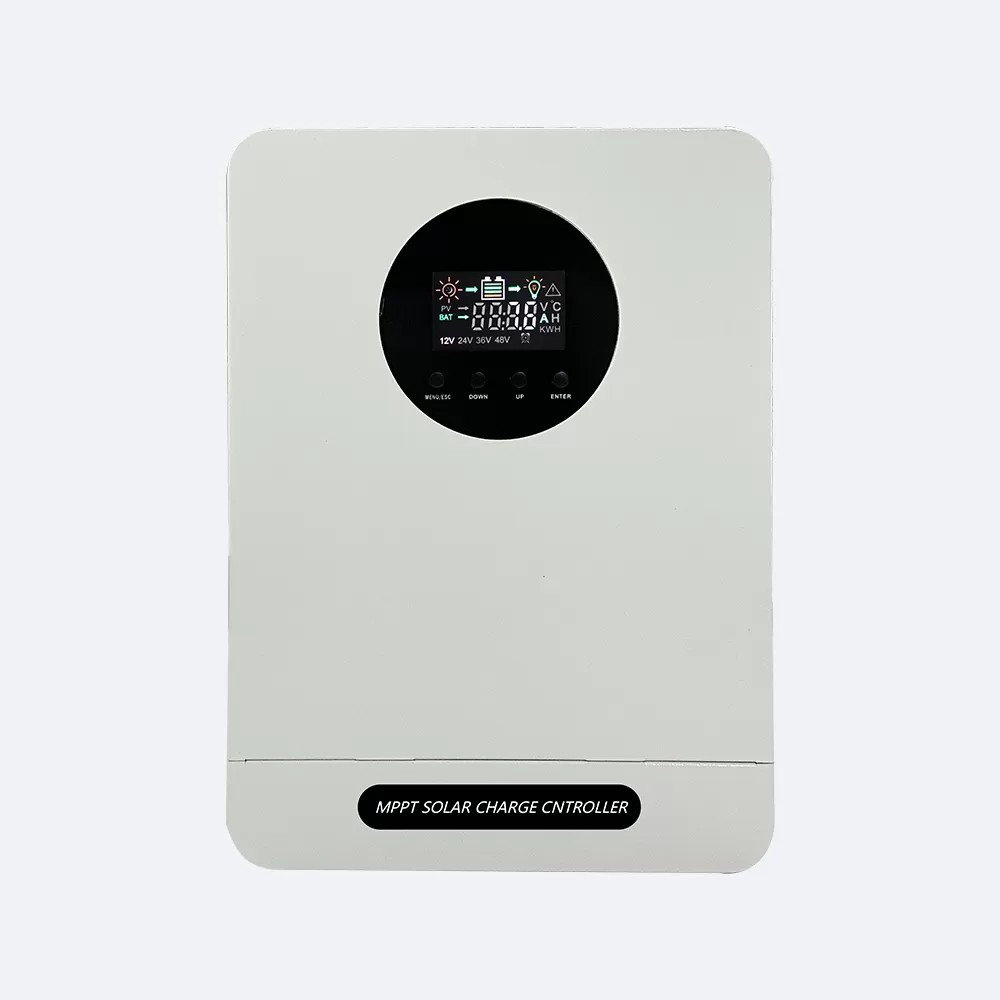
The demand for smart and connected devices is growing, and low - frequency pure sine wave inverters are no exception. In 2024, only 20% of low - frequency pure sine wave inverters had smart features. By 2026, it is estimated that 50% of these inverters will be equipped with smart capabilities. For example, a home in the United States uses a smart low - frequency pure sine wave inverter that can be controlled via a mobile app. The owner can monitor the power output, adjust settings, and receive real - time alerts.
Practical Advice
Opt for a low - frequency pure sine wave inverter with smart features in 2026. This will allow you to have better control over your power system and make informed decisions.Ensure that the inverter is compatible with your home automation system if you want to integrate it further.
Personal View
Smart features in inverters are a game - changer. They provide convenience and enable users to optimize their power consumption. I believe that in the future, smart inverters will become the norm rather than the exception.
4. Improved Reliability and Durability
Data and Case
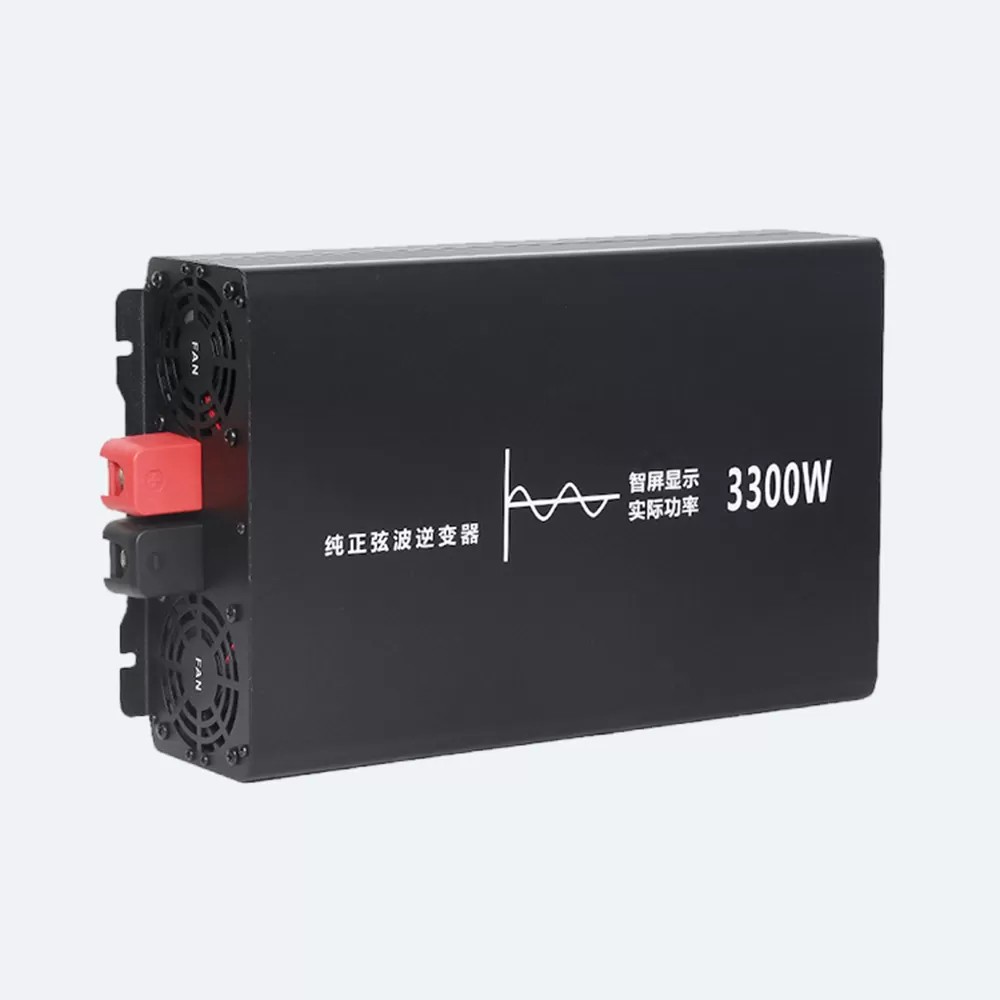
The reliability of low - frequency pure sine wave inverters has been improving over the years. In 2023, the average lifespan of these inverters was around 10 years. By 2026, it is expected to increase to 12 years. A commercial building in Japan that uses low - frequency pure sine wave inverters has experienced minimal downtime due to the high reliability of the inverters.
Practical Advice
When purchasing a low - frequency pure sine wave inverter in 2026, look for products with a long warranty period. This is an indication of the manufacturer's confidence in the product's reliability.Regularly maintain the inverter to ensure its durability. Follow the manufacturer's maintenance guidelines.
Personal View
Reliability and durability are crucial factors when it comes to power inverters. A reliable inverter can save users from frequent replacements and costly repairs, making it a worthy investment.
5. Customization and Flexibility
Data and Case
The market for low - frequency pure sine wave inverters is becoming more competitive, and manufacturers are offering more customization options. In 2024, only 15% of inverters were customizable. By 2026, it is expected that 30% of inverters will offer customization. For example, a small business in Canada was able to customize a low - frequency pure sine wave inverter to meet its specific power requirements.
Practical Advice
If you have specific power needs, look for manufacturers that offer customization options in 2026. This will ensure that the inverter meets your exact requirements.Communicate your needs clearly to the manufacturer to get the best - customized solution.
Personal View
Customization is a great feature as it allows users to tailor the inverter to their unique circumstances. It provides more flexibility and can lead to better performance and cost - effectiveness.
In conclusion, 2026 is set to be an exciting year for low - frequency pure sine wave inverters. With enhanced efficiency, better integration with renewable energy, smart features, improved reliability, and increased customization, these inverters will continue to play a vital role in the power industry. When considering a low - frequency pure sine wave inverter, keep these trends and practical advice in mind to make an informed decision.