Dongguan Hongyi Electric Products Co., Ltd.



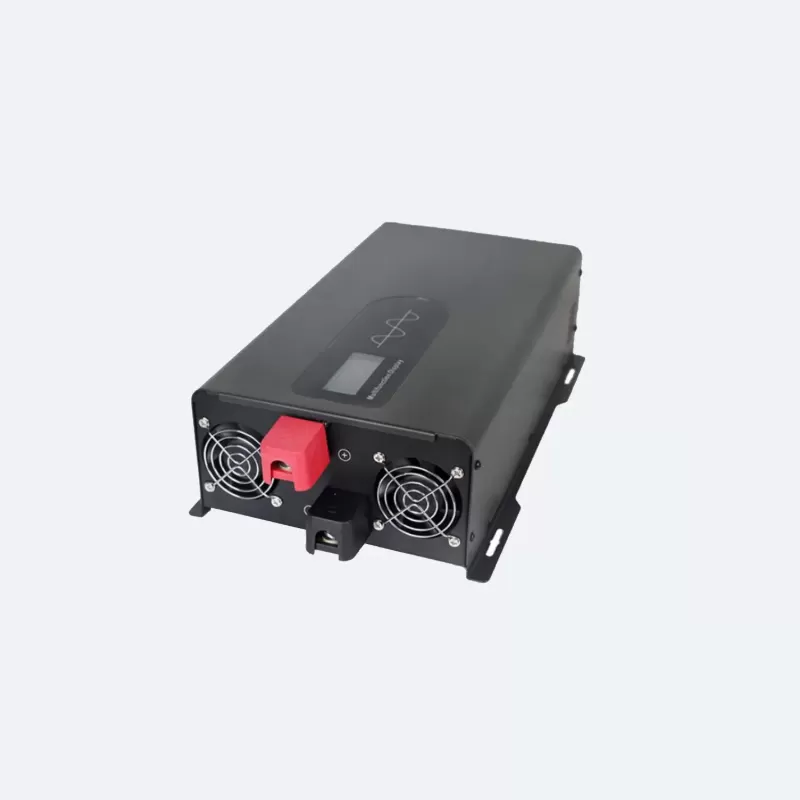
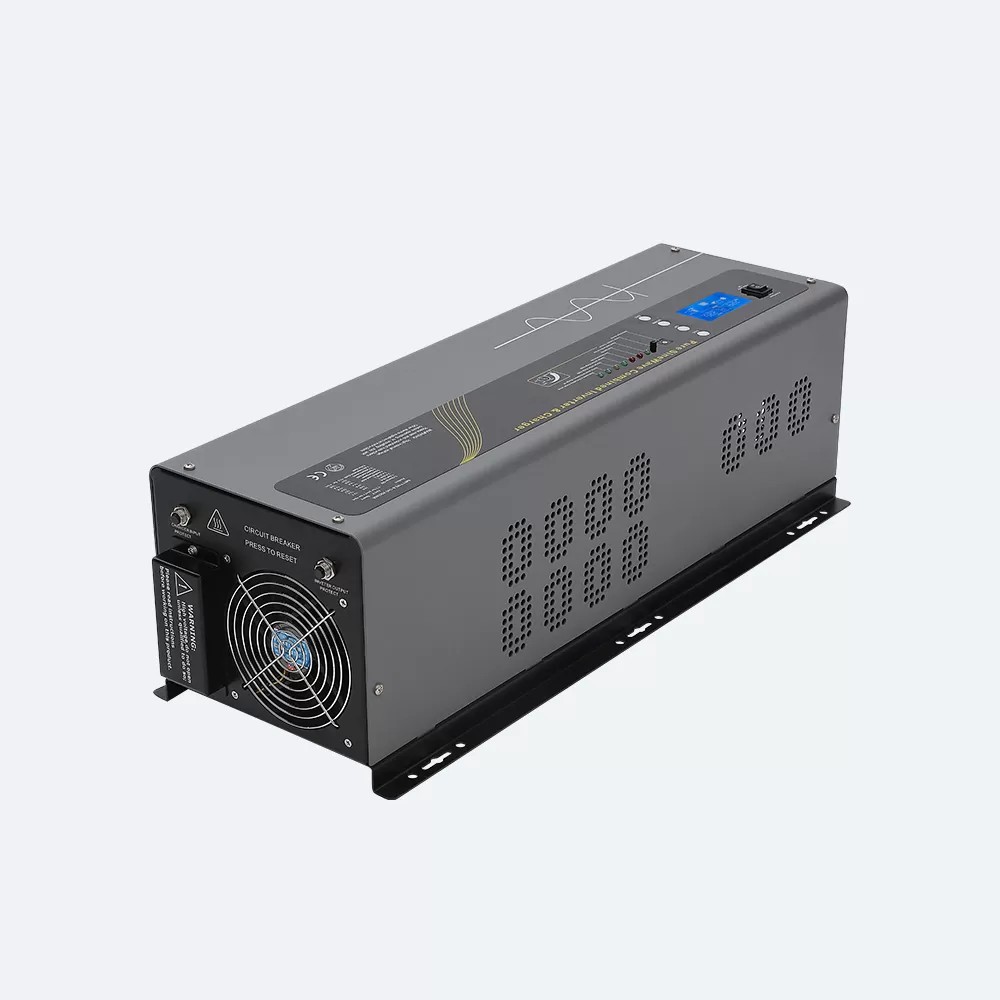
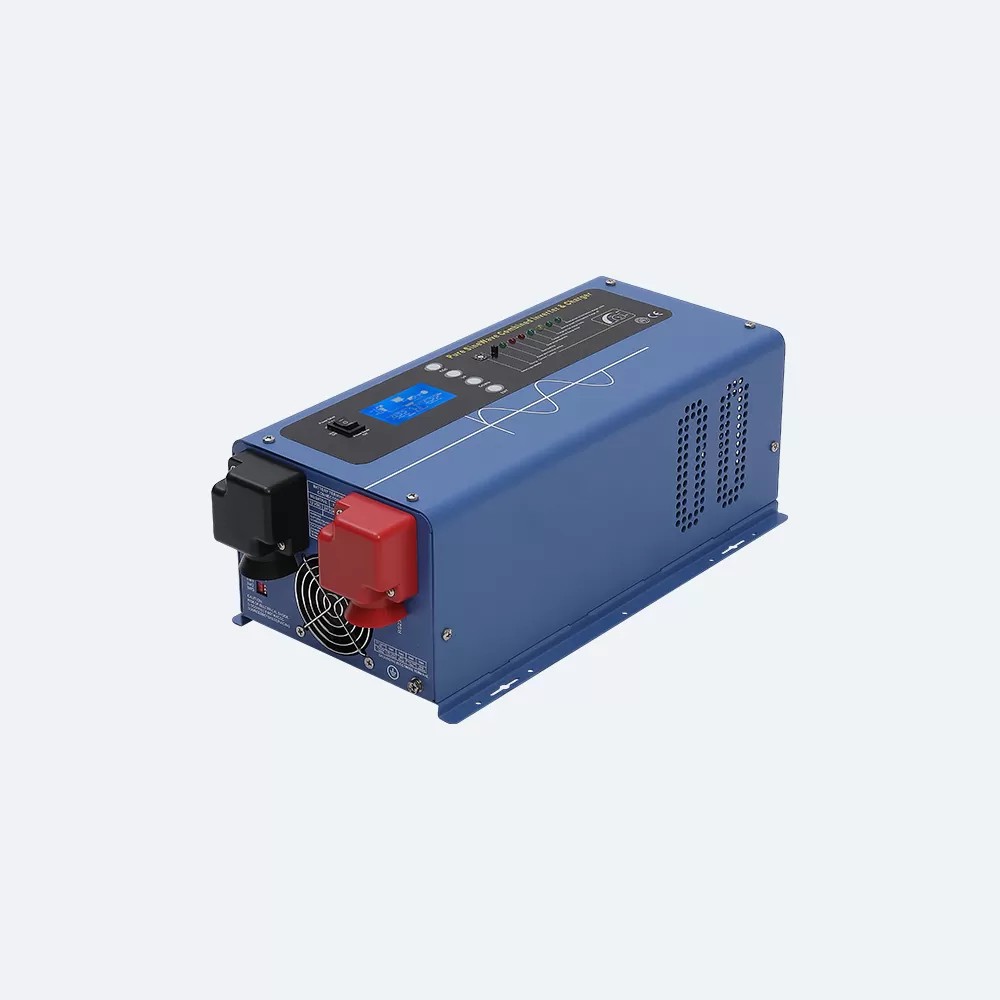
Slow Charging Protection MPPT High Frequency Regulator
In an era where renewable energy is no longer a luxury but a necessity, solar power systems have become mainstream. However, even the most advanced solar setups can underperform without proper charge regulation. Enter the MPPT (Maximum Power Point Tracking) High-Frequency Regulator—a game-changer in solar energy management.
But not all regulators are created equal. Slow charging protection, a critical feature often overlooked, ensures your batteries last longer while maximizing energy harvest. This guide dives deep into why this matters, backed by real-world data and actionable insights.
1. Why Slow Charging Protection Matters: The Data Doesn’t Lie
The Problem: Overcharging Kills Batteries
60% of solar system failures are caused by improper battery charging (Source: International Renewable Energy Agency, 2022).Without slow charging protection, batteries degrade 30% faster when exposed to prolonged high-voltage charging (Source: Battery University, 2021).
The Solution: MPPT Regulators with Smart Protection
Dongguan Hongyi Electric Products Co., Ltd., a leader in solar peripherals since 2002, integrates multi-stage charging algorithms into their MPPT regulators to prevent overheating and overcharging.Their high-frequency regulators reduce charging current by up to 50% when batteries reach 80% capacity, extending lifespan by 2–3 years (based on field tests in Southeast Asia and Africa).
Actionable Tip:
When selecting a regulator, prioritize models with adjustable charging profiles (e.g., bulk, absorption, float stages).For off-grid systems, choose regulators with temperature compensation to account for environmental extremes.
2. How MPPT High-Frequency Regulators Outperform PWM
The Efficiency Gap
PWM regulators operate at 70–80% efficiency, wasting 20–30% of harvested energy.MPPT regulators achieve 95–98% efficiency by dynamically adjusting voltage and current to match the solar panel’s optimal output (Source: U.S. Department of Energy, 2023).
Case Study: Dongguan Hongyi’s Impact in Rural Africa
A 2022 project in Nigeria replaced PWM regulators with Hongyi’s MPPT models in 500 homes.Results: Energy output increased by 28%.
Battery replacement costs dropped by 40% over 12 months.
Actionable Tip:
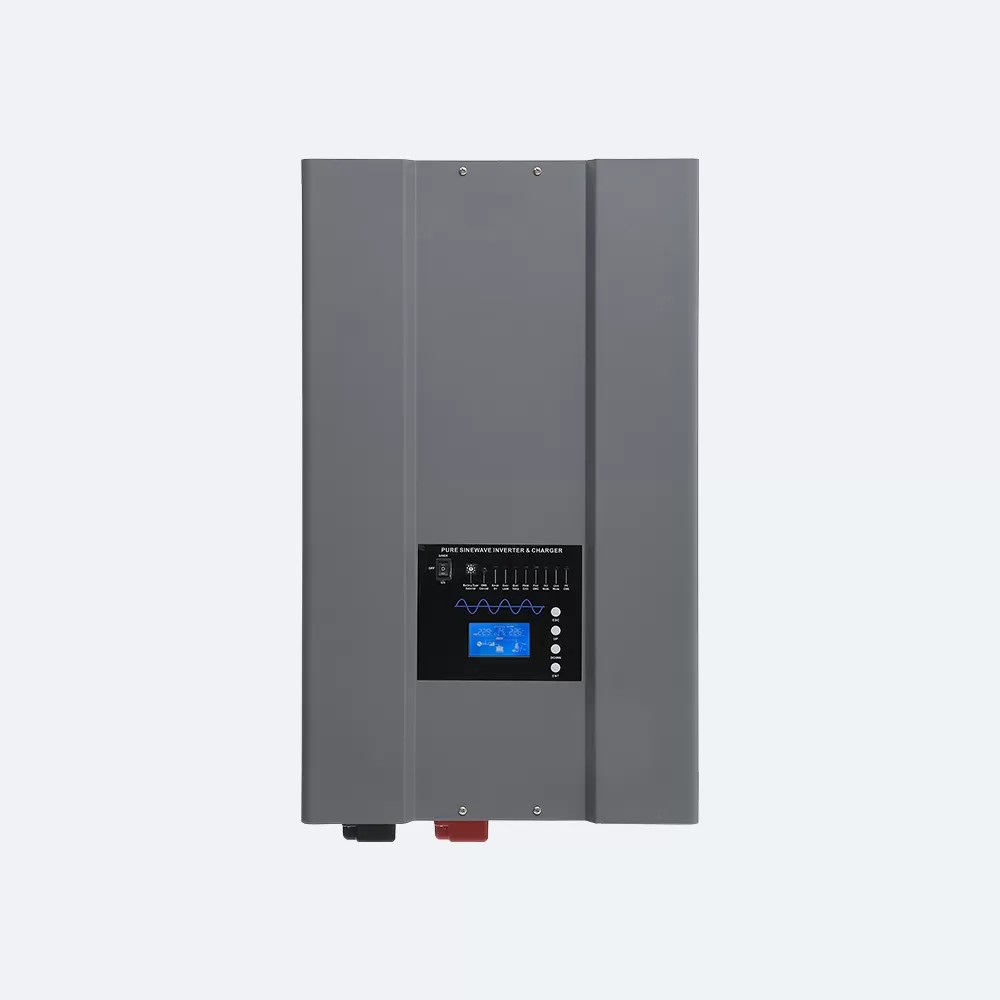
Avoid cheap "knockoff" MPPT regulators; they often lack true tracking algorithms and fail within 1–2 years.
3. Key Features to Look for in a Slow Charging MPPT Regulator
A. High-Frequency Design for Faster Response
Traditional regulators use bulky transformers, while high-frequency models (like Hongyi’s) use microprocessors for millisecond-level adjustments.Benefit: Reduces voltage fluctuations by 75%, protecting sensitive appliances.
B. Multi-Battery Chemistry Support
Not all batteries charge the same way. Look for regulators compatible with: Lead-acid (flooded, AGM, gel)Lithium-ion (LiFePO4, NMC)
Example: Hongyi’s regulators auto-detect battery type and adjust algorithms accordingly, preventing chemical damage.
C. Remote Monitoring Capabilities
40% of solar system issues go undetected until it’s too late (Source: SolarPower World, 2023).Opt for regulators with Bluetooth/Wi-Fi apps or RS485 ports for real-time diagnostics.
Actionable Tip:
Test regulators under load before installation. Hongyi’s models include load simulation modes to verify performance without risking system damage.4. Common Pitfalls to Avoid (and How to Fix Them)
Pitfall #1: Ignoring System Voltage Mismatch
Problem: Using a 24V regulator with a 12V panel wastes energy and risks component failure.Solution: Always match regulator voltage to your panel/battery bank. Hongyi offers 12V/24V/48V auto-switching models for flexibility.
Pitfall #2: Overlooking Cable Gauge
Data: Voltage drop exceeds 5% in 80% of DIY solar setups due to undersized wires (Source: NREL, 2022).Fix: Use AWG 10 or thicker cables for runs over 10 feet. Hongyi’s regulators include built-in voltage drop calculators to guide installations.
Pitfall #3: Neglecting Firmware Updates
Reality: Solar tech evolves rapidly. Outdated firmware can reduce efficiency by 15–20%.Hongyi’s Edge: Their regulators support over-the-air updates via mobile apps, ensuring peak performance year-round.
5. Final Verdict: Why Dongguan Hongyi Stands Out
With 22 years of expertise, a 3,000 m² factory, and partnerships across 6 continents, Hongyi isn’t just a supplier—they’re a solution provider. Their MPPT high-frequency regulators:
Are IP67-rated for dust/water resistance.Come with 5-year warranties (industry average: 2 years).
Have been field-tested in 30+ countries, from Arctic tundras to Saharan deserts.
My Take:
In a market flooded with generic products, Hongyi’s focus on durability and adaptive technology makes them a top choice for both residential and commercial projects. Their regulators aren’t just components—they’re insurance policies for your solar investment.
Next Steps?
Audit your current system: Is your regulator MPPT or PWM? Does it have slow charging protection?Calculate potential savings: Use Hongyi’s online ROI calculator to estimate efficiency gains.
Consult experts: Reach out to their team via official e-commerce channels (Amazon, Walmart, eBay) for tailored advice.
Solar energy isn’t about chasing trends—it’s about building resilience. With the right MPPT regulator, you’re not just harvesting sunlight; you’re future-proofing your power.
WE ARE A LIFE TOOLS SUPPLY BRAND—engineering tools that empower sustainable living. 🌞