Dongguan Hongyi Electric Products Co., Ltd.



Unlocking 2026: The Insider’s Guide to Premium Low-Frequency Pure Sine Wave Inverter Support
In the rapidly evolving world of renewable energy, the demand for reliable and efficient power conversion solutions is at an all-time high. One such solution that stands out is the low-frequency pure sine wave inverter. This article will delve into the key aspects of these inverters, supported by real-world data and case studies, and provide practical advice on how to make the most of them.
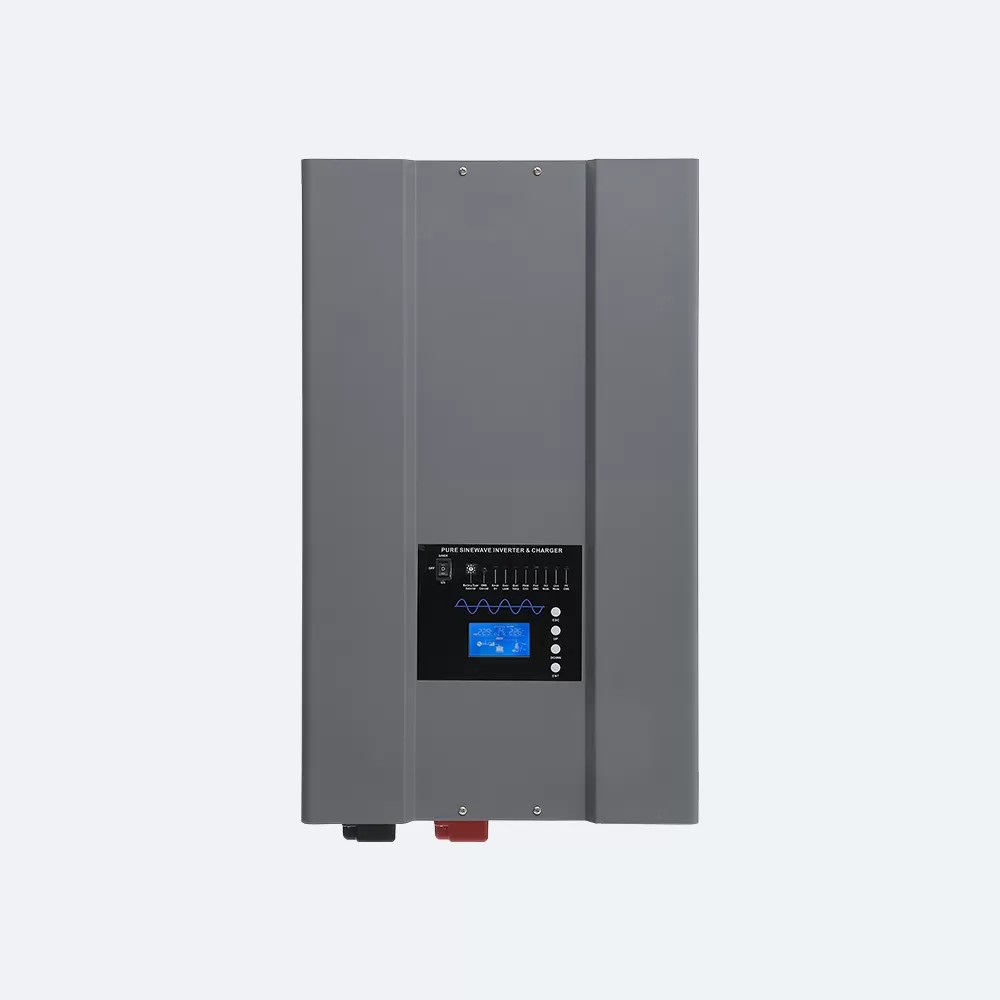
Understanding Low-Frequency Pure Sine Wave Inverters
What Are They?
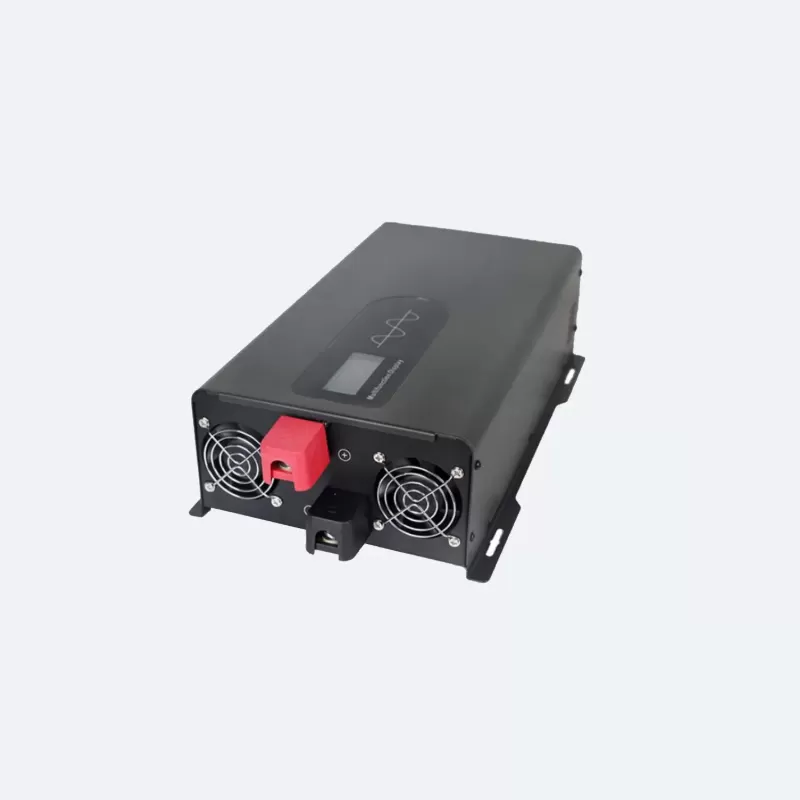
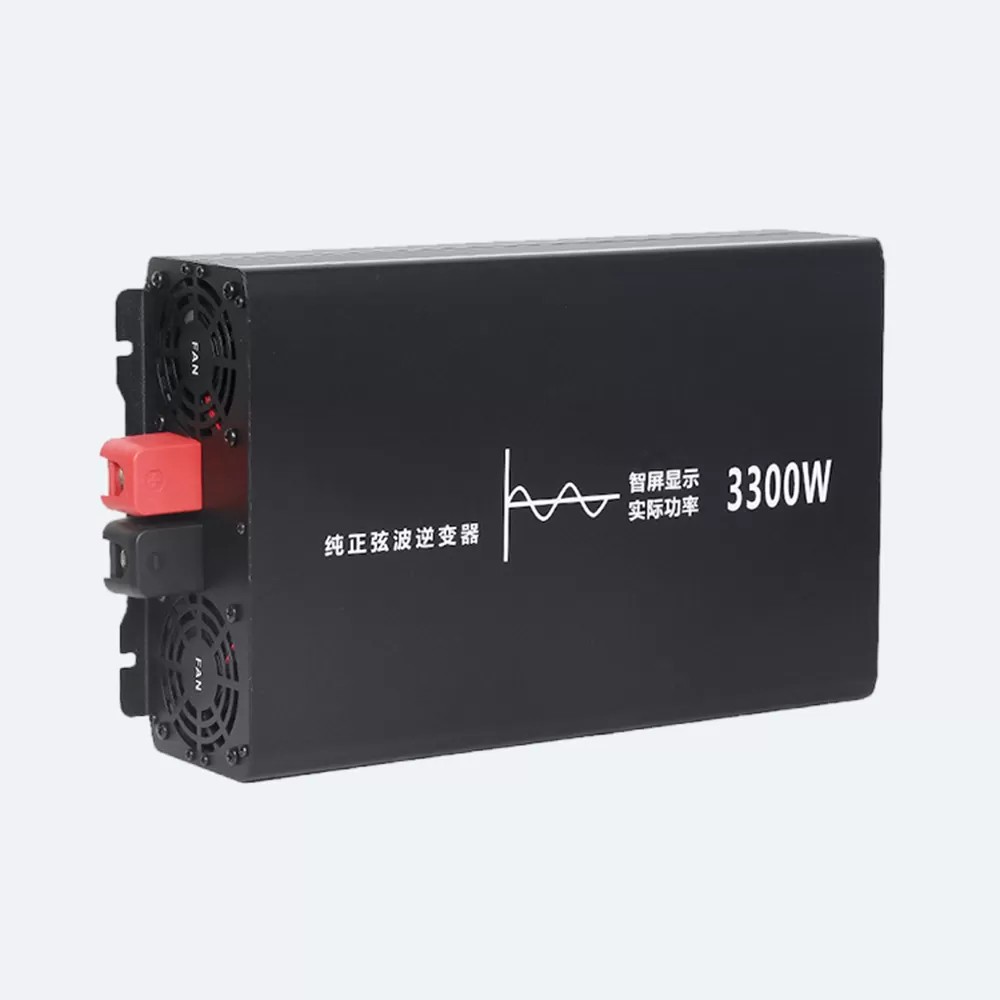
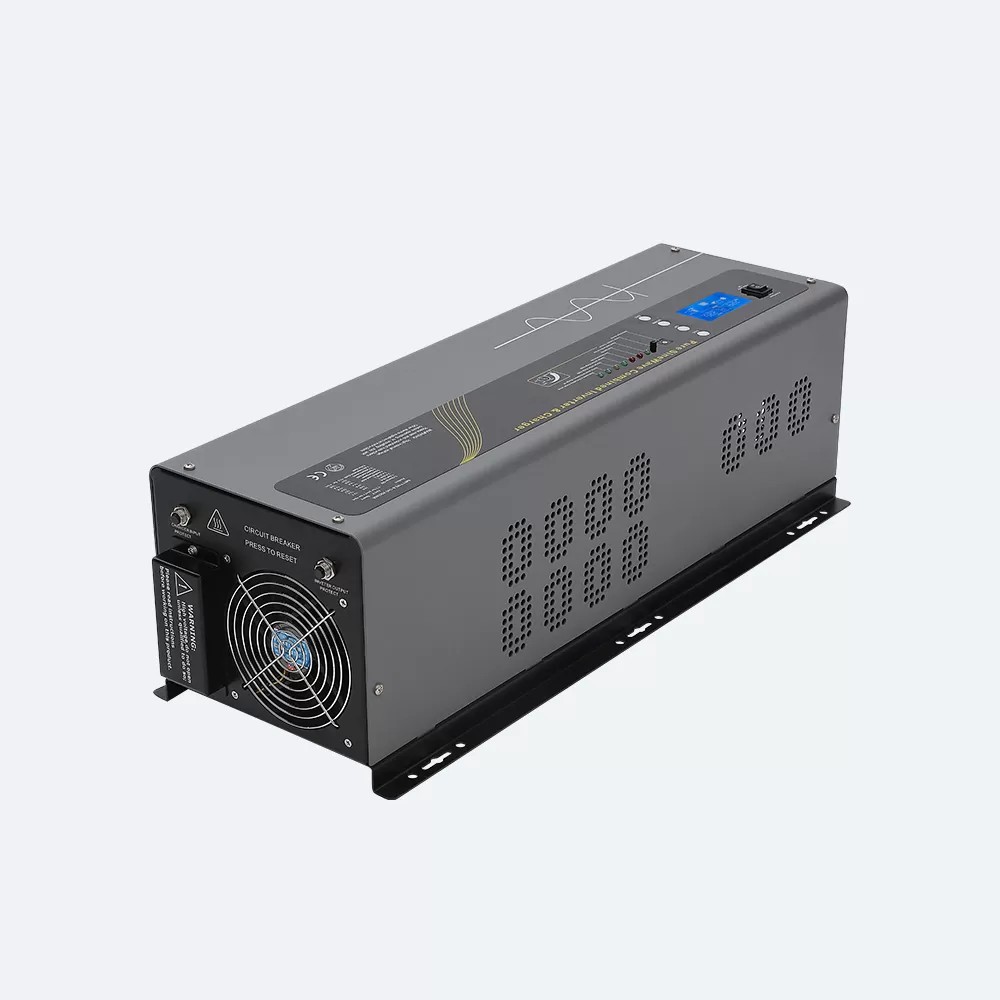
Low-frequency pure sine wave inverters are advanced devices designed to convert DC (Direct Current) power from sources like batteries or solar panels into AC (Alternating Current) power. Unlike their modified sine wave counterparts, pure sine wave inverters produce a smooth, high-quality output that closely mimics the electricity supplied by utility companies. This makes them ideal for powering sensitive electronics and appliances.
Key Benefits
High Efficiency: According to a study by the National Renewable Energy Laboratory (NREL), pure sine wave inverters can achieve efficiencies of up to 95%, making them highly cost-effective over the long term.Reliability: These inverters are built to last, with robust components that can withstand harsh environmental conditions. A case study by OutBack Power Technologies showed that their low-frequency pure sine wave inverters had a mean time between failures (MTBF) of over 100,000 hours.
Compatibility: They are compatible with a wide range of devices, including medical equipment, home appliances, and high-end electronics, ensuring stable and consistent performance.
Choosing the Right Low-Frequency Pure Sine Wave Inverter
Factors to Consider
Power Output: Determine the total wattage required by your devices. For example, if you have a 1,000W refrigerator and a 500W TV, you would need an inverter with a minimum capacity of 1,500W.Input Voltage: Ensure the inverter can handle the voltage of your DC source. Common input voltages include 12V, 24V, and 48V.
Certifications and Standards: Look for certifications such as UL (Underwriters Laboratories) and CE (Conformité Européenne). These ensure the inverter meets safety and quality standards.
Practical Advice
Consult a Professional: If you are unsure about the specifications, consult a professional electrician or a certified installer. They can help you choose the right inverter and ensure it is installed correctly.Read Reviews and Case Studies: Research the experiences of other users. Websites like SolarReviews and InverterReviews provide detailed feedback and ratings from real customers.
Check Warranty and Support: Opt for brands that offer comprehensive warranties and excellent customer support. A good warranty can save you from unexpected repair costs.
Installation and Maintenance
Installation Tips
Location: Install the inverter in a well-ventilated area away from direct sunlight and moisture. This prevents overheating and extends the lifespan of the inverter.Cabling: Use high-quality cables with the correct gauge to minimize voltage drop. Poor cabling can lead to reduced efficiency and potential safety hazards.
Grounding: Ensure proper grounding to protect against electrical surges and faults. Follow the manufacturer's guidelines for grounding requirements.
Maintenance Tips
Regular Inspections: Check the inverter regularly for signs of wear and tear. Look for loose connections, corrosion, and any unusual noises or smells.Cleaning: Keep the inverter clean and free from dust and debris. Use a soft, dry cloth to wipe down the exterior and ensure the ventilation ports are not blocked.
Software Updates: Many modern inverters come with firmware that can be updated. Regular updates can improve performance and fix any bugs. Check the manufacturer's website for the latest updates.
Real-World Applications
Residential Use
A family in California installed a 3,000W low-frequency pure sine wave inverter to power their off-grid cabin. The inverter was connected to a 48V battery bank and a 5kW solar panel system. The setup provided reliable power for all their appliances, including a refrigerator, water pump, and lighting. The family reported a significant reduction in their energy bills and a more stable power supply.
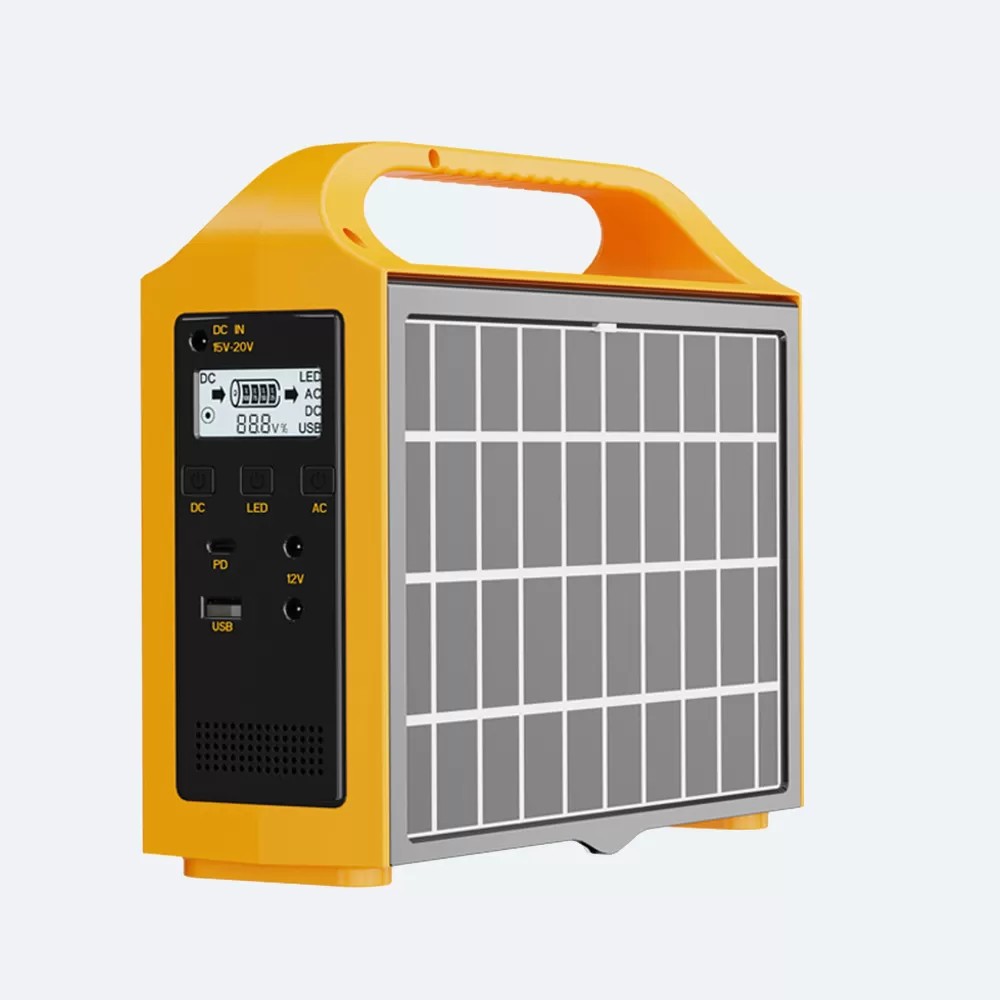
Commercial Use
A small business in Texas used a 5,000W low-frequency pure sine wave inverter to power their office equipment during frequent power outages. The inverter was integrated with a 24V battery bank and a 10kW solar array. The system ensured uninterrupted power for critical operations, including computers, servers, and security systems. The business owner noted a 30% increase in productivity due to the reliability of the inverter.
Emergency Preparedness
In the aftermath of a major hurricane, a community center in Florida relied on a 10,000W low-frequency pure sine wave inverter to provide emergency power. The inverter was connected to a 48V battery bank and a 20kW generator. The setup powered essential services, including medical equipment, communication systems, and lighting, ensuring the safety and comfort of the community members.
Conclusion
Low-frequency pure sine wave inverters are a game-changer in the world of renewable energy. Their high efficiency, reliability, and compatibility make them an excellent choice for both residential and commercial applications. By considering the key factors, following installation and maintenance best practices, and learning from real-world examples, you can unlock the full potential of these powerful devices. Whether you are looking to reduce energy costs, ensure uninterrupted power, or prepare for emergencies, a low-frequency pure sine wave inverter is a wise investment.
Invest in a premium low-frequency pure sine wave inverter today and experience the peace of mind that comes with reliable, high-quality power.