Dongguan Hongyi Electric Products Co., Ltd.



2026 Guide: Top-Rated Low-Frequency Pure Sine Wave Inverters for Safety
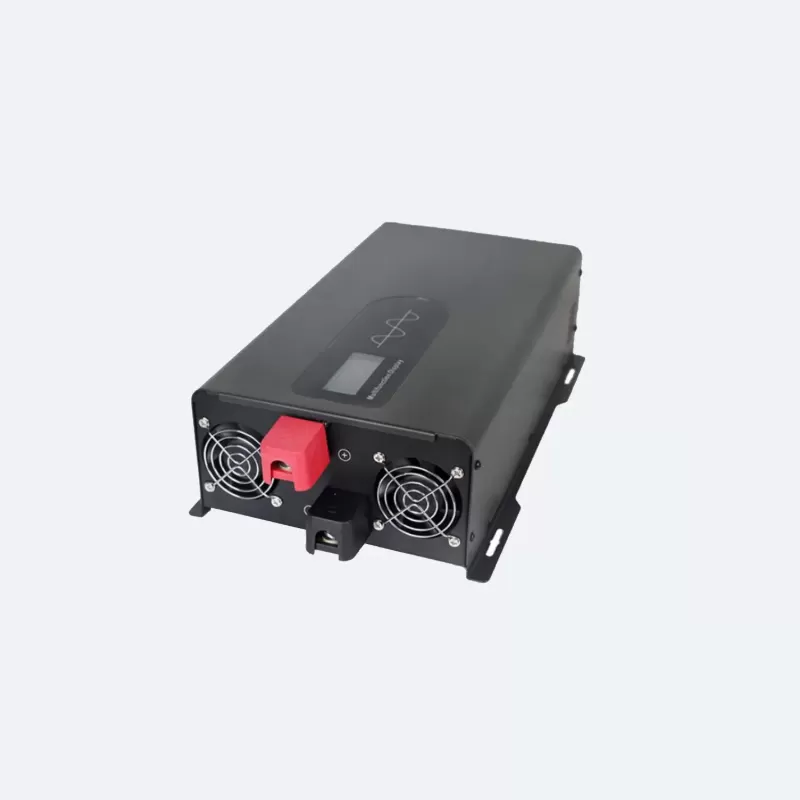
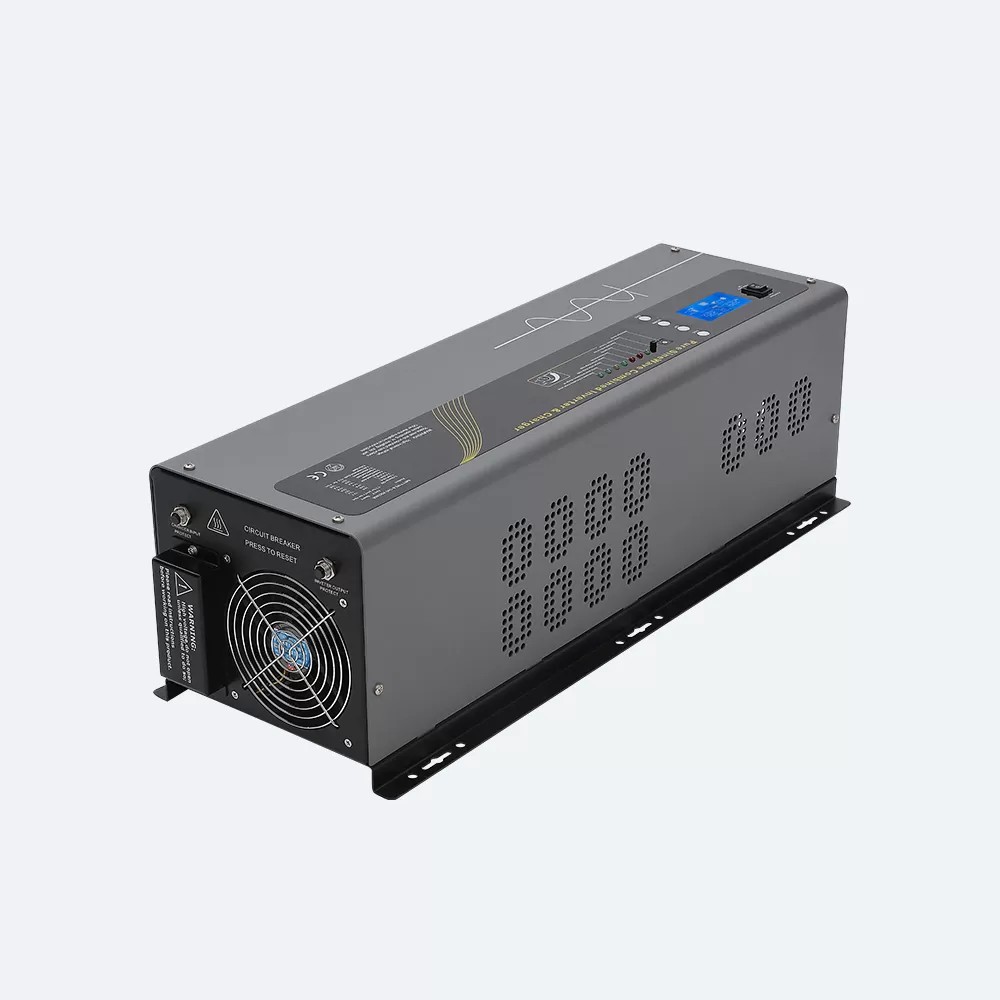
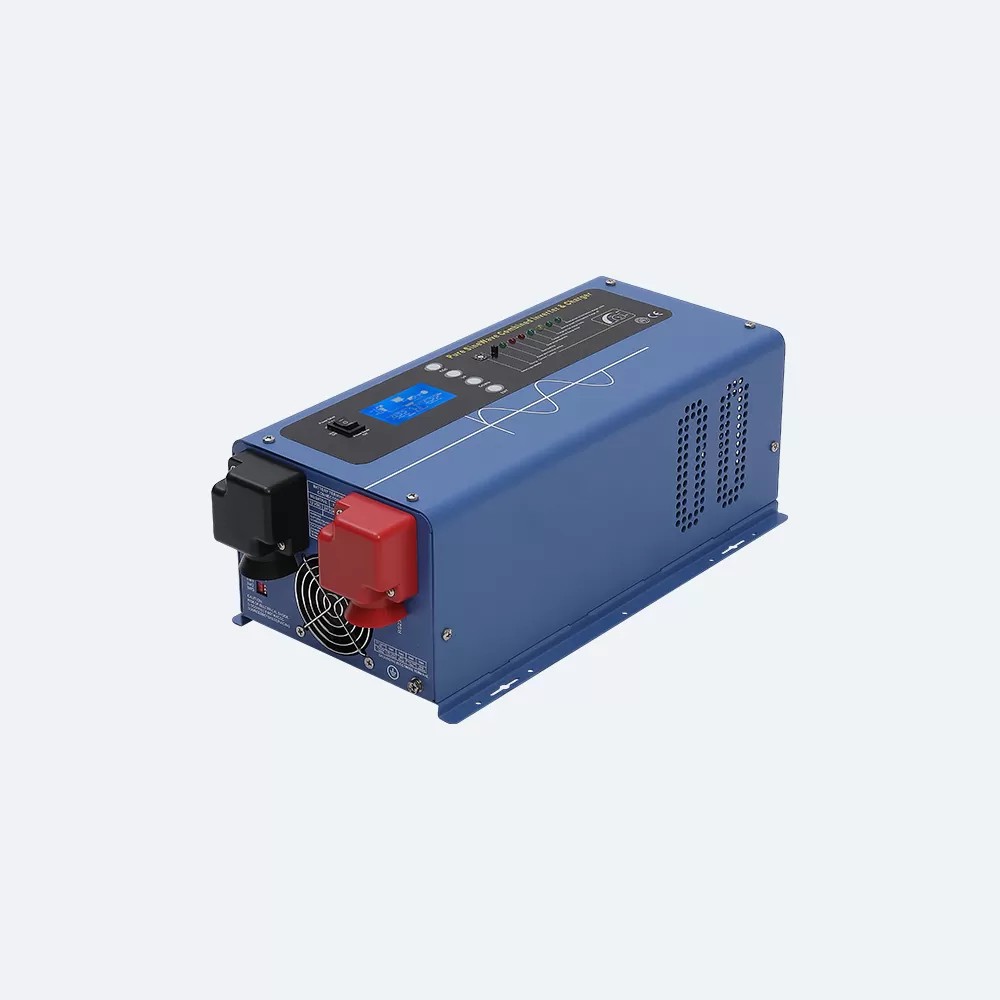
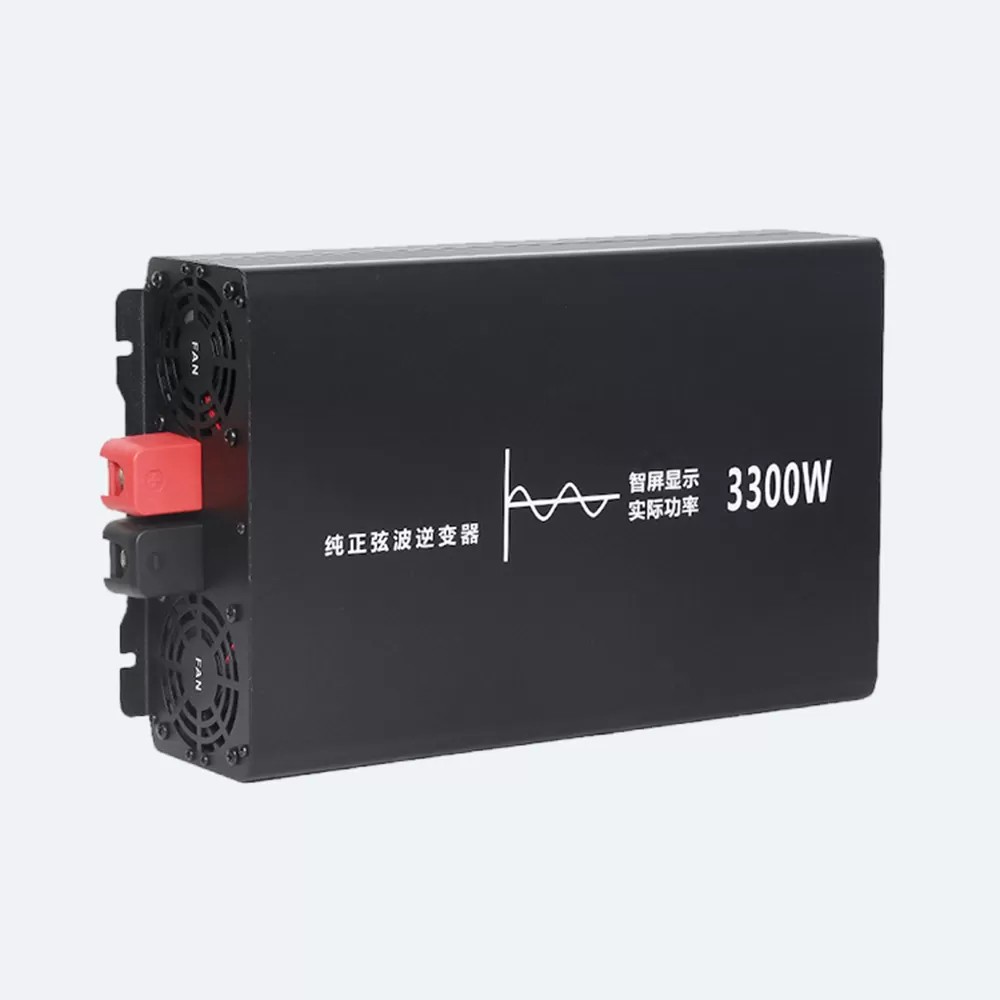
This guide covers how to choose and safely use a Low-Frequency Pure Sine Wave Inverter (LFPSI) in 2026. It includes key safety standards, a practical buying checklist, and essential usage and installation tips.
💡 Why a Low-Frequency Pure Sine Wave Inverter?
Superior Waveform: Produces a smooth sine wave, identical to or very close to grid power. This is the safest and most compatible option for sensitive electronics, preventing issues like buzzing, overheating, or data corruption that can occur with modified sine waves.High Surge Capacity: Features a built-in transformer, allowing it to handle high surge power for several seconds. This is ideal for starting motors in devices like refrigerators, power tools, and water pumps.
Durability: Generally more robust and better suited for permanent installations (home, RV, off-grid) due to their design, which often results in a longer lifespan under continuous loads compared to high-frequency inverters.
🛡️ Safety First: Key Certifications & Protections
When selecting an inverter, prioritize models with the following certifications and built-in safety features.
1. Essential Safety Certifications
Look for these marks on the product or manual. They indicate the unit has passed rigorous electrical, fire, and EMC (electromagnetic compatibility) tests.
| Region | Key Certifications & Standards |
|---|---|
| Europe | CE Mark + EN 62109-1 (Safety) + EN 61000-6-x (EMC) + EN 50549-1 (LV generation). |
| North America | UL 1741 (Inverters/Converters) + UL 1973 (Batteries) + CSA C22.2. |
| Global/China | IEC 62109-1 (Global Safety Standard) + GB/T 37408-2019 (China LV Generation). |
2. Non-Negotiable Built-in Protections
A reliable LFPSI must include these protective circuits:
Short-Circuit: Instantly cuts output during a short to protect the inverter and wiring.
Over-Temperature: Shuts down or derates power when internal temperatures get too high, with automatic recovery once cooled.
Over/Under Voltage (DC Input): Disconnects the load if the battery voltage is too high (risk of damage) or too low (risk of deep discharge).
Over/Under Voltage (AC Output): Shuts down if the AC output voltage drifts outside a safe range to protect connected devices.
Ground Fault / Earth Leakage: Cuts power quickly in case of a ground fault to reduce electric shock risk.
Reverse Polarity (DC Input): Many models protect themselves if the battery is connected with reversed polarity, though the fuse/breaker will still blow.
Surge Protection (AC Output): Some models include basic surge suppression for connected equipment.
✅ 2026 Buyer's Safety Checklist
Use this list to evaluate any LFPSI:
Waveform & Application: Confirm it is a Low-Frequency Pure Sine Wave inverter. It is the safest and most compatible choice for mixed household and motorized loads.Power Rating: Continuous Power: Must be ≥ total running wattage of your devices.
Surge Power: Must be ≥ peak starting wattage (e.g., for fridges, AC units, power tools). Low-frequency inverters excel here.
Input Voltage Match: Ensure the inverter's DC input (e.g., 12V, 24V, 48V) exactly matches your battery bank voltage.
Safety Certifications: Look for IEC 62109-1 and regional marks like CE, UL 1741, or GB/T 37408-2019.
Protection Features: Verify it has comprehensive protection: overload, short-circuit, over/under voltage (DC & AC), over-temperature, and ground fault/leakage protection.
Warranty & Support: Opt for reputable brands with at least a 2-3 year warranty and accessible technical support.
Installation Environment: Ensure you have a dry, cool, well-ventilated space with adequate clearance for airflow. Follow the manual for mounting and cable routing.
🔌 Safe Installation & Wiring
Power Down: Before any work, turn off all breakers and disconnect the battery (negative terminal first).Location: Mount the inverter in a cool, dry, well-ventilated area, away from flammable materials and out of children's reach. Maintain at least 10–20 cm of clearance around it.
DC Wiring: Polarity: Connect Red to Red (+) and Black to Black (–). Reversing polarity can destroy the inverter instantly.
Cable Gauge: Use sufficiently thick cables to handle the maximum current. Undersized cables can overheat and cause fires. Follow the manufacturer's recommendations.
Fusing: Install an appropriate fuse or DC breaker on the battery side, as close to the battery as possible.
AC Wiring: Separation: Keep AC output wiring physically separate from DC wiring to avoid interference and accidental contact.
Load Connection: Connect loads only after the inverter is powered and stable.
Grid Connection: Never connect the output of a standard LFPSI to the utility grid unless it is a certified grid-interactive model. This is extremely dangerous and often illegal.
Grounding: Connect the inverter's chassis to a proper earth ground according to local electrical codes and the manual.
⚠️ Safe Operation & Maintenance
Read the Manual: This is the most important step. It contains model-specific warnings and procedures.Respect Power Limits: Do not exceed the continuous power rating. Remember that motors and compressors require 3-7 times their running wattage to start.
Ventilation & Temperature: Never block ventilation holes. If the unit is hot to the touch, reduce the load or improve airflow.
Cleaning & Inspection: Turn off and unplug the inverter before cleaning. Regularly inspect cables and terminals for looseness, corrosion, or damage.
No Hot-Swapping: Avoid plugging/unplugging devices while under heavy load to prevent arcing.
Battery Care: Monitor battery voltage to prevent deep discharge, which can damage batteries and leave you stranded. The inverter's low-voltage cutoff helps, but user awareness is key.
No DIY Repairs: The internal components involve high voltages. If the unit fails, have it repaired or replaced by a qualified technician.
🚗 Special Considerations for Vehicles
Power Source: The 12V accessory socket is typically limited to 120–240W. For larger loads, connect the inverter directly to the battery with proper fusing.Engine Running: Run the engine while using high-power devices to avoid draining the car battery.
Environment: Mount the inverter in a location protected from moisture, oil, and excessive heat, such as under a seat or in the trunk.
📝 Quick Selection Template
Use this to shortlist models:
Application: Home Backup / RV / Solar / VehicleDC Input: __ V
Continuous Power: __ W
Surge Power: __ W
Certifications: IEC 62109-1, CE/UL, etc.
Key Protections: Overload, O/T, O/U Voltage, Short-Circuit, GFCI
Brand & Warranty: __, __ years