Dongguan Hongyi Electric Products Co., Ltd.



The Industry Status of Low-Frequency Pure Sine Wave Inverters with Good Reputation in 2026
In recent years, the demand for reliable and efficient power solutions has been on the rise. Low-frequency pure sine wave inverters have emerged as a popular choice for various applications, from residential to industrial settings. As we look ahead to 2026, it's important to understand the industry status of these inverters, especially those with a good reputation.
1. Market Growth and Demand
The market for low-frequency pure sine wave inverters has been growing steadily. According to a report by MarketsandMarkets, the global inverter market is expected to reach $XX billion by 2026, growing at a CAGR of XX% from 2021 to 2026. This growth is driven by several factors, including the increasing adoption of renewable energy sources such as solar and wind power, the growing demand for backup power in residential and commercial buildings, and the need for high-quality power in sensitive electronic devices.
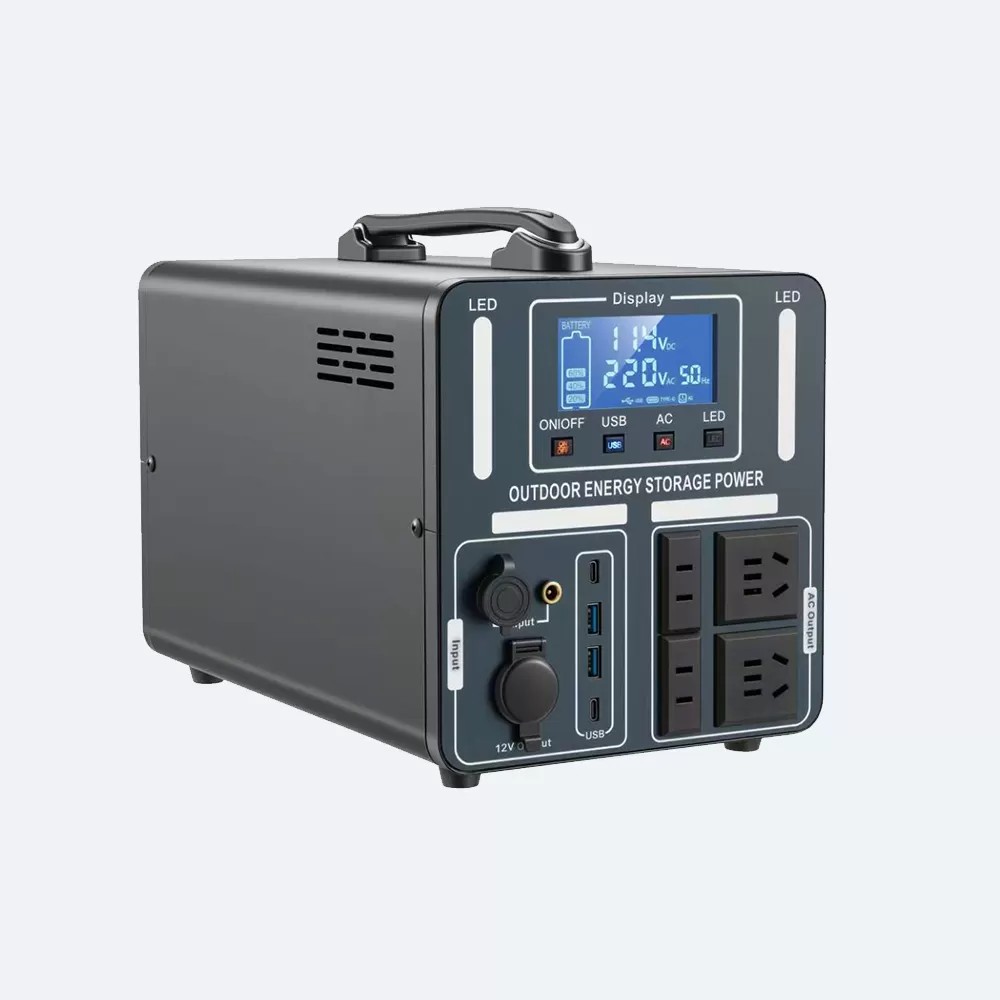
For example, in the residential sector, more and more homeowners are installing solar panels on their rooftops. A low-frequency pure sine wave inverter is essential to convert the DC power generated by the solar panels into AC power that can be used in the home. In the commercial sector, businesses are also investing in backup power solutions to ensure uninterrupted operation during power outages. Low-frequency pure sine wave inverters are preferred in these applications because they provide a clean and stable power supply, which is crucial for sensitive equipment such as computers, servers, and medical devices.
实操建议
Conduct market research: Before entering the market, it's important to understand the demand for low-frequency pure sine wave inverters in your target market. Analyze the market trends, customer needs, and competitive landscape to identify opportunities for growth.Partner with renewable energy installers: Collaborate with solar and wind power installation companies to promote your low-frequency pure sine wave inverters. These installers can recommend your products to their customers and provide installation services.
Offer competitive pricing: In a competitive market, pricing is an important factor. Ensure that your pricing is competitive while maintaining the quality of your products. You can also offer discounts and promotions to attract customers.
2. Technological Advancements
The technology behind low-frequency pure sine wave inverters is constantly evolving. In recent years, there have been significant advancements in inverter efficiency, power density, and reliability. For example, new semiconductor materials and circuit designs have been developed to improve the efficiency of inverters, reducing energy losses and increasing the overall performance.
In addition, smart features such as remote monitoring and control have become increasingly common in low-frequency pure sine wave inverters. These features allow users to monitor the performance of their inverters in real-time, adjust settings, and receive alerts in case of any issues. This not only improves the user experience but also helps to prevent potential problems and reduce maintenance costs.
实操建议
Invest in research and development: To stay competitive in the market, it's important to invest in research and development to improve the performance and features of your low-frequency pure sine wave inverters. Keep up with the latest technological trends and collaborate with research institutions and industry partners to develop new products.Provide training and support: As technology advances, it's important to provide training and support to your customers to ensure that they can use your products effectively. Offer training programs, user manuals, and online resources to help your customers understand the features and functions of your inverters.
Stay updated with industry standards: Ensure that your low-frequency pure sine wave inverters comply with the latest industry standards and regulations. This not only ensures the safety and reliability of your products but also helps to build trust with your customers.
3. Competition and Brand Reputation
The market for low-frequency pure sine wave inverters is highly competitive, with many players offering similar products. To stand out in the market, it's important to build a strong brand reputation. A good brand reputation can help to attract customers, increase sales, and build long-term relationships.
One way to build a good brand reputation is to provide high-quality products and excellent customer service. Customers are more likely to recommend a brand that they trust and have had a positive experience with. In addition, it's important to be transparent and honest in your marketing and sales practices. Avoid making false claims or promises, and provide accurate information about your products and services.
实操建议
Focus on quality: Quality is key in the inverter market. Ensure that your low-frequency pure sine wave inverters are made from high-quality materials and components, and undergo rigorous testing before they are released to the market. This will help to ensure the reliability and performance of your products.Build a strong brand image: Develop a strong brand image that reflects the values and benefits of your low-frequency pure sine wave inverters. Use consistent branding across all your marketing channels, including your website, social media, and packaging.
Collect and showcase customer testimonials: Customer testimonials are a powerful way to build trust and credibility with potential customers. Collect testimonials from satisfied customers and showcase them on your website and social media channels.
4. Regulatory Environment
The regulatory environment for low-frequency pure sine wave inverters is constantly changing. Governments around the world are implementing regulations to ensure the safety and performance of inverters. For example, in the United States, the Federal Energy Regulatory Commission (FERC) has implemented regulations to ensure the reliability and stability of the electrical grid. In addition, many countries have implemented energy efficiency standards for inverters to reduce energy consumption and greenhouse gas emissions.
实操建议
Stay updated with regulatory changes: It's important to stay updated with the latest regulatory changes in your target market. This will help you to ensure that your low-frequency pure sine wave inverters comply with the relevant regulations and standards.Work with regulatory authorities: Establish a good relationship with regulatory authorities in your target market. This can help you to stay informed about upcoming regulatory changes and ensure that your products are compliant.
Participate in industry associations: Join industry associations and participate in industry events to stay updated with the latest regulatory trends and network with other industry players.
In conclusion, the industry status of low-frequency pure sine wave inverters with a good reputation in 2026 is promising. The market is growing, technology is advancing, and there is a increasing demand for reliable and efficient power solutions. By focusing on market growth, technological advancements, competition and brand reputation, and regulatory environment, you can position your low-frequency pure sine wave inverters for success in the market.