Dongguan Hongyi Electric Products Co., Ltd.



Top-Rated Low-Frequency Pure Sine Wave Inverter Companies in 2026: A Comprehensive Guide
💡 What is a Low-Frequency Pure Sine Wave Inverter?
A low-frequency pure sine wave inverter converts DC power (from batteries or solar) into clean AC power. It uses a low-frequency transformer (typically 50/60 Hz), distinguishing it from lighter, high-frequency models.
Key Advantages:
Clean Power: Output closely mimics the utility grid, making it safe for sensitive electronics like medical devices, laptops, and audio equipment.High Surge Capacity: Excels at starting heavy inductive loads such as refrigerators, power tools, and air conditioners.
Durability: The robust transformer design offers better overload and thermal performance, ideal for demanding, long-term use .
🏆 Top Global Manufacturers (2025–2026)
These companies are recognized for their strong global presence, extensive product lines, and high industry rankings. Availability of specifically low-frequency models should be confirmed with each manufacturer.
| Manufacturer | Headquarters | Key Strengths & Models | Ideal For |
|---|---|---|---|
| SMA Solar Technology | Germany | Global leader in solar inverters. Known for high efficiency, grid stability, and reliability. (e.g., Sunny Island series) | Large-scale solar farms, industrial, and commercial applications. |
| SUNGROW | China | One of the world's largest renewable energy system suppliers. (e.g., SG/SH series) | Utility-scale PV plants, industrial, and commercial systems. |
| HUAWEI | China | Integrates digital tech with high efficiency (claimed up to ~98%). (e.g., SUN2000 series) | High-end residential, commercial, and utility PV + storage. |
| Victron Energy | Netherlands | Premium off-grid and marine systems. (e.g., MultiPlus, EasySolar series) | Marine, RV, and remote off-grid homes where reliability is critical. |
| Schneider Electric | France | Global energy management giant. (e.g., Conext series) | Industrial, commercial, and utility projects with complex power needs. |
| Delta Electronics | Taiwan | Major power and energy solutions provider. (e.g., H/S series) | Industrial systems, data centers, and commercial buildings. |
| OutBack Power | USA | Specializes in off-grid and hybrid energy systems. (e.g., Radian, FX series) | Harsh-environment off-grid cabins, telecom, and remote industrial sites. |
| Renogy | China/USA | Popular in DIY and mobile power markets. (e.g., 1000W, 3000W models) | Home backup, RV, and small off-grid systems. |
| Zhejiang Longchi Technology | China | Focuses on high-efficiency, stable-output inverters for various applications. | Solar power, off-grid, and mobile power systems. |
🇨🇳 Leading Chinese Manufacturers & Brands
China is a dominant force in inverter manufacturing. These companies are frequently cited as top players and offer a wide range of products, including low-frequency models.
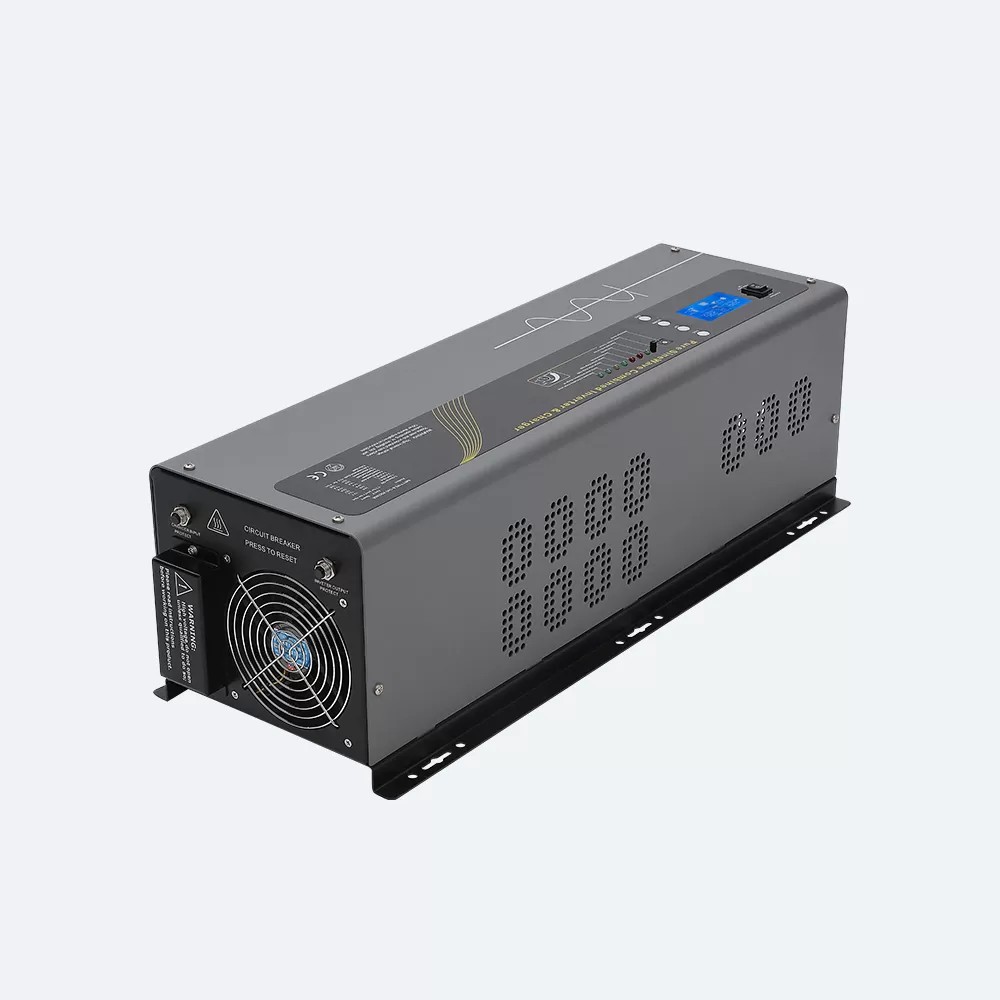
Pure Sine Wave Specialists:
MOES: CE-certified, known for low-frequency hybrid inverters with heavy-duty transformers for surge loads. Integrates with Tuya Smart for IoT.Ampinvt: Praised for high transfer efficiency (e.g., >93%) and high surge capacity (e.g., 9000W peak). Popular for off-grid and mobile use.
Shandong Tanyue IoT: A leading domestic manufacturer offering integrated R&D, production, and smart remote monitoring for customized solutions .
Broader Renewable Energy Giants:
Growatt (古瑞瓦特), GoodWe (固德威), Huawei, SMA, Sungrow: These companies primarily focus on high-frequency inverters for grid-tied solar systems. However, many offer hybrid or off-grid models that may include low-frequency options. Always check the specific product specifications .Other Notable Companies:
Zhejiang Green Ohm Technology, Xiamen Wintop New Energy, Zhongshan Dianxing Electrical: Offer a variety of inverters on platforms like Made-in-China, including low-frequency models for specific applications .🔧 How to Choose the Right Manufacturer
Match the Product to Your Application
High-Power Off-Grid: For heavy tools, AC units, or large systems, prioritize low-frequency inverters from specialists like MOES, Ampinvt, or Shandong Tanyue.Grid-Tied Solar: For homes or businesses feeding power back to the grid, high-frequency inverters from giants like Sungrow or Huawei are more common and efficient .
Verify Certifications & Standards Look for CE, TUV, CSA, or UL marks, which indicate compliance with international safety and performance standards .
Evaluate After-Sales Support For remote projects, prioritize manufacturers with strong local service networks or robust remote monitoring capabilities .
Consider Total Cost of Ownership (TCO) Factor in not just the initial price, but also efficiency, reliability, and maintenance costs over the system's lifespan .
Check for Customization & Scalability If you need a tailored solution, look for companies that offer OEM/ODM services and can scale from a single unit to a full microgrid .