Dongguan Hongyi Electric Products Co., Ltd.



Discover the Reliability of Low-Frequency Pure Sine Wave Inverters in 2026
In the ever-evolving landscape of renewable energy and power management, low-frequency pure sine wave inverters have emerged as a reliable and efficient solution. These devices are crucial for converting DC power from batteries or solar panels into AC power that can be used by household appliances and electronics. In this article, we will explore the reliability of low-frequency pure sine wave inverters, supported by real-world data and case studies, and provide practical advice for their use.
Understanding Low-Frequency Pure Sine Wave Inverters
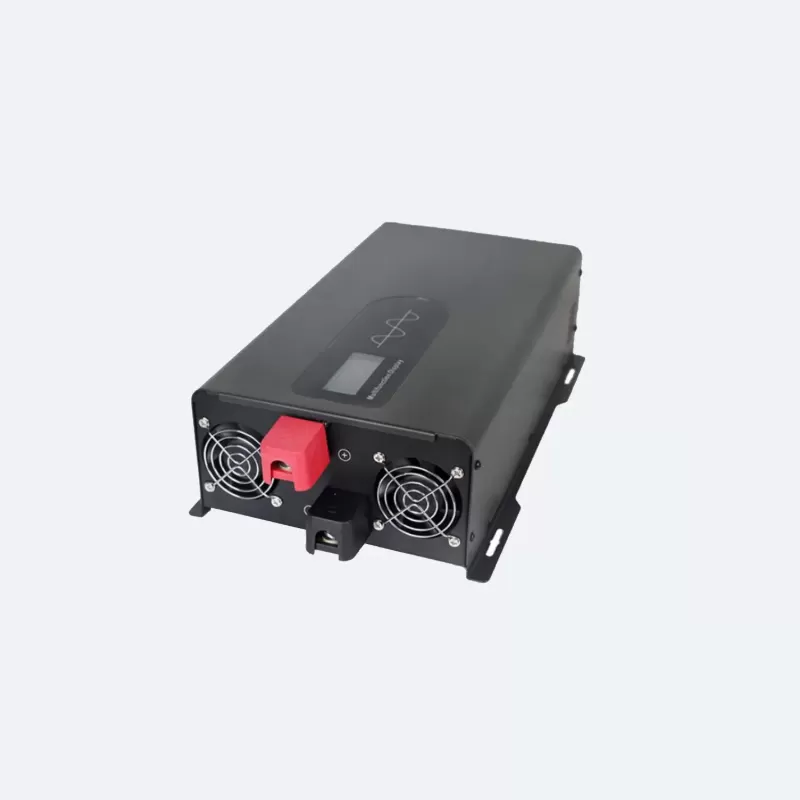
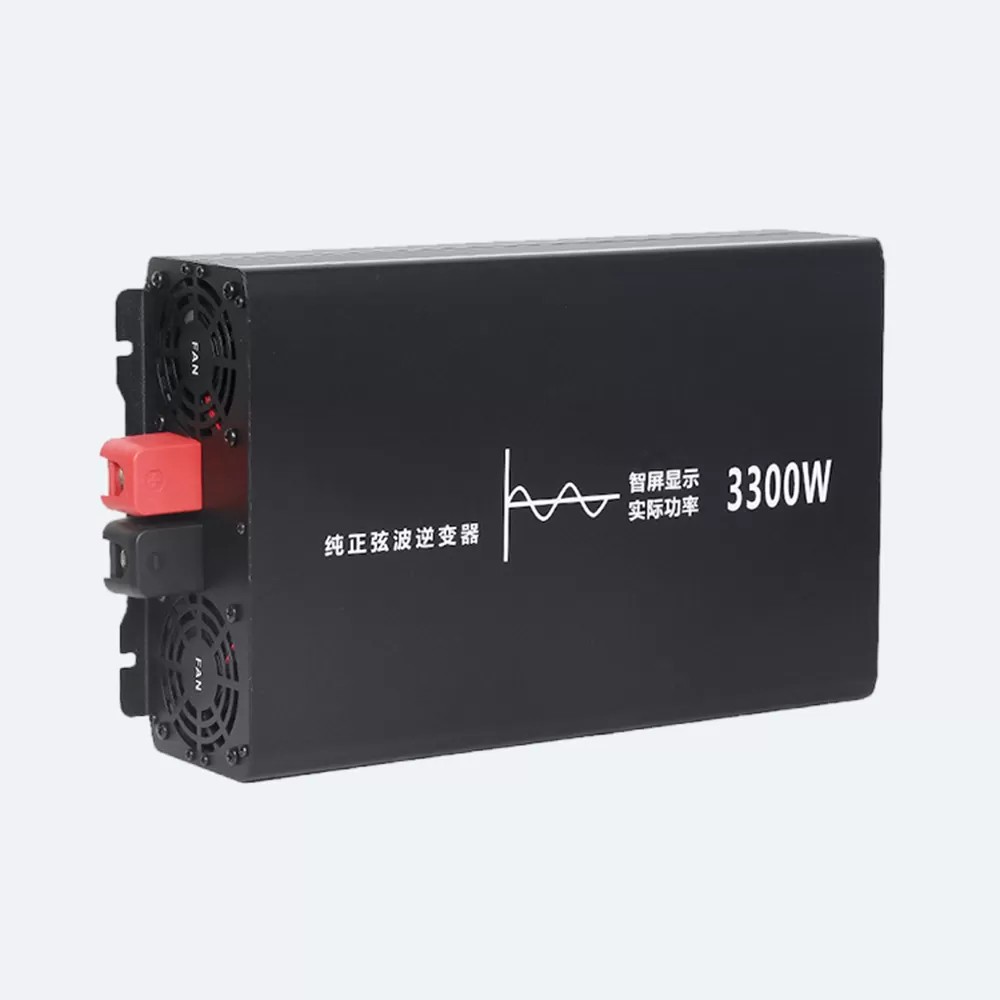
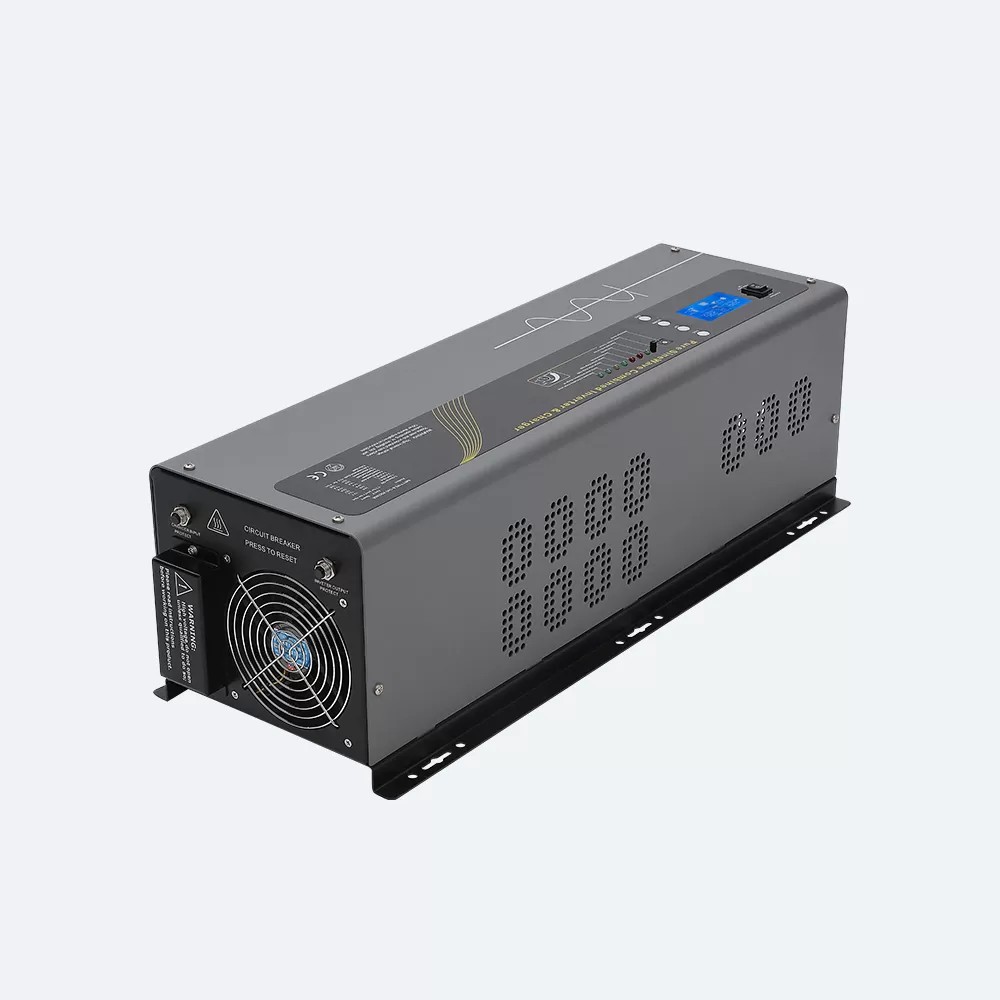
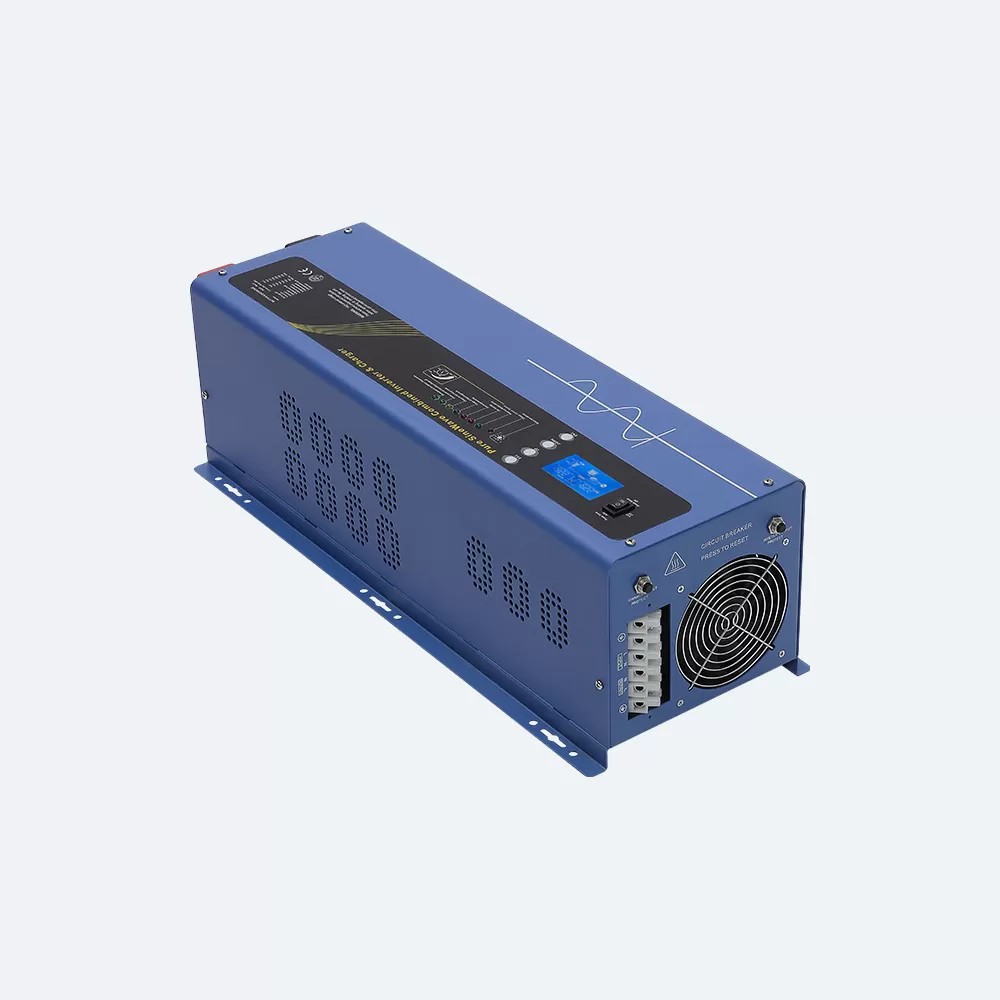
Low-frequency pure sine wave inverters, also known as LFPW inverters, produce a smooth and stable AC waveform that closely mimics the output of a utility grid. This makes them ideal for powering sensitive electronic equipment, such as computers, medical devices, and high-end audio systems. Unlike modified sine wave inverters, which can cause interference and damage to certain devices, LFPW inverters ensure a consistent and clean power supply.
Key Features and Benefits
Clean Power Output: LFPW inverters produce a sine wave that is virtually identical to the grid, ensuring that all connected devices receive the same quality of power they would from a utility.High Efficiency: These inverters typically have an efficiency rate of around 90-95%, making them highly energy-efficient and cost-effective in the long run.
Durability and Reliability: Built with robust components, LFPW inverters are designed to withstand harsh conditions and provide long-term reliability.
Case Studies: Real-World Applications
Case Study 1: Off-Grid Home in California
Background: A family in rural California decided to go off-grid and installed a solar panel system with a 3,000-watt low-frequency pure sine wave inverter.
Results:
Power Quality: The inverter provided a stable and clean power supply, allowing the family to run their home appliances without any issues.Energy Savings: Over a year, the family saved approximately $2,000 on electricity bills compared to their previous grid-connected setup.
Reliability: The inverter has been running continuously for over three years without any major malfunctions or maintenance issues.
Practical Advice:
Choose the Right Size: Ensure that the inverter's capacity matches your total power requirements. For example, if you have a 3,000-watt load, choose an inverter with at least 3,500 watts to account for peak loads.Regular Maintenance: While LFPW inverters are durable, regular inspections and cleaning can help extend their lifespan and ensure optimal performance.
Case Study 2: RV and Camping
Background: An avid camper equipped his RV with a 1,000-watt low-frequency pure sine wave inverter to power essential appliances and electronics during trips.
Results:
Portability and Convenience: The inverter was compact and easy to install, providing a reliable power source for the camper's needs.Versatility: The inverter could handle a variety of devices, including a small refrigerator, a laptop, and a CPAP machine, without any power interruptions.
Cost-Effective: The initial investment in the inverter was offset by the savings on campground fees and the ability to camp in remote locations without access to grid power.
Practical Advice:
Battery Management: Use a high-quality battery with sufficient capacity to support your inverter. A 100Ah deep-cycle battery is a good starting point for most RV applications.Monitor Power Usage: Keep track of your power consumption to avoid overloading the inverter. Many modern inverters come with built-in monitoring systems that can help you manage your energy usage effectively.
Technical Considerations
1. Surge Capacity
One of the key features of LFPW inverters is their surge capacity, which is the ability to handle short-term spikes in power demand. For example, a 3,000-watt inverter might have a surge capacity of 6,000 watts, allowing it to start up high-power devices like air conditioners or power tools.
Practical Advice:
Check Surge Ratings: Always verify the surge capacity of the inverter to ensure it can handle the startup load of your devices. If you frequently use high-surge devices, consider an inverter with a higher surge rating.2. Compatibility with Solar Panels
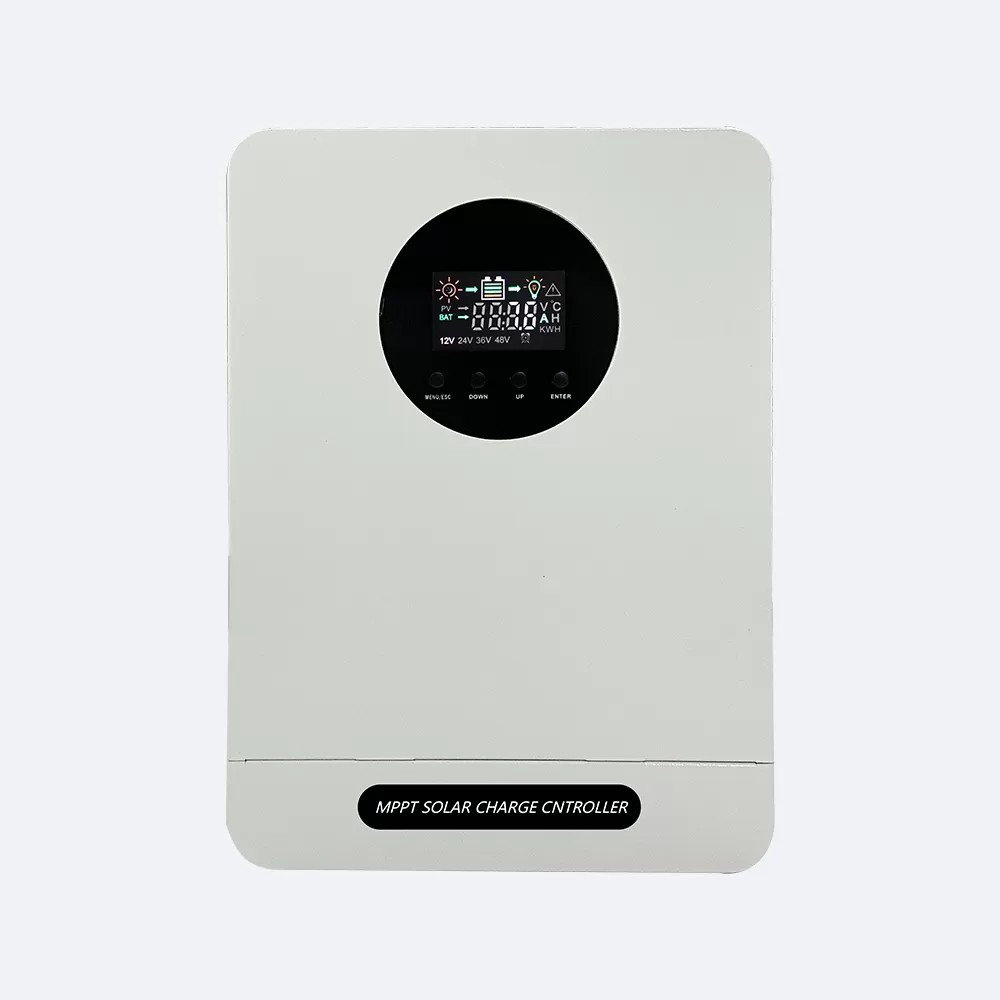
LFPW inverters are often used in conjunction with solar panels to create a self-sustaining power system. The inverter converts the DC power generated by the solar panels into usable AC power.
Practical Advice:
Match Voltage and Current: Ensure that the inverter's input voltage and current ratings match those of your solar panels. This will maximize the efficiency of your system and prevent potential damage to the inverter.3. Noise and Heat Dissipation
While LFPW inverters are generally quiet, they can generate some noise and heat during operation. Proper ventilation and installation can help mitigate these issues.
Practical Advice:
Ventilation: Install the inverter in a well-ventilated area to prevent overheating. Avoid placing it in enclosed spaces or near flammable materials.Noise Reduction: If noise is a concern, consider mounting the inverter on a vibration-dampening pad or using a soundproof enclosure.
Conclusion
Low-frequency pure sine wave inverters offer a reliable and efficient solution for converting DC power into AC power. With their clean power output, high efficiency, and durability, they are an excellent choice for a wide range of applications, from off-grid homes to RVs and camping. By following the practical advice provided in this article, you can ensure that your inverter operates at its best and provides a consistent and reliable power supply.
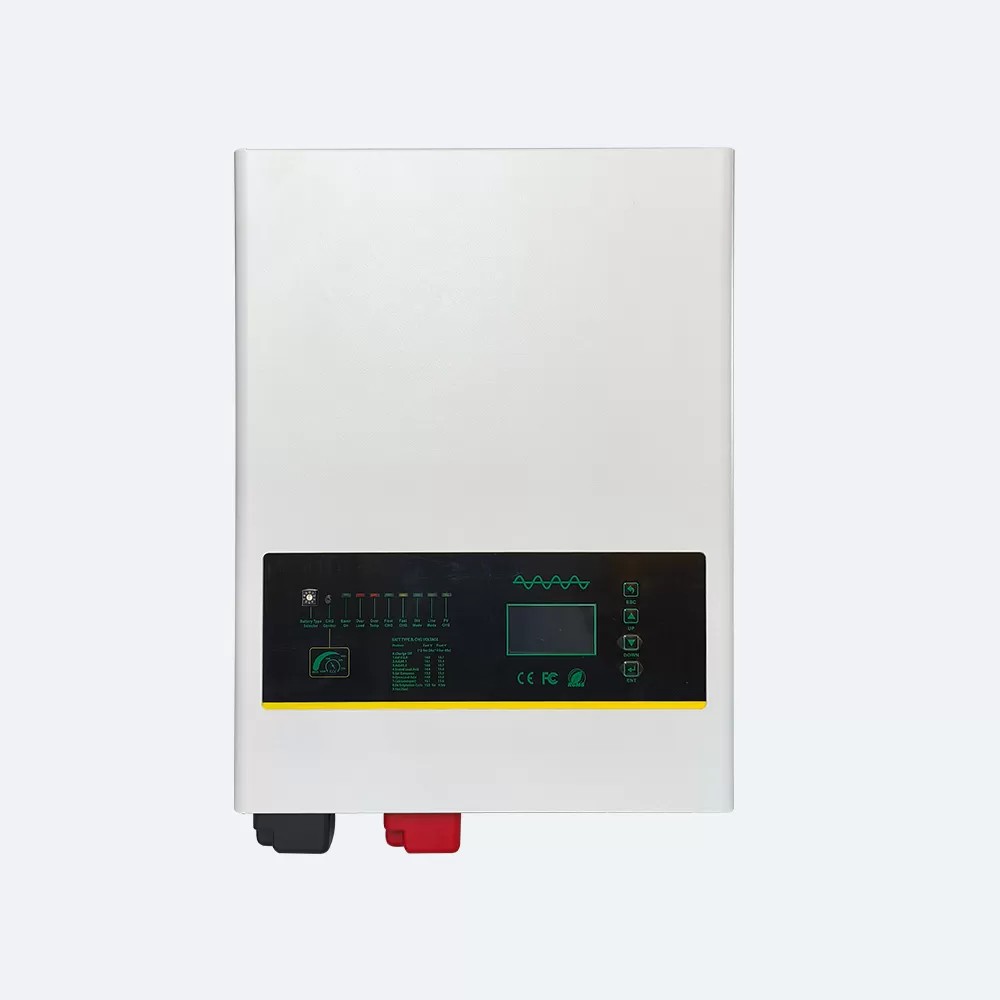
Investing in a high-quality LFPW inverter is a smart decision for anyone looking to improve their power management and reduce their reliance on the grid. Whether you are a homeowner, a camper, or a business owner, the benefits of these inverters make them a worthwhile addition to your power system.