Dongguan Hongyi Electric Products Co., Ltd.



2026s Leading Edge: The Reliable Low-Frequency Pure Sine Wave Inverter Technology
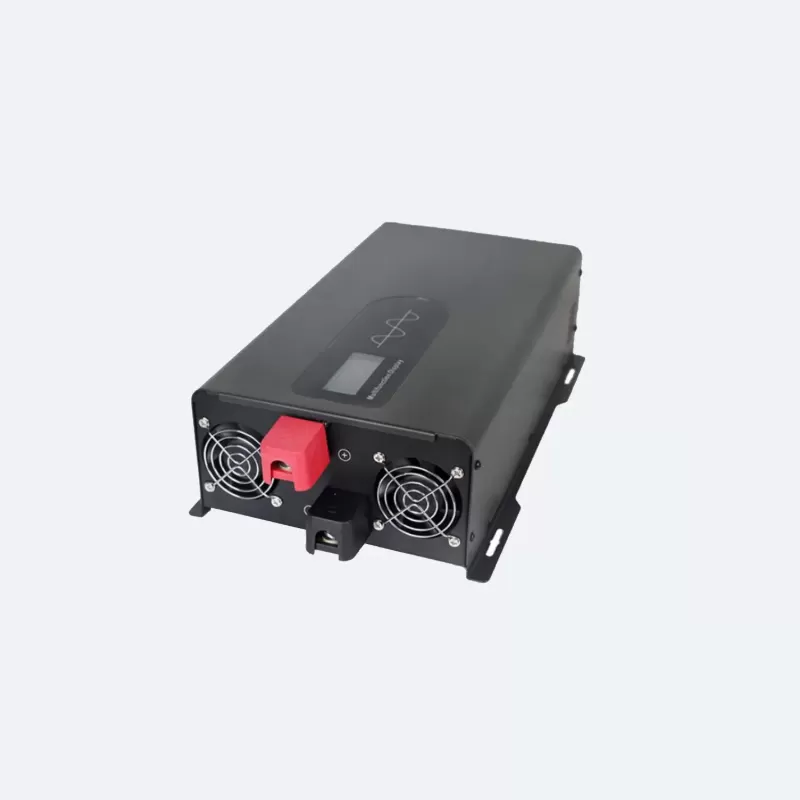
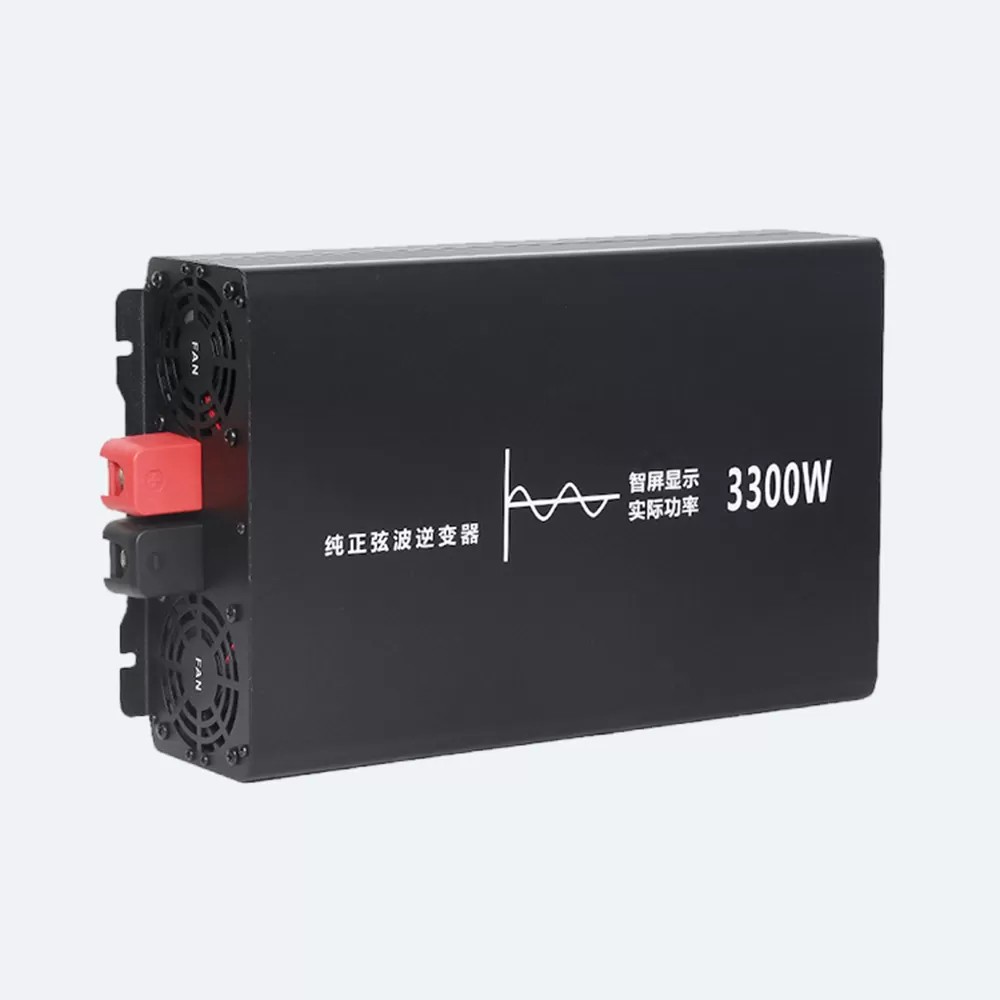
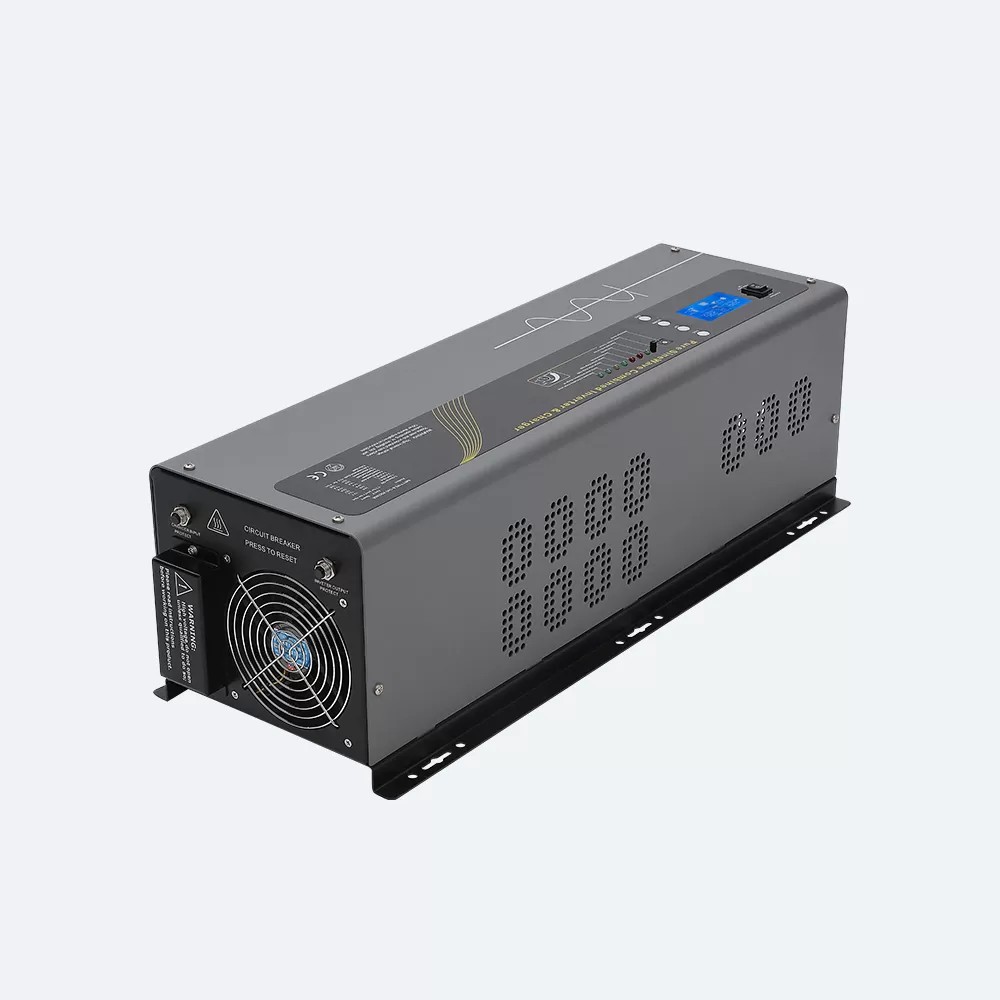
Low-frequency pure sine wave inverters are a cornerstone of reliable backup and off-grid power. By 2026, the technology has advanced significantly, offering enhanced stability, intelligence, and efficiency.
💡 What is a Low-Frequency Pure Sine Wave Inverter?
This type of inverter converts DC power (from batteries or solar) into clean AC power. The key characteristics are:
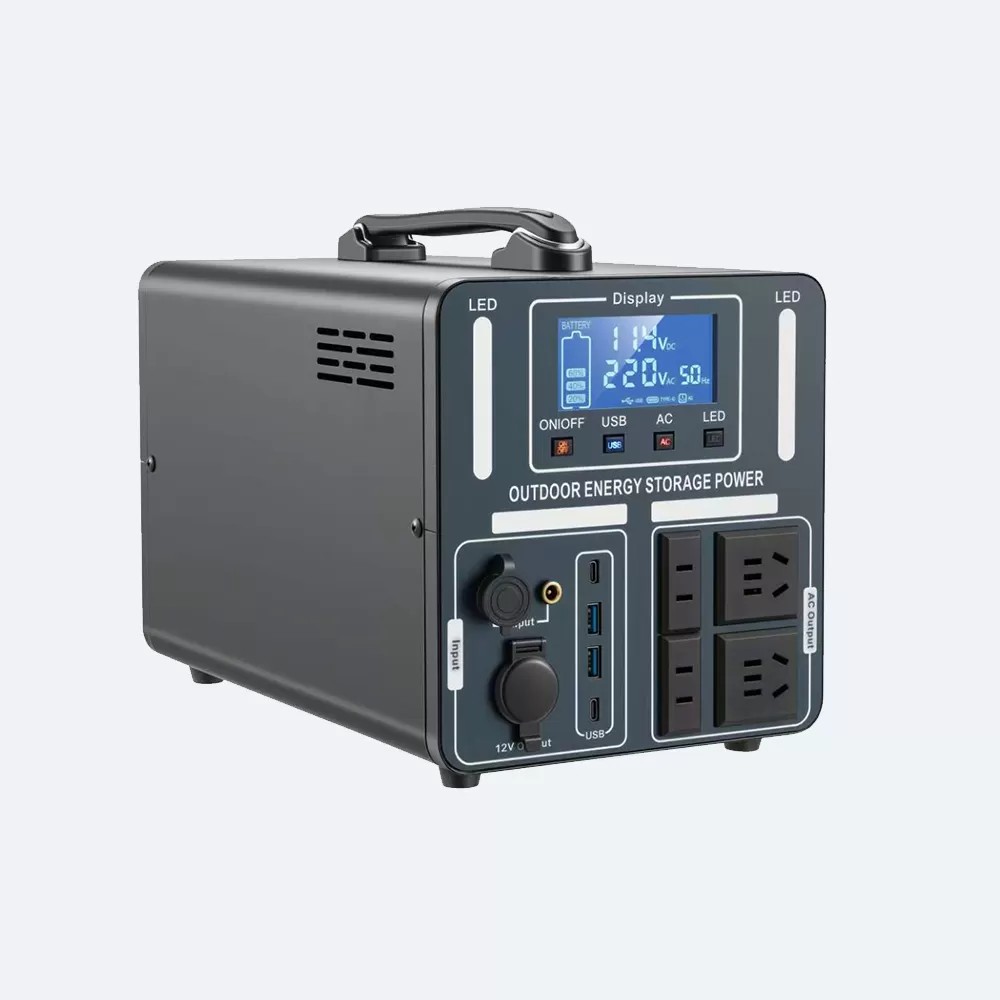
Pure Sine Wave Output: The output waveform is a smooth, clean sine wave, identical to utility power. This is superior to modified sine waves, which can cause noise, overheating, or failure in sensitive electronics.
🚀 2026 Leading-Edge Features
Modern low-frequency inverters are defined by several key technological advancements:
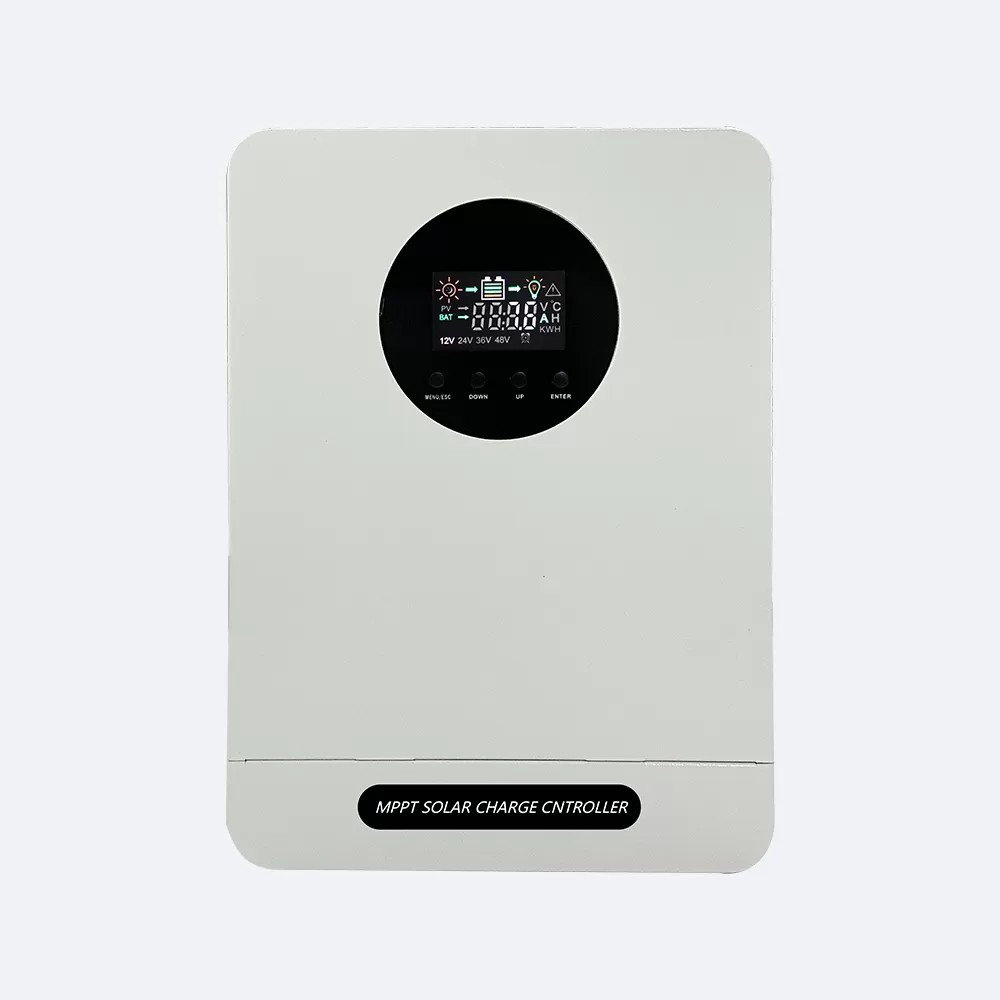
Hybrid Functionality: Many units now integrate a solar charge controller, battery charger, and AC transfer switch. This creates a true "all-in-one" energy hub for solar, storage, and grid power, simplifying installation and improving energy resilience.High Transfer Efficiency: Advanced designs achieve transfer efficiencies of 90–93% or higher, minimizing power loss during grid/battery switching.
Robust Surge & Load Handling: They can handle high surge loads, often 2-3 times their rated continuous power for short durations. This makes them ideal for starting motors, compressors, and power tools.
Comprehensive Digital Protection: Integrated protections are now standard, safeguarding against overload, short-circuit, over-temperature, over/under-voltage, and battery reverse polarity. This extends equipment life and enhances safety.
Advanced Battery Support & Management: Compatibility now extends to a wide range of chemistries, including SLA, AGM, GEL, and Li-ion/LiFePO₄. Many models feature multi-stage charging and adjustable current for optimal battery health.
Connectivity & Remote Management: Built-in Wi-Fi and compatibility with platforms like Tuya Smart or Smart Life allow for real-time monitoring, remote control, and system configuration via a smartphone app.
Rigorous Safety & Compliance: Products increasingly carry international certifications like CE and GB4943.1-2022, ensuring they meet stringent safety and electromagnetic compatibility (EMC) standards.
🎯 Ideal Use Cases
The robustness and clean power of low-frequency inverters make them the preferred choice for critical applications:
Sensitive & Medical Equipment: Safe operation of CPAP machines, medical monitors, and lab instruments without signal interference.
Industrial Tools & Motors: Dependable starting and running of power tools, compressors, and small machinery.
Mobile & Remote Applications: Essential for RVs, boats, and remote telecom sites where stable power and surge tolerance are crucial.
🔧 Key Selection Criteria
When choosing a 2026 low-frequency pure sine wave inverter, prioritize the following:
Waveform & Frequency: Must be pure sine wave and low-frequency (50/60 Hz) for maximum compatibility and reliability.Continuous & Surge Power: Ensure the continuous power rating meets your needs, and the surge rating is sufficient for motor or compressor startup.
Efficiency & Thermal Management: Look for transfer efficiencies of 90% or higher and features like intelligent fans or heatsinks for stable long-term operation.
Protection & Safety: Verify the unit has comprehensive protection circuits and relevant safety certifications (e.g., CE, UL, CCC).
Battery Compatibility & Charging: Confirm support for your specific battery chemistry and check for features like adjustable charging current and multi-stage charging.
Remote Monitoring & Control: Consider if you need Wi-Fi connectivity and app-based control for real-time status and configuration.