Dongguan Hongyi Electric Products Co., Ltd.



Discover the Magic of Low-Frequency Pure Sine Wave Inverters in 2026
In the ever-evolving world of renewable energy, one technology stands out for its reliability and efficiency: low-frequency pure sine wave inverters. These devices have become a cornerstone in both residential and commercial applications, providing clean and stable power. In this article, we will explore the benefits, real-world applications, and practical tips for choosing and using low-frequency pure sine wave inverters.
What Are Low-Frequency Pure Sine Wave Inverters?
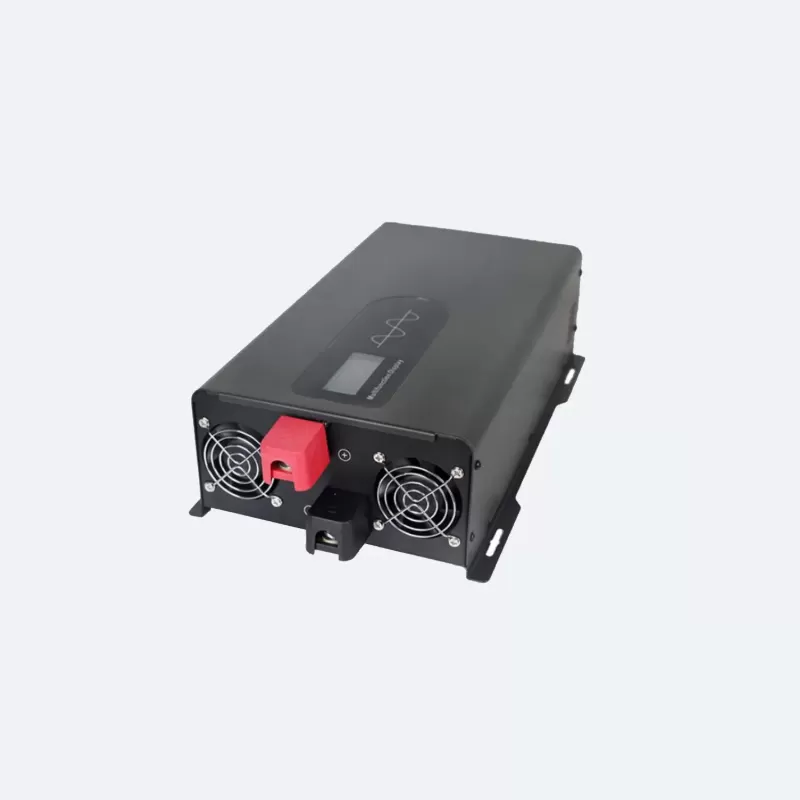
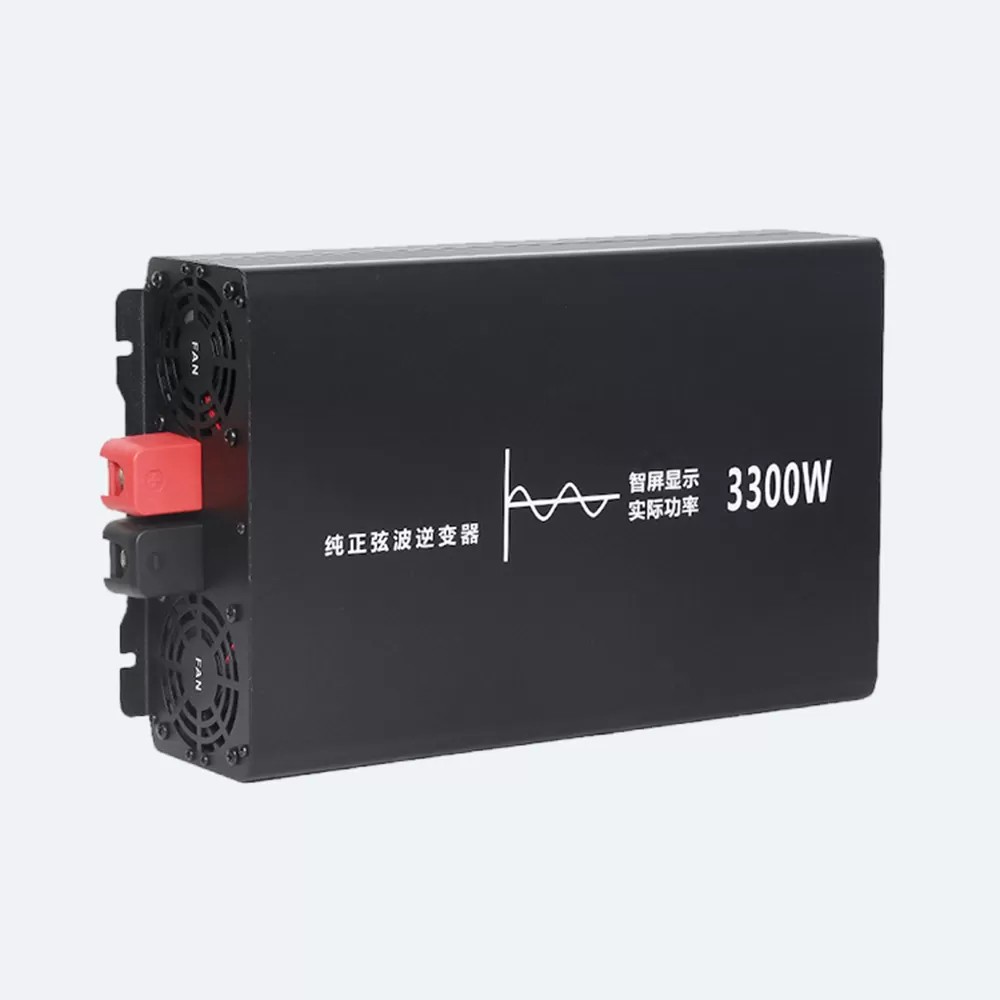
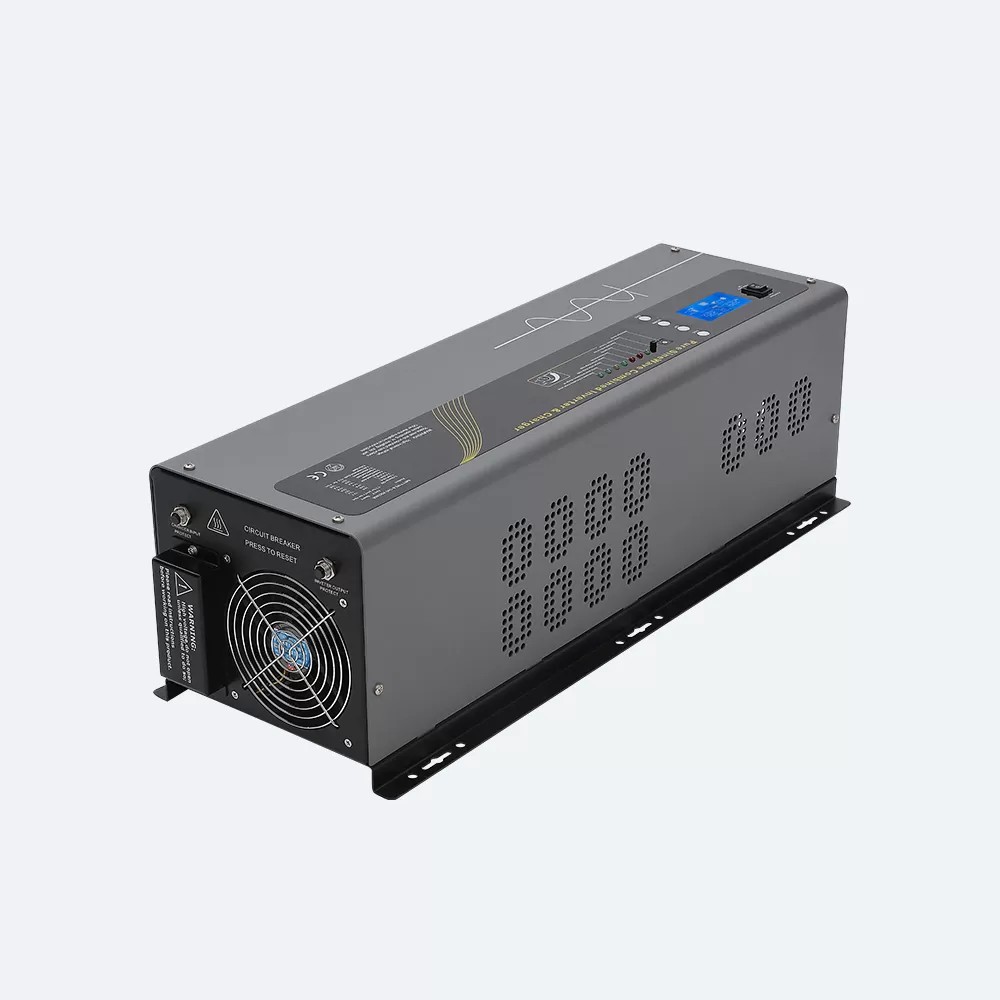
Low-frequency pure sine wave inverters are advanced devices that convert DC (Direct Current) power from batteries or solar panels into AC (Alternating Current) power. Unlike modified sine wave inverters, which produce a stepped, square-like waveform, pure sine wave inverters generate a smooth, sinusoidal waveform. This makes them ideal for sensitive electronics and high-efficiency appliances.
Key Features
Smooth Sinusoidal Output: Provides clean, reliable power.High Efficiency: Typically 90% or higher.
Durability: Built to last with robust components.
Quiet Operation: Minimal noise, making them suitable for indoor use.
Why Choose Low-Frequency Pure Sine Wave Inverters?
1. Superior Power Quality
Pure sine wave inverters provide a consistent and stable power supply, essential for sensitive electronic devices such as computers, medical equipment, and home theater systems. For example, a study by the National Renewable Energy Laboratory (NREL) found that pure sine wave inverters reduce harmonic distortion by up to 95%, ensuring optimal performance and longevity of connected devices.
Practical Tip: When selecting an inverter, ensure it has a total harmonic distortion (THD) of less than 3%. This ensures that your devices receive the cleanest possible power.
2. Enhanced Efficiency
Low-frequency pure sine wave inverters are known for their high efficiency, typically ranging from 90% to 95%. This means that more of the input power is converted into usable output power, reducing energy waste and lowering operational costs.
Case Study: A residential solar system in California, equipped with a 3kW low-frequency pure sine wave inverter, achieved an overall efficiency of 92%, resulting in significant savings on electricity bills.
Practical Tip: Look for inverters with a wide input voltage range and high surge capacity to handle peak loads without compromising efficiency.
3. Durability and Reliability
These inverters are built with high-quality components designed to withstand harsh conditions and provide long-term reliability. They often come with features like overload protection, short-circuit protection, and thermal shutdown, ensuring safe and continuous operation.
Real-World Example: A remote research station in Antarctica has been using low-frequency pure sine wave inverters for over a decade, with minimal maintenance required. The inverters have proven to be highly reliable even in extreme cold and high humidity environments.
Practical Tip: Invest in inverters from reputable manufacturers that offer comprehensive warranties and customer support. Regular maintenance, such as cleaning and checking connections, can further extend the lifespan of your inverter.
4. Quiet Operation
One of the key advantages of low-frequency pure sine wave inverters is their quiet operation. Unlike some high-frequency inverters, they do not produce a noticeable hum or buzz, making them ideal for indoor installations and residential settings.
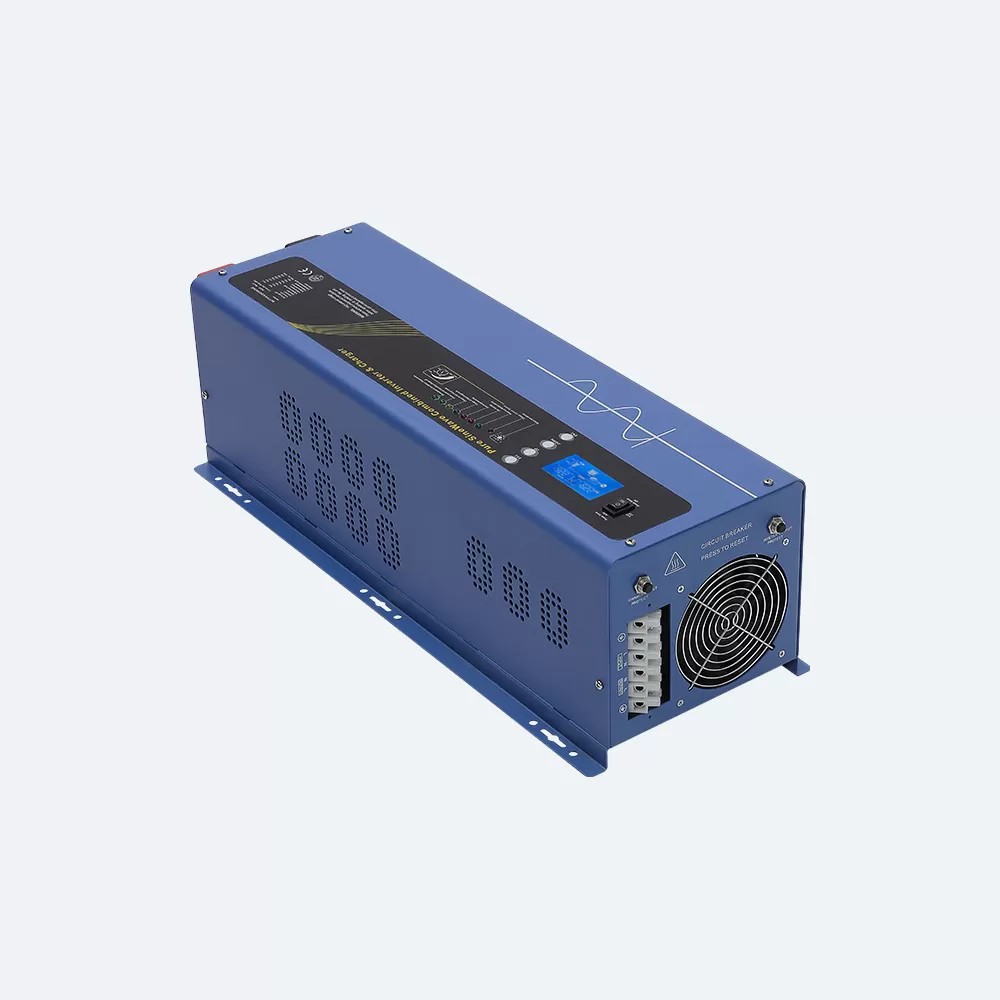
User Feedback: Many homeowners report that their low-frequency pure sine wave inverters are so quiet that they are barely noticeable, even when running at full capacity.
Practical Tip: Consider the location of the inverter during installation. Placing it in a well-ventilated area away from living spaces can help minimize any potential noise.
Real-World Applications
Residential Use
Low-frequency pure sine wave inverters are increasingly popular in residential settings, especially for off-grid and grid-tied solar systems. They provide a seamless transition between battery power and grid power, ensuring that critical loads are always powered.
Example: A family in Colorado installed a 5kW low-frequency pure sine wave inverter in their home. The system allows them to run all their household appliances, including a refrigerator, air conditioning, and home office equipment, without any issues.
Commercial and Industrial Use
In commercial and industrial settings, these inverters are used to power a wide range of equipment, from data centers to manufacturing plants. Their high efficiency and reliability make them a cost-effective solution for businesses looking to reduce energy costs and improve sustainability.
Case Study: A data center in Texas upgraded to low-frequency pure sine wave inverters, resulting in a 15% reduction in energy consumption and a 20% increase in uptime. The inverters' ability to handle large and fluctuating loads was a key factor in their success.
Emergency and Backup Power
Low-frequency pure sine wave inverters are also essential for emergency and backup power systems. They can be paired with battery banks to provide uninterrupted power during outages, ensuring that critical services remain operational.
Real-World Example: During a severe hurricane in Florida, a hospital relied on a 10kW low-frequency pure sine wave inverter to keep their life-support systems running. The inverter's reliability and durability ensured that patients received the care they needed, even in the face of a natural disaster.
Choosing the Right Low-Frequency Pure Sine Wave Inverter
1. Determine Your Power Needs
Start by calculating the total power requirements of your devices. Consider both the continuous load and the peak load, as this will help you choose an inverter with the appropriate capacity.
Practical Tip: Use an online calculator or consult with a professional to determine your power needs accurately.
2. Check Compatibility
Ensure that the inverter is compatible with your existing power sources, such as batteries or solar panels. It should also be compatible with the type of devices you plan to power.
Practical Tip: Read the manufacturer's specifications carefully and consult with a knowledgeable sales representative if you have any doubts.
3. Consider Additional Features
Look for inverters with additional features that can enhance their functionality and safety. Some common features include:
Remote Monitoring: Allows you to monitor the inverter's performance and status remotely.Multiple Outputs: Provides multiple AC outlets for different types of devices.
Built-in Charger: Can charge the battery bank when connected to the grid.
Practical Tip: Prioritize features that align with your specific needs and budget.
4. Evaluate the Brand and Warranty
Choose a reputable brand with a strong track record of quality and customer support. A good warranty can provide peace of mind and protect your investment.
Practical Tip: Read reviews and ask for recommendations from other users to get a sense of the brand's reputation.
Conclusion
Low-frequency pure sine wave inverters are a game-changer in the world of renewable energy. Their superior power quality, high efficiency, durability, and quiet operation make them an excellent choice for a wide range of applications. By following the practical tips outlined in this article, you can select and use the right inverter to meet your power needs and enjoy the many benefits of clean, reliable energy.
Whether you are a homeowner looking to go off-grid, a business owner seeking to reduce energy costs, or an organization in need of reliable backup power, low-frequency pure sine wave inverters are a smart and sustainable choice. Embrace the future of energy with confidence and discover the magic of these remarkable devices.