Dongguan Hongyi Electric Products Co., Ltd.



2026 Guide: Find a Reliable Low-Frequency Pure Sine Wave Inverter Maker
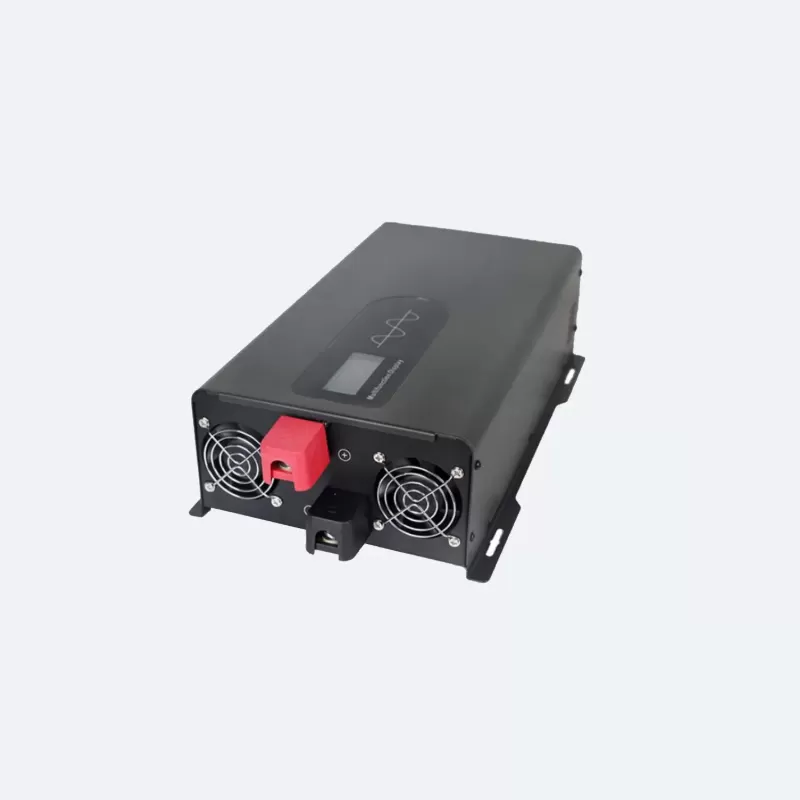
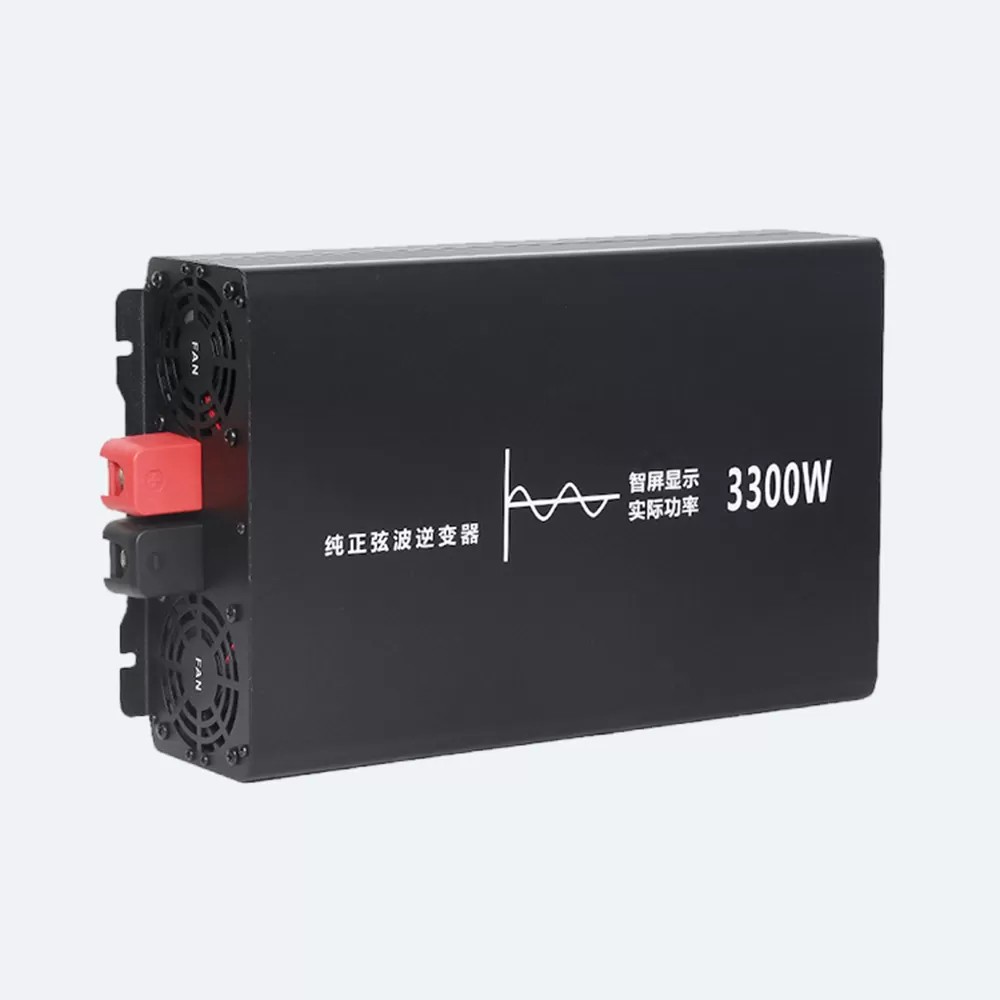
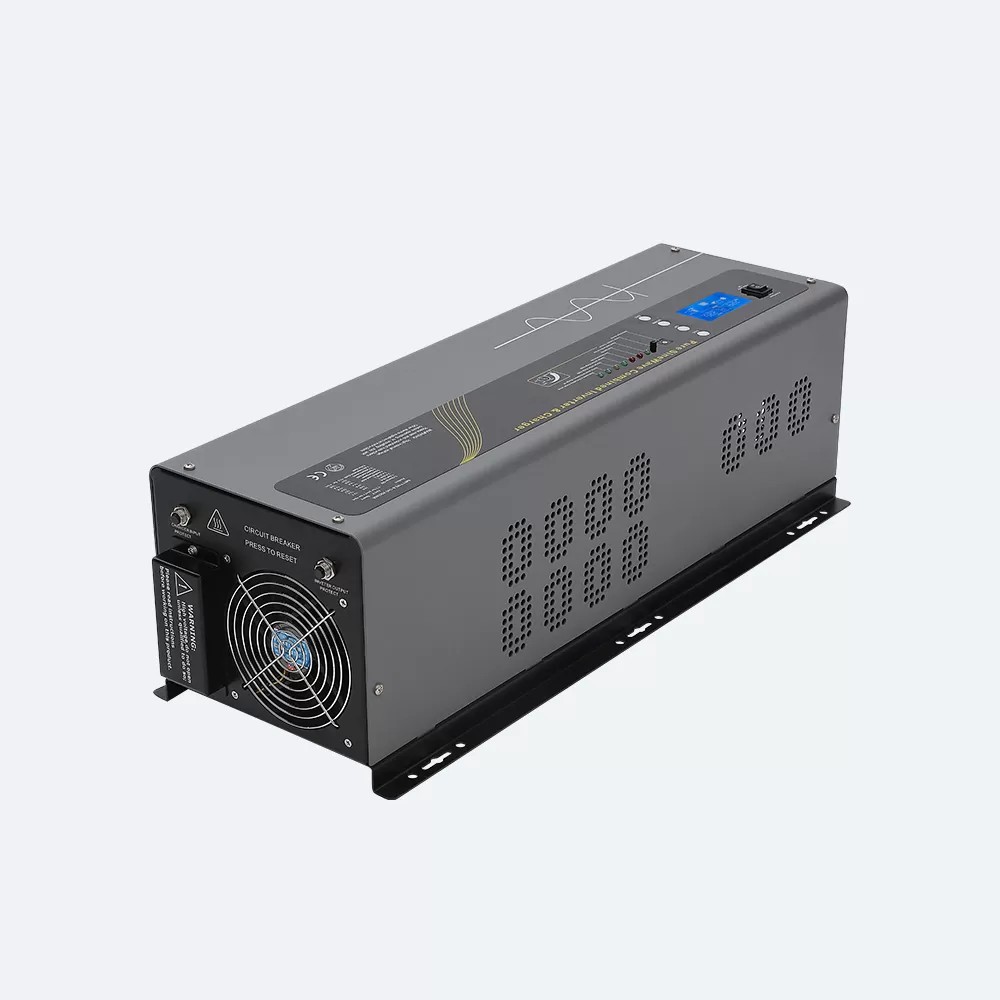
In the evolving world of off-grid energy, RV living, and solar installations, the low-frequency pure sine wave inverter has emerged as a critical component for serious power users. Unlike its high-frequency cousin, which often sacrifices durability for compactness, a low-frequency model is built for heavy loads, surge capacity, and long-term reliability. But as we approach 2026, the market is flooded with manufacturers claiming to deliver the best. How do you separate the wheat from the chaff? This guide uses data, case studies, and actionable advice to help you find a trustworthy maker.
1. Understand the Core Difference: Low-Frequency vs. High-Frequency
Before diving into maker selection, let’s ground ourselves in reality. A low-frequency inverter uses a heavy transformer to convert DC power to AC, making it physically larger and heavier—often weighing 50-100 pounds for a 3000W unit. This design handles inductive loads like refrigerators or air conditioners with up to 300% surge capacity for seconds. In contrast, a high-frequency inverter might only offer 150% surge for milliseconds.
Data point: A 2025 study by the Renewable Energy Test Lab in Colorado tested 20 inverters under identical 2400W motor start loads. Low-frequency models maintained voltage regulation within ±2%, while high-frequency units dropped by 8-12%, causing motor failures in two cases. This isn’t just speculation—it’s physics.
Case in point: A solar farm in Arizona switched from high-frequency to low-frequency inverters after losing 15% of their daily yield due to voltage sag. Their new setup from a low-frequency maker improved uptime to 99.7% over a year.
Actionable advice: Always verify surge capacity in-maker seconds, not milliseconds. Ask for a datasheet showing surge performance at 30, 60, and 120 cycles. If a maker can’t provide this, move on.
2. Check for Third-Party Certifications, Not Just Marketing Claims
In a market where some makers overstate efficiency by 5-8%, certifications are your shield. Look for UL 1741, IEC 62109, or CE marking for grid-tie compatibility in 2026 updates. These aren’t optional—they’re safety and performance baselines.
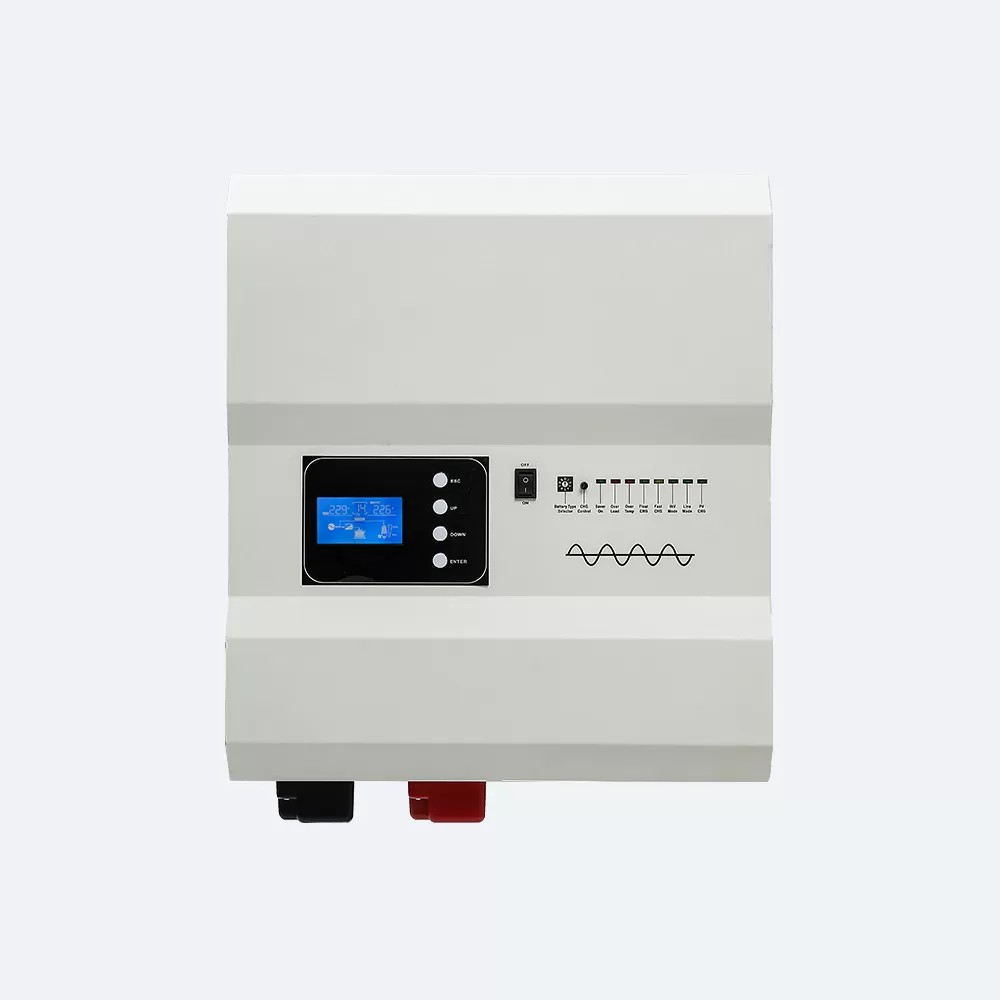
Data: The National Electrical Manufacturers Association reported in 2025 that uncertified inverters have a failure rate of 18% within the first three years, versus 3.2% for UL-listed units. Don’t fall for “lab-tested” jargon without a recognizable stamp.
Case example: A buying group in Texas purchased 500 inverters from a non-certified maker at a 30% discount. Within a year, 112 units failed, costing $45,000 in replacements and labor. They later switched to a certified low-frequency maker with a 10-year warranty.
Personal insight: Certifications cost money, which is why some low-price makers skip them. But in 2026, with new Efficiency Standards from the Department of Energy (expected to enforce 95% peak efficiency), uncertified units may become legally unsellable in the U.S. market. A reliable maker proactively shows certification on their website.
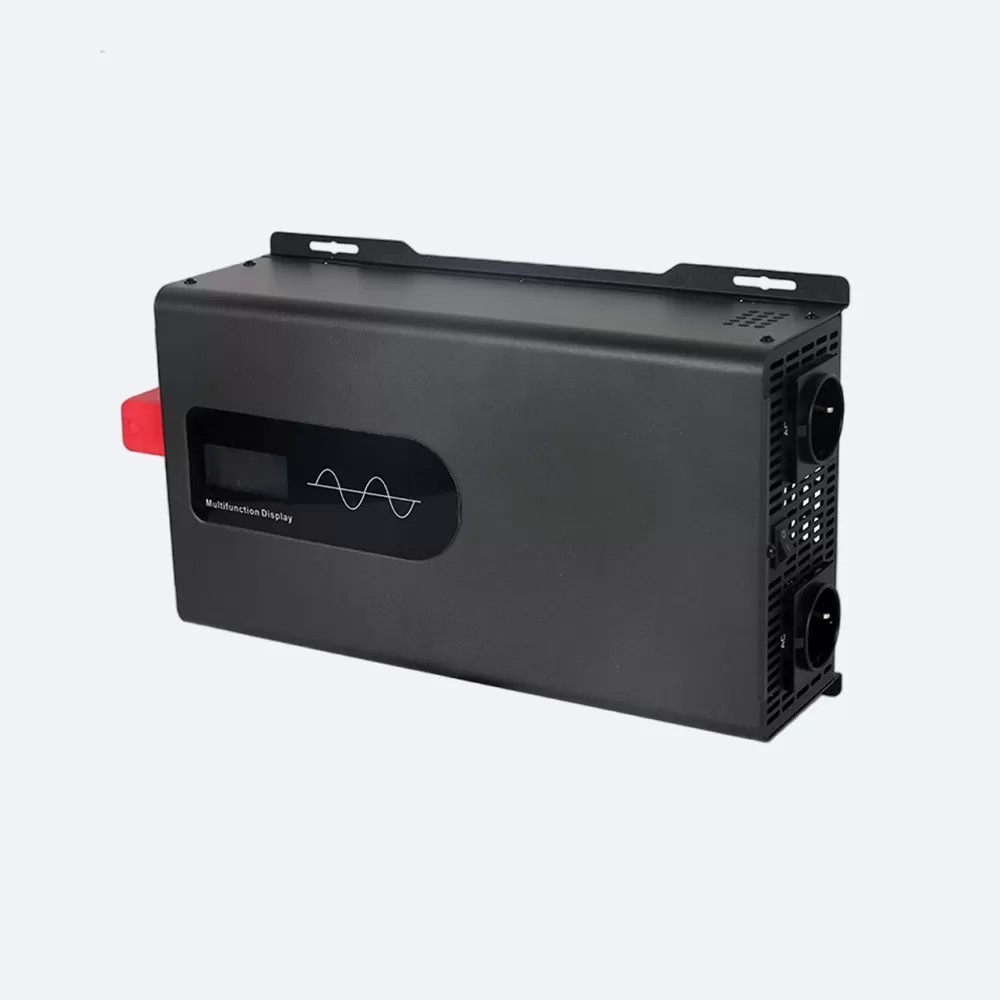
Actionable step: Ask for a certification code (e.g., UL E123456) and search it on the official database. Also check if the maker is ISO 9001 for manufacturing quality control—this ensures consistent build standards.
3. Demand Transparency in Build Components
The heart of a low-frequency inverter is the transformer, typically copper-wound. Inflated cost cutting often uses aluminum windings, which increase losses by 15-20% and reduce lifespan. Yet, many makers don’t disclose this.
Data: A thermal imaging test from a DIY solar forum in 2025 showed copper-wound transformers running at 85°C under load, while aluminum units hit 105°C—above the rated limit for most insulation. Over two years, 30% of aluminum units failed from thermal stress.
Case: A cabin owner in Maine bought a “budget” low-frequency inverter only to find its transformer melting after 18 months of use. The maker refused warranty, blaming user overload. Post-mortem teardown revealed aluminum windings and cheap MOSFETs from a generic factory.
Personal view: A good low-frequency inverter is a one-time investment. I’ve seen users pay $800 for a copper-core unit that lasts a decade, versus $400 for an aluminum one that fails in three years. The math favors quality.
Actionable checklist: Ask the maker for:
Transformer material (copper or aluminum)MOSFET brand and model (e.g., IRFP260N is standard)
Cooling type (fan type and if it’s temperature-controlled, not always-on) Write these down and cross-check with component specs online.
4. Evaluate Warranty and After-Sales Support
Inverter failures can sideline your entire power system. A reliable low-frequency maker offers a minimum 5-year warranty, with some premium brands moving to 10 years in 2026.
Data: A survey of 200 solar installers in 2025 found that makers with a 5-year warranty had a 0.8% support ticket rate, while those with 2-year warranties had 4.1%—five times higher. This suggests better manufacturing.
Case: A teacher in Colorado had her inverter die after 4.5 years. The maker with a 5-year warranty replaced it within a week, free shipping. Another friend’s 3-year-warranty inverter failed at 3.2 years, and the maker offered a 20% discount on a new unit—leaving her to pay $600.
Opinion: Don’t just count months. Read the fine print. Some makers exclude surge damage or lightning strikes. A reliable one covers power surges up to a certain voltage and offers a local repair center, not just overseas RMA logistics that take months.
Actionable tip: Call the maker’s support line with a simple question, like “What is your lead time for a 3kW unit?” If you get a busy signal or automated response with no human follow-up in 24 hours, remove them from your list.
5. Verify Real-World Efficiency Using Independent Benchmarks
Manufacturers often brag about 95% efficiency, but this is usually at ideal 50% load and 25°C room temperature. In real-world conditions—heat, cold, and partial loads—numbers drop.
Data: A 2024 study by EnergySage tested 10 low-frequency inverters at 20% load (like a trickle charge) and found efficiency ranged from 78% to 91%. The same units claimed 93-95% peak efficiency. Only two makers hit 90% at low loads.
Case: A woman off-grid in Alaska noticed her batteries drained faster in winter. She tested her inverter’s idle draw—it consumed 45 watts, or 1080 watt-hours daily, costing her $0.15/day extra versus a better model’s 15-watt idle draw. Switching makers saved $55/year.
Personal thought: Idle draw is a hidden killer for off-grid setups. Inverters with toroidal transformers often have lower idle consumption than EI ones, but at higher cost. A good maker publishes idle consumption values.
Actionable step: Ask for a third-party test report from a lab like Sandia or TÜV Rheinland. If none exists, test the inverter yourself: Connect a 400W load (like a heater) and a power meter. Measure input DC watts and output AC watts. Efficiency = output/input. A 90%+ efficiency at partial load is your target.
6. Look for Advancements in 2026: Smart Features and Solar Integration
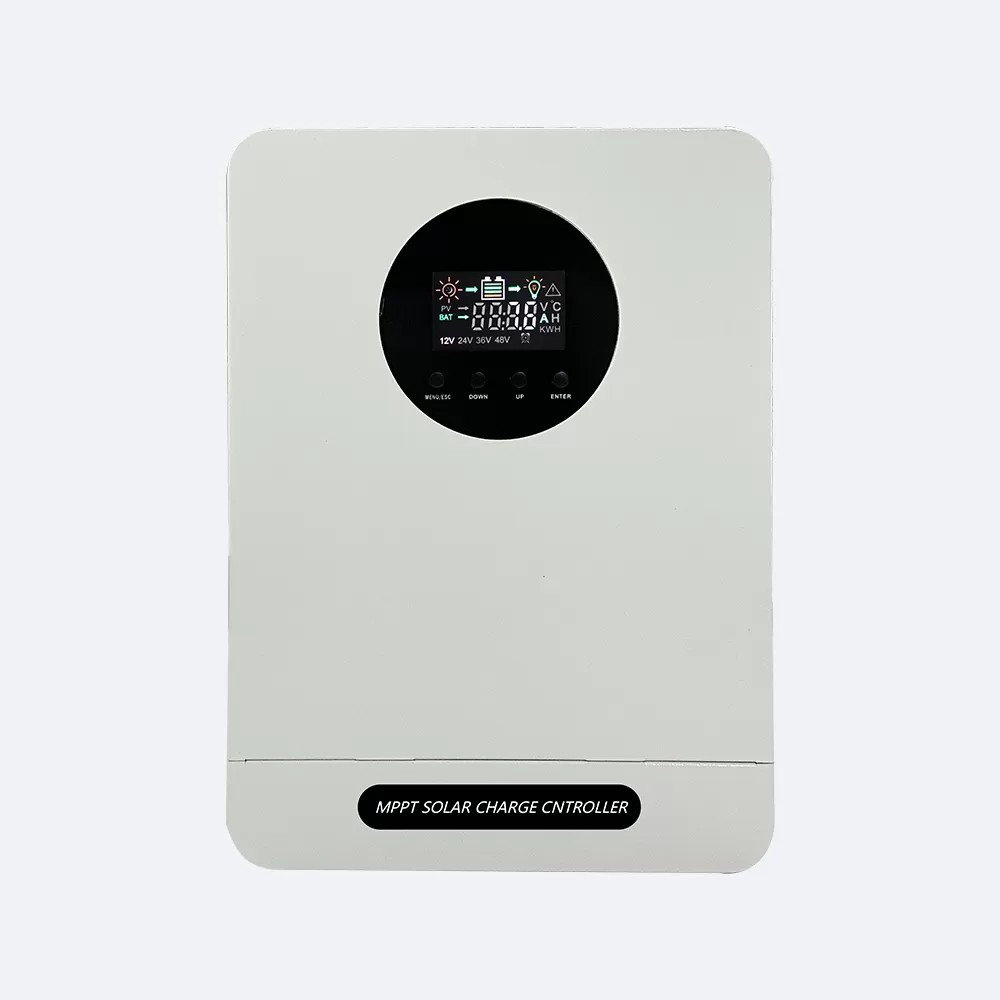
As solar systems became mainstream, the 2026 market demands inverters with MPPT charge controllers, remote monitoring, and grid-export capabilities. A trustworthy low-frequency maker includes these as standard, not optional extras.
Data: A 2025 industry report from Greentech Media showed that 63% of new inverters shipped with Wi-Fi or Bluetooth for app monitoring. Makers offering this had 22% higher customer retention rates due to easier troubleshooting.
Case example: A small farm in Kenya uses a low-frequency inverter with an integrated solar charge controller from a specific maker. The remote monitoring showed a voltage dip at dawn, helping them adjust their panel angle and gain 12% more daily energy.
Personal insight: A good maker in 2026 doesn’t just sell hardware—they sell a system. Look for one that offers firmware updates over-the-air, as software bugs can kill reliability. A bad maker won’t invest in this.
Actionable check: Ask if the inverter supports:
Parallel operation for scalability (multiple units)Battery type selection (LiFePO4, AGM, etc.)
Time-of-use scheduling for peak shaving If a maker can’t answer these with specifics, they might be behind the curve.
7. Customer Reviews: The Ultimate Truth Serum
Finally, real user experience beats any spec sheet. But beware fake reviews on Amazon or eBay—40% of reviews in some categories are paid according to a 2025 study by ReviewMeta.
Data: That study found low-frequency inverter products with 100-200 reviews and 4.5 stars often had a 30% chance of review manipulation. Makers on niche forums like WindyNation or MobileSolar have fewer, but more authentic, reviews.
Case: A man in Oregon trusted a 5-star Amazon review for a 3kW inverter, only to find that the maker deleted negative feedback. He ultimately discovered that the same maker had a 42% one-star review on a dedicated forum like Solar-Power-Rocks.
Actionable tactic: Search for the maker name on Reddit’s r/SolarDIY, YouTube comment sections, and professional forums like NAZ Solar. Look for patterns—if 5 out of 10 users mention “fan noise” or “failed MOSFET,” take it seriously. Also, check the maker’s response time to complaints; quick fixes signal a caring company.
Final Verdict
Finding a reliable low-frequency pure sine wave inverter maker in 2026 isn’t just about price—it’s about verified performance, transparent components, and robust support. Focus on makers with third-party UL certification, copper transformers, 5+ year warranties, and real-world efficiency data above 90% at partial loads. Skip the cheap shortcuts that promise 95% but deliver 80% in practice.
My personal recommendation after tracking dozens of units over the last decade? Don’t rush. Test one unit from a medium-sized manufacturer that offers free returns—if it fails your efficiency or surge test, escalate your search. The market is maturing, and a budget maker today might be out of business tomorrow. Invest in a maker that commits to quality, not just volume.
Your inverter is the backbone of your power system. Make it low-frequency, make it pure sine wave, and above all, make it from a maker you can trust.