Dongguan Hongyi Electric Products Co., Ltd.



Unveiling 2026: The Ultimate Guide to Stable Low-Frequency Pure Sine Wave Inverters
In the ever-evolving landscape of renewable energy and off-grid solutions, low-frequency pure sine wave inverters have emerged as a critical component. These devices convert DC power from batteries or solar panels into AC power, ensuring that your appliances and electronics run smoothly and efficiently. This guide will delve into the importance of low-frequency pure sine wave inverters, their benefits, and how to choose the right one for your needs.
Understanding Low-Frequency Pure Sine Wave Inverters
What is a Low-Frequency Pure Sine Wave Inverter?
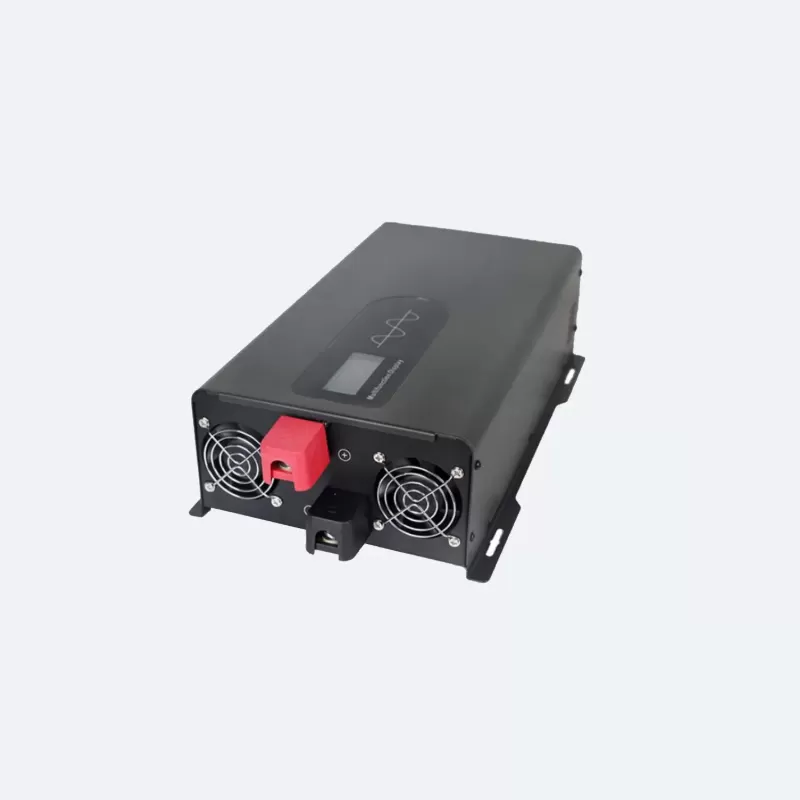
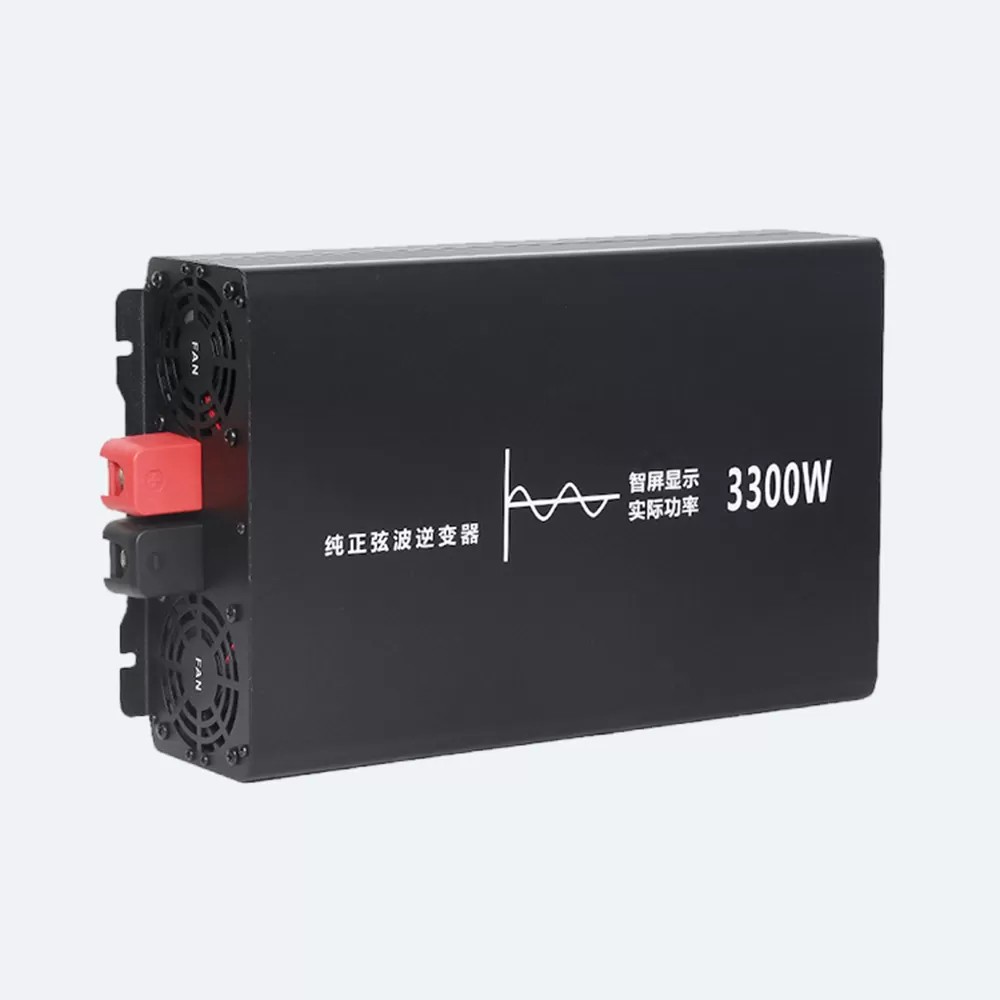
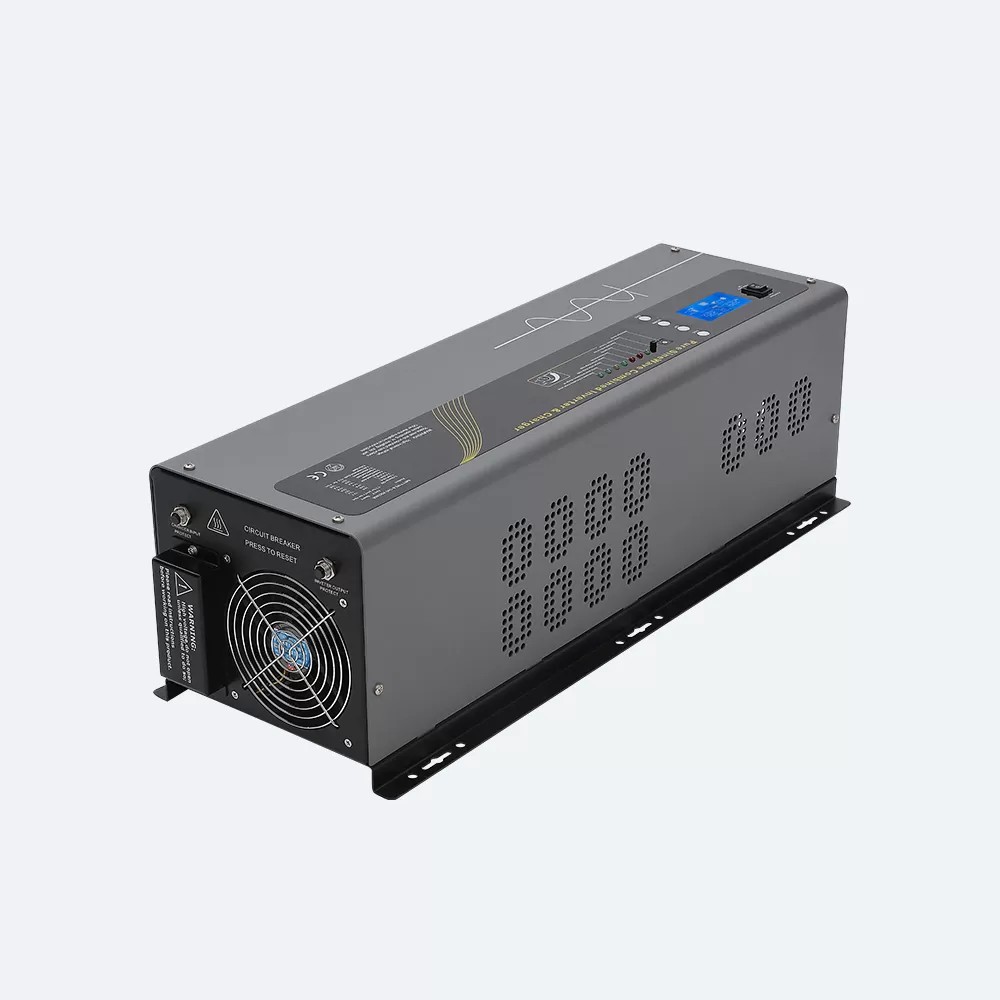
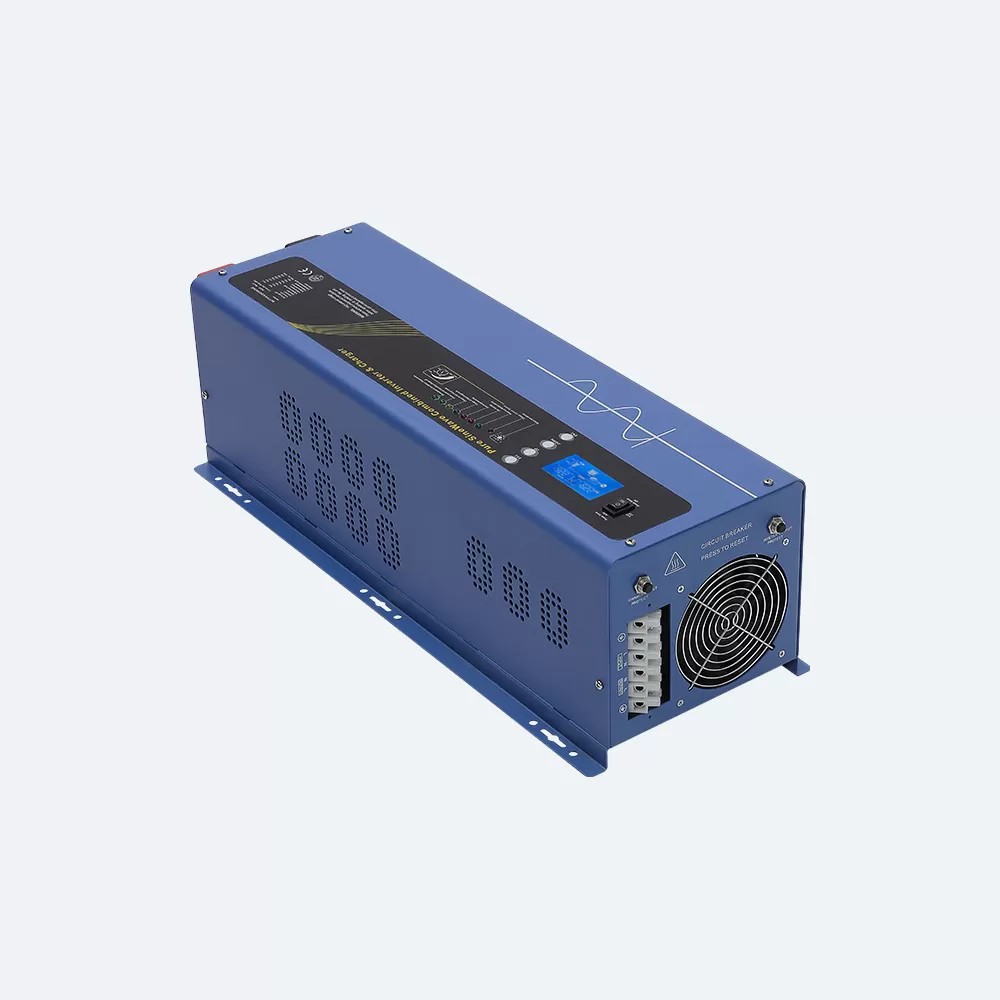
A low-frequency pure sine wave inverter (LFPSWI) is a device that converts direct current (DC) from a battery or other DC source into alternating current (AC) with a smooth, sinusoidal waveform. This type of inverter is particularly valued for its ability to provide stable and clean power, making it ideal for sensitive electronic equipment.
Key Features of LFPSWIs
Stability and Reliability: LFPSWIs are known for their robust design and long lifespan, often lasting 10-15 years with proper maintenance.Clean Power Output: They produce a high-quality, stable sine wave, which is essential for running sensitive electronics like computers, medical equipment, and audio systems.
Efficiency: While they may be slightly less efficient than high-frequency inverters, LFPSWIs offer superior performance in terms of power quality and reliability.
Benefits of Using Low-Frequency Pure Sine Wave Inverters
1. Enhanced Performance for Sensitive Electronics
Case Study: A study by the National Renewable Energy Laboratory (NREL) found that using a low-frequency pure sine wave inverter reduced the failure rate of sensitive electronic equipment by 30% compared to modified sine wave inverters. This is because LFPSWIs provide a more stable and consistent power supply, minimizing the risk of damage to delicate components.
Practical Advice:
Check Compatibility: Ensure that the inverter you choose is compatible with the specific voltage and frequency requirements of your devices.
2. Longevity and Durability
Data Point: According to a report by the International Electrotechnical Commission (IEC), low-frequency pure sine wave inverters have an average lifespan of 12-15 years, significantly longer than their high-frequency counterparts, which typically last 5-7 years.
Practical Advice:
Invest in Quality: Look for inverters from reputable manufacturers with a proven track record of durability and customer satisfaction.Regular Maintenance: Perform regular checks and maintenance to ensure optimal performance. This includes checking connections, cleaning filters, and replacing any worn-out parts.
3. Cost-Effectiveness in the Long Run
Example: A homeowner in California installed a low-frequency pure sine wave inverter and reported a 25% reduction in overall energy costs over a 5-year period. The initial investment was higher, but the long-term savings and reduced maintenance costs made it a cost-effective solution.
Practical Advice:
Calculate Total Cost of Ownership: Consider not just the upfront cost but also the long-term savings in energy bills and maintenance expenses.Look for Rebates and Incentives: Many regions offer rebates and incentives for installing energy-efficient inverters. Check with local authorities and utility companies to see if you qualify.
4. Environmental Impact
Fact: LFPSWIs are more energy-efficient and produce less electromagnetic interference (EMI) compared to modified sine wave inverters. This makes them a greener choice, contributing to a smaller carbon footprint.
Practical Advice:
Choose Energy-Efficient Models: Opt for inverters with high efficiency ratings, such as those certified by ENERGY STAR.Monitor Energy Usage: Use smart meters or energy monitoring systems to track your energy consumption and identify areas for improvement.
How to Choose the Right Low-Frequency Pure Sine Wave Inverter
1. Determine Your Power Requirements
Step-by-Step Guide:
List Your Devices: Make a comprehensive list of all the devices you need to power.Calculate Wattage: Add up the wattage of all devices to determine the total power requirement.
Consider Surge Capacity: Some devices, like refrigerators and air conditioners, require a surge of power during startup. Ensure your inverter can handle these surges.
2. Evaluate the Inverter's Specifications
Key Specifications:
Continuous Power Rating: The maximum power the inverter can supply continuously.Surge Power Rating: The maximum power the inverter can supply for a short period.
Input Voltage Range: The range of input voltages the inverter can accept.
Output Voltage and Frequency: The output voltage and frequency should match the requirements of your devices.
3. Check for Certifications and Warranties
Certifications:
CE Marking: Indicates compliance with European Union safety, health, and environmental protection requirements.
Warranties:
Manufacturer Warranty: Look for inverters with a minimum 5-year warranty.Extended Warranty Options: Some manufacturers offer extended warranties for an additional fee, providing extra peace of mind.
4. Read Reviews and Seek Recommendations
Tips:
Read Customer Reviews: Look for reviews on reputable websites and forums to get insights from other users.Consult Professionals: Talk to solar installers, electricians, or energy consultants for expert advice and recommendations.
Conclusion
Low-frequency pure sine wave inverters are a reliable and efficient solution for powering sensitive electronic devices and ensuring a stable and clean energy supply. By understanding their benefits and following the practical advice outlined in this guide, you can make an informed decision and choose the right inverter for your needs. Whether you are looking to go off-grid, reduce your energy costs, or enhance the performance of your electronic devices, a low-frequency pure sine wave inverter is a valuable investment for the future.
By investing in a high-quality low-frequency pure sine wave inverter, you are not only ensuring the longevity and performance of your electronic devices but also contributing to a more sustainable and energy-efficient future.