Dongguan Hongyi Electric Products Co., Ltd.



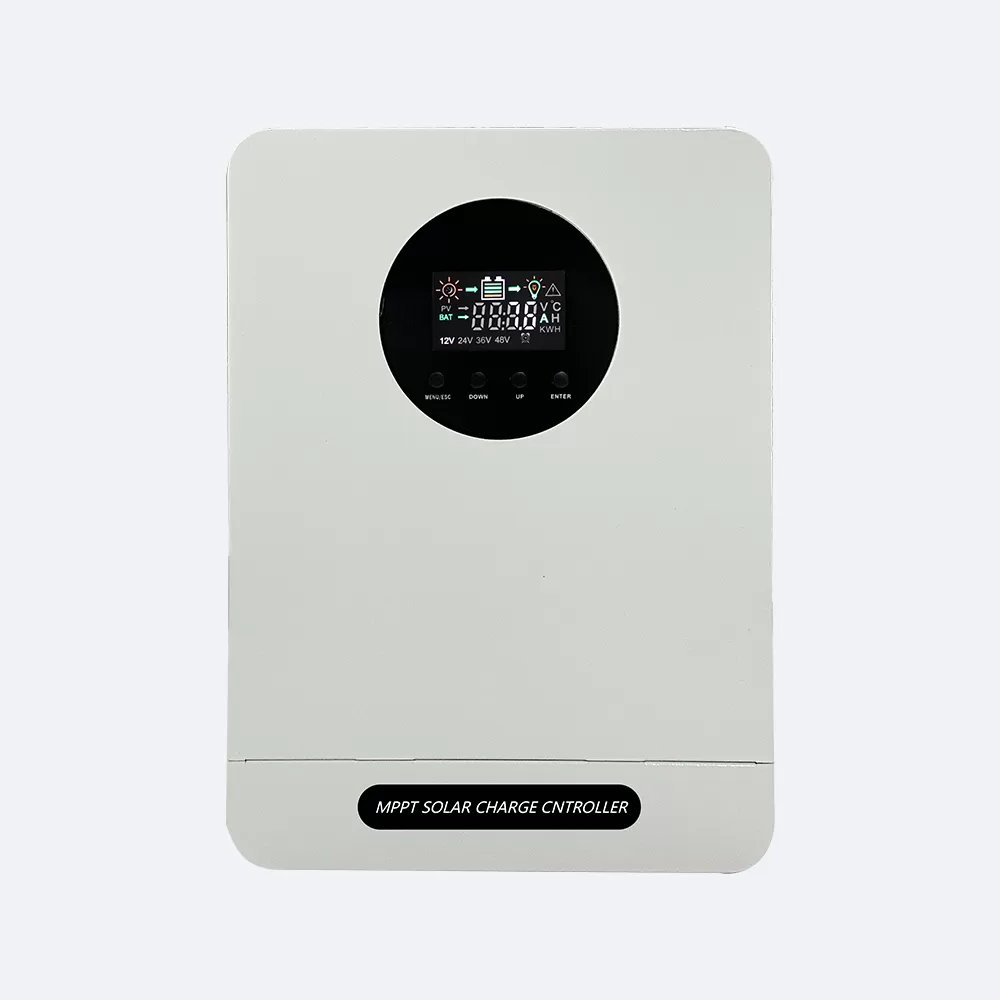
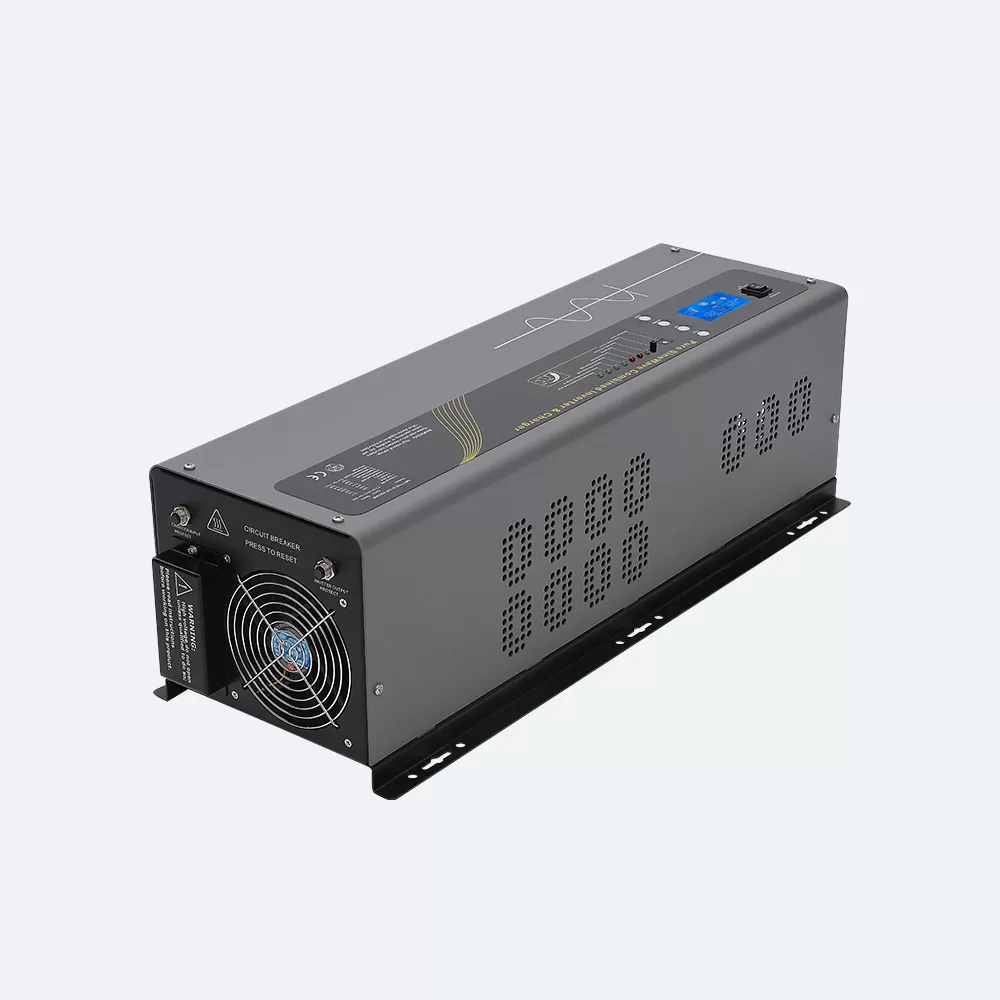
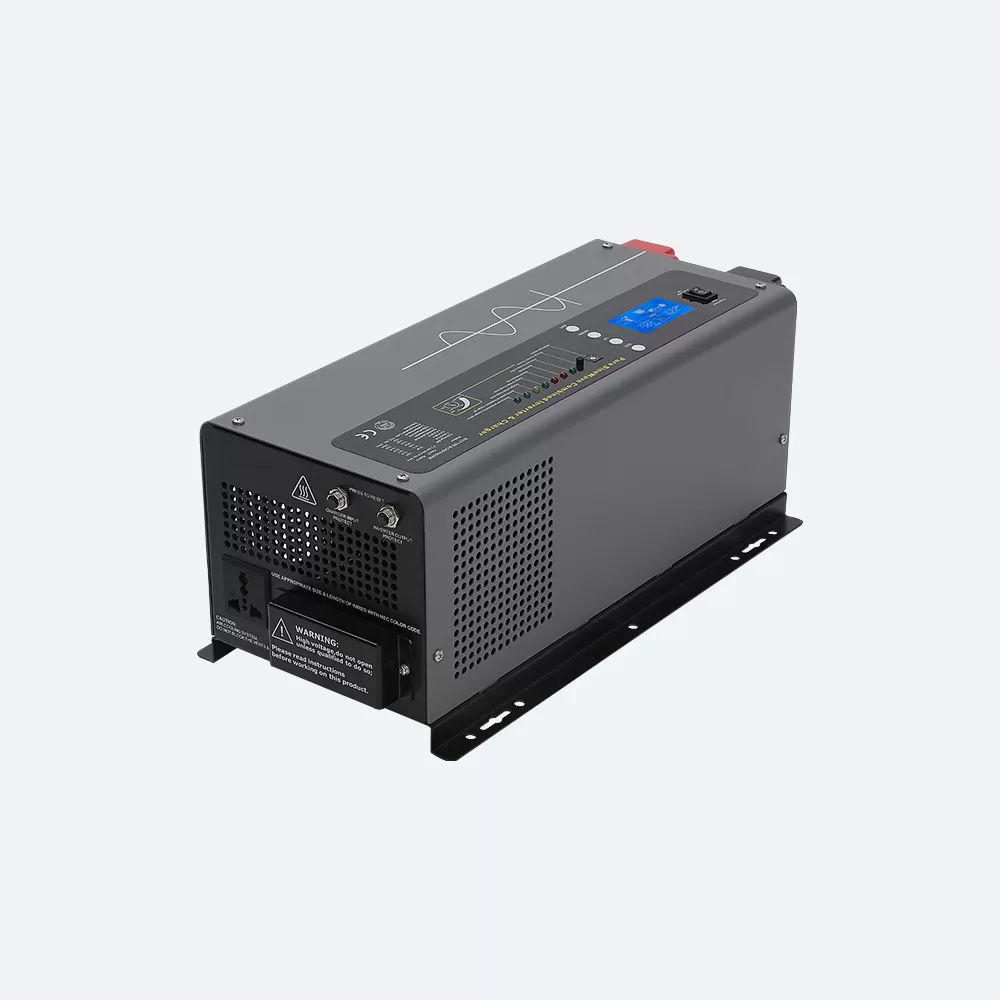
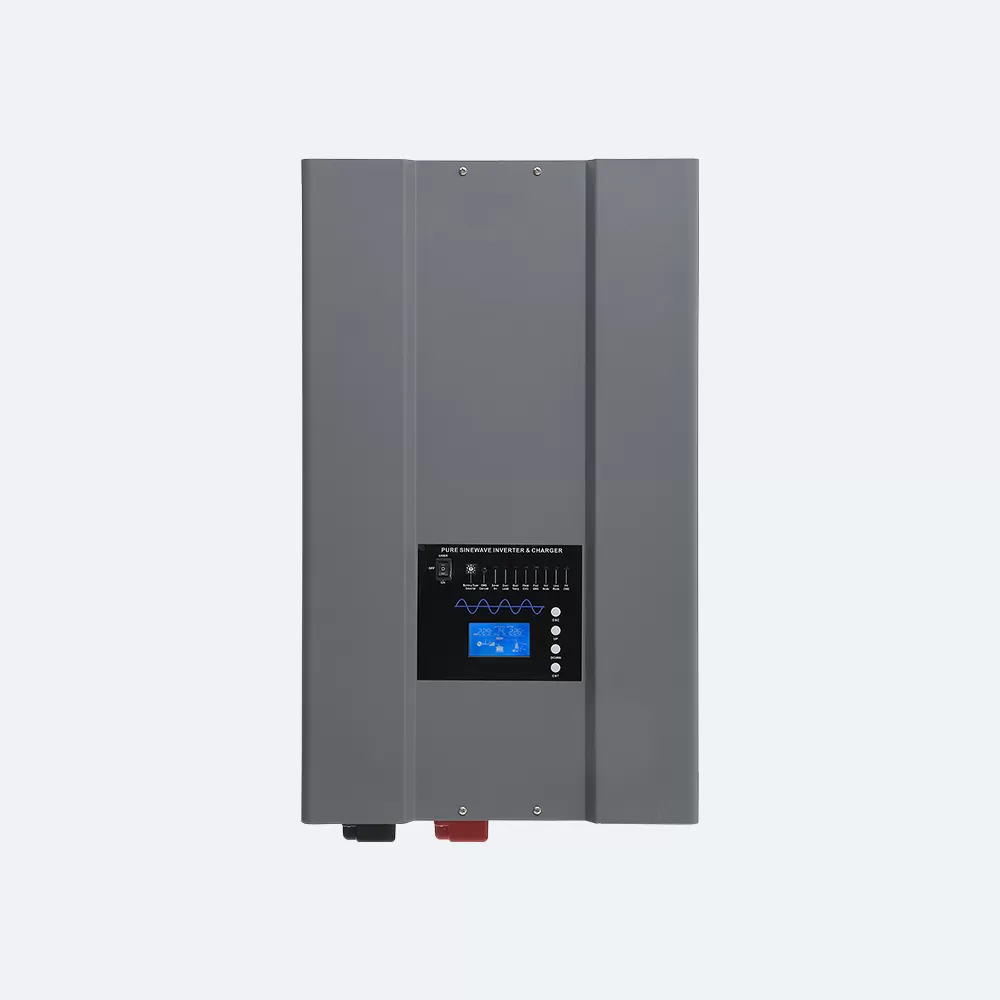
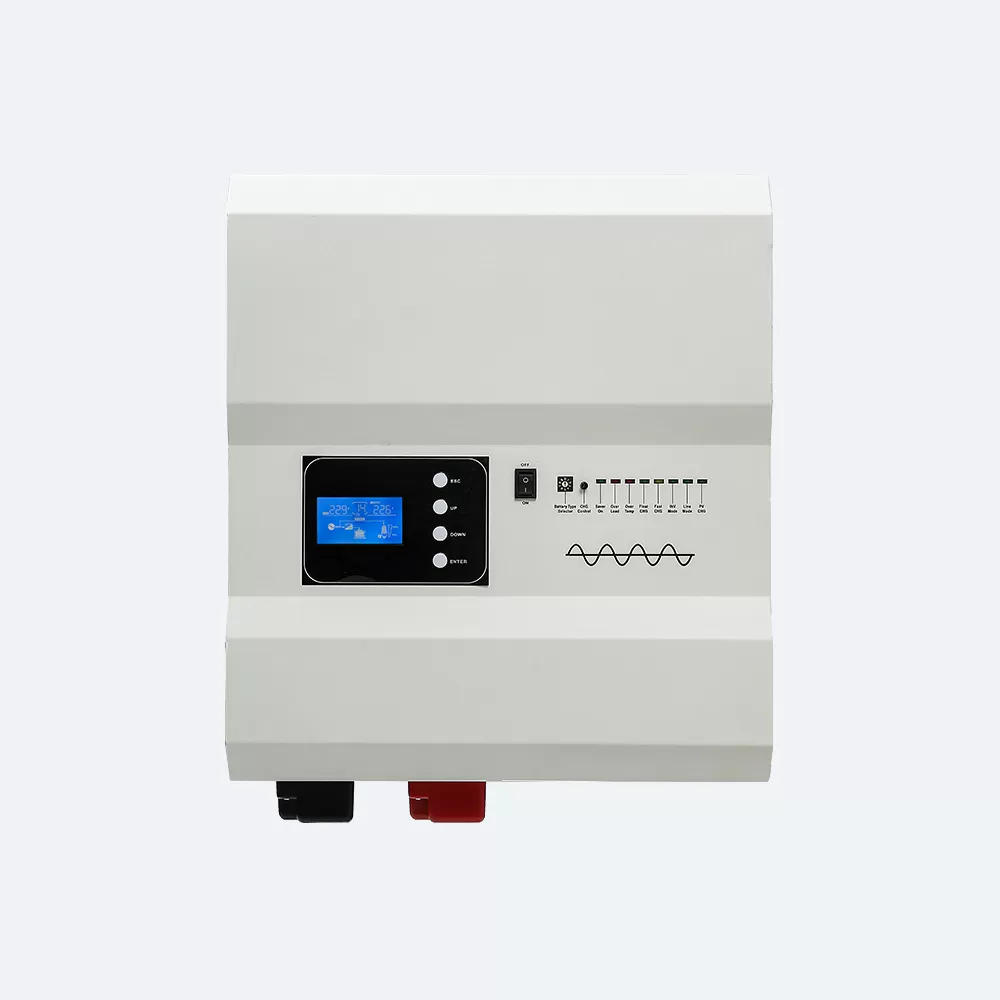
High-frequency MPPT solar charge controller
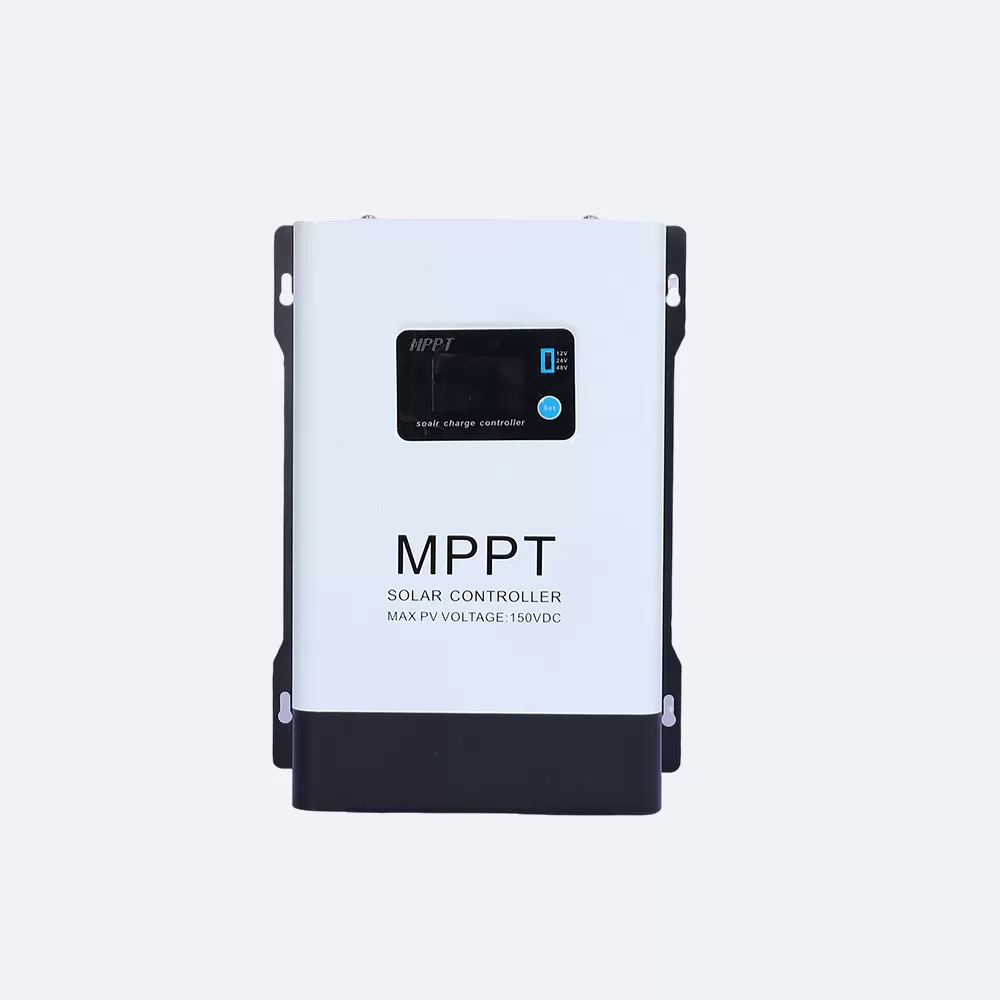
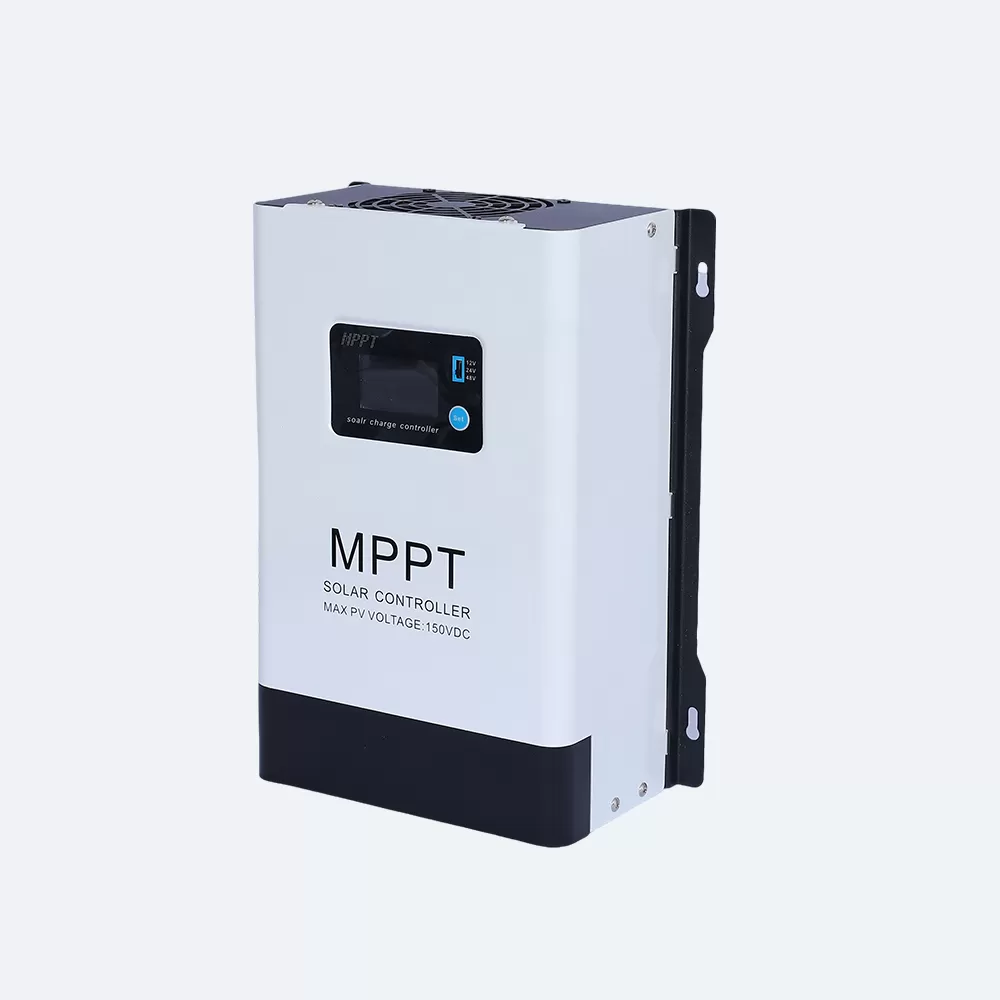
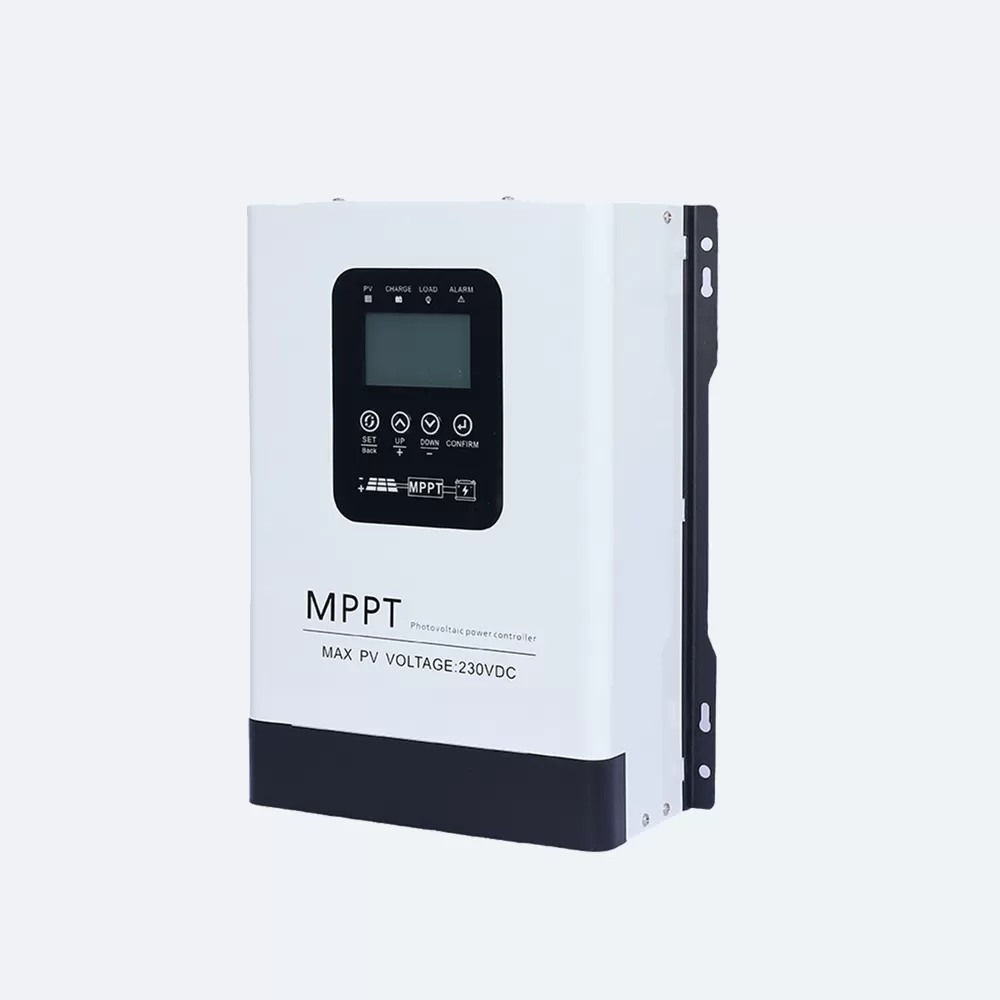
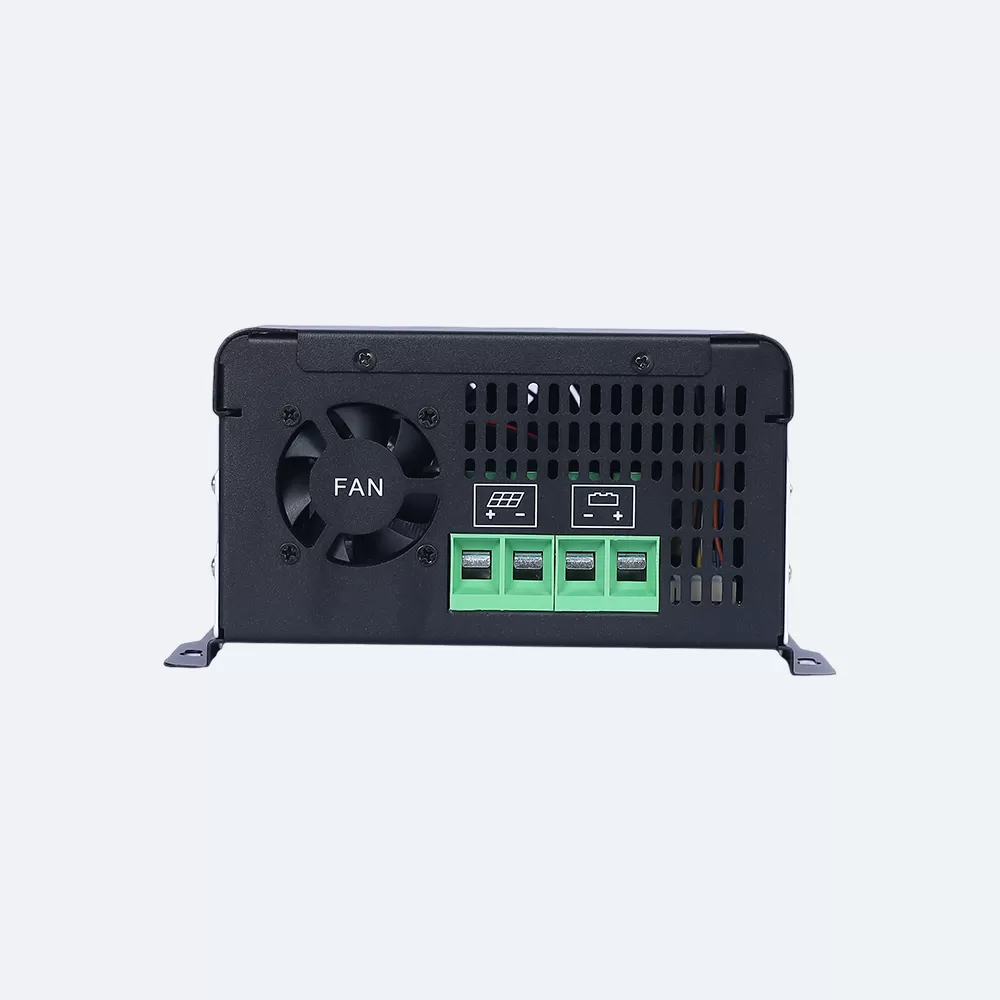
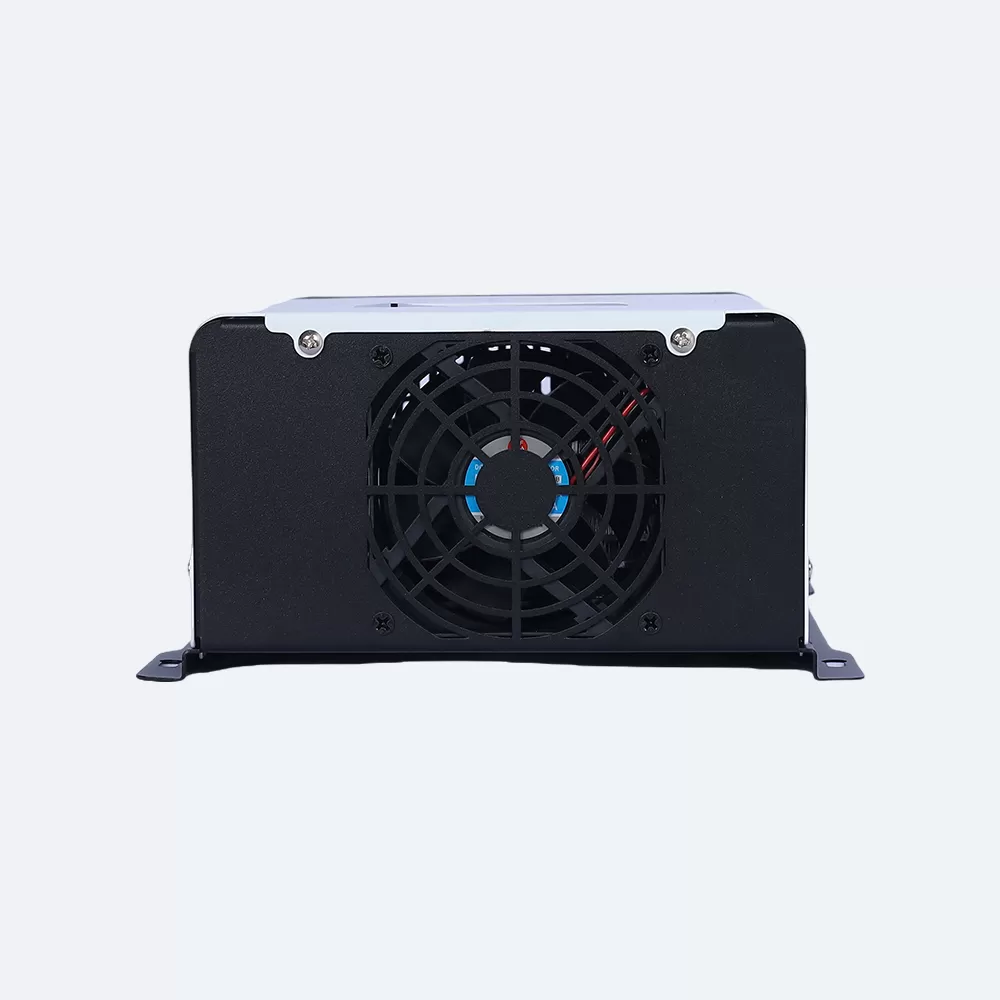
MPPT Solar Controller(White)
Description
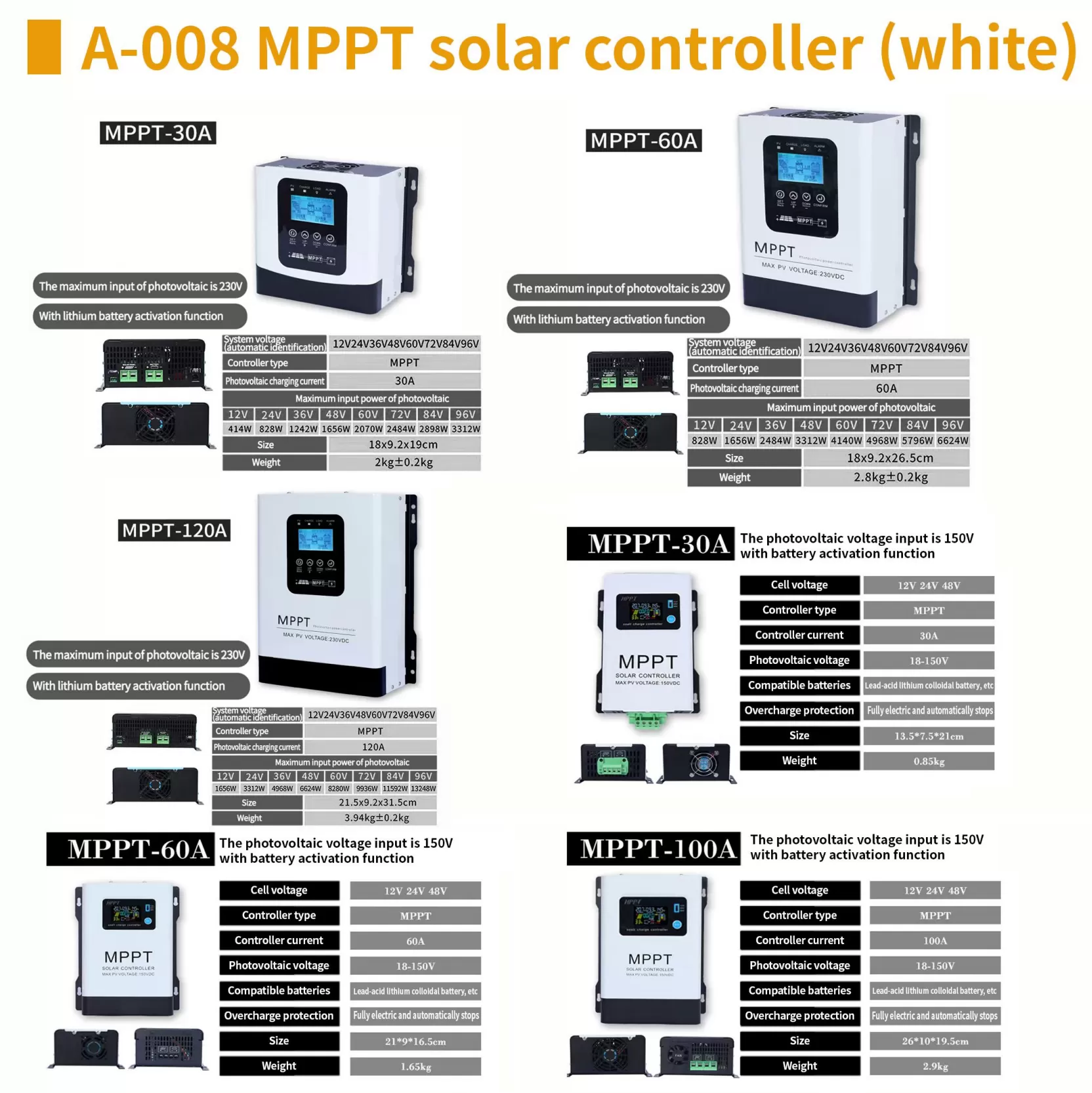
| Parameter Name | 30A / 40A | 50A / 60A | 100A / 120A |
| MPPT Model | 30A / 40A | 50A / 60A | 100A / 120A |
| Charging Mode | MPPT Automatic Maximum Power Point Tracking | ||
| Charging Method | MPPT Tracking, Fast Charge, Equalizing Charge, Float Charge | ||
| Battery Type (Lead-acid) | 12V/24V/36V/48V/96V Auto + Adjustable (12V-96V) | ||
| Battery Type (Gel) | 12V / 24V / 36V / 48V / 60V / 72V / 84V / 96V | ||
| Battery Type (LiFePO4) | Nominal $3.2V imes$ series (adjustable from 2 to 45 series) | ||
| Battery Type (Li-ion) | Nominal 3.7V imes series (adjustable from 2 to 45 series) | ||
| Battery Type (User-defined) | Equalizing, Float, DC Discharge Limit (Adjustable: 8V - 170V) | ||
| Lithium Activation | PV input triggers charging voltage (activates lithium battery) | ||
| Max PV Input Voltage | 0V – 230V | ||
| Adjustable Charge Current | 0 – 30A / 0 – 40A | 0 – 50A / 0 – 60A | 0 – 100A / 0 – 120A |
| Start Charging Condition | PV Voltage > Battery Voltage + 3V (allows low current charging in rain) | ||
| DC Load Output Function | Continuous 25A | Continuous 60A | Continuous 100A |
| Temp. Compensation | Auto-adjustment of voltage/current based on battery temp | ||
| Display (LCD) | Touch keys; shows Power, PV/Battery Voltage, Current, Status | ||
| Communication | 8-pin RS485 Interface (for status monitoring and settings) | ||
| Working Temperature | -20°C to 40°C | ||
| IP Protection Rating | IP21 | ||
| Max Altitude | 0 – 3000m | ||
| Product Dimensions | 202 x 215 x 100 mm | 218 x 265 x 100 mm | 218 x 265 x 100 mm |
Product features:
1. It comes with a battery activation function.
2. Manually adjust the output voltage in three stages, or intelligently adjust the output voltage from 12-96V.
3. Supports more than 4 types of batteries (gel batteries, lithium iron phosphate, lithium batteries, etc.)
4. Supports WiFi plug-ins and allows users to view the machine's operating status through an app.
5. Equipped with a large screen display, it can generate electricity even on rainy days.
FAQs
How to Choose the Right MPPT Controller Size?
What is the Correct Wiring Order?
Why is My Controller Not Charging?
What is Temperature Compensation?
What is an MPPT Solar Charge Controller?
REQUEST A QUOTE
RELATED PRODUCTS