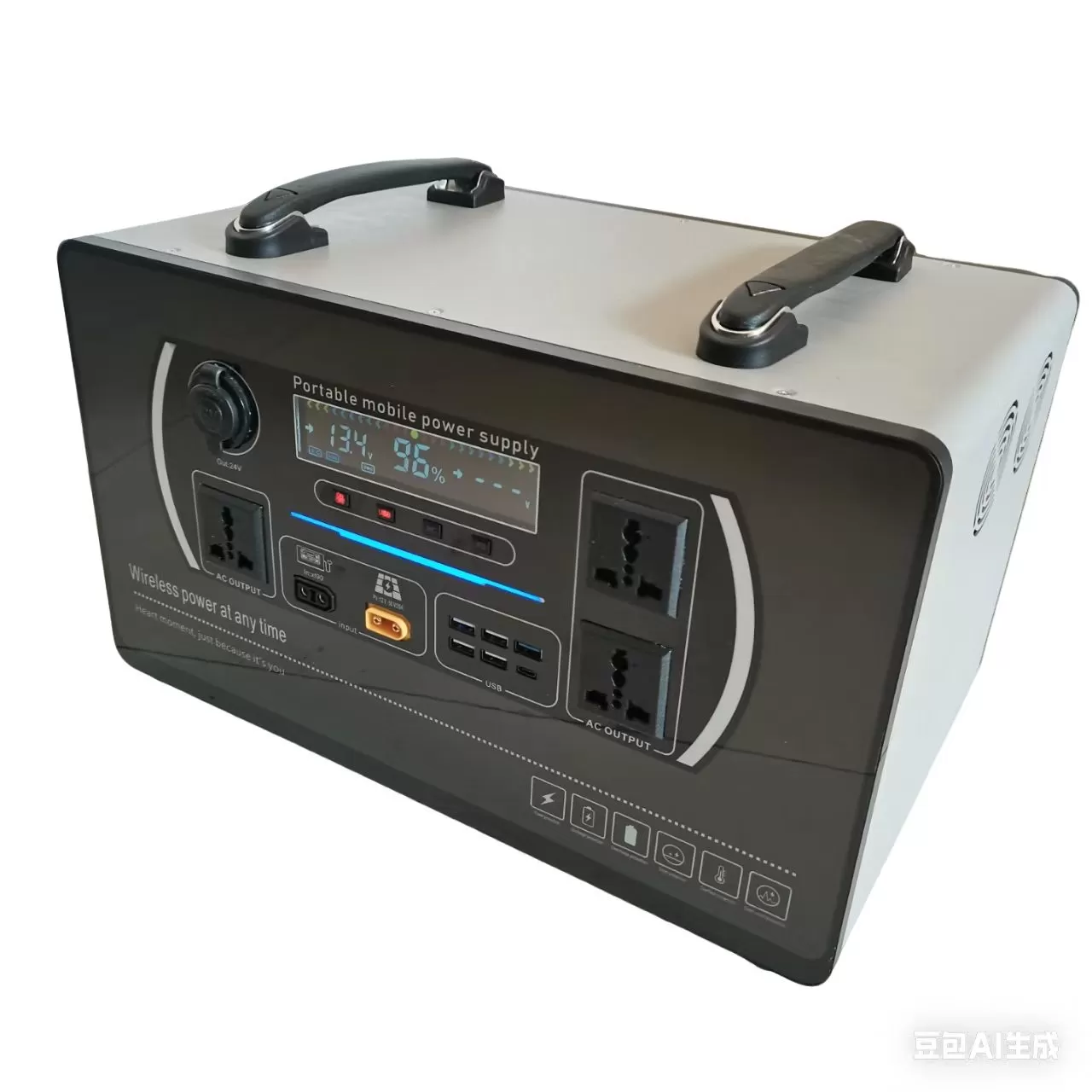
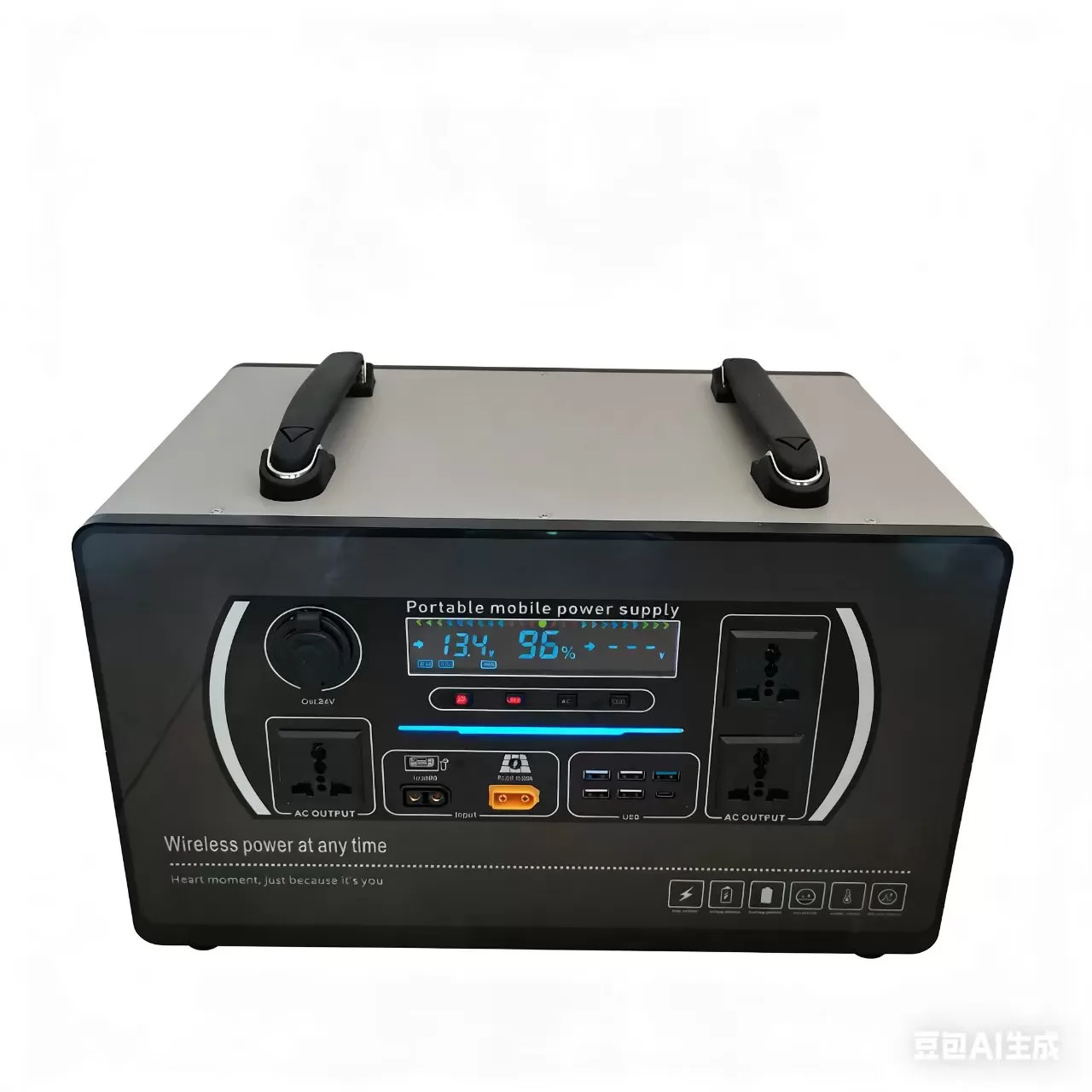
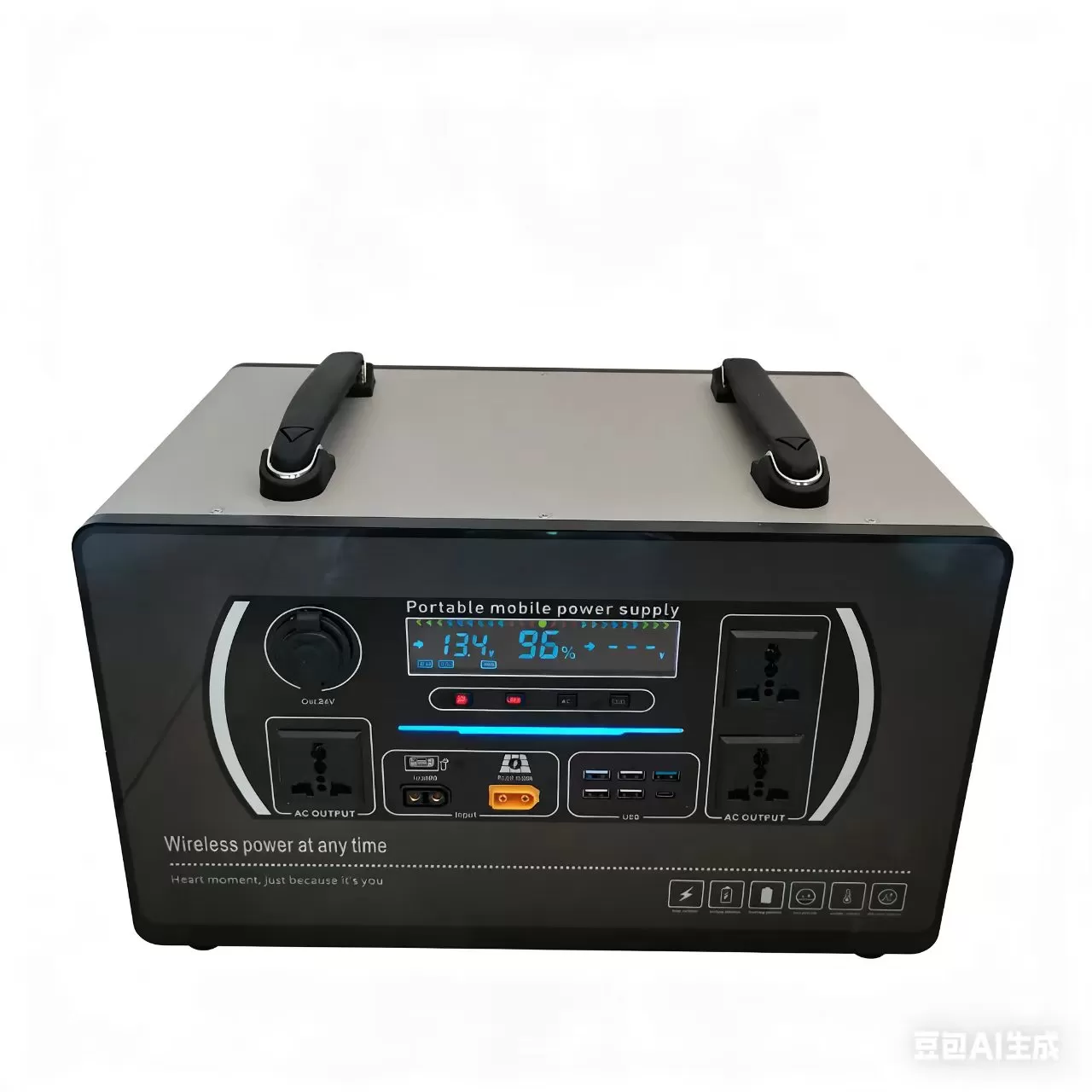
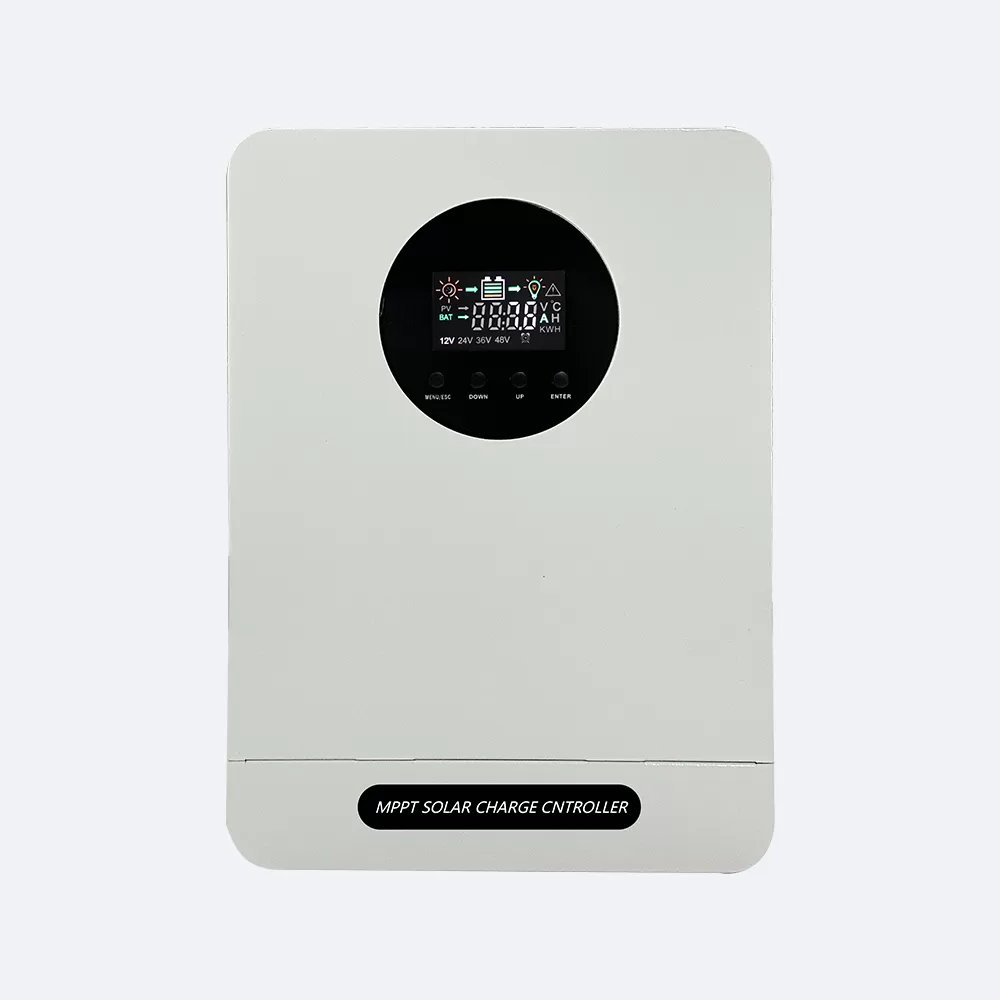
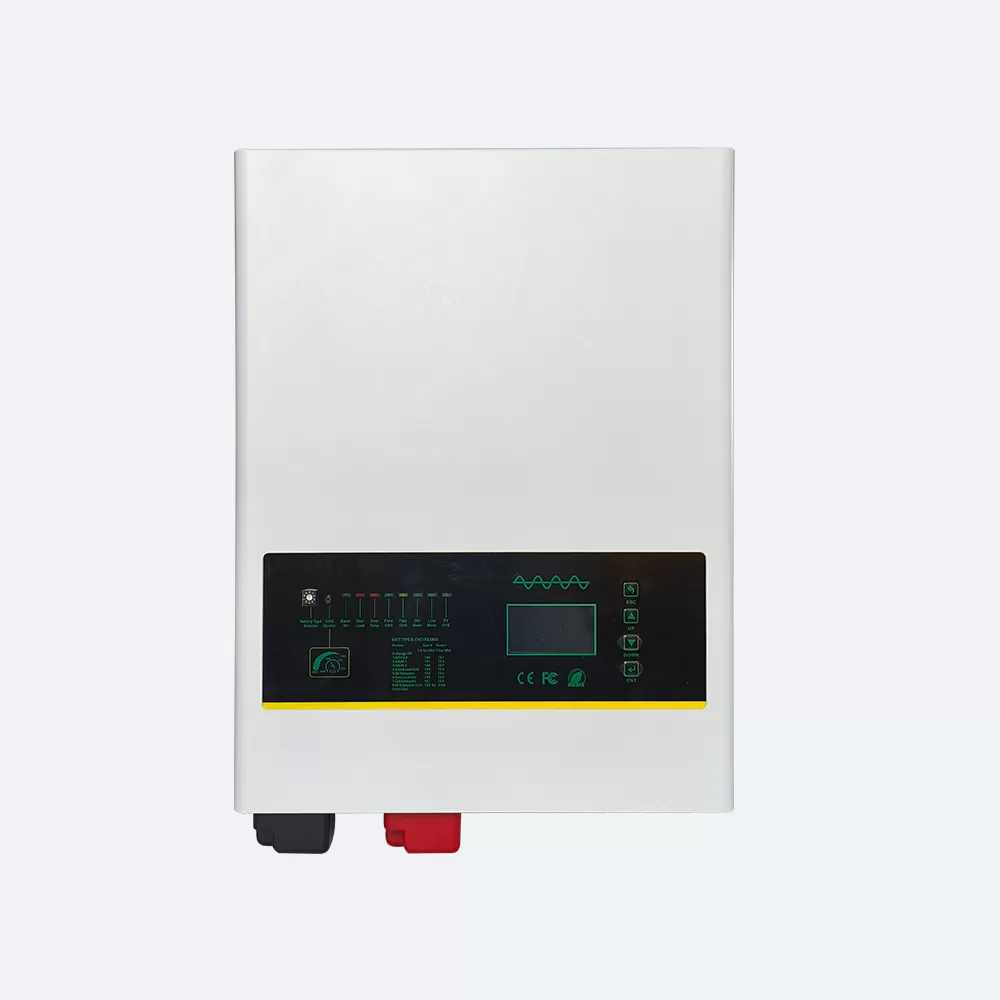
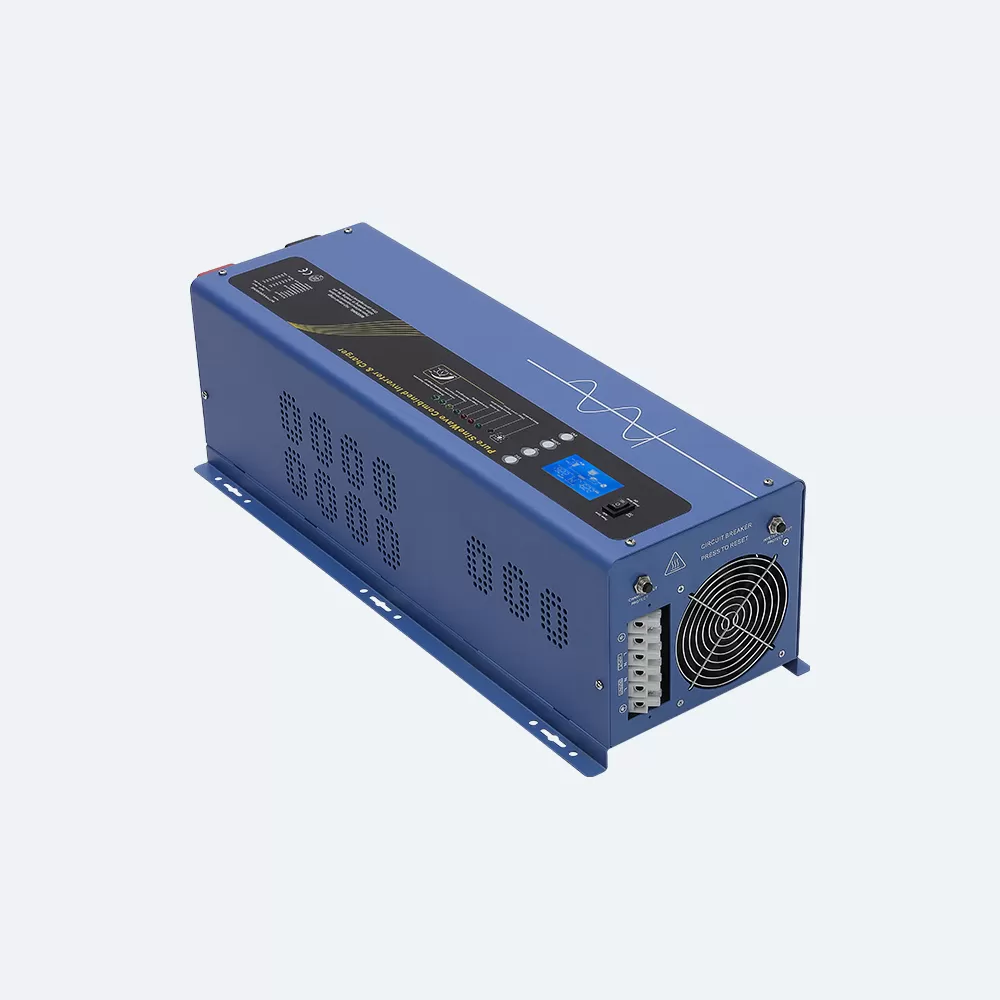
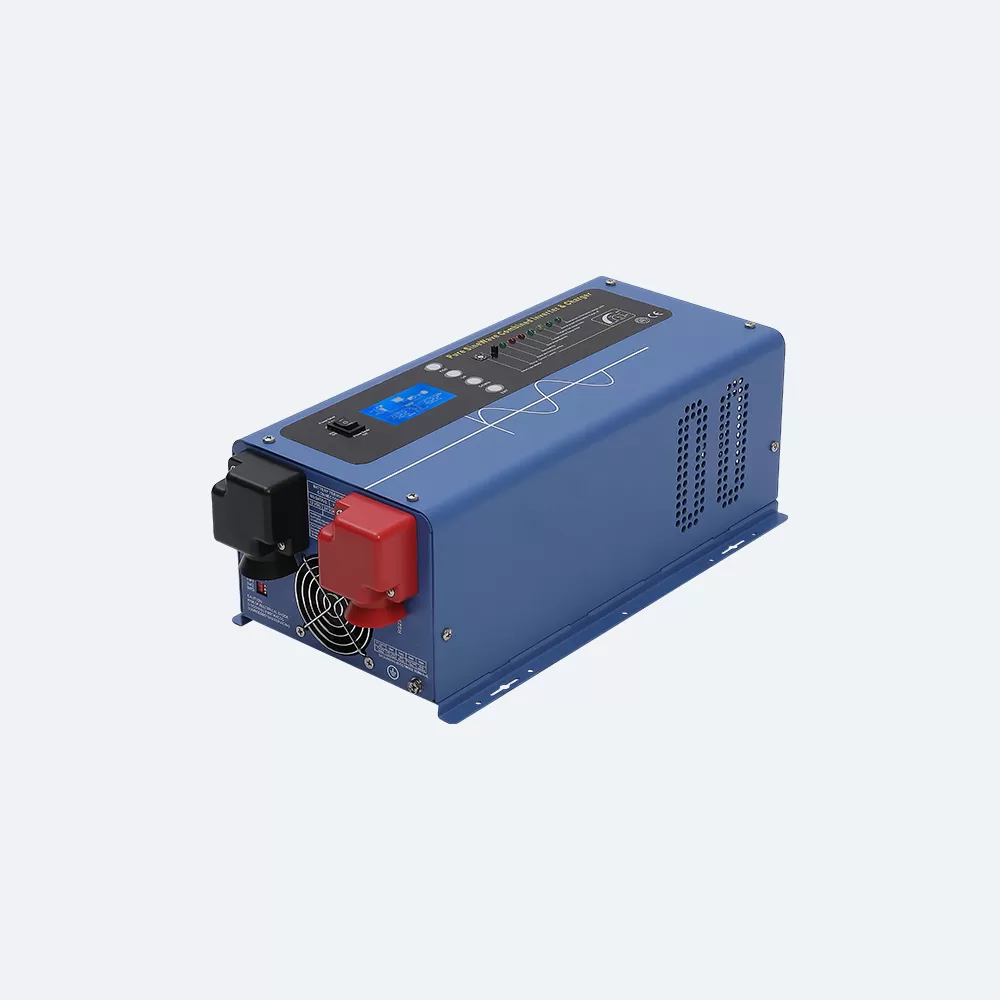
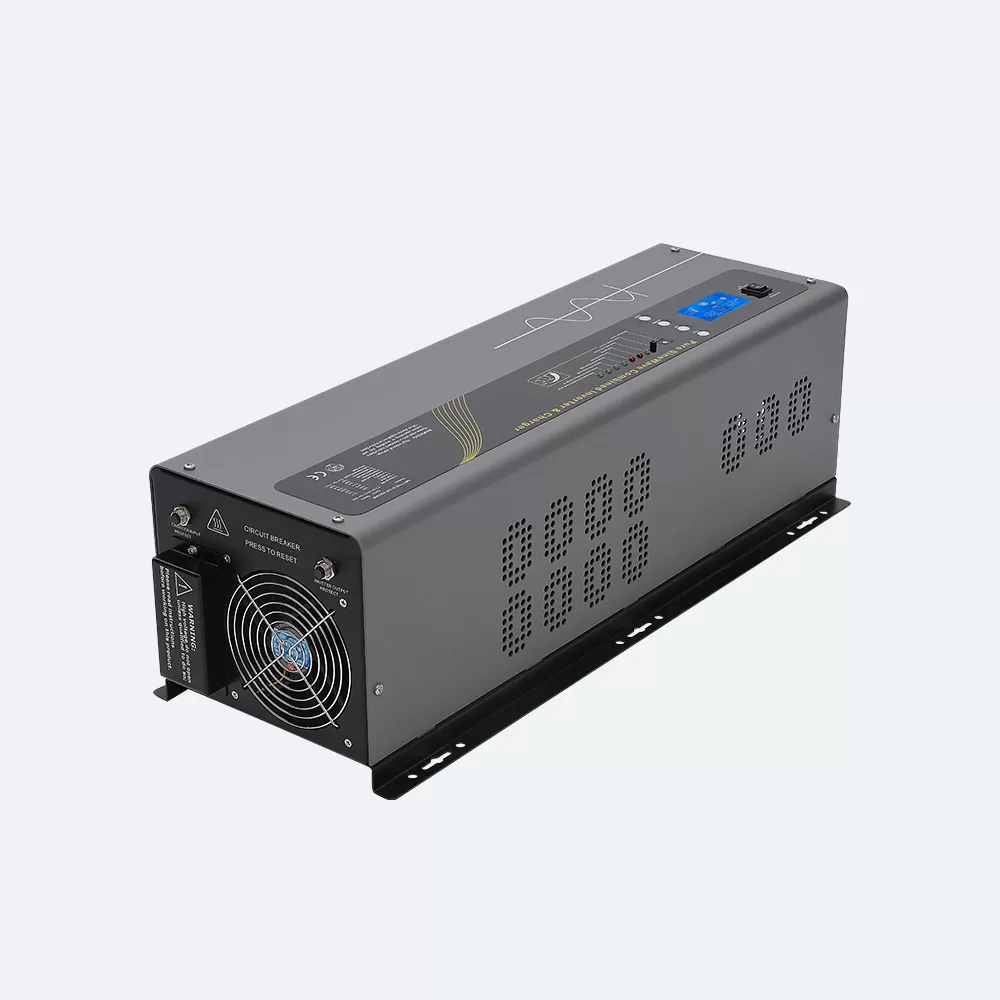
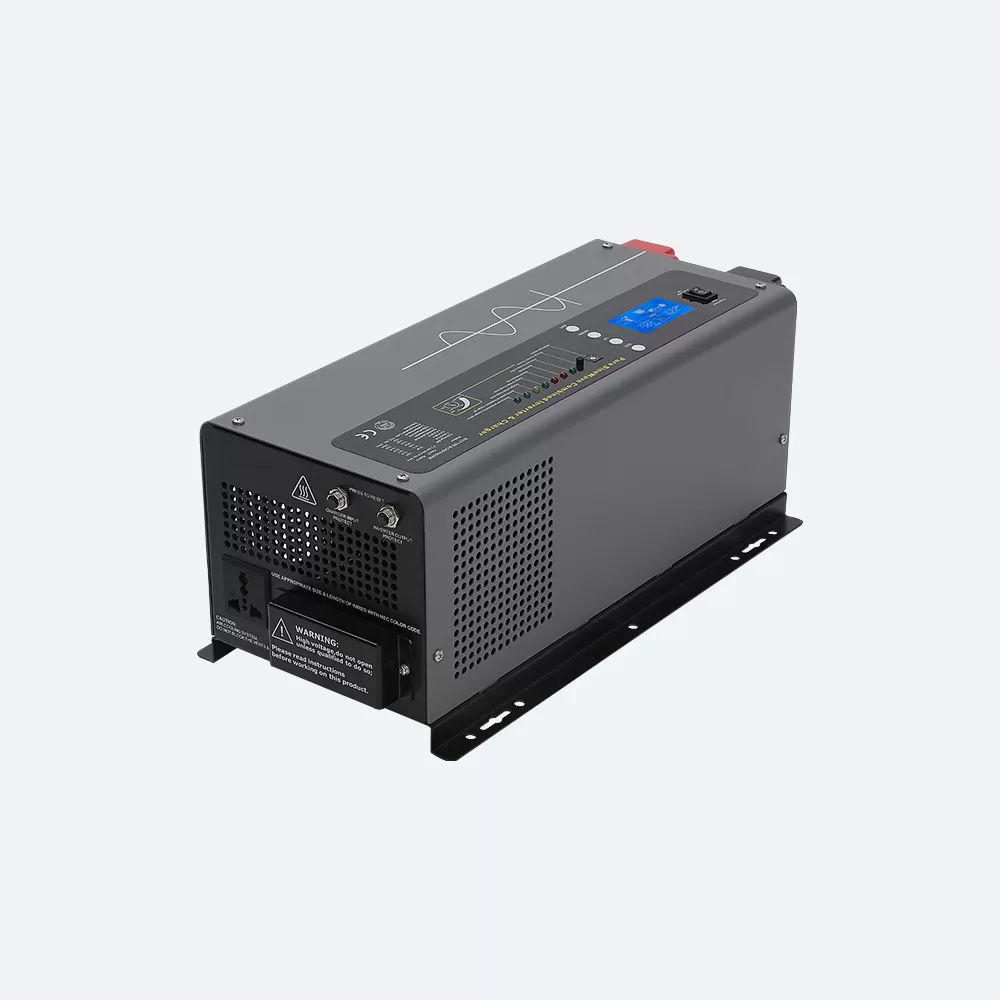
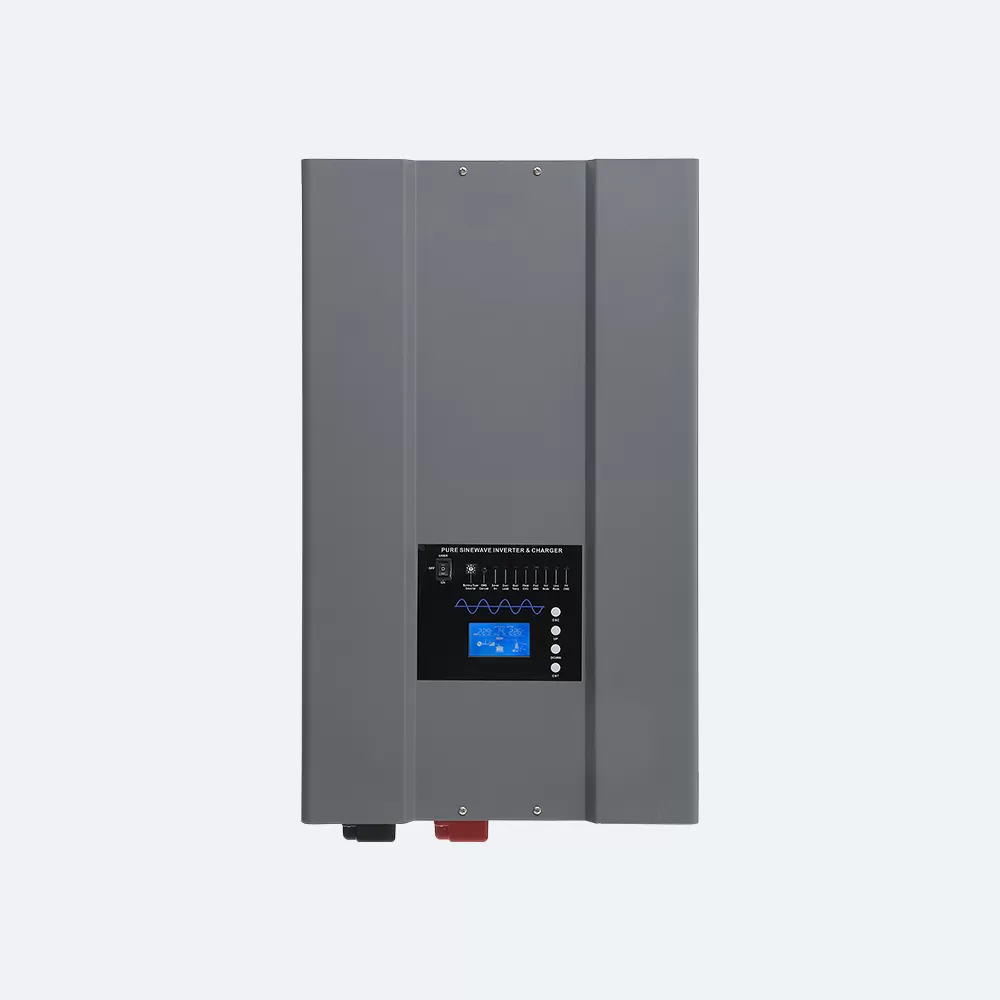
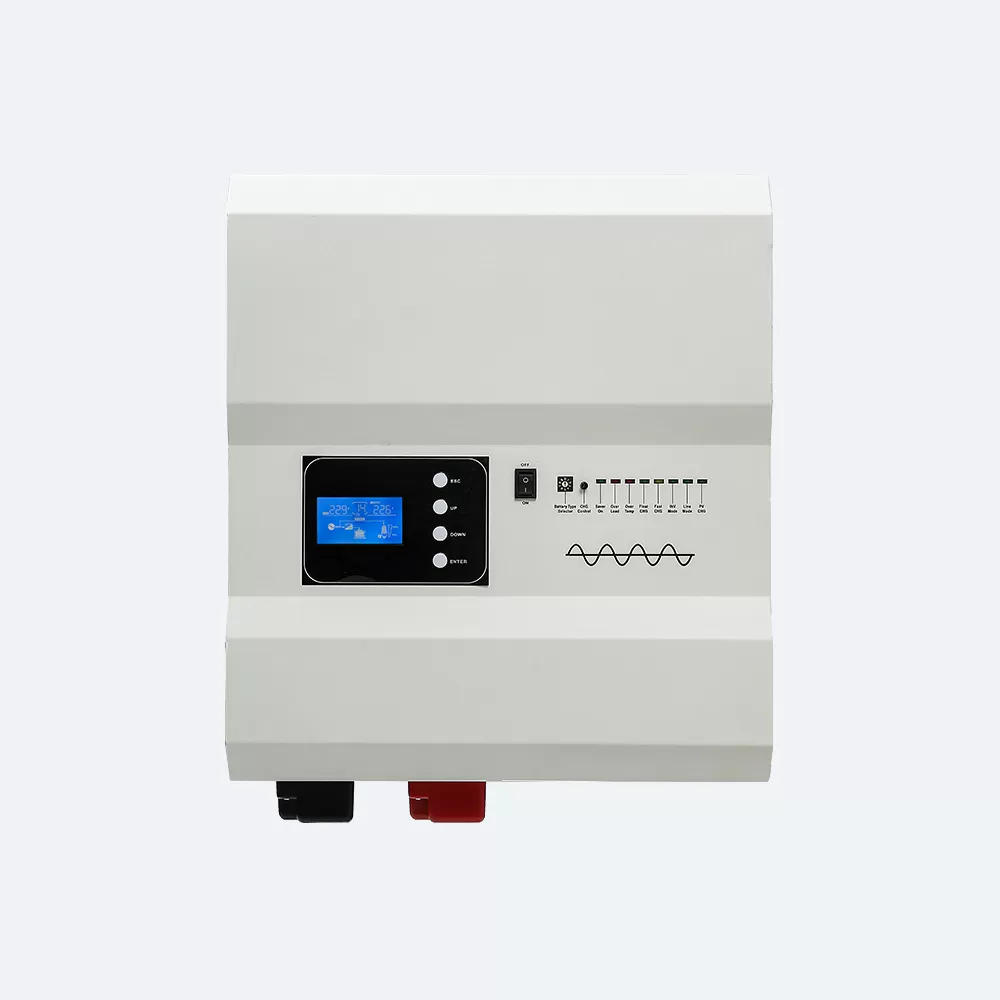
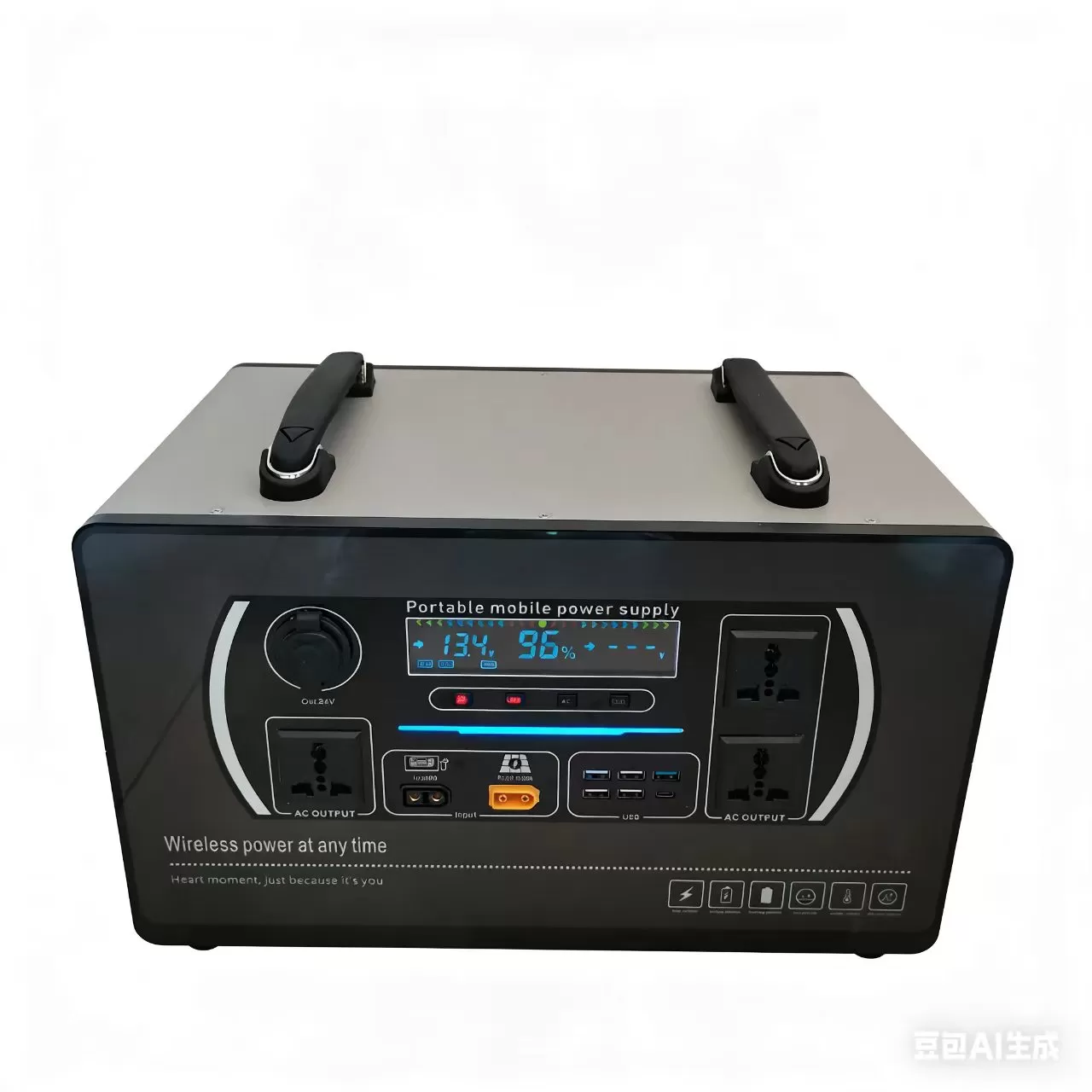
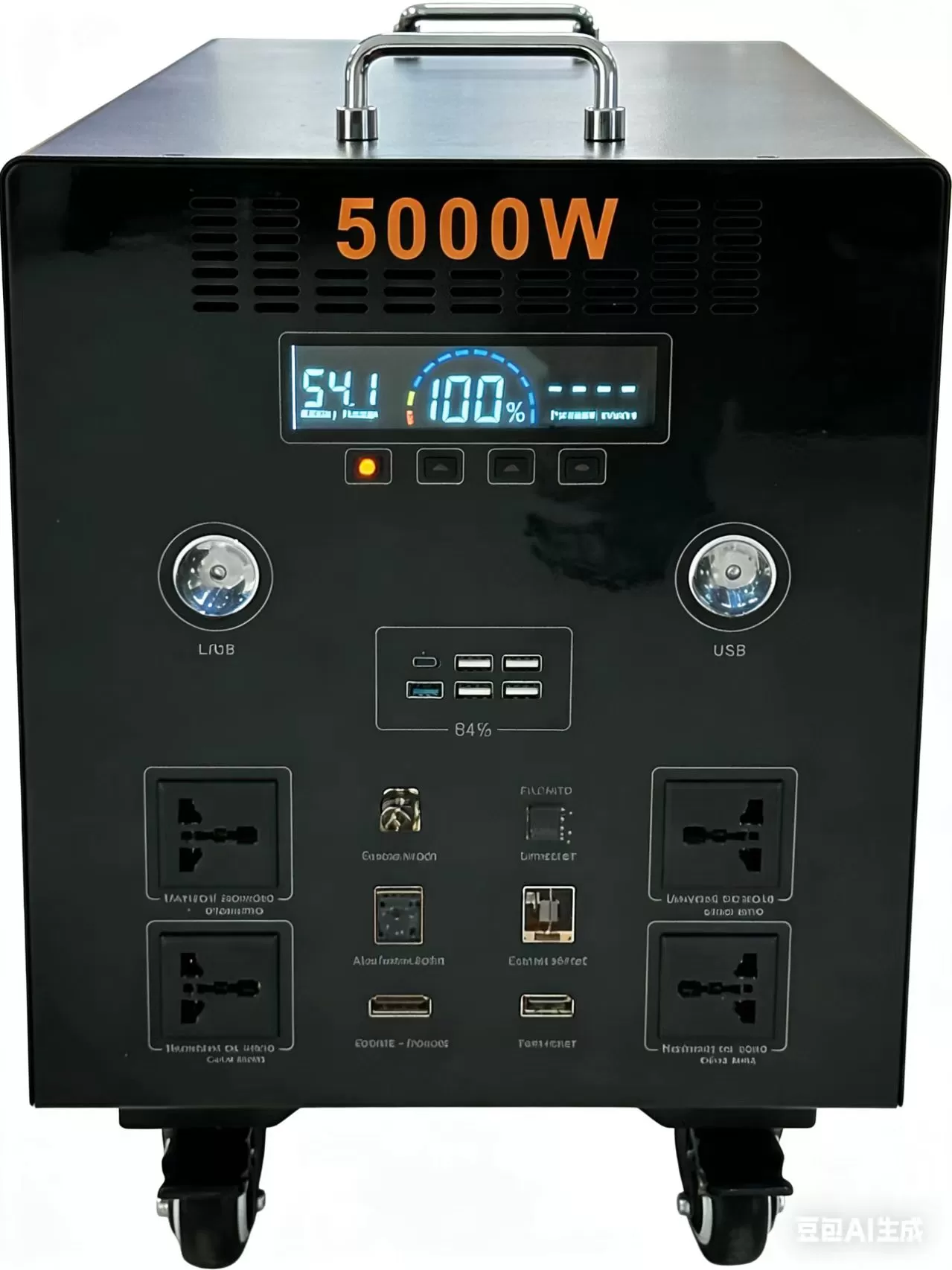
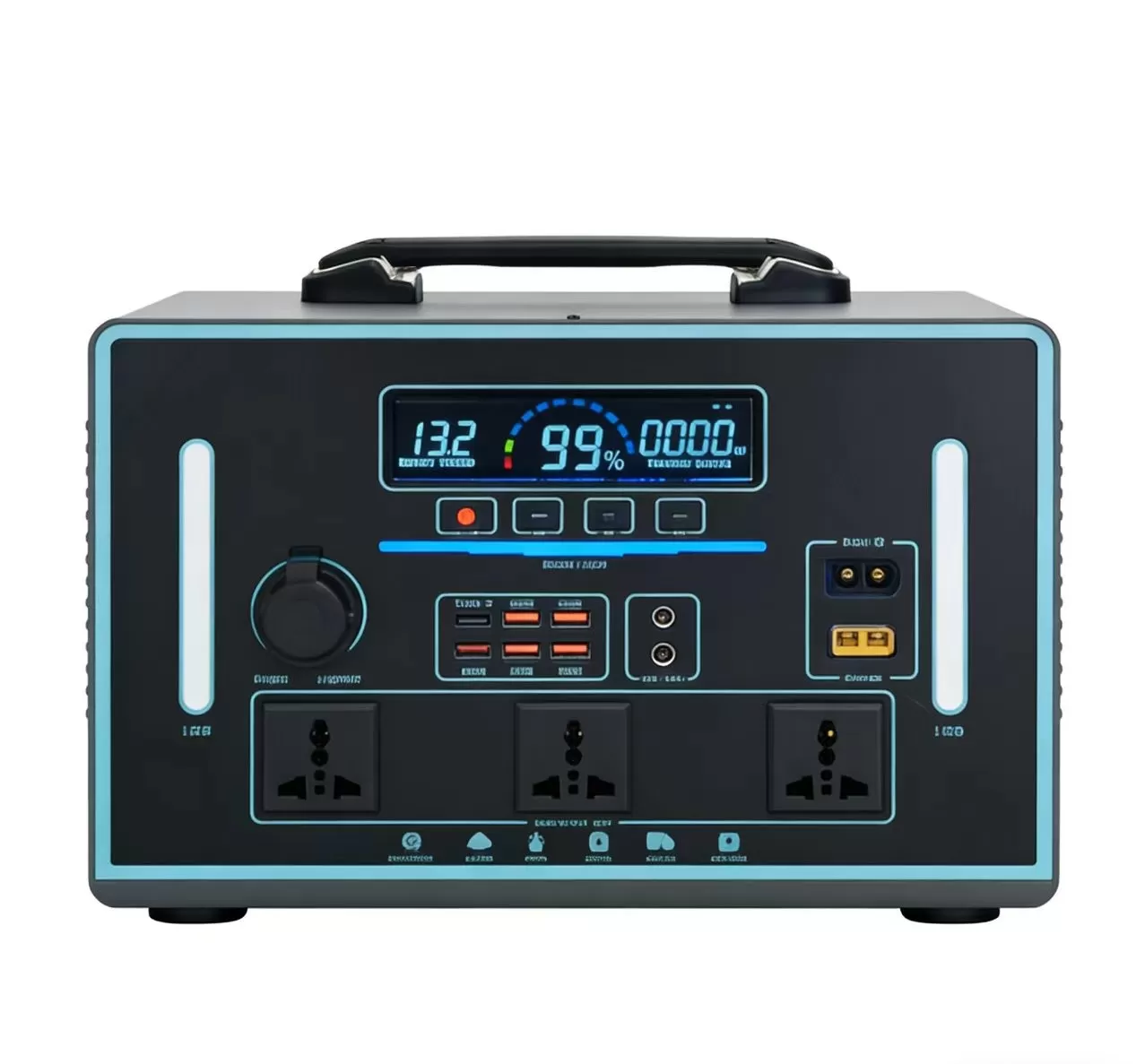
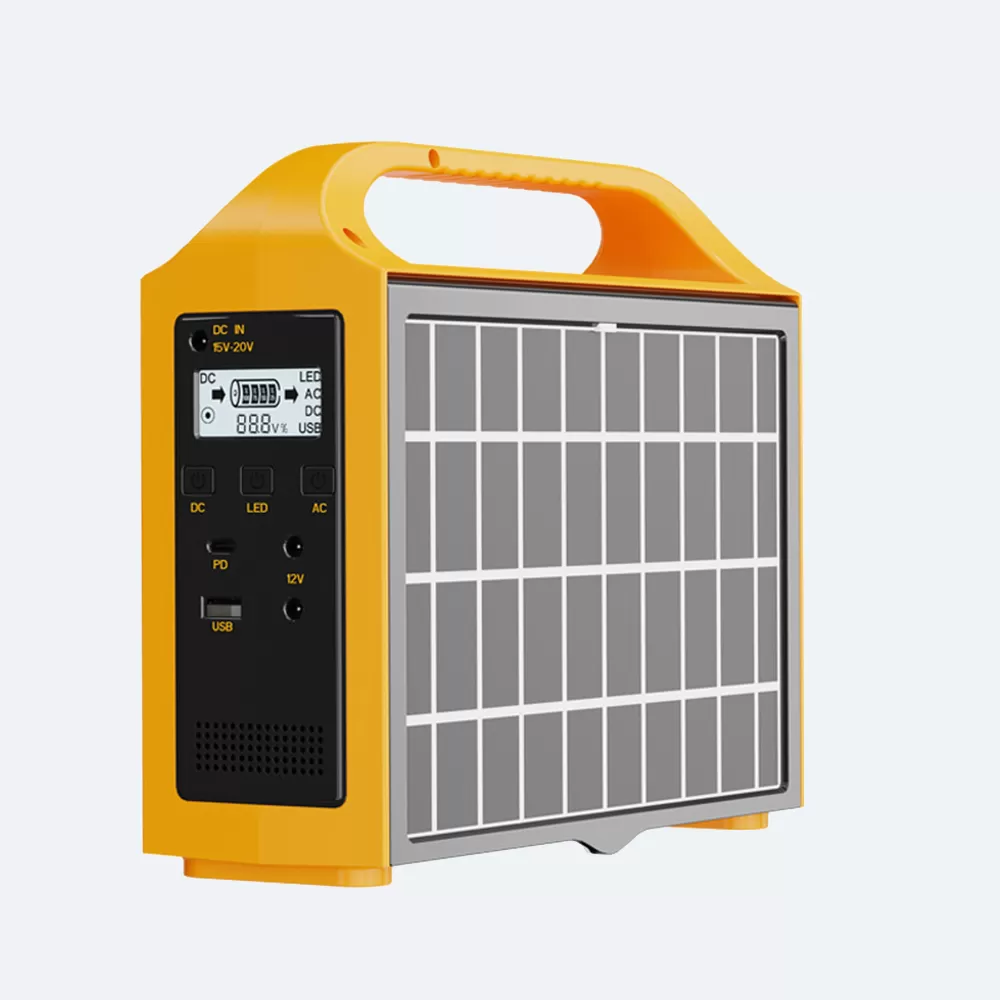
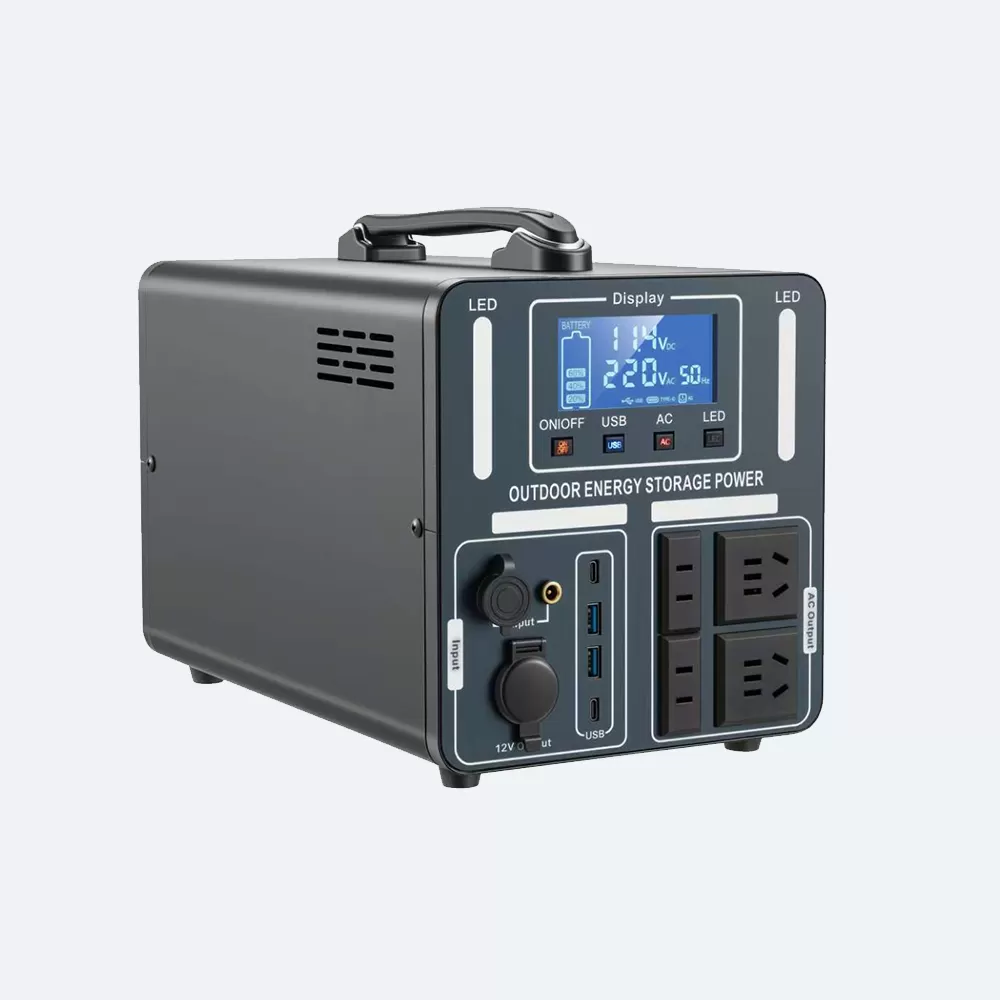
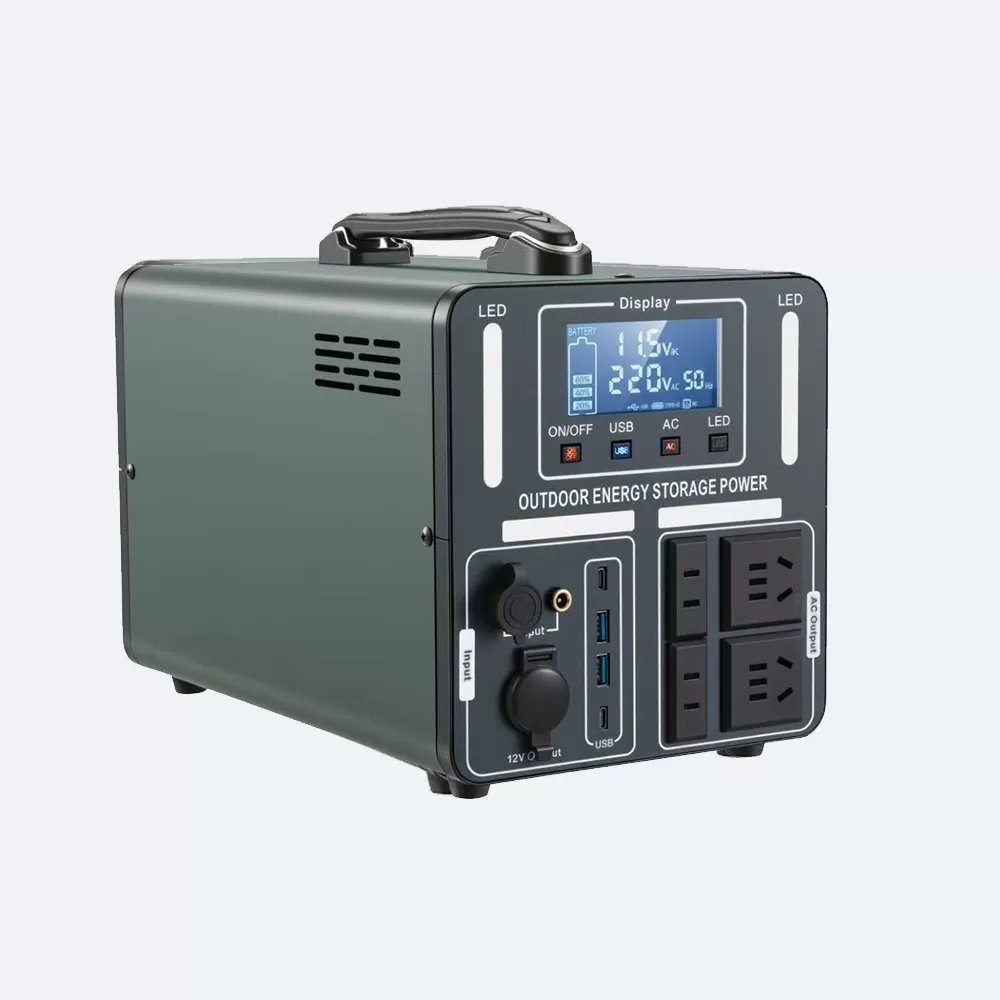
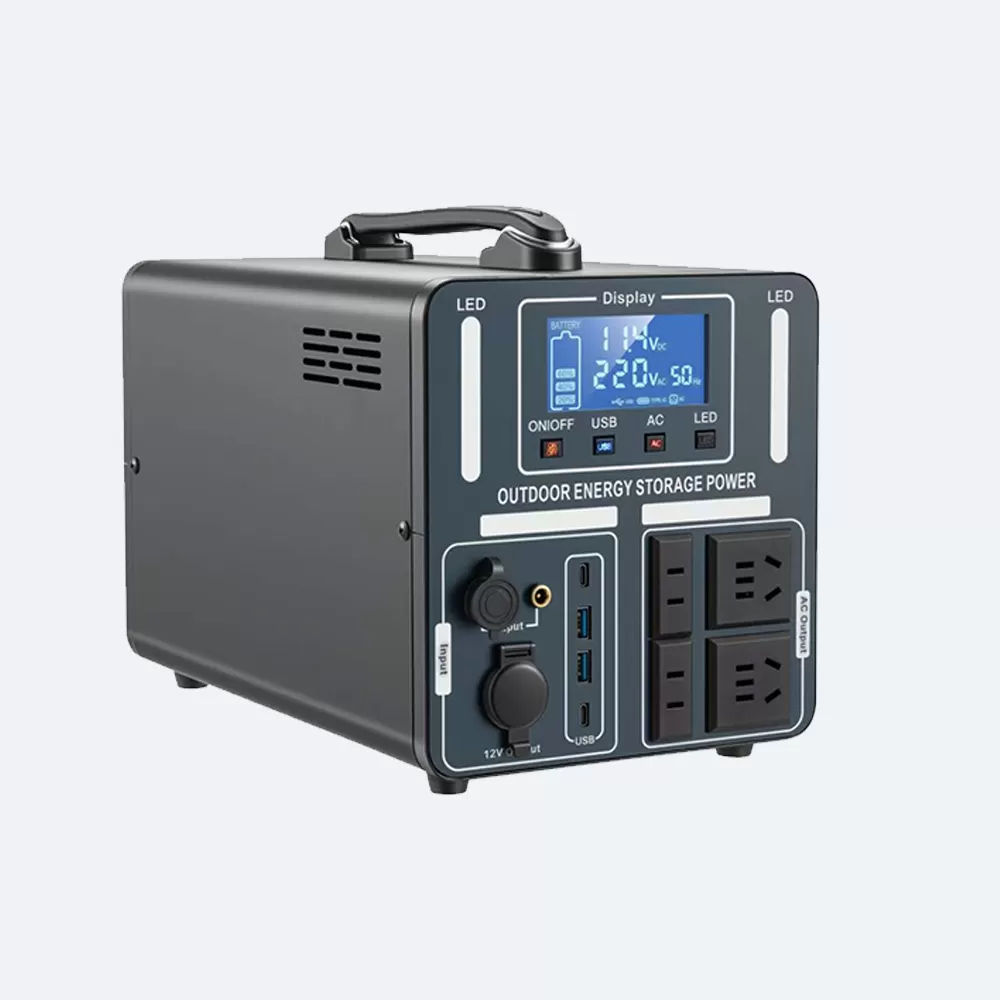
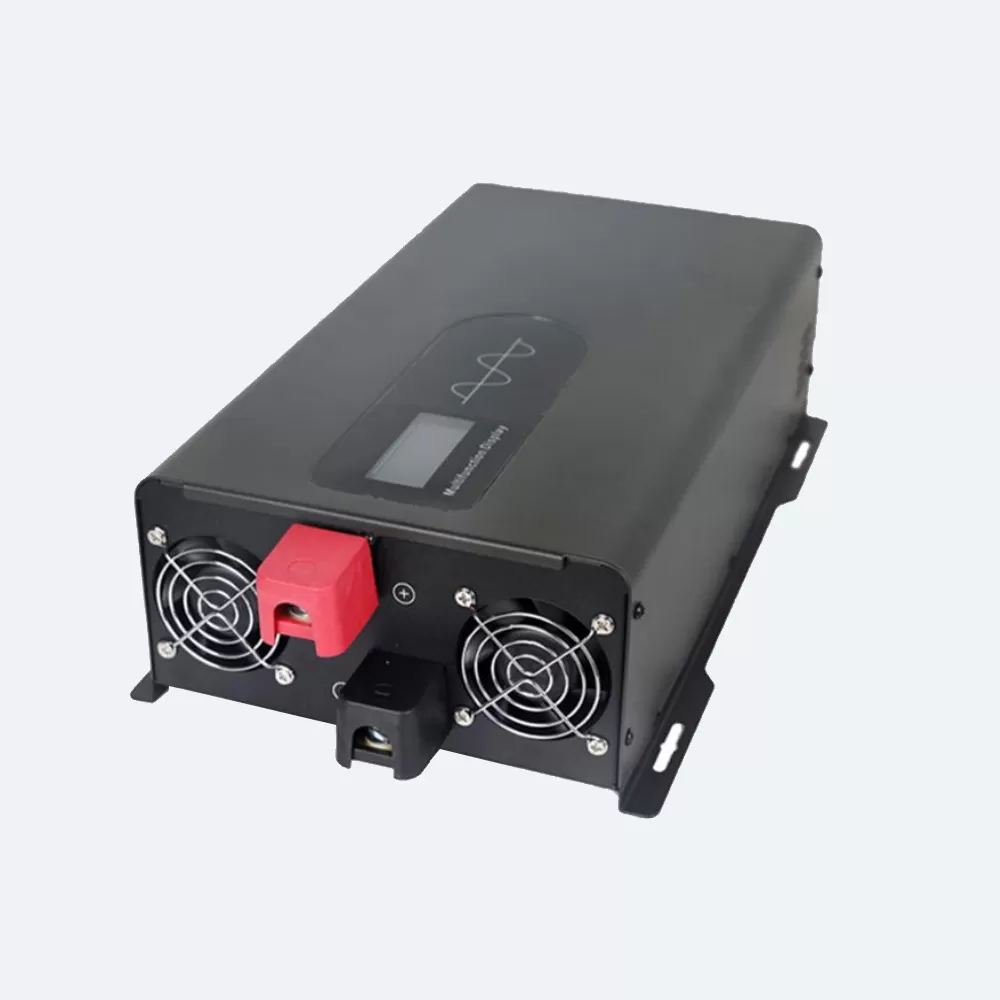
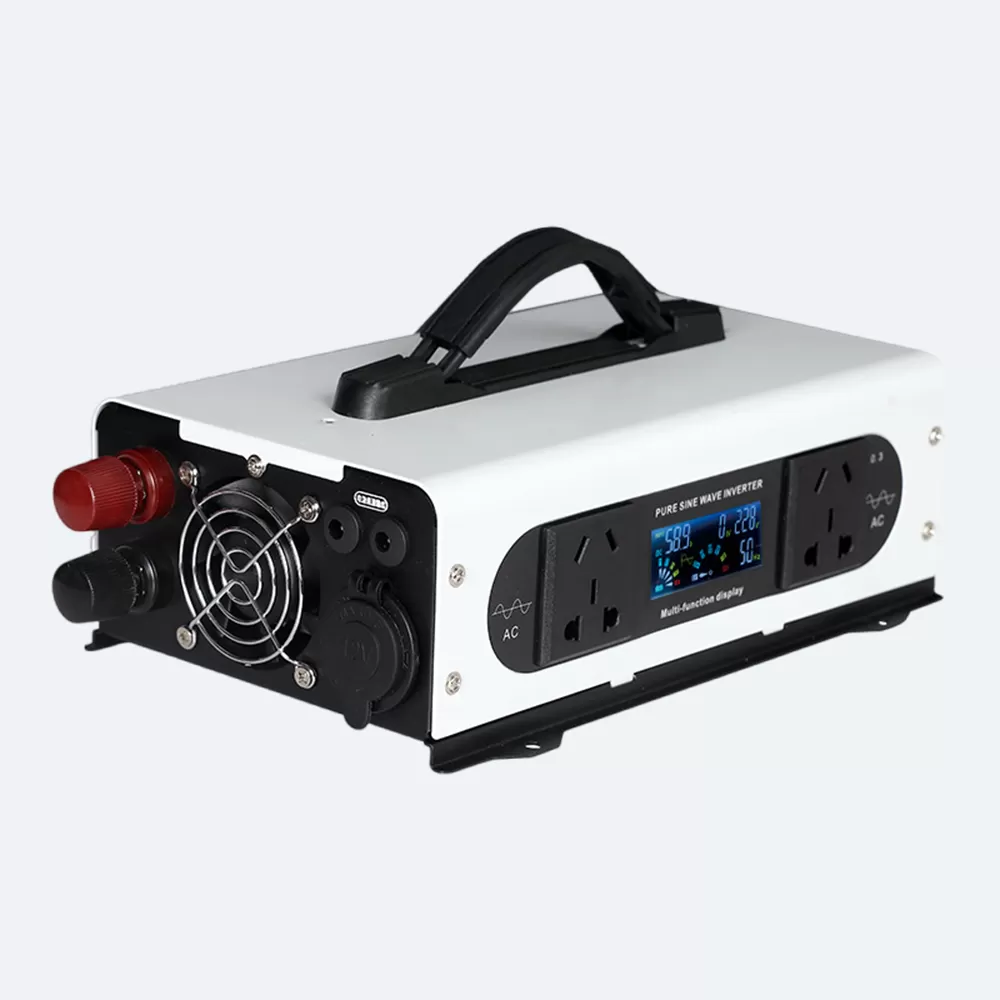
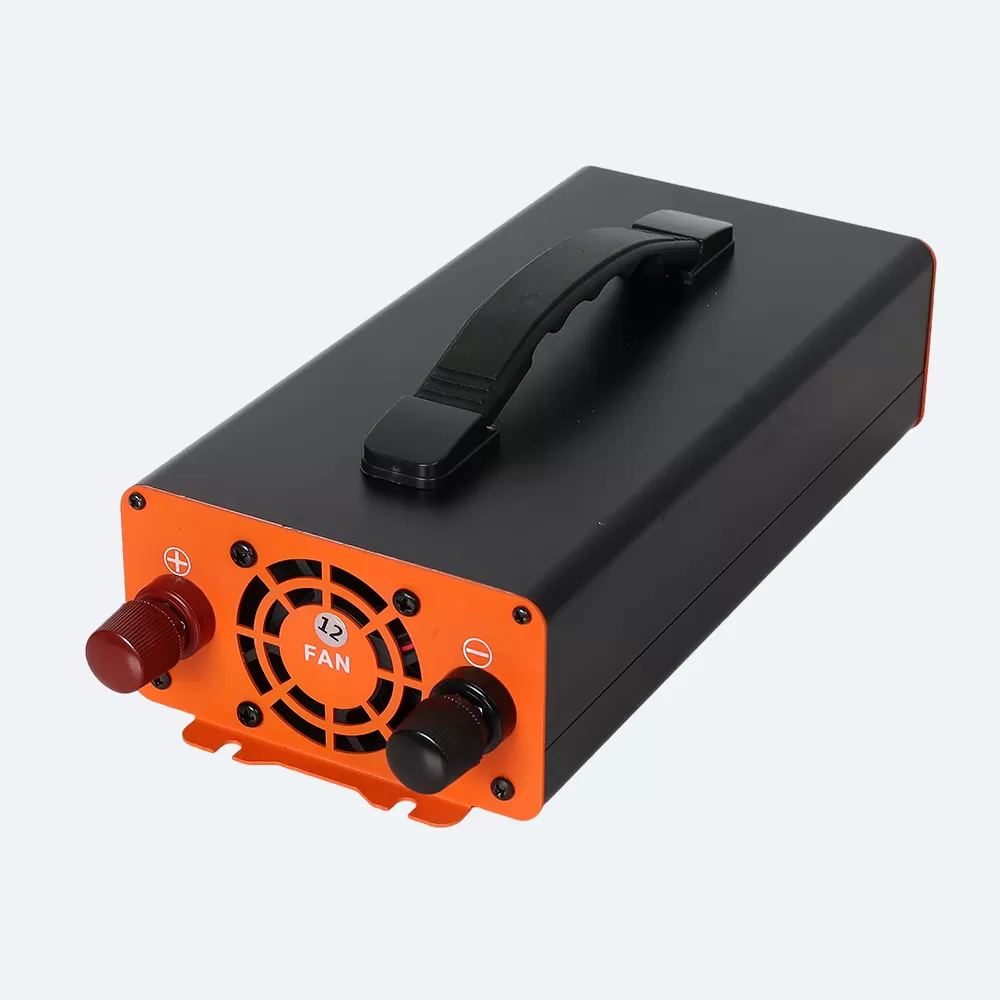
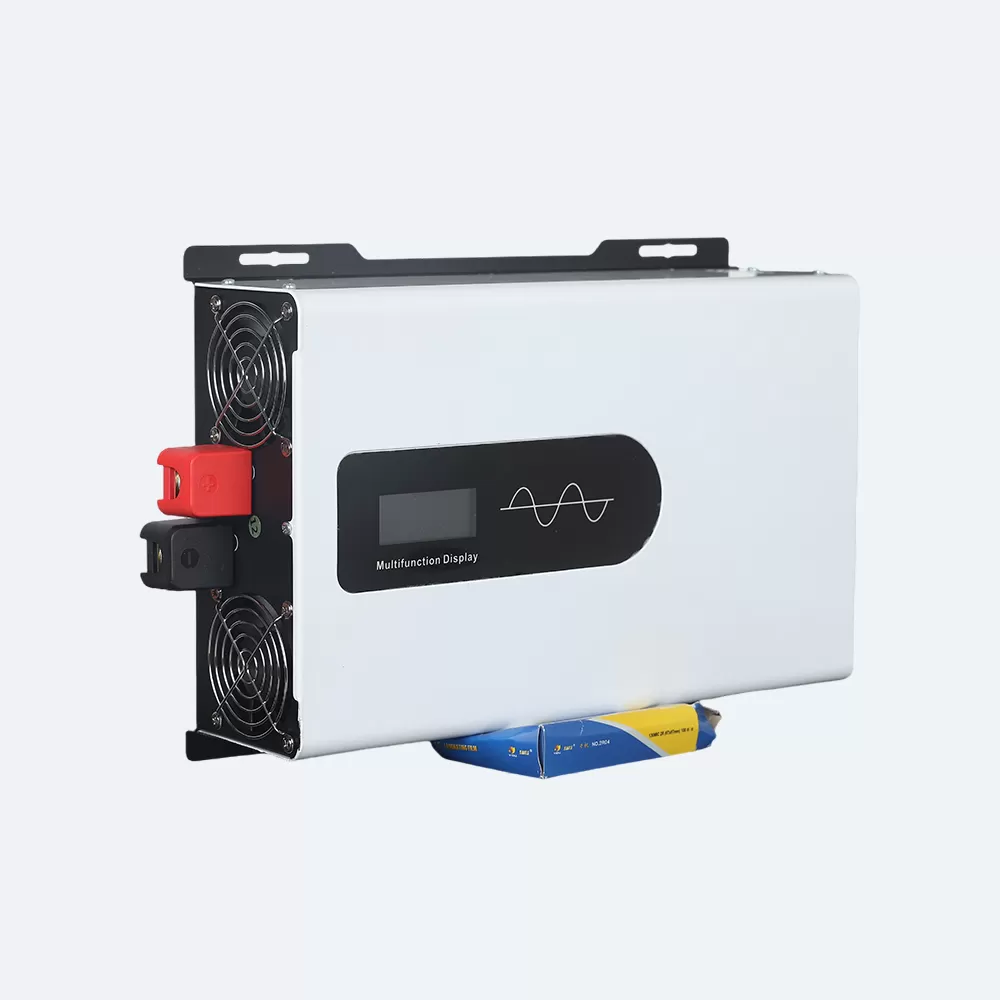
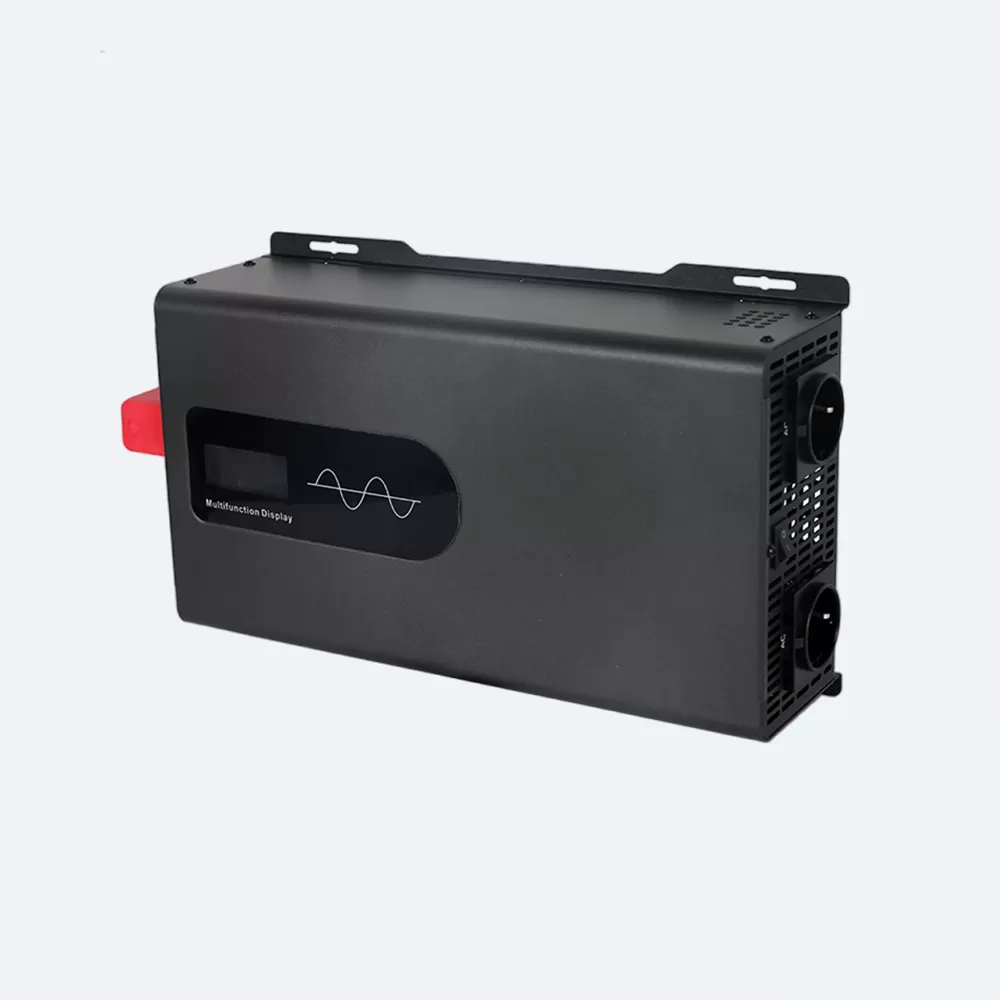
Hardware black, 2 large display screens, 2 interface options
AC/DC Switch/LCD.LED
AC/DC Switch, (have) /LCD display screen, LED lighting (have)
Certification certificate
CE/Rohs/FCC/UN38.3/MSDS/Air and sea freight reports
Product size
210*170*170mm
Solar panel/Product weight
3kg/4.8kg
3kg/5kg
5kg/5.4kg
7kg/4.6kg
8kg/5.9kg
FAQs
How to Choose the Right MPPT Controller Size?
Calculate the required charging current using this formula:Charging Current (A) = Total PV Wattage (W) ÷ Battery Voltage (V) × 1.25 (Safety Factor)
Example: 800W PV array + 48V battery bank → 800 ÷ 48 × 1.25 = 20.8A → Choose a 20A or 30A controller.
Also, ensure the PV open-circuit voltage (Voc) does not exceed the controller's maximum PV input rating.
What is the Correct Wiring Order?
To avoid damage, follow this sequence strictly:
Connect the Battery first (positive to positive, negative to negative).
Connect the Solar Panels (PV input).
Connect the Load (optional).
Note: Use appropriately sized cables and fuses for safety.
Why is My Controller Not Charging?
PV Voltage Too Low: Ensure the solar panel voltage is at least 5V higher than the battery voltage.
Wiring Issues: Check for reversed polarity, loose connections, or blown fuses.
Battery Full: The controller will taper or stop charging once the battery is full.
Over-temperature Protection: The controller may reduce current if it gets too hot.
What is Temperature Compensation?
A built-in sensor adjusts the charging voltage based on battery temperature. It prevents overcharging in hot weather and undercharging in cold weather, significantly extending battery life.
What is an MPPT Solar Charge Controller?
MPPT (Maximum Power Point Tracking) is an advanced technology that continuously monitors the voltage and current output from solar panels, dynamically adjusting the operating point to extract the maximum available power under varying light conditions. It efficiently converts high PV voltage to the battery’s charging voltage, significantly boosting energy harvest compared to traditional PWM controllers.
Our website uses cookies to provide the best user experience. By continuing to browse, you agree to our use of cookies in accordance with our Privacy Policy.