Power Frequency Inverter
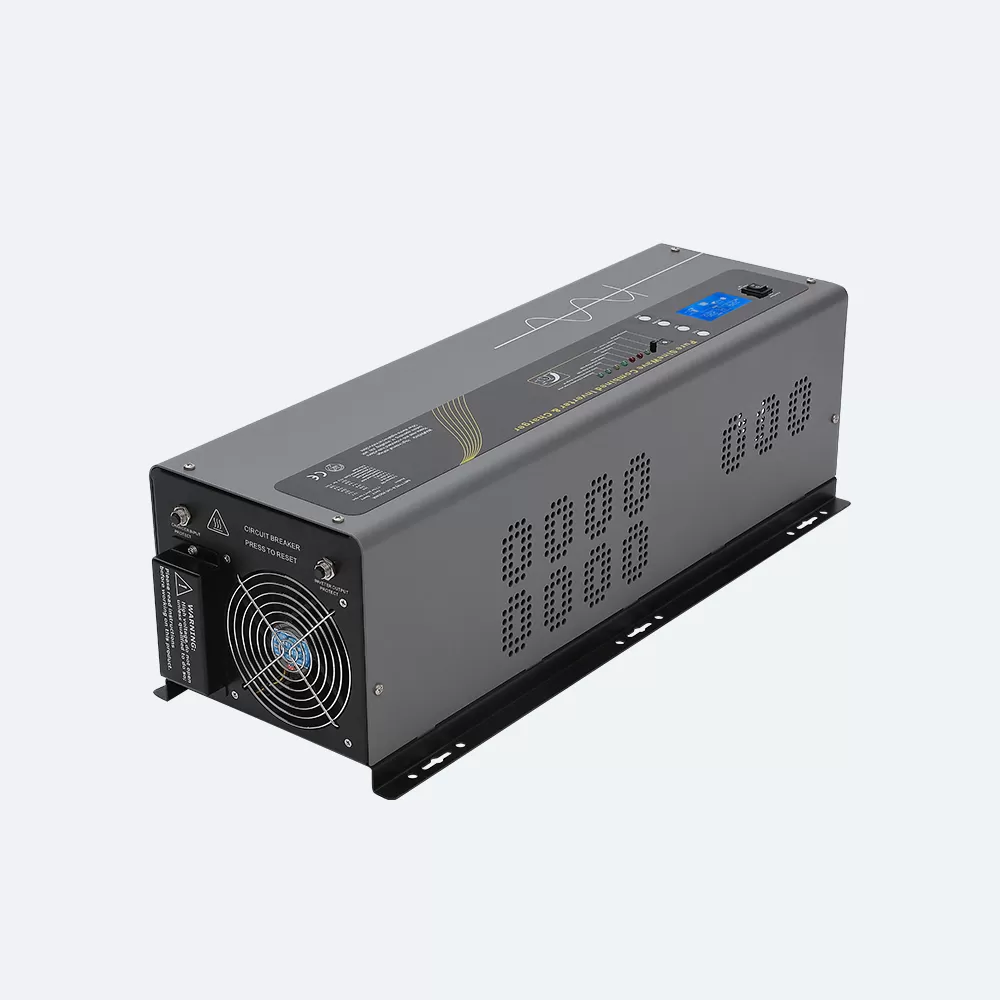
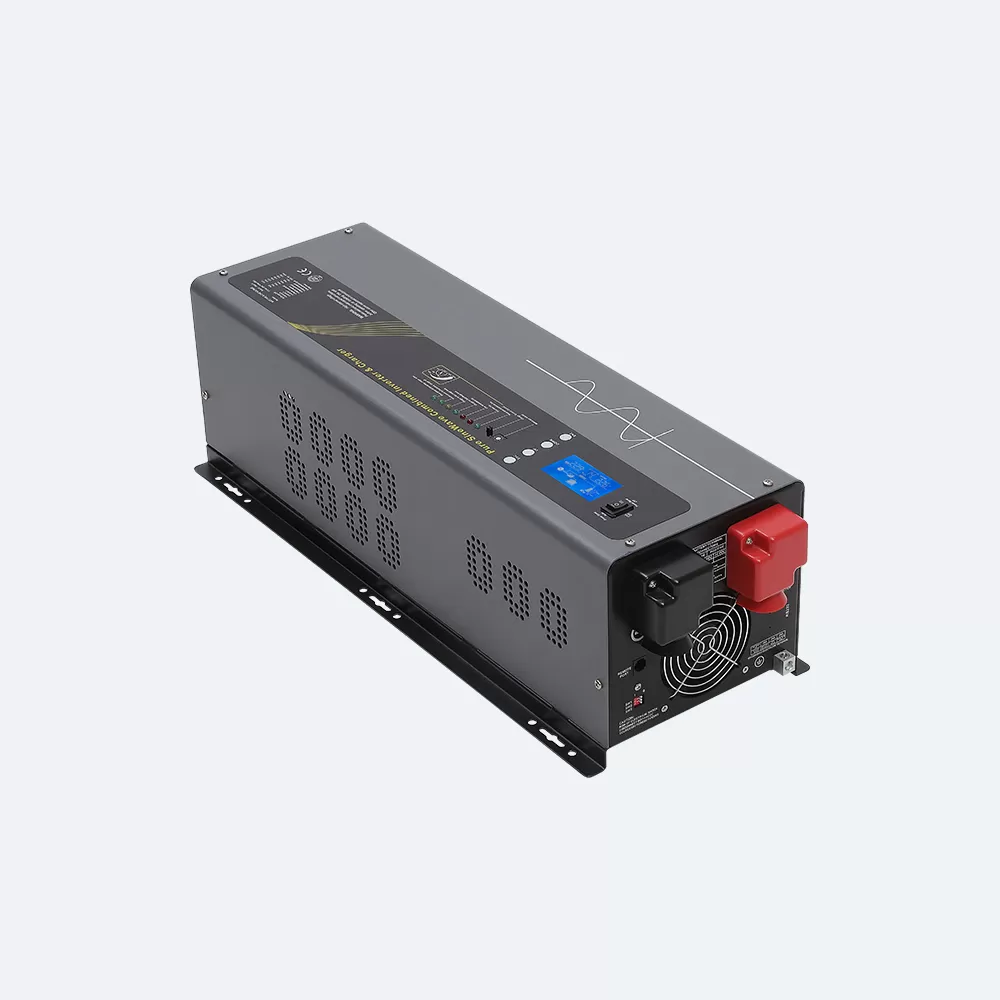
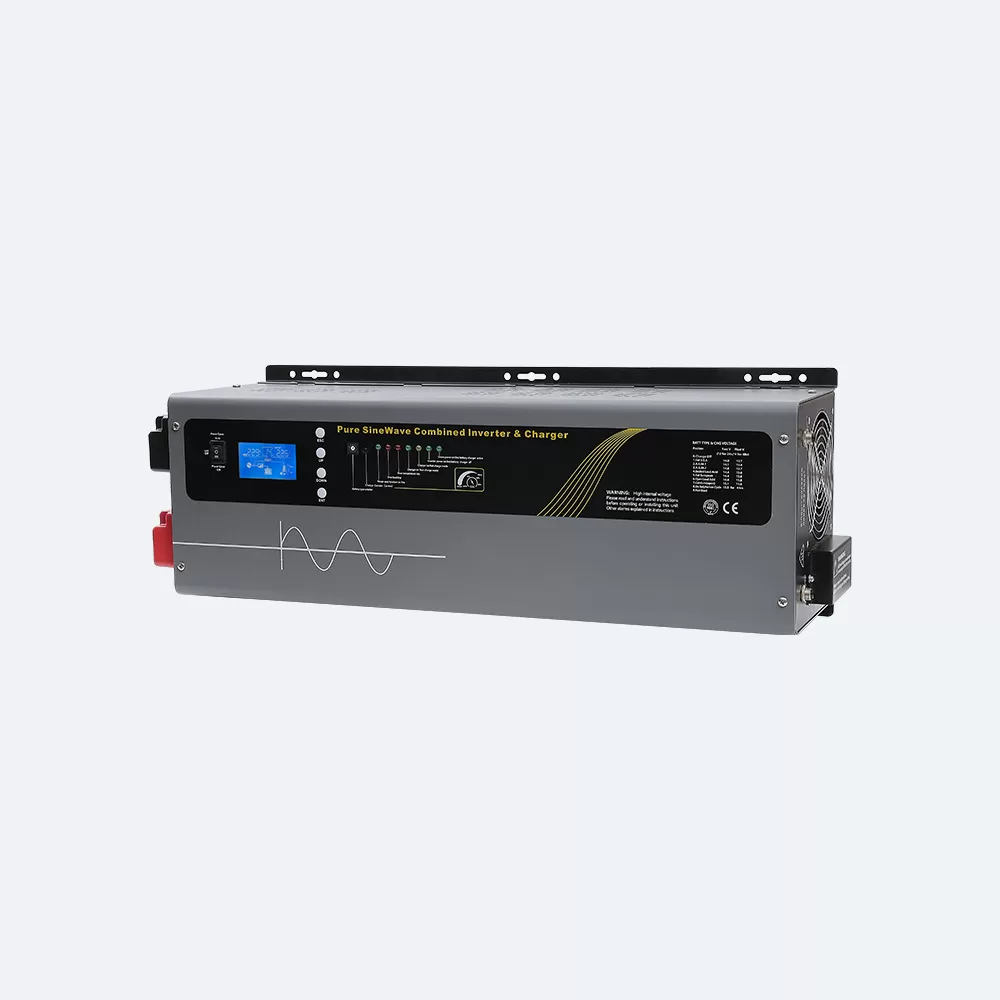
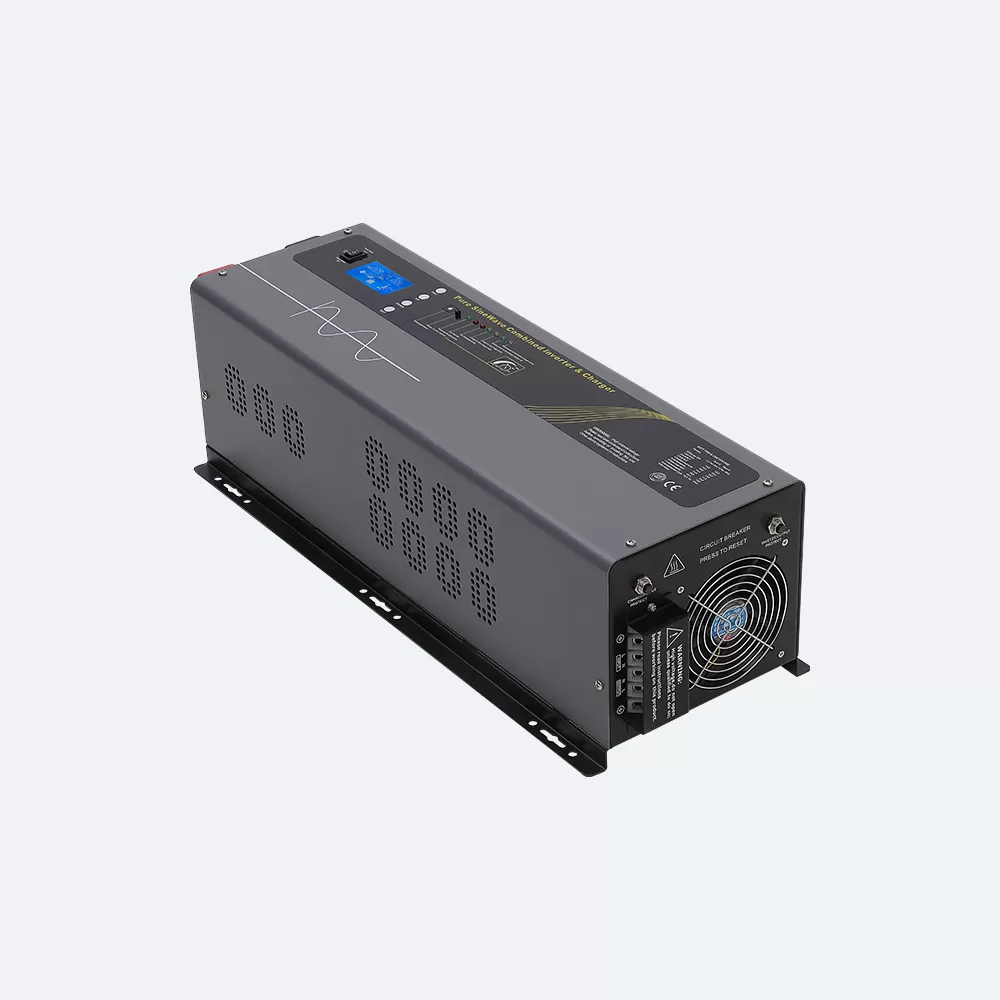
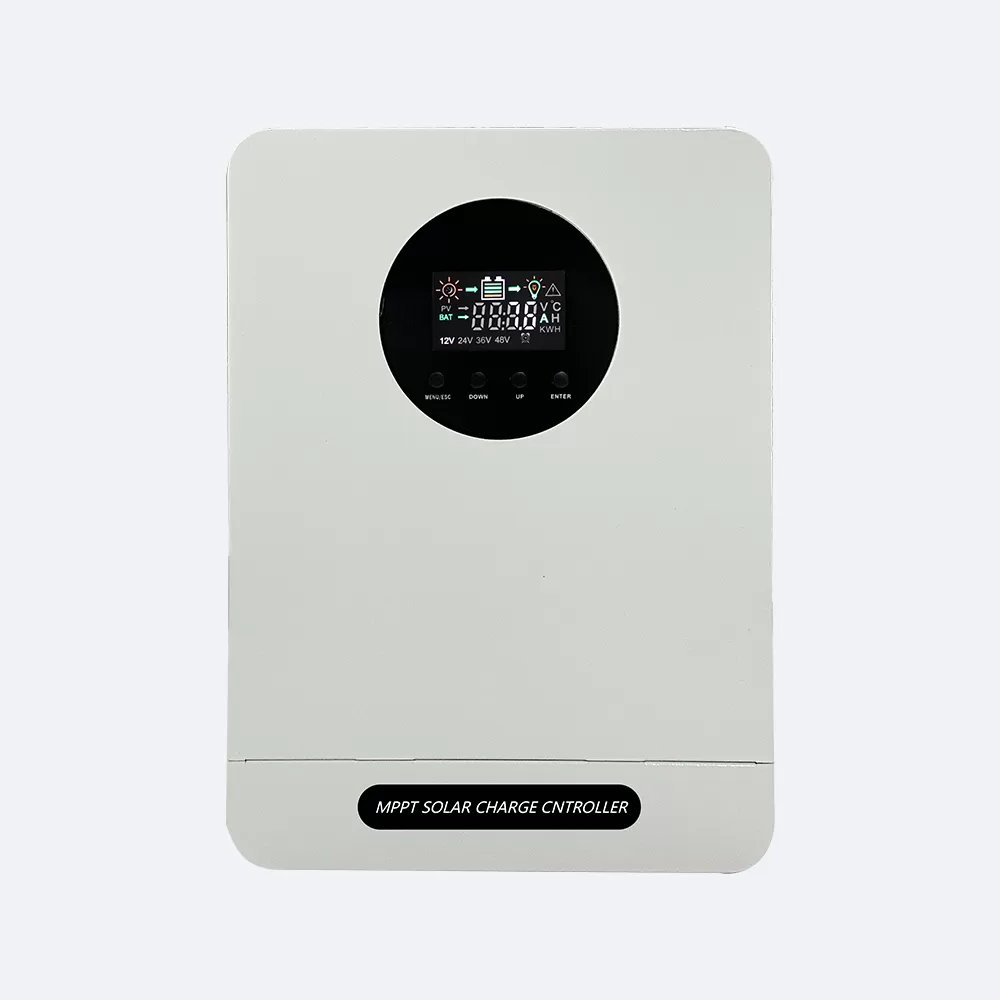
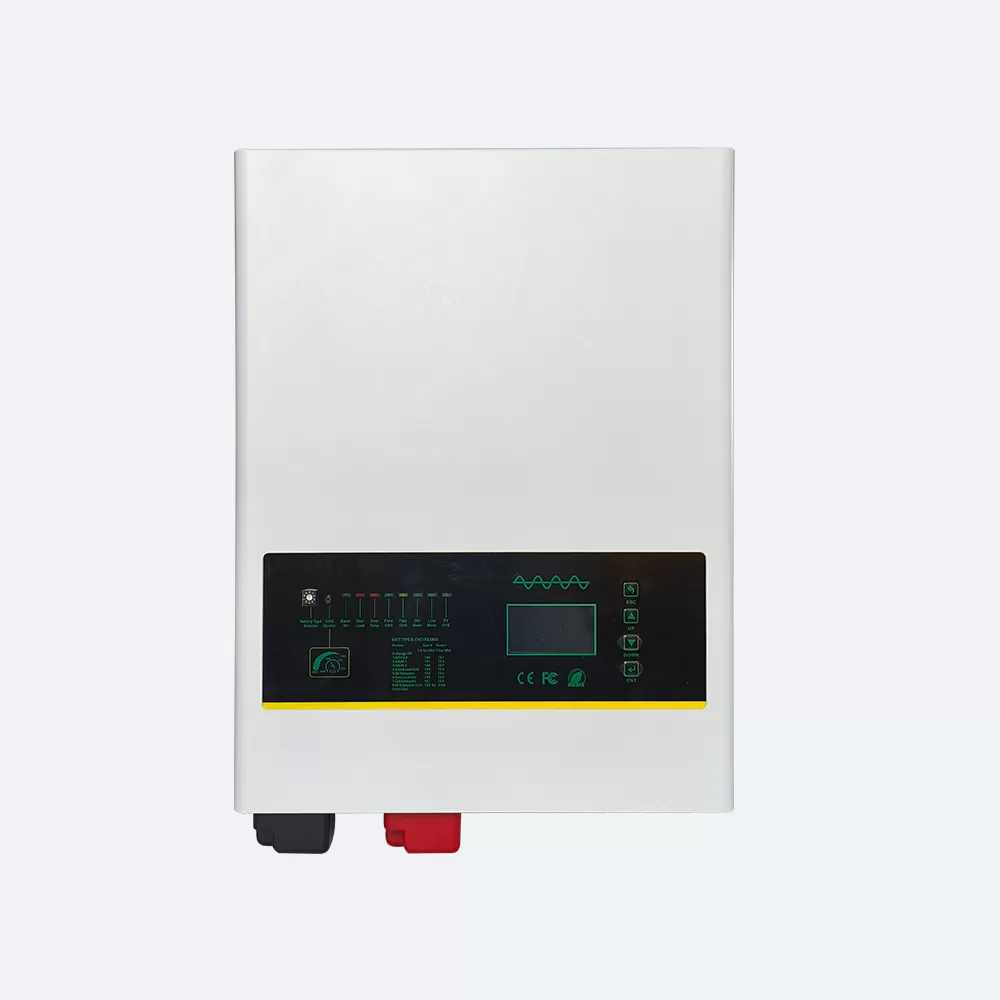
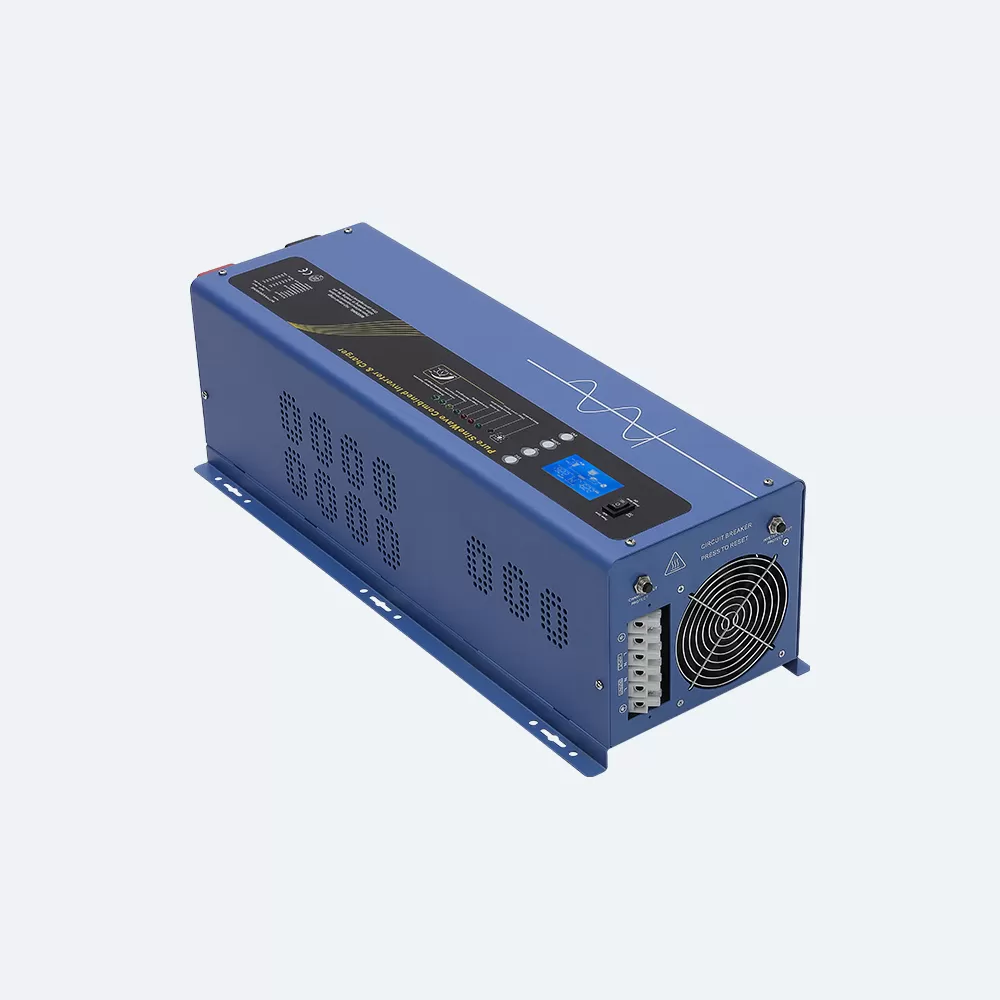
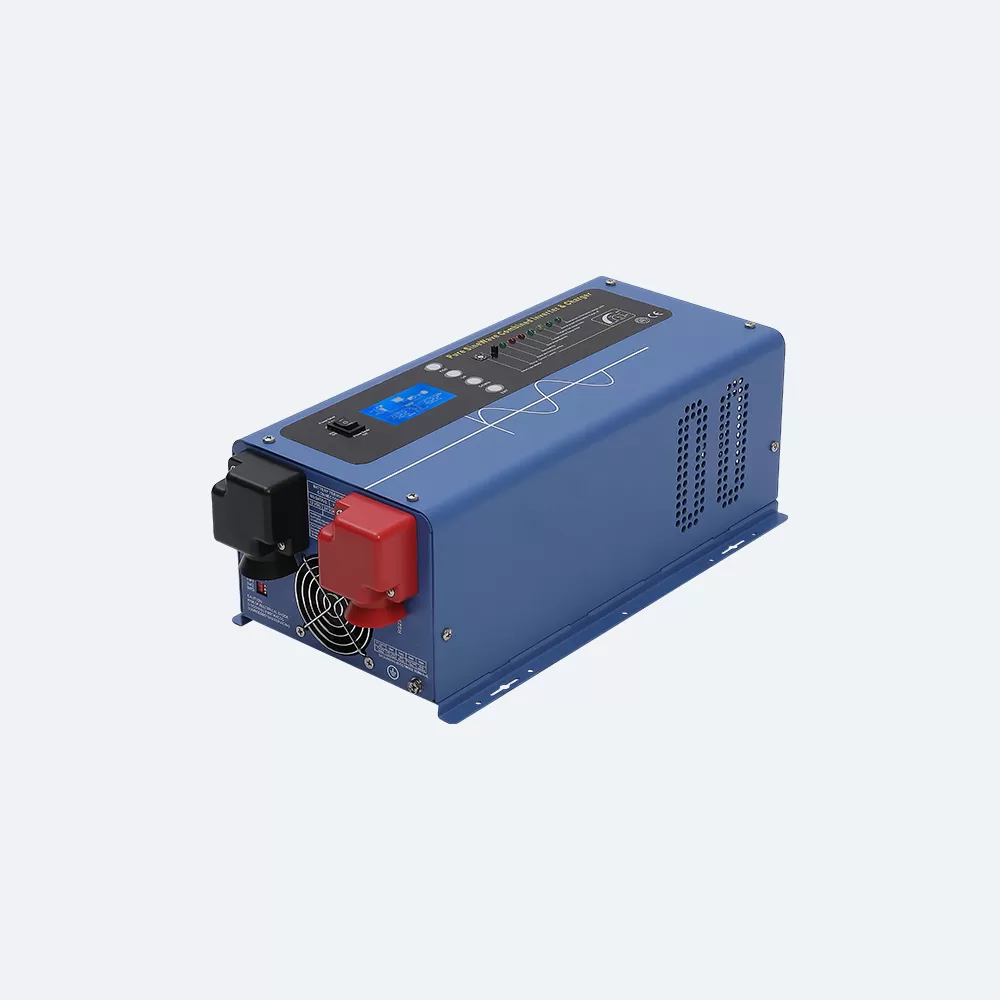
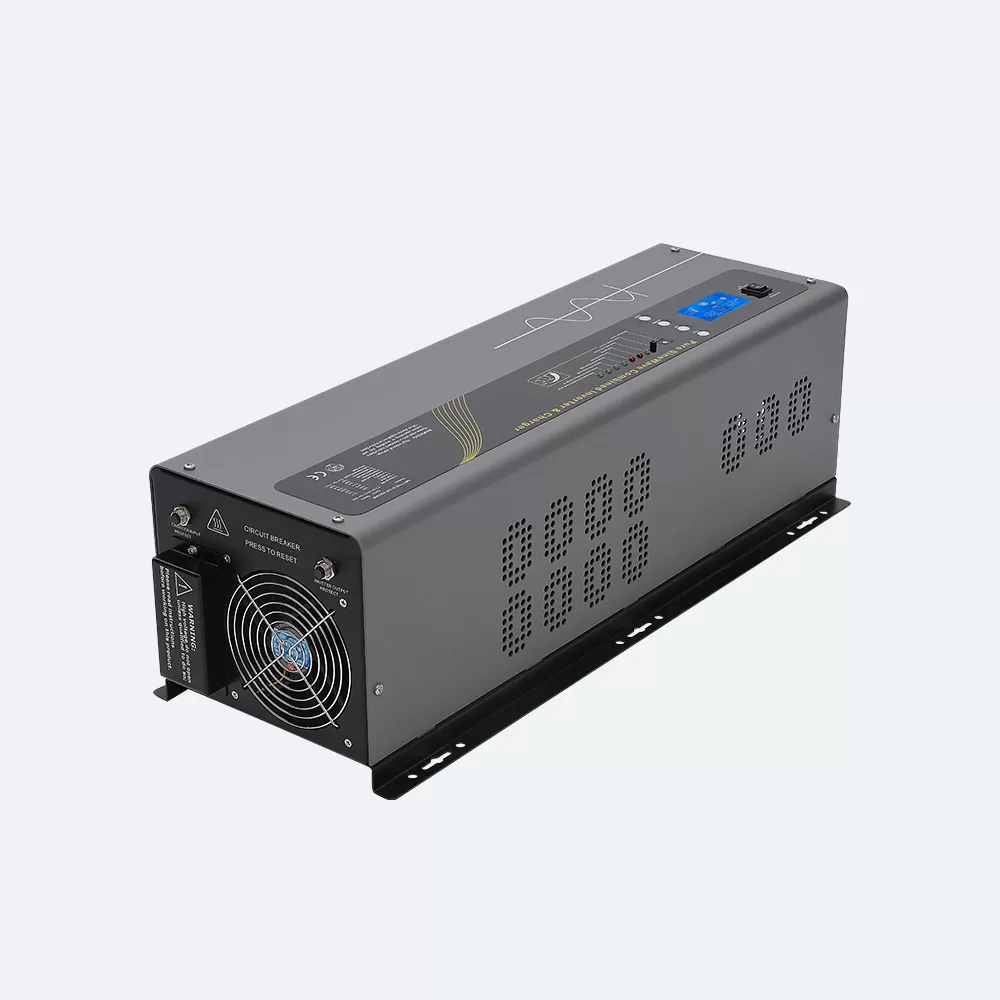
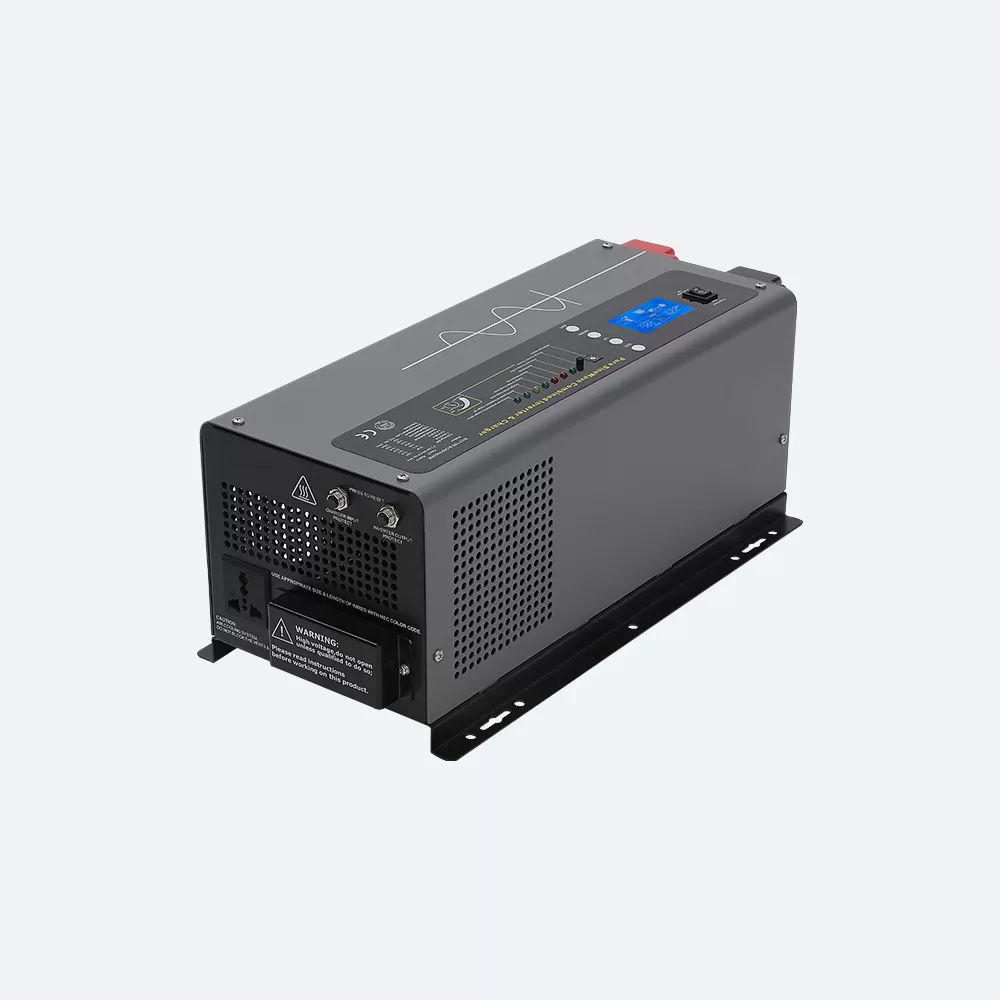
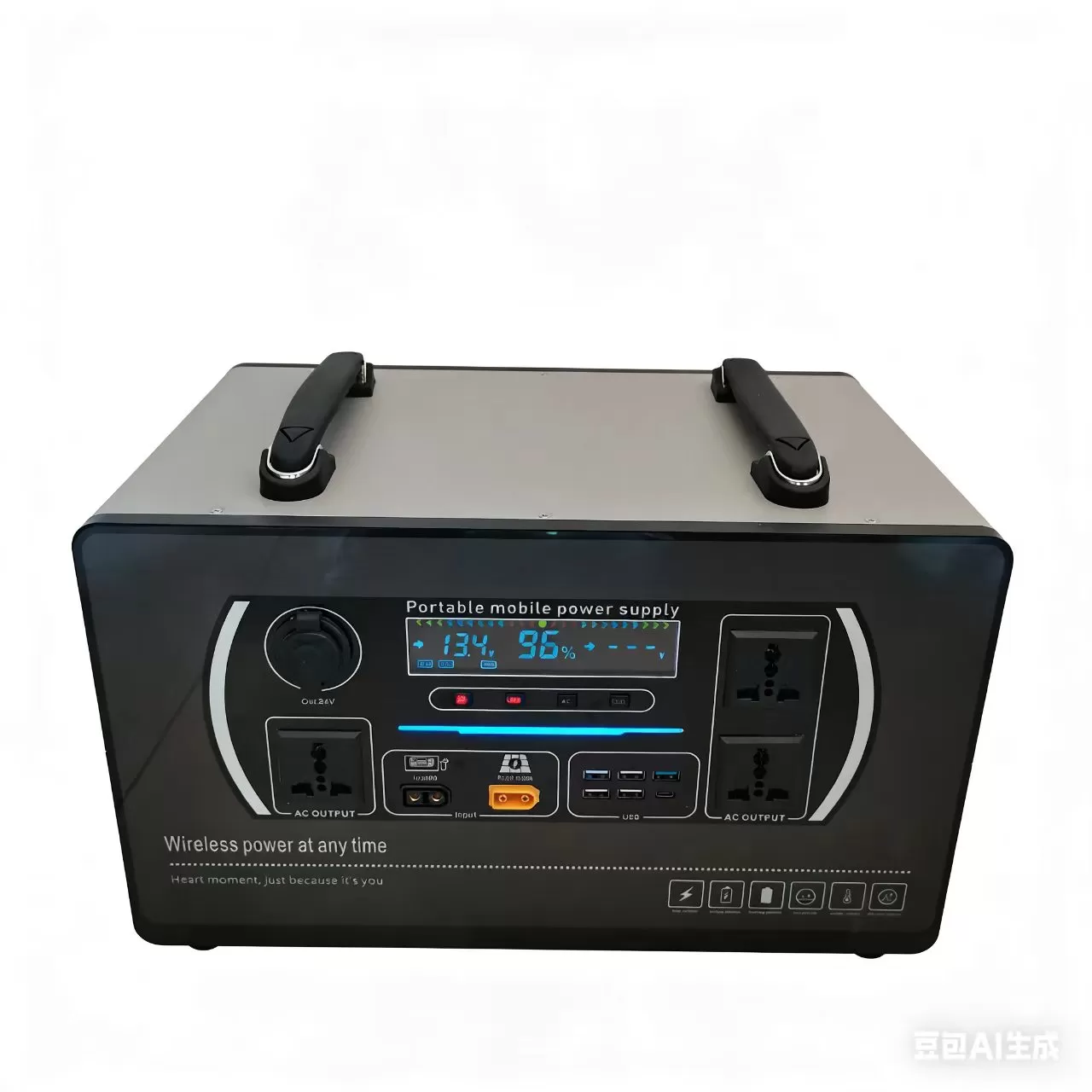
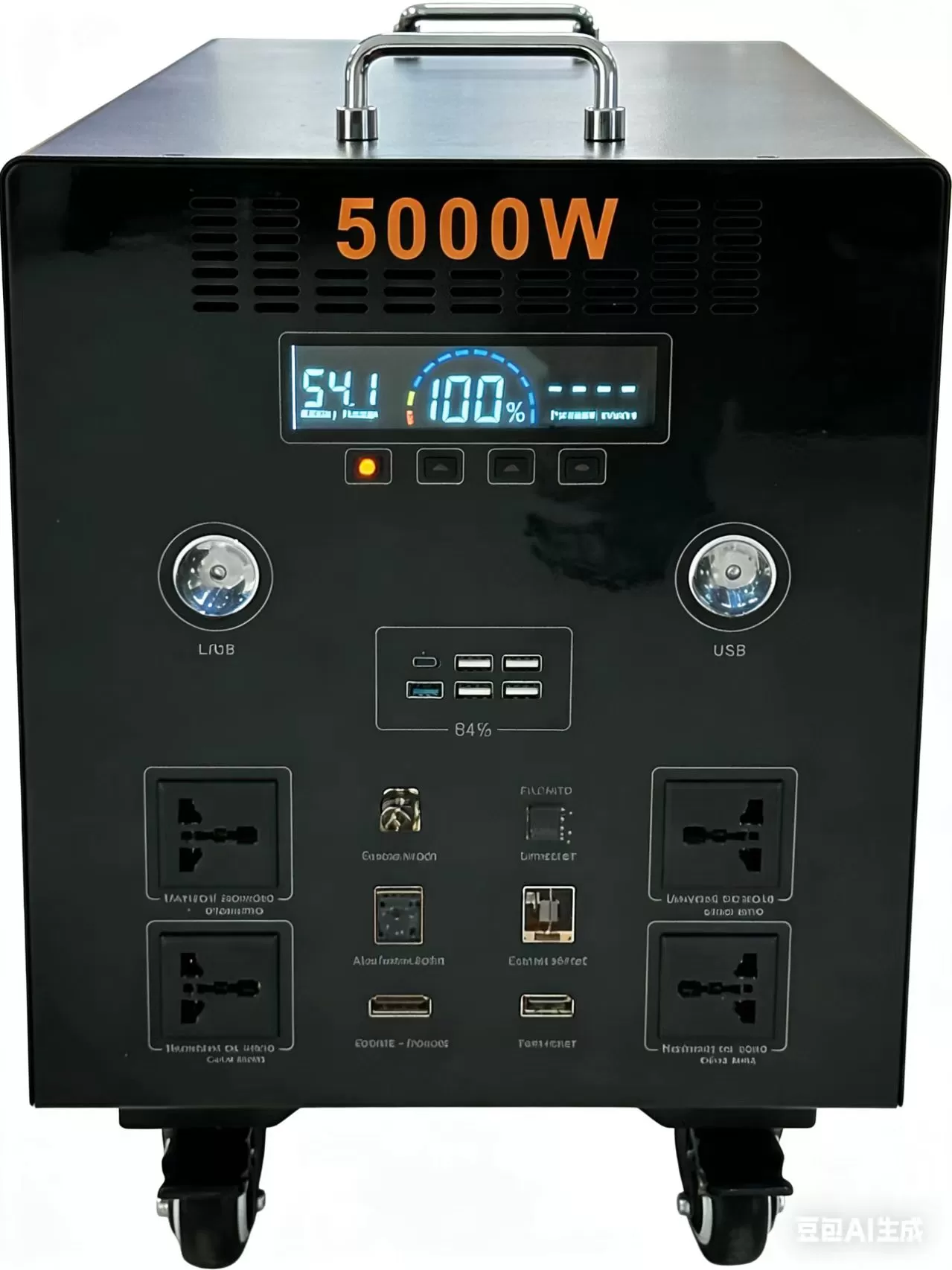
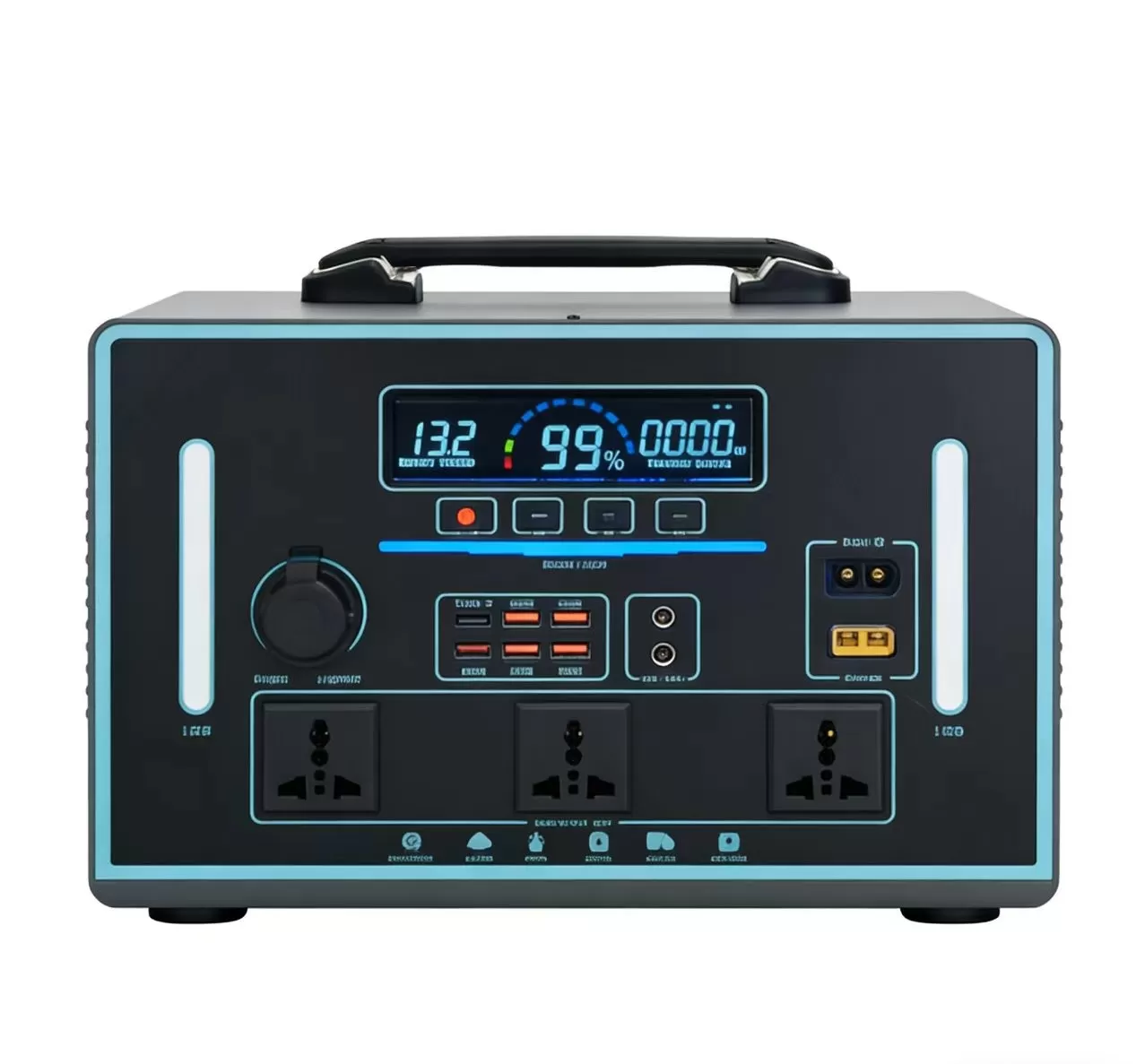
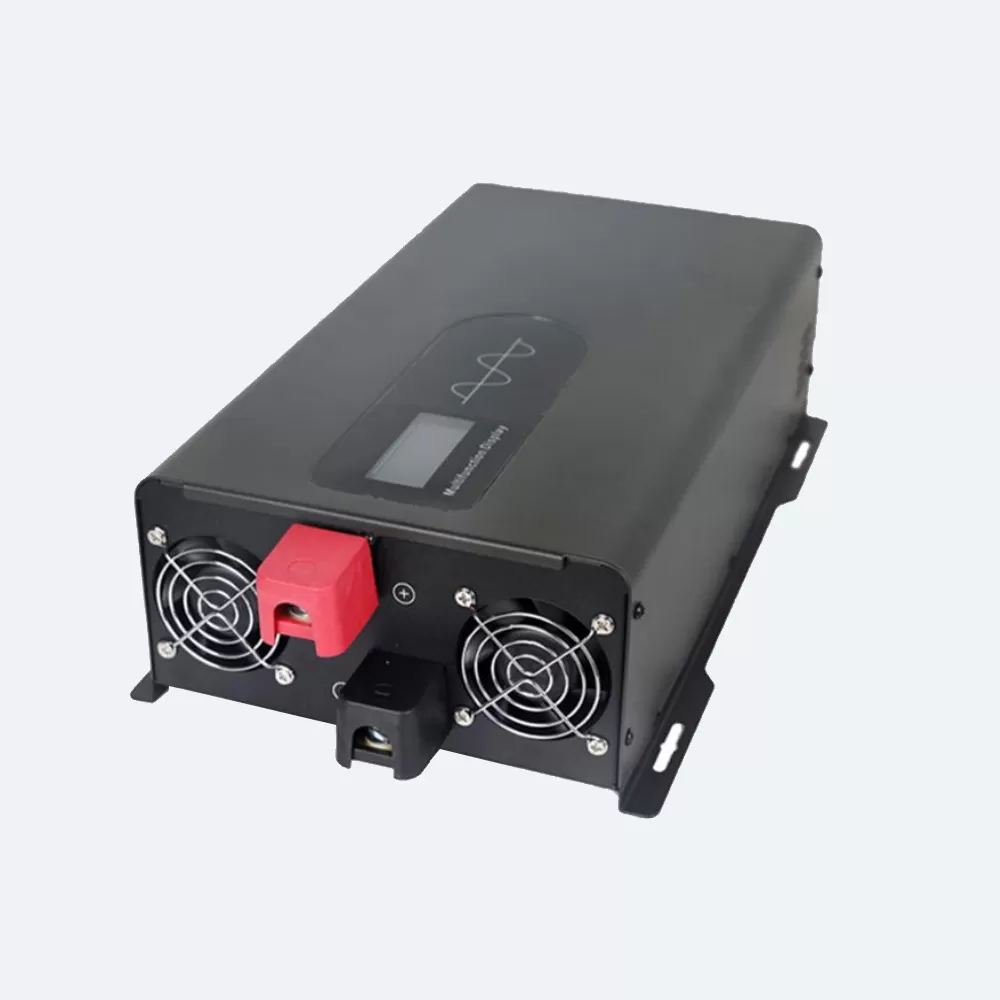
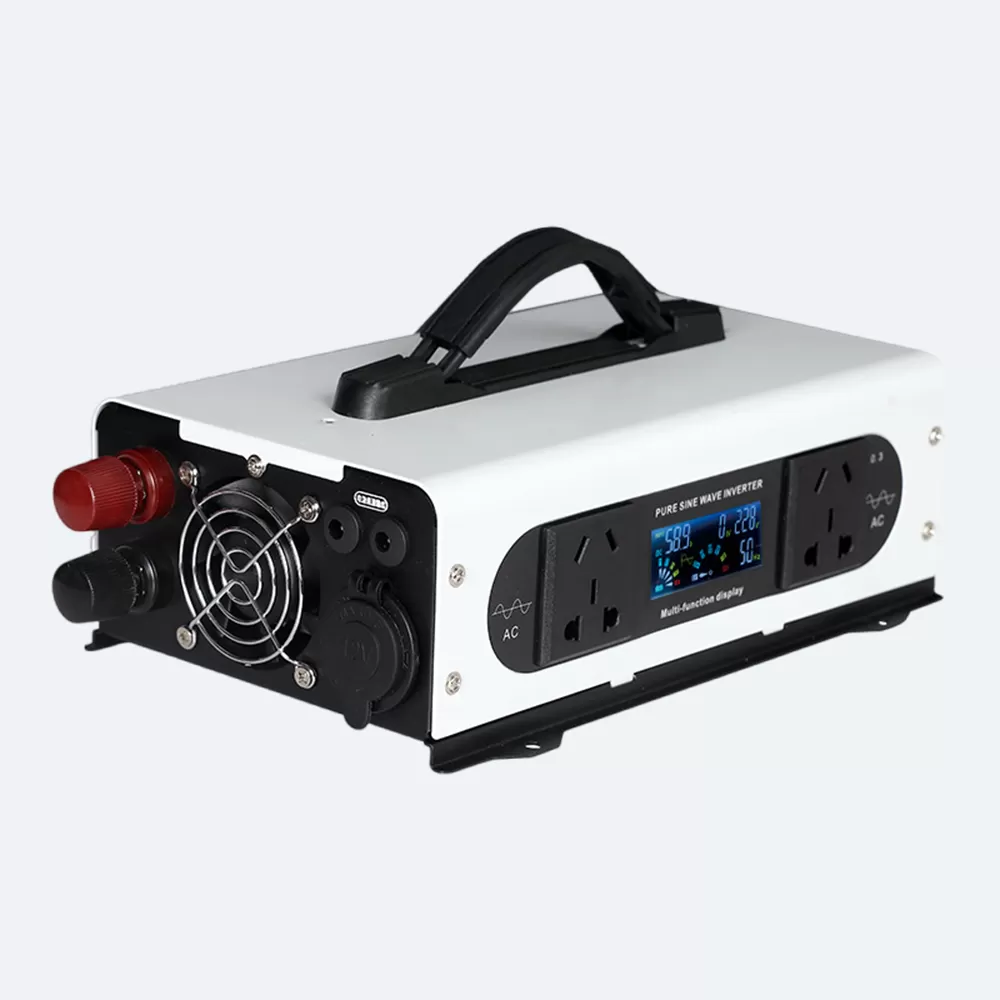
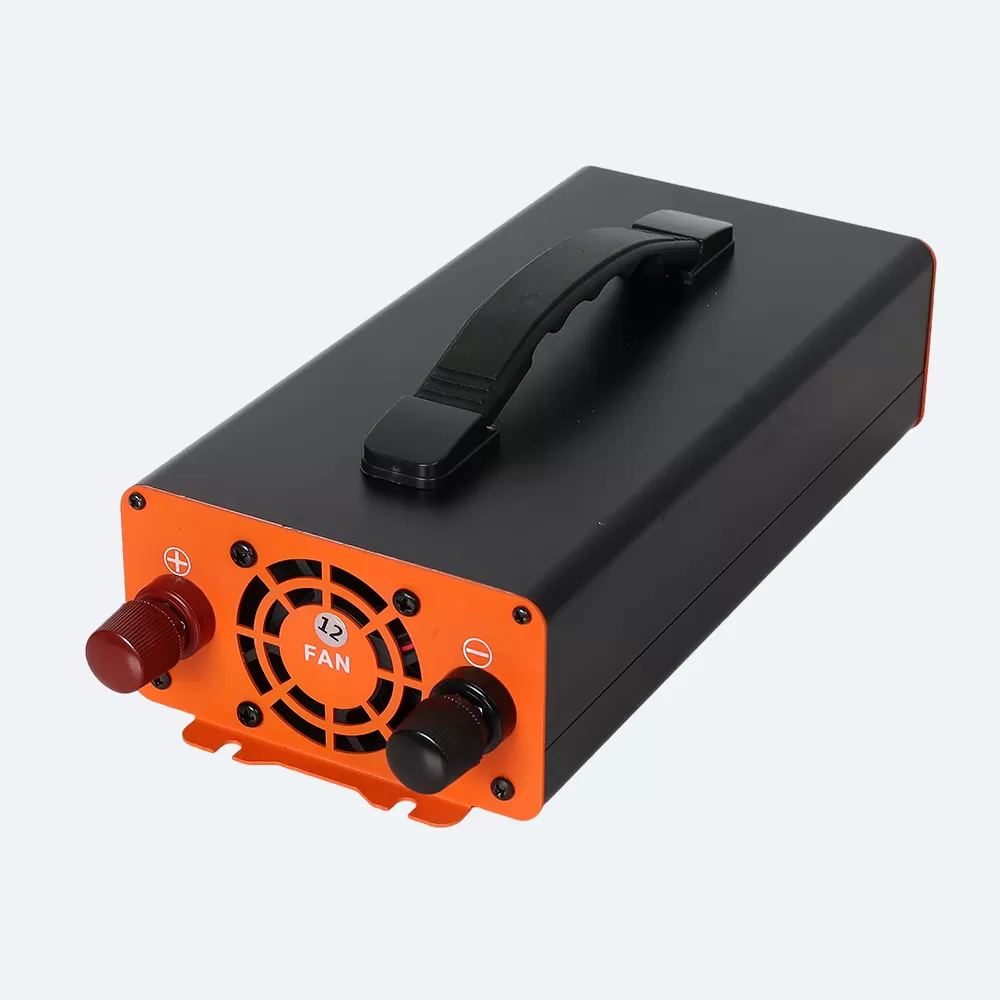
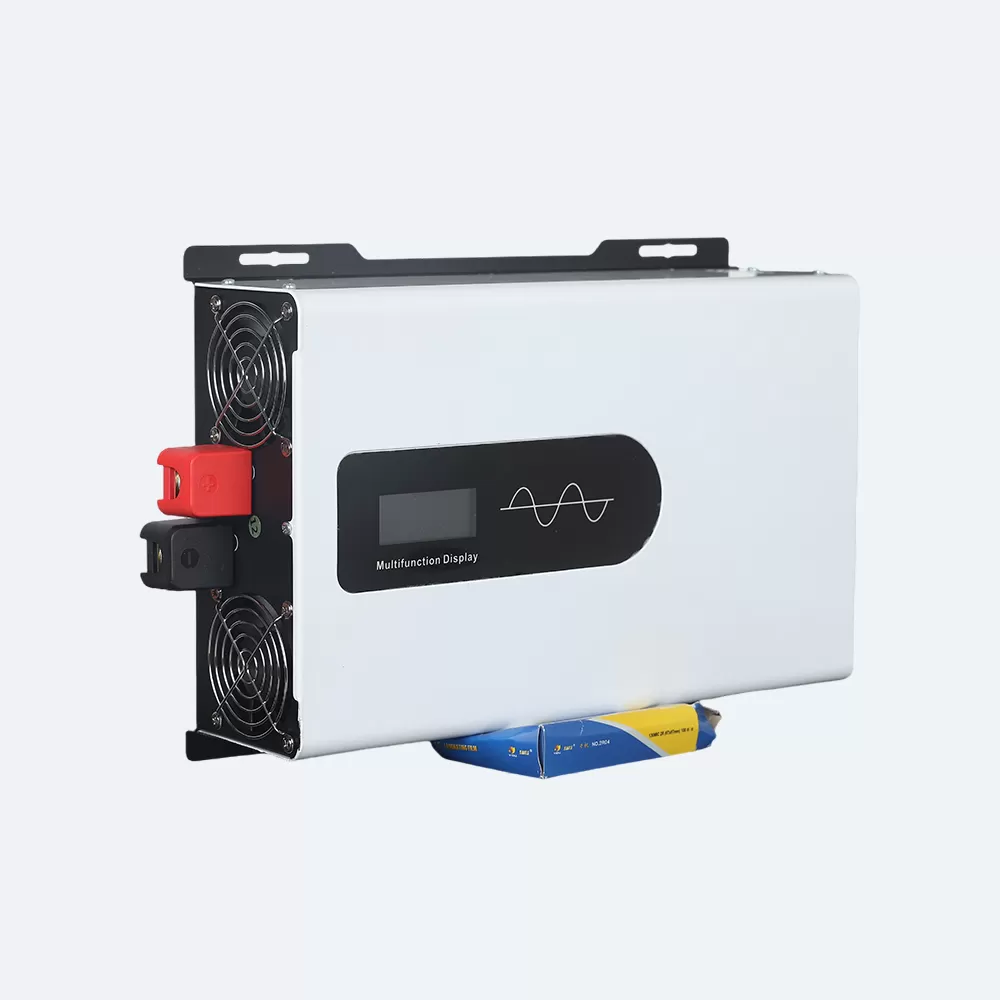
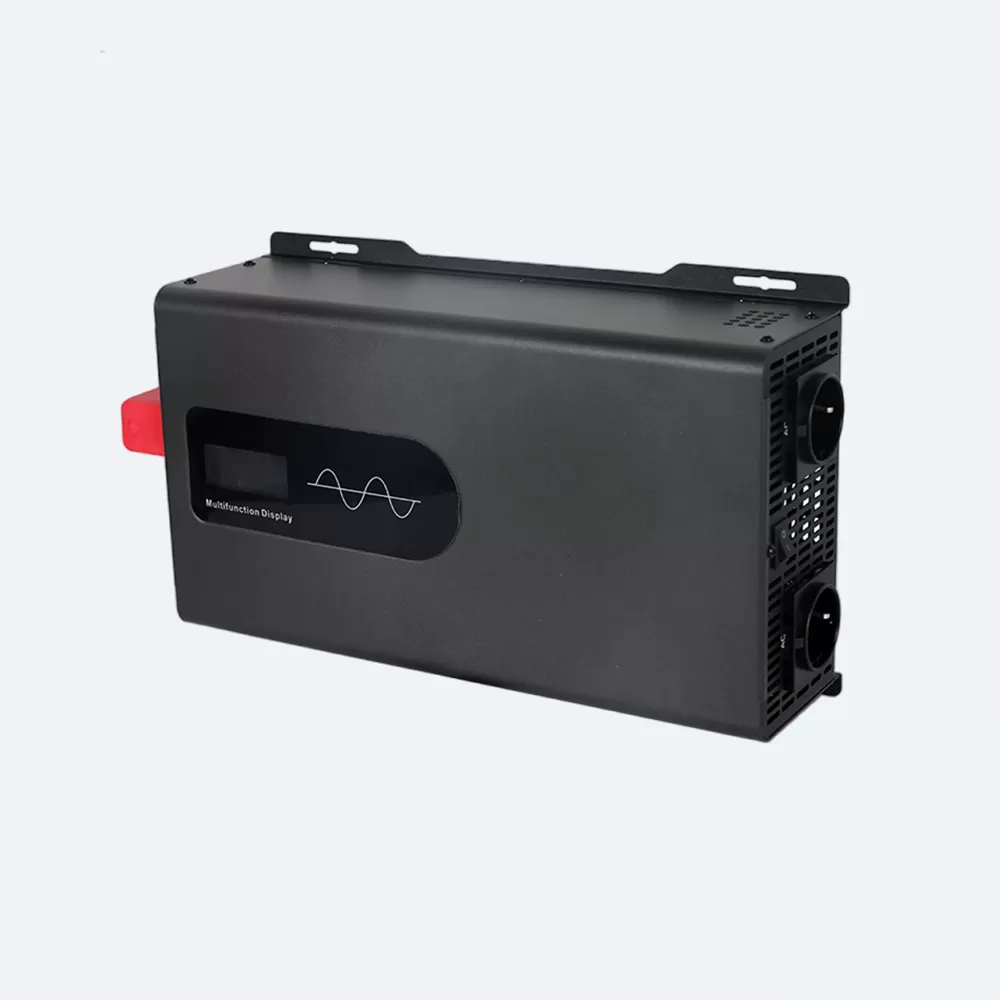
Low Frequency Pure Sine Wave Inverter Hc-Pv(Long Gray)
- Product Brief: CategoryDetailed Parameters1KW1.5KW2KW3KW4KW5KW6KWSystem VoltageNominal Battery System12/24/48VDC12/24/48VDC12/24/48VDC12/24/48VDC24/48VDC24/48VDC24/48VDCInverter OutputContinuous Output Power1kW1.5kW2kW3kW4kW5kW6kWSurge Rating (VA)3000VA4500VA6000VA9000VA12000VA15000VA18000VAMotor Starting Capacity
Description
| Category | Detailed Parameters | 1KW | 1.5KW | 2KW | 3KW | 4KW | 5KW | 6KW |
| System Voltage | Nominal Battery System | 12/24/48VDC | 12/24/48VDC | 12/24/48VDC | 12/24/48VDC | 24/48VDC | 24/48VDC | 24/48VDC |
| Inverter Output | Continuous Output Power | 1kW | 1.5kW | 2kW | 3kW | 4kW | 5kW | 6kW |
| Surge Rating (VA) | 3000VA | 4500VA | 6000VA | 9000VA | 12000VA | 15000VA | 18000VA | |
| Motor Starting Capacity | 1 HP | 1.5 HP | 2 HP | 3 HP | 4 HP | 5 HP | 6 HP | |
| Waveform / Efficiency | Pure Sine Wave / Peak Efficiency >88% / Line Mode >95% | |||||||
| Output Voltage / Freq | 100V-240VAC (Optional) / 60/50Hz ± 0.3Hz | |||||||
| AC Input | Voltage Range | 100V-240VAC / Selectable Range: 92-253VAC (for PC) | ||||||
| Charger | AC Input Breaker | 15A | 15A | 20A | 30A | 30A | 40A | 40A |
| Max Charge Current | 30A | 30A | 30A | 30A | 30A | 30A | 30A | |
| Bypass Protection | Bypass Breaker Rating | 15A | 15A | 20A | 30A | 30A | 40A | 40A |
| Max Bypass Current | 30Amp | 30Amp | 30Amp | 30Amp | 30Amp | 30Amp | 30Amp | |
| Mechanical Specs | Machine Size (mm) | 360*185*180 | 360*185*180 | 420*185*180 | 420*185*180 | 597*195*190 | 597*195*190 | 597*195*190 |
| Net Weight (N.W) kg | 13.5 | 14 | 17 | 21 | 27 | 29.5 | 30.5 | |
| Gross Weight (G.W) kg | 15.5 | 15.5 | 19 | 23.5 | 29.5 | 31.5 | 32.5 | |
| Certification | Standards | FCC, CE (EN), RoHS | ||||||
FAQs
Example: 800W PV array + 48V battery bank → 800 ÷ 48 × 1.25 = 20.8A → Choose a 20A or 30A controller.
Also, ensure the PV open-circuit voltage (Voc) does not exceed the controller's maximum PV input rating.
Connect the Battery first (positive to positive, negative to negative).
Connect the Solar Panels (PV input).
Connect the Load (optional).
Note: Use appropriately sized cables and fuses for safety.
PV Voltage Too Low: Ensure the solar panel voltage is at least 5V higher than the battery voltage.
Wiring Issues: Check for reversed polarity, loose connections, or blown fuses.
Battery Full: The controller will taper or stop charging once the battery is full.
Over-temperature Protection: The controller may reduce current if it gets too hot.
A built-in sensor adjusts the charging voltage based on battery temperature. It prevents overcharging in hot weather and undercharging in cold weather, significantly extending battery life.
MPPT (Maximum Power Point Tracking) is an advanced technology that continuously monitors the voltage and current output from solar panels, dynamically adjusting the operating point to extract the maximum available power under varying light conditions. It efficiently converts high PV voltage to the battery’s charging voltage, significantly boosting energy harvest compared to traditional PWM controllers.