Dongguan Hongyi Electric Products Co., Ltd.



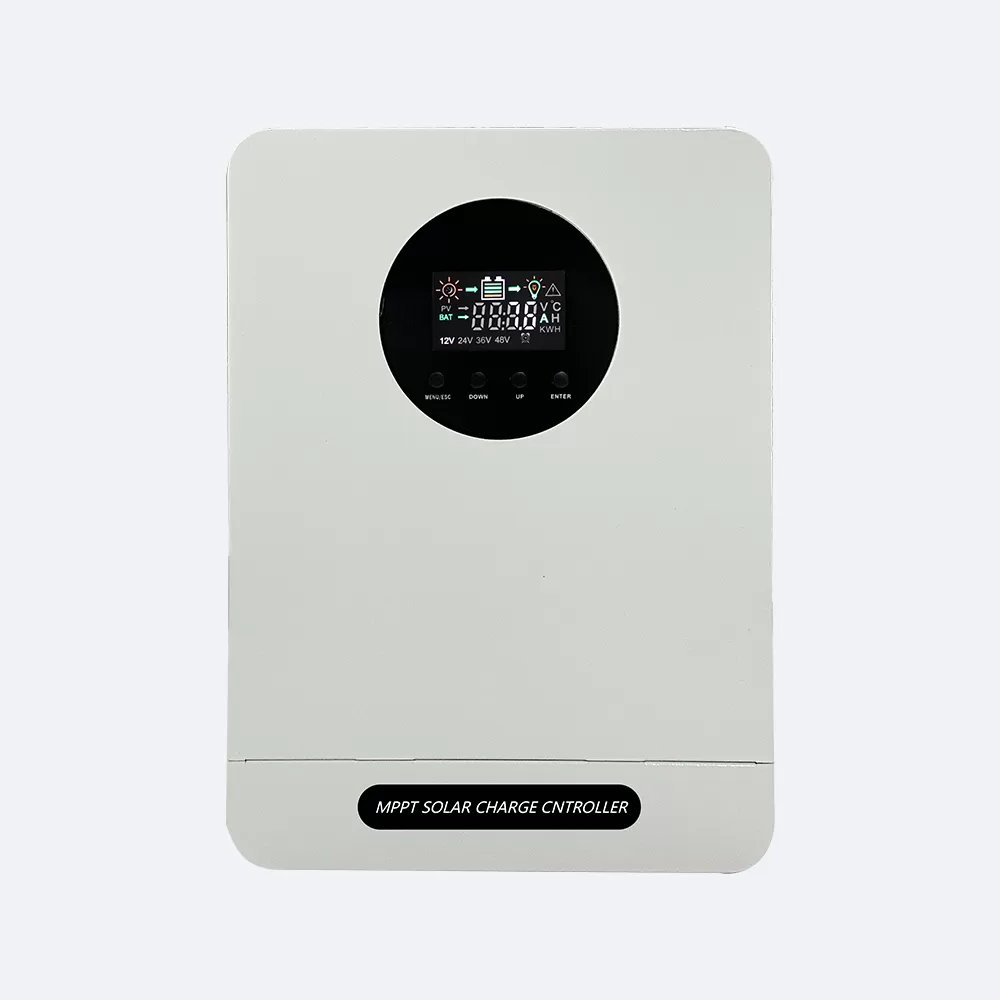
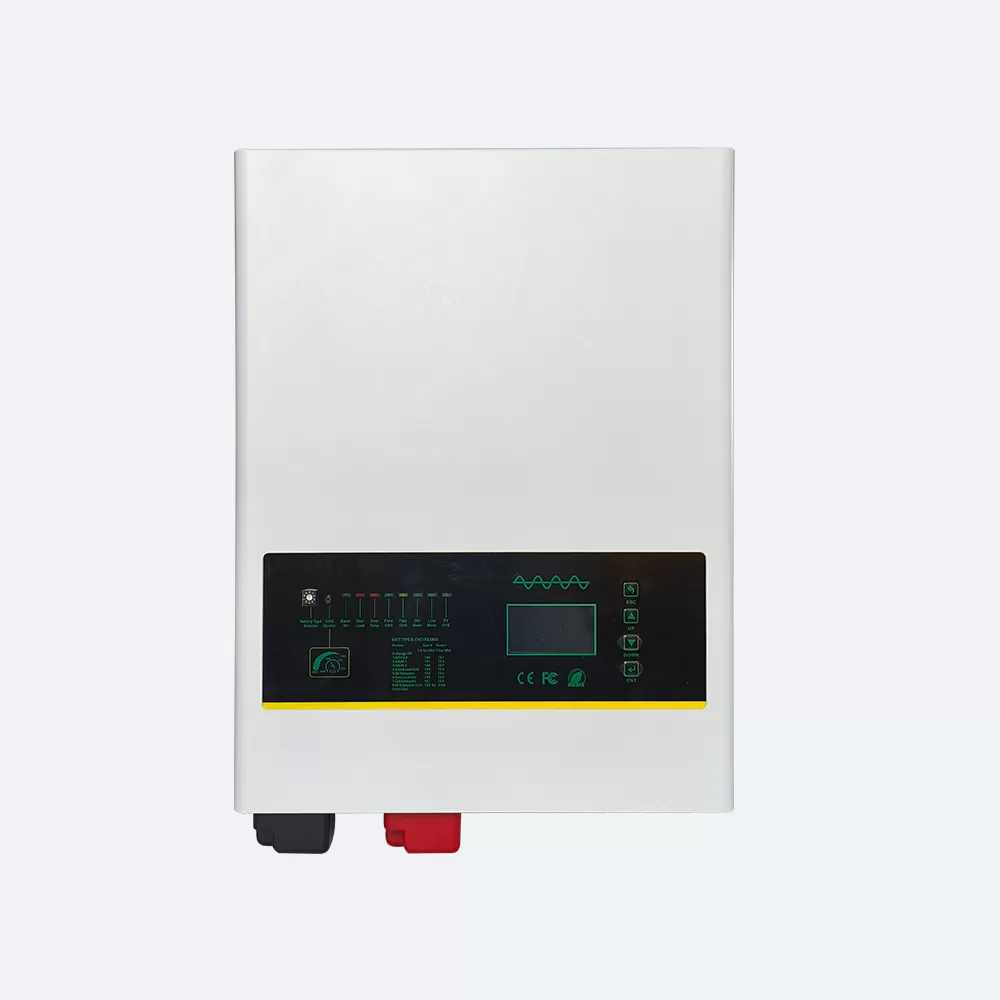
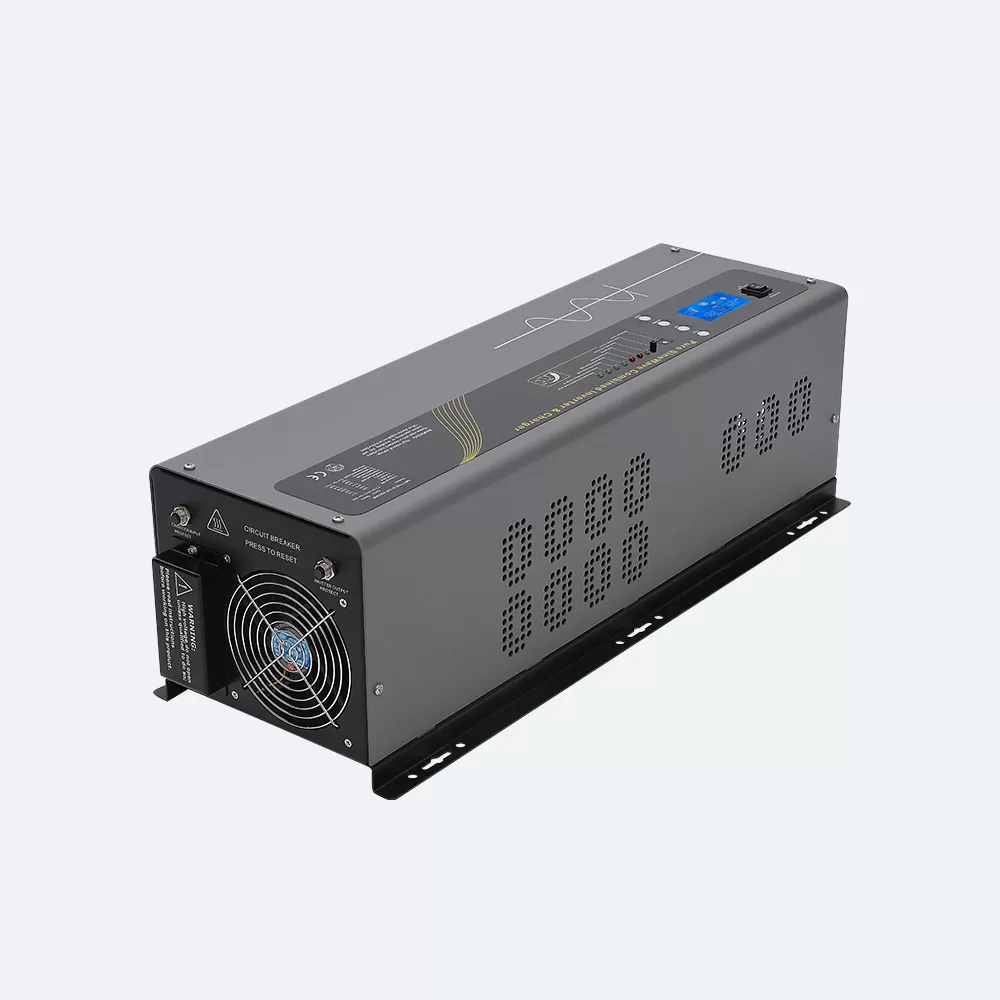
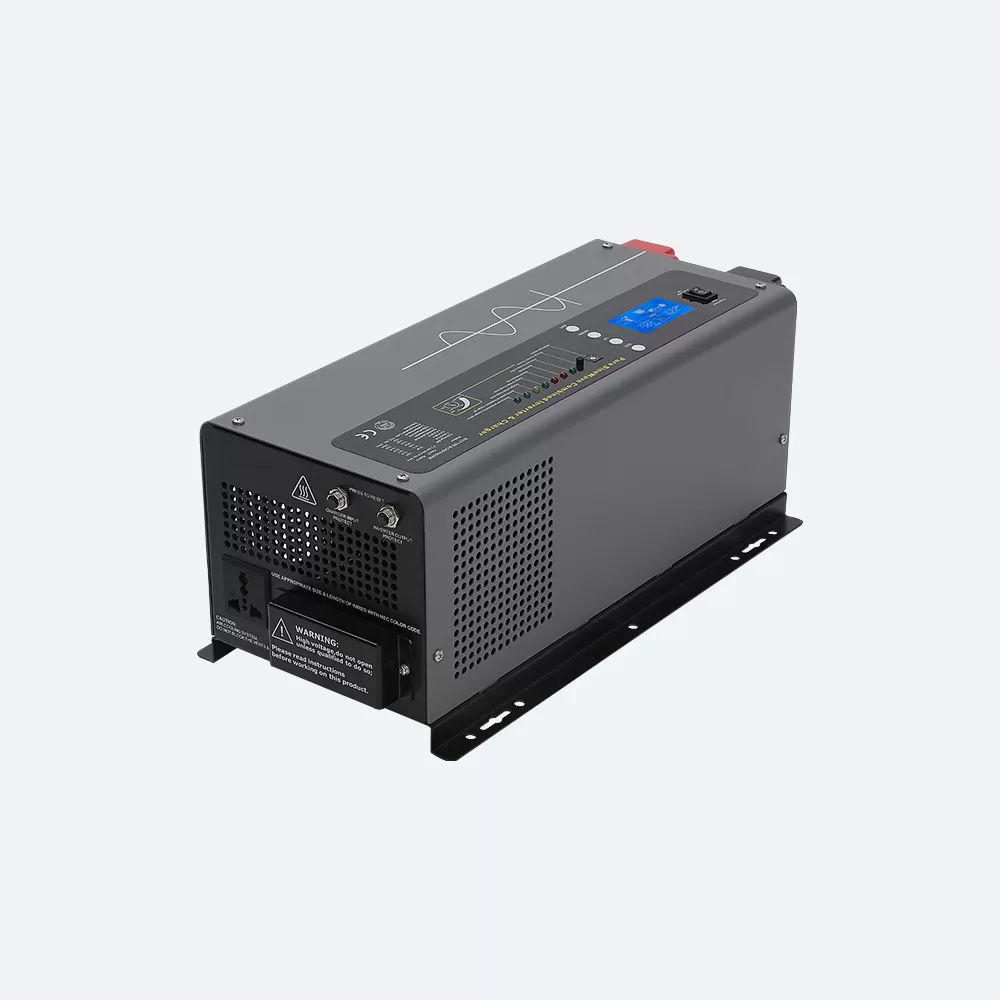
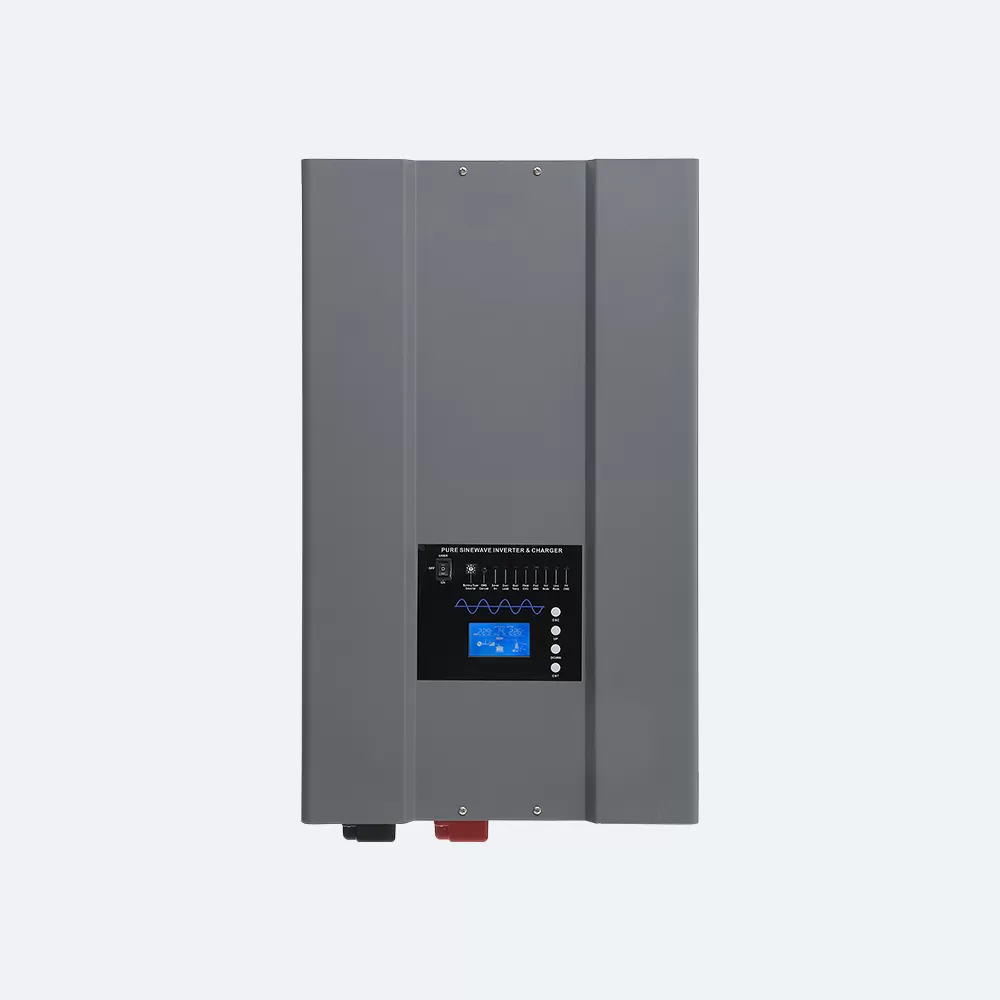
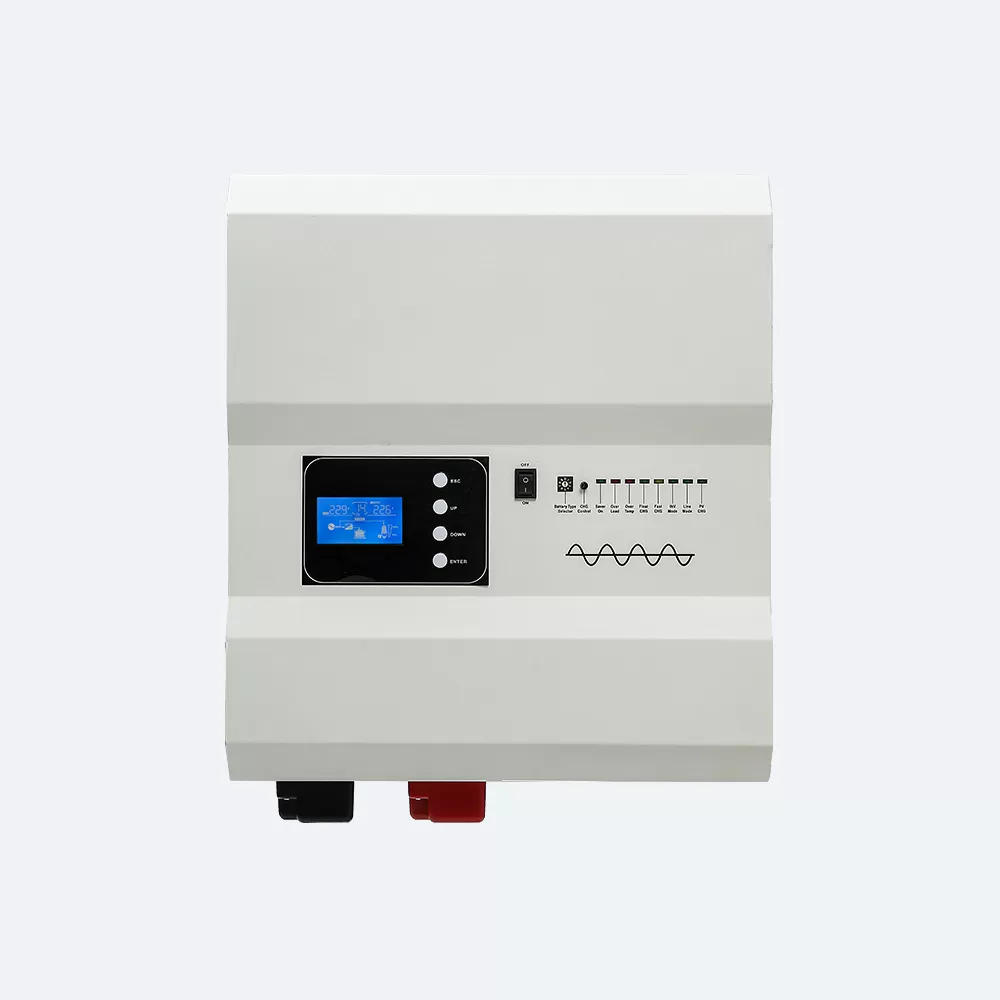
High-frequency MPPT solar charge controller
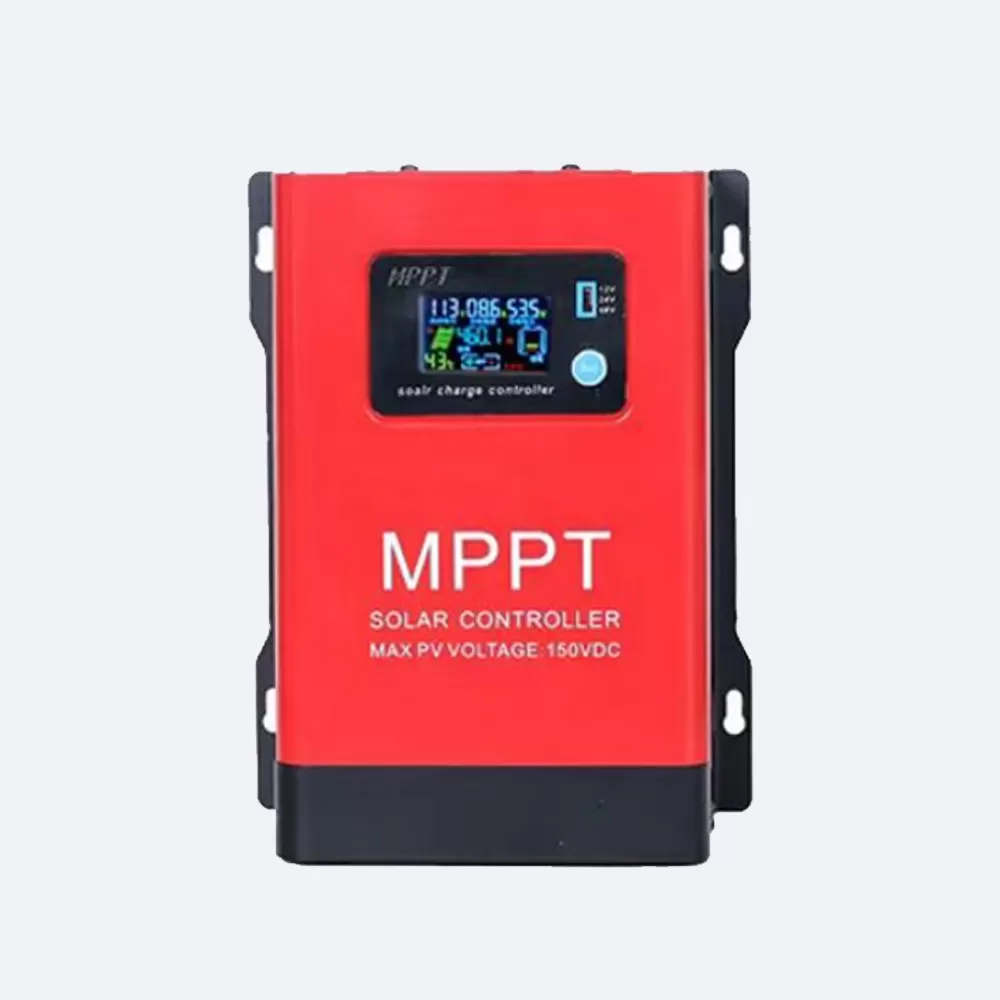
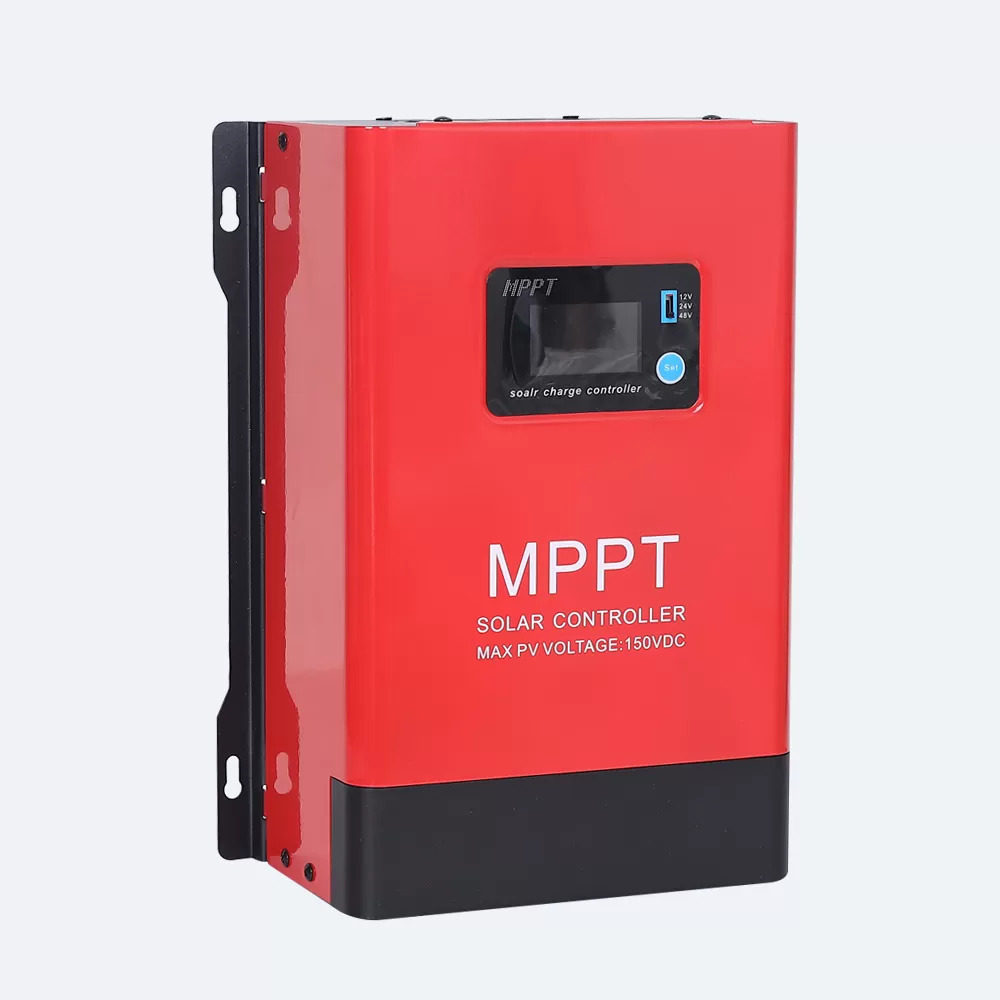
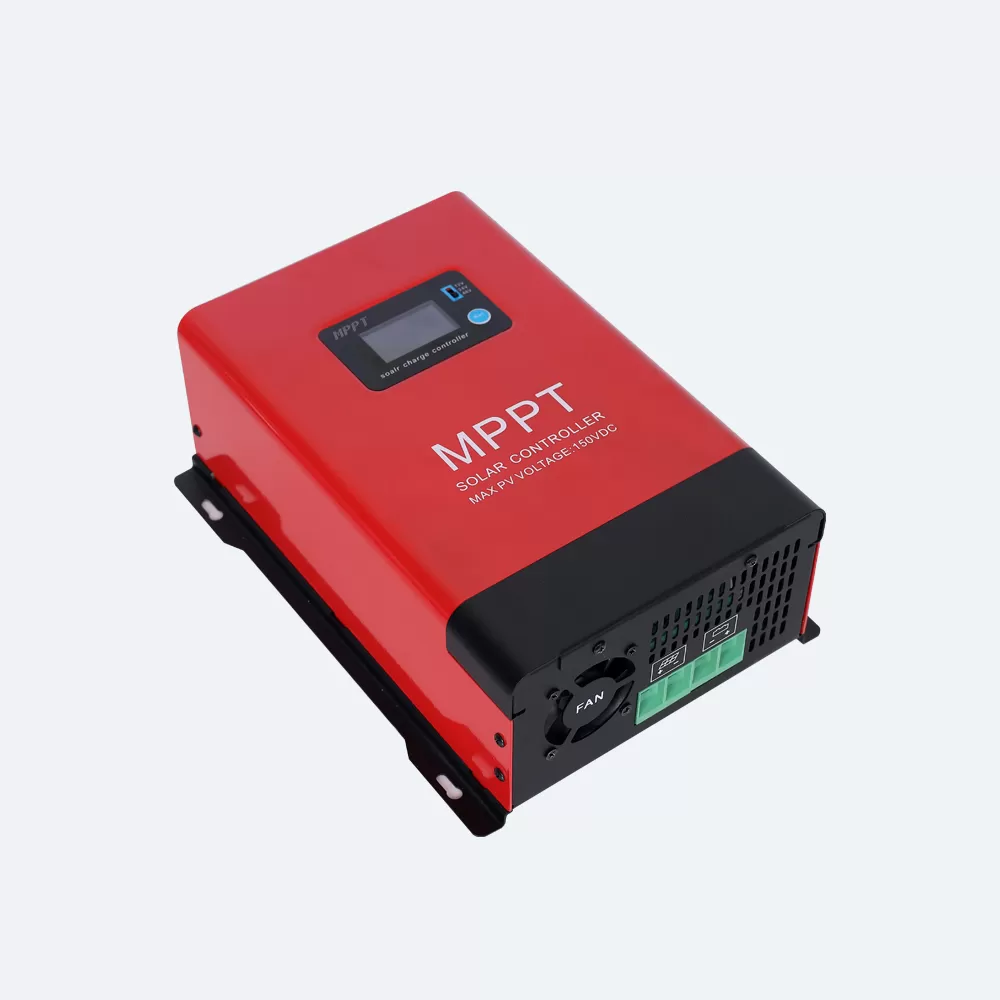
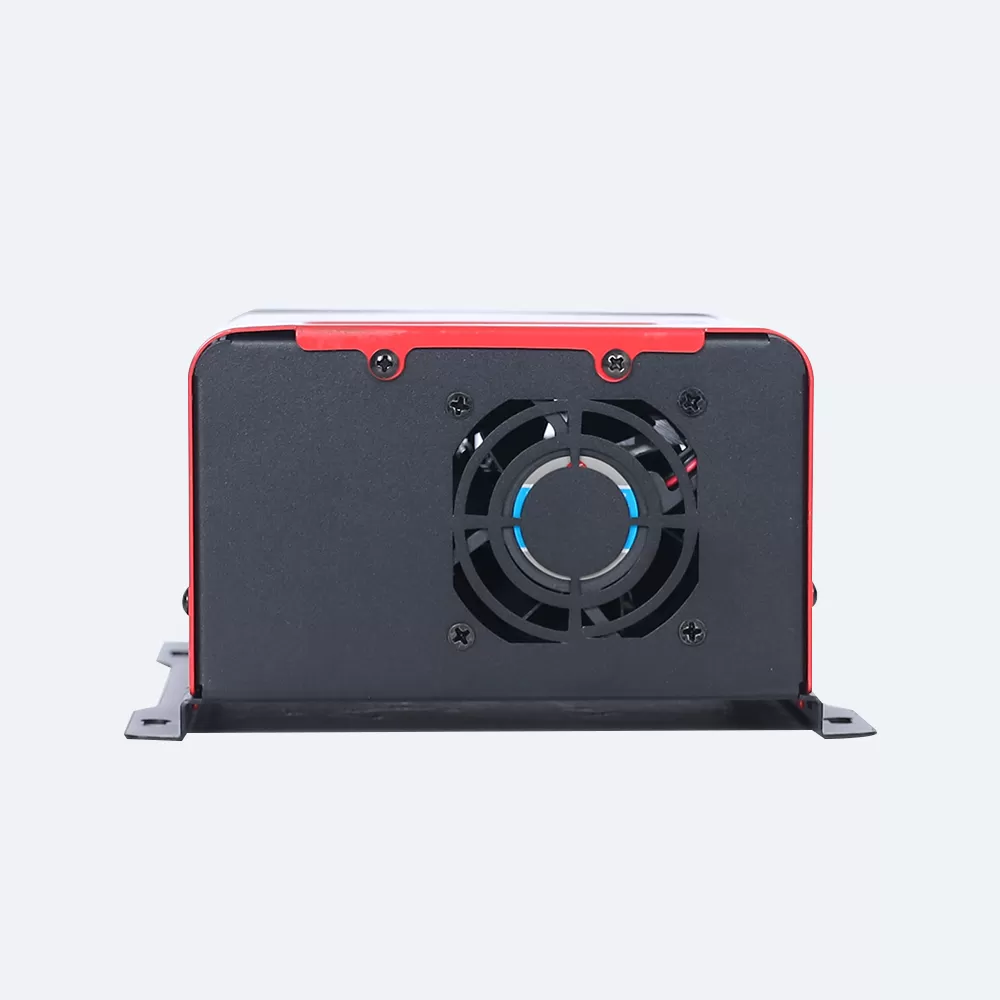
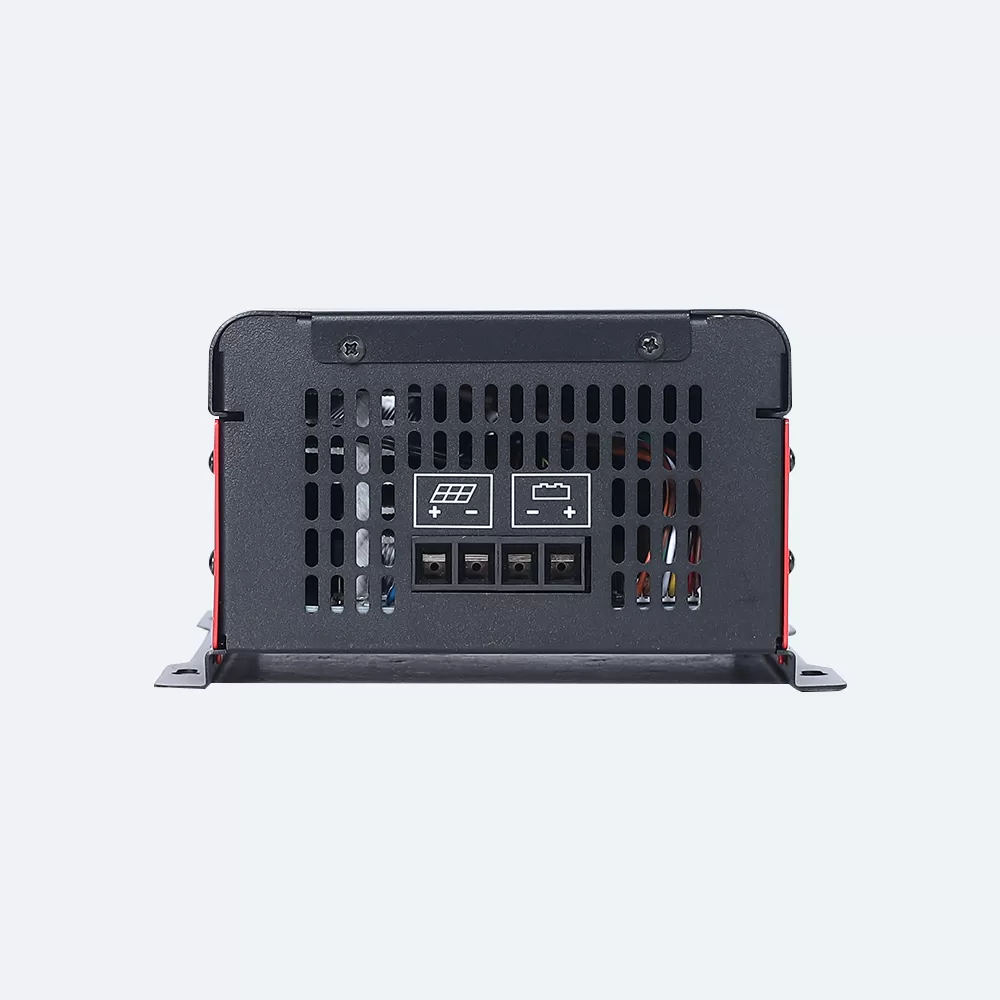
Solar Voltage Reduction Controller
Description
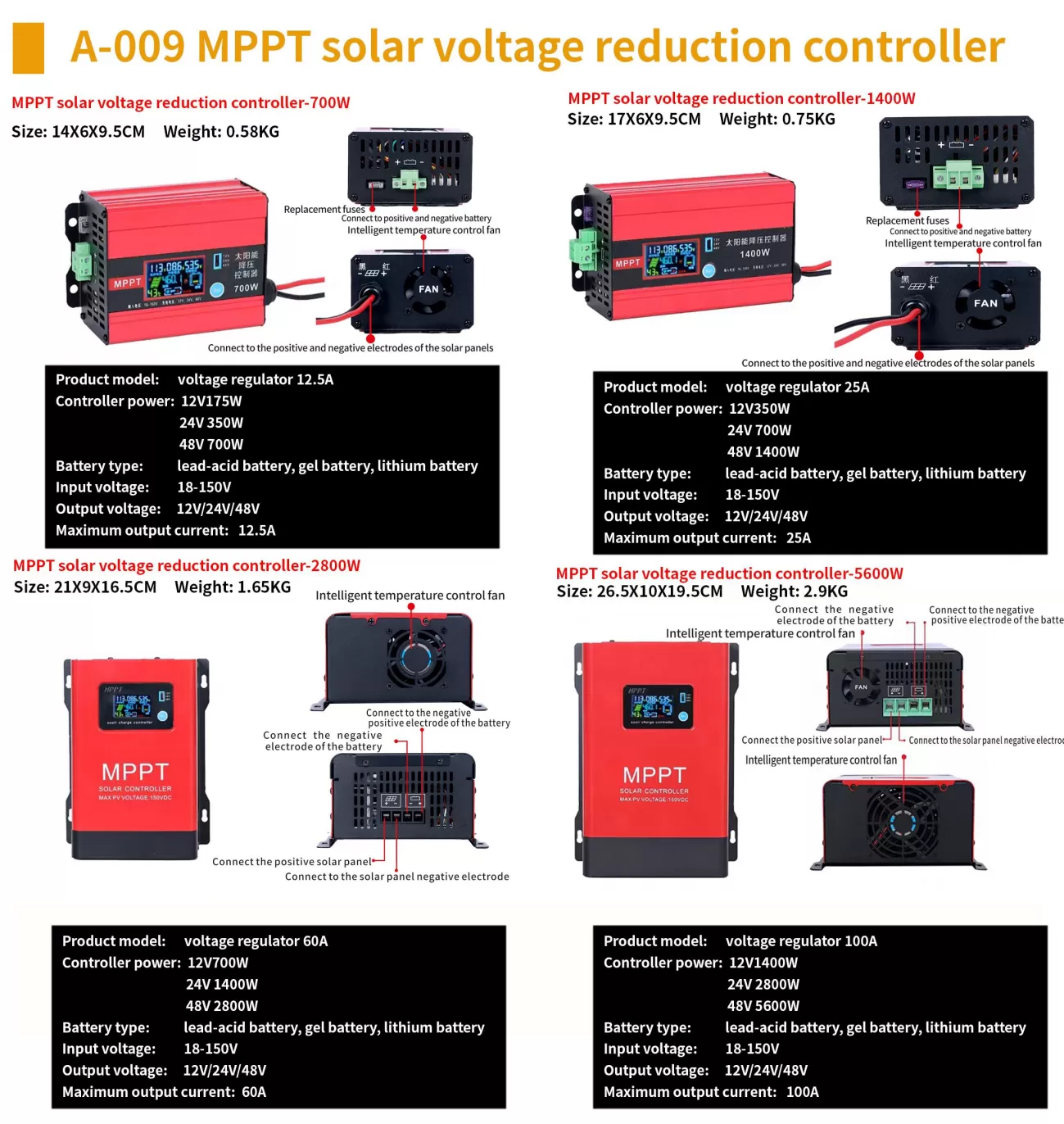
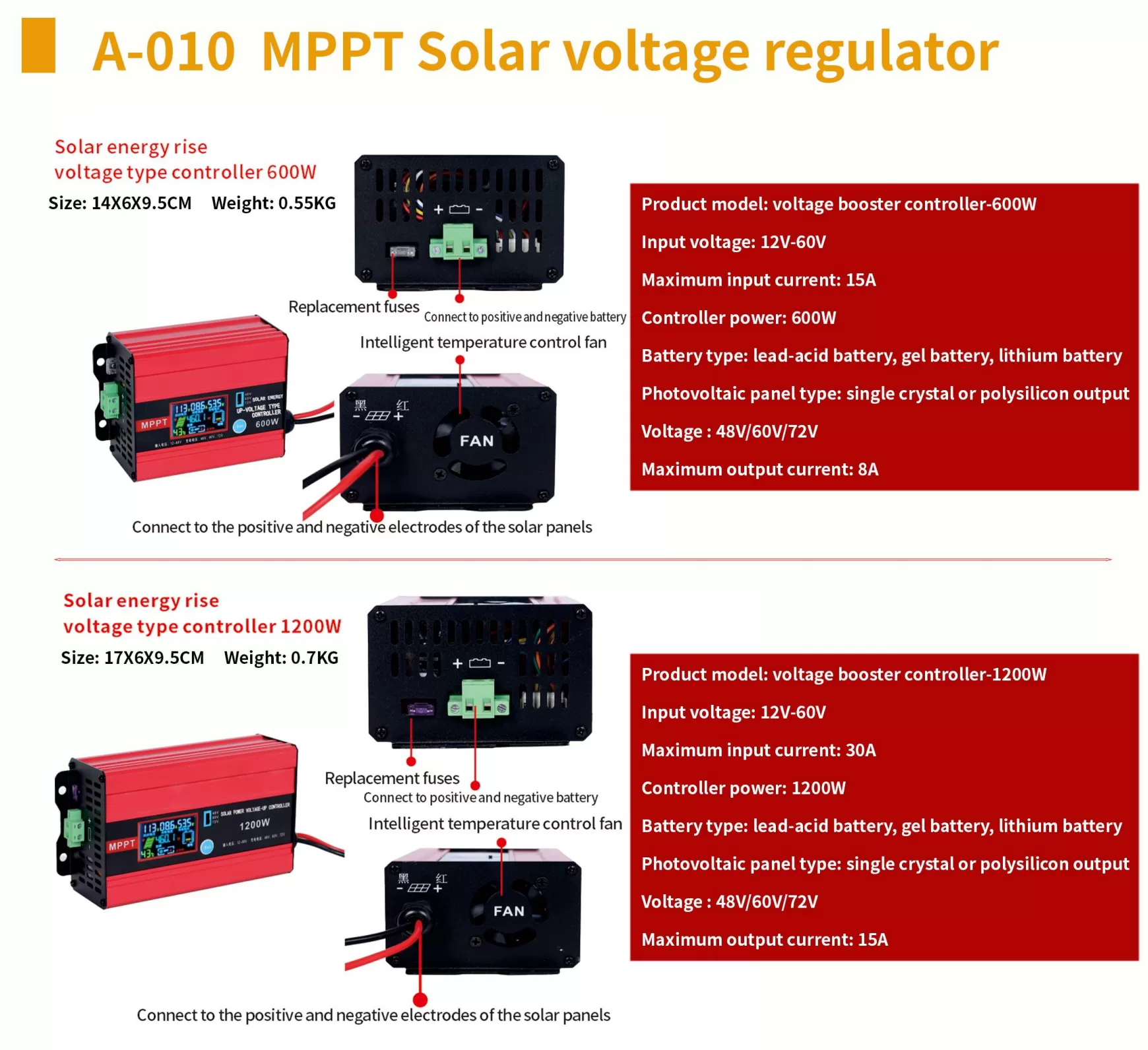
| Parameter Name | Parameter Value | ||
| Product Model | Step-down Solar Charge Controller | ||
| Input Voltage | 18V – 145V | ||
| Max Input Current | 25A – 100A | ||
| Input Power | 700W – 5600W | ||
| Battery Type | Lead-acid, Gel, Lithium | ||
| Solar Panel Type | Monocrystalline or Polycrystalline Silicon | ||
| Output Voltage | 12V / 24V / 48V | ||
| Max Output Current | 25A / 30A / 50A / 60A / 100A | ||
| Voltage Level | Switching Settings (Voltage & Type) | Configuration Details | Full Charge Voltage |
| 12V Level (Top Terminal) | 1. Lead-acid: 1pcs x 12V battery | Factory Default | 14.6V |
| 2. Lithium battery option - 4-cell lithium iron phosphate battery | 14.6V | ||
| 3. Lithium battery configuration - 3-cell ternary lithium battery | 12.6V | ||
| 4. Lithium battery option - 4-cell ternary lithium battery | 16.8V | ||
| 24V Level (Middle Terminal) | 1. Lead-acid setting - 2 lead-acid batteries | 29.2V | |
| 2. Lithium battery option - 8-cell lithium iron phosphate battery | 29.2V | ||
| 3. Lithium battery option - 7-cell ternary lithium battery | 29.4V | ||
| 4. Lithium Battery Mode — 6-Series Ternary Lithium Battery | 25.2V | ||
| 48V Level (Bottom Terminal) | 1. Lead-acid setting - 4 lead-acid batteries | 58.4V | |
| 2. Lithium battery option - 16-cell lithium iron phosphate battery | 58.4V | ||
| 3. Lithium Battery Mode — 15-Series Lithium Iron Phosphate Battery | 54.7V | ||
| 4. Lithium battery option - 14-cell ternary lithium battery | 58.8V | ||
FAQs
How to Choose the Right MPPT Controller Size?
What is the Correct Wiring Order?
Why is My Controller Not Charging?
What is Temperature Compensation?
What is an MPPT Solar Charge Controller?
REQUEST A QUOTE
RELATED PRODUCTS