Dongguan Hongyi Electric Products Co., Ltd.



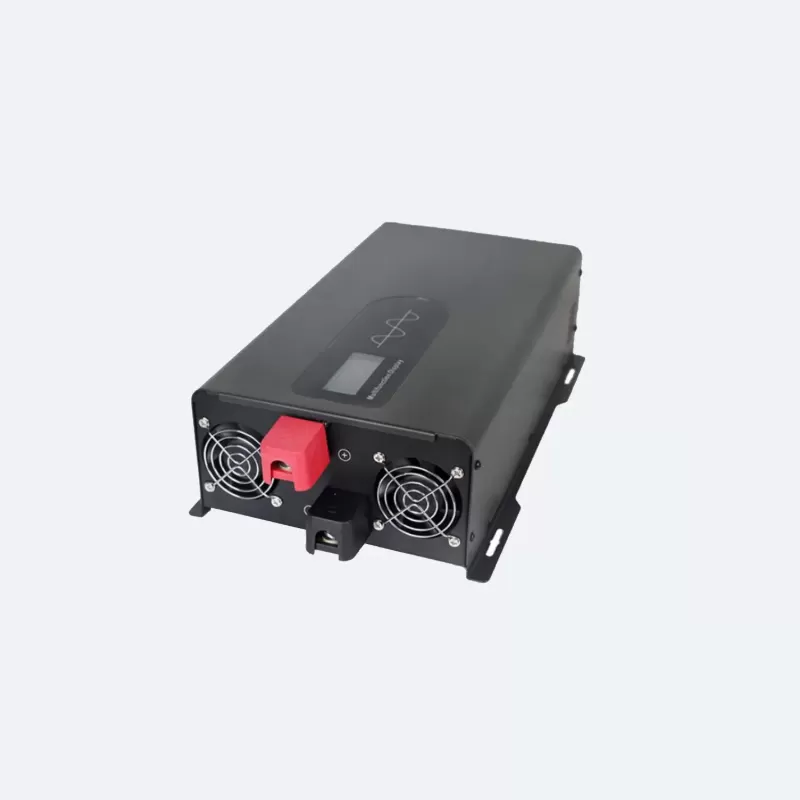
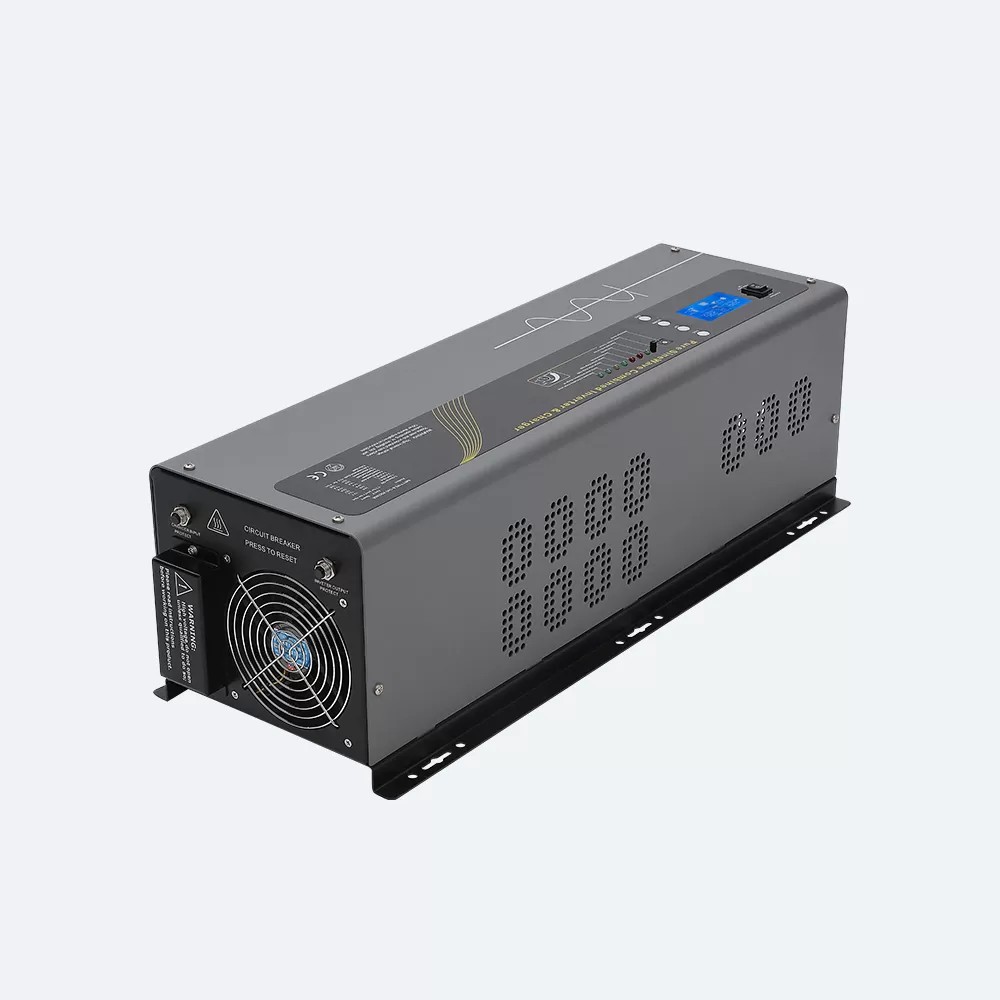
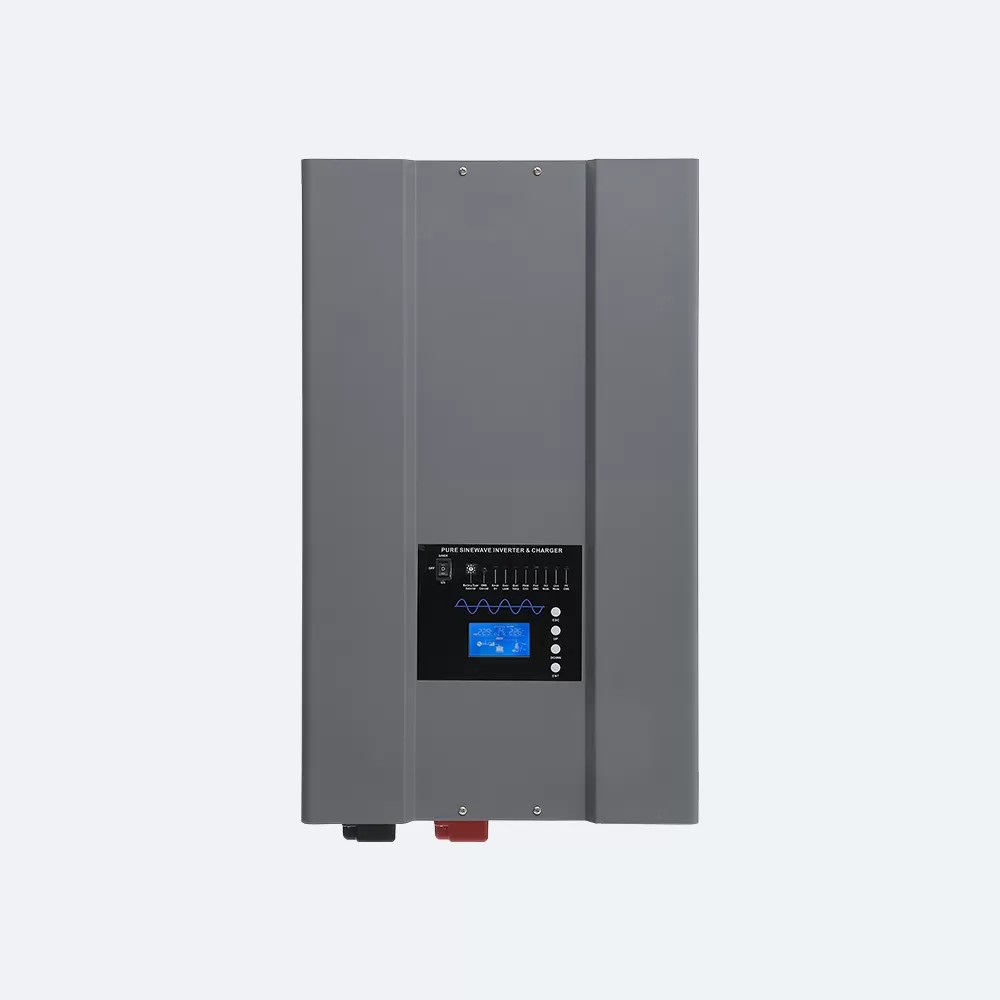
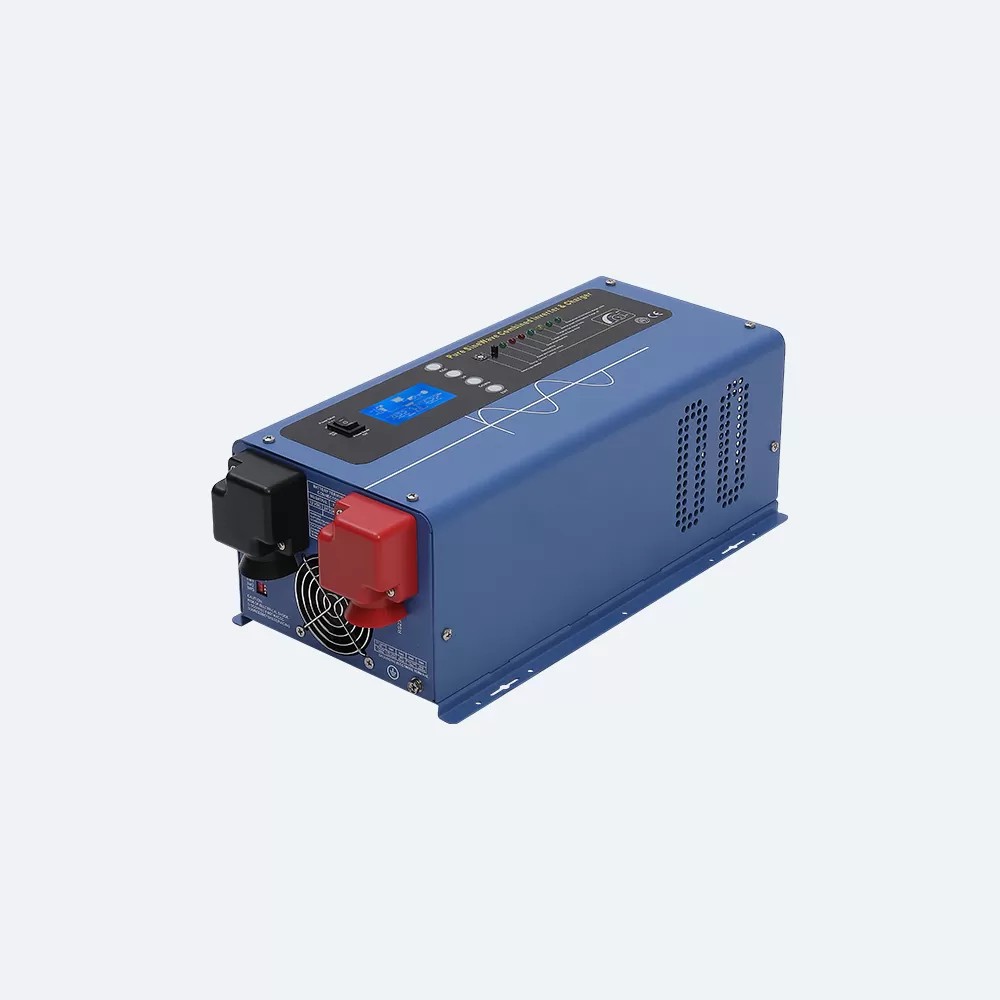
Updated Version High Frequency MPPT Solar Regulator
Against the backdrop of the global energy transition, solar energy, one of the most mature clean energy sources, is evolving from a supplementary power source to a major energy provider. Nevertheless, the efficiency of solar power systems is affected by multiple factors including sunlight intensity, ambient temperature and shading. Maximizing power generation efficiency and minimizing energy losses have become core challenges across the industry. As the "brain" of solar power systems, the MPPT (Maximum Power Point Tracking) solar regulator directly determines energy utilization efficiency.
This article takes the upgraded high-frequency MPPT solar regulator developed by Dongguan Hongyi Electric Products Co., Ltd. (hereinafter referred to as Hongyi) as the research subject. From three perspectives including technological breakthroughs, practical operation optimization and case verification, it analyzes how hardware upgrades and strategic adjustments can boost the efficiency of solar power systems by over 30%.
## I. High-Frequency MPPT Technology: Core Driver for Efficiency Improvement
### 1. Limitations of Traditional MPPT Devices
Most conventional MPPT regulators adopt low-frequency switching technology (below 50kHz), which comes with two major drawbacks:
- **Slow response**: When sunlight changes abruptly (such as cloud cover), the devices fail to adjust the operating point promptly, resulting in power generation losses.
- **Low conversion efficiency**: Low-frequency switching leads to substantial power loss. Especially under partial load conditions, the efficiency drops sharply. Actual tests show that some models register an efficiency lower than 85% at 20% load.
### 2. Technological Breakthroughs of High-Frequency MPPT
Hongyi’s upgraded high-frequency MPPT solar regulator features a switching frequency above 200kHz. It addresses the above pain points via three key innovations:
- **5 times faster dynamic response**: Equipped with a Digital Signal Processor (DSP) and high-speed sampling circuits, it completes maximum power point tracking within 10ms, cutting power generation losses by 80% amid sudden sunlight fluctuations.
- **Over 98% efficiency across all load ranges**: The high-frequency switching design reduces switching losses. Test results prove its efficiency stays above 97% under loads ranging from 30% to 100%, representing an average 12% efficiency gain over traditional models.
- **Lightweight structure**: High-frequency operation downsizes inductors, capacitors and other components, slashing overall weight by 40% for easier installation and transportation.
#### Practical Recommendations
- Prioritize high-frequency models during selection: Check the **switching frequency** parameter in product specifications, and opt for models with a frequency of 150kHz or above.
- Match power rating properly: The rated power of the regulator shall be no less than 1.2 times the total power of solar panels to avoid efficiency degradation caused by overload.
## II. Intelligent Algorithm Optimization: From Passive Tracking to Active Prediction
### 1. Drawbacks of Traditional MPPT Algorithms
Traditional algorithms such as Perturbation and Observation (P&O) and Incremental Conductance (IncCond) suffer from oscillation issues. The devices keep making repeated adjustments around the maximum power point, triggering unstable efficiency.
### 2. Upgraded Intelligent Algorithms by Hongyi
Embedded with an adaptive prediction algorithm, Hongyi’s high-frequency MPPT regulator optimizes operational efficiency through the following mechanisms:
- **Historical data learning**: It records daily sunlight variation patterns to predict the position of the maximum power point for the next day, shortening the tracking process.
- **Multi-parameter coordinated control**: It dynamically adjusts tracking steps by analyzing real-time voltage, current and temperature data. For instance, it adopts smaller steps under high temperatures to avoid overshoot.
- **Optimization for shaded conditions**: In cases of partial shading, it rapidly locates the global maximum power point through zonal scanning. Field tests show a 25% increase in power generation when panels are 30% shaded.
#### Case Verification
A 50kW photovoltaic power station in Southeast Asia replaced its original equipment with Hongyi’s high-frequency MPPT regulators. Its annual power output rose from 62,000 kWh to 78,000 kWh, marking an efficiency improvement of 25.8%.
#### Practical Recommendations
- Update firmware regularly: Manufacturers often optimize algorithms via OTA upgrades. It is advised to check for updates quarterly.
- Use with monitoring systems: Connect the device to Hongyi’s cloud monitoring platform to view real-time MPPT efficiency curves, and adjust panel installation angles or clean solar panels in a timely manner.
## III. Reliability Design: From Laboratory Performance to Field Operation
### 1. Harsh Environmental Challenges for Solar Regulators
Solar power systems are mostly installed outdoors and have to withstand severe working conditions:
- **High temperature**: The surface temperature of solar panels can exceed 70°C in desert areas, shortening the service life of electronic components.
- **Dust and sand**: Infiltrating particles may lead to short circuits or poor electrical contact.
- **Lightning strikes**: Direct or induced lightning surges can easily damage the regulators.
### 2. Reliability Solutions from Hongyi
- **Wide temperature adaptability**: Built with industrial-grade components, the device operates stably in temperatures ranging from -40°C to 85°C. It has run continuously for 5 years without faults in environments of 55°C.
- **IP67 protection rating**: The fully sealed structure blocks all dust ingress and remains functional after temporary immersion in water at a depth of 1 meter.
- **Three-level lightning protection**: Integrated with varistors, gas discharge tubes and TVS diodes, it complies with the IEC 61643-1 standard, reducing lightning-related failure rates by 90%.
#### Service Case
An off-grid power supply project in Africa, which provides electricity for 200 rural households, adopted Hongyi’s high-frequency MPPT regulators. The devices operated flawlessly throughout two consecutive rainy seasons with frequent thunderstorms, lifting the overall system availability from 82% to 98%.
#### Practical Recommendations
- Ensure proper grounding during installation: Firmly connect the regulator shell to the grounding system to enhance lightning protection.
- Conduct regular cleaning: Wipe dust off the device surface with a soft brush every quarter to prevent heat dissipation holes from being blocked.
## IV. Multi-Scenario Adaptation: From Household Energy Storage to Large-Scale Power Stations
### 1. Household Energy Storage
**Requirements**: Low cost, easy installation and compatibility with lithium batteries.
**Solutions**: Hongyi offers high-frequency MPPT regulators ranging from 500W to 5kW, supporting switchover between lead-acid batteries and lithium batteries. Users can monitor operating status remotely via mobile APP.
### 2. Commercial Rooftop Power Stations
**Requirements**: High efficiency and multi-channel MPPT for solar panels installed at different orientations.
**Solutions**: Models from 10kW to 60kW support 4 independent MPPT input channels. Each channel conducts separate tracking, delivering a 15% power generation increase for rooftop systems with complex layouts.
### 3. Large-Scale Ground-Mounted Power Stations
**Requirements**: Cluster control and low operation & maintenance costs.
**Solutions**: Hundreds of regulators can be connected in parallel via CAN bus and managed by a central monitoring system, enabling a single operator to oversee a 10MW-level power station.
#### Practical Recommendations
- Choose all-in-one units for small systems: Household users are recommended to select integrated regulator and inverter units to save space and cut costs.
- Adopt modular units for large projects: Parallelable modular models are ideal for large-scale projects to facilitate future capacity expansion.
## Conclusion: The Efficiency Revolution for Clean Energy
Supported by high-frequency technological innovation, intelligent algorithm upgrading, robust reliability design and versatile scenario adaptation, Hongyi’s high-frequency MPPT solar regulator is setting new benchmarks for the efficiency of solar power systems. Investing in high-performance regulators not only brings economic returns (the cost can usually be recovered within 3 to 5 years), but also makes a tangible contribution to the dual carbon goals.
### Action Suggestions
- Evaluate the efficiency of your existing solar system. An upgrade is recommended if the overall efficiency is below 85%.
- Prioritize devices equipped with high-frequency MPPT, intelligent algorithms and wide-temperature resistance.
- Continuously optimize installation and maintenance strategies based on monitoring data.
The future of clean energy lies in refined optimization of every detail. Start with a high-frequency MPPT regulator, and maximize the value of every ray of sunlight.