Dongguan Hongyi Electric Products Co., Ltd.



Discover the Impact of 2026s Top Low-Frequency Pure Sine Wave Inverters
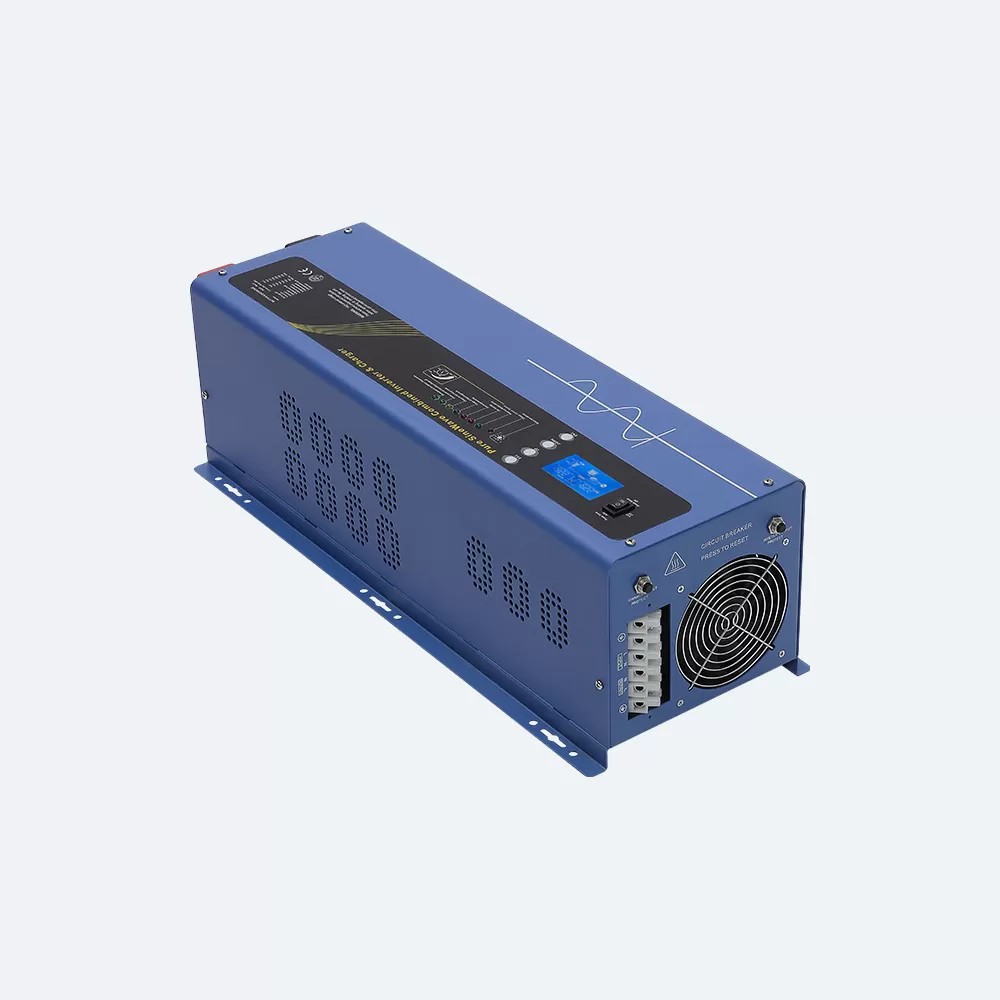
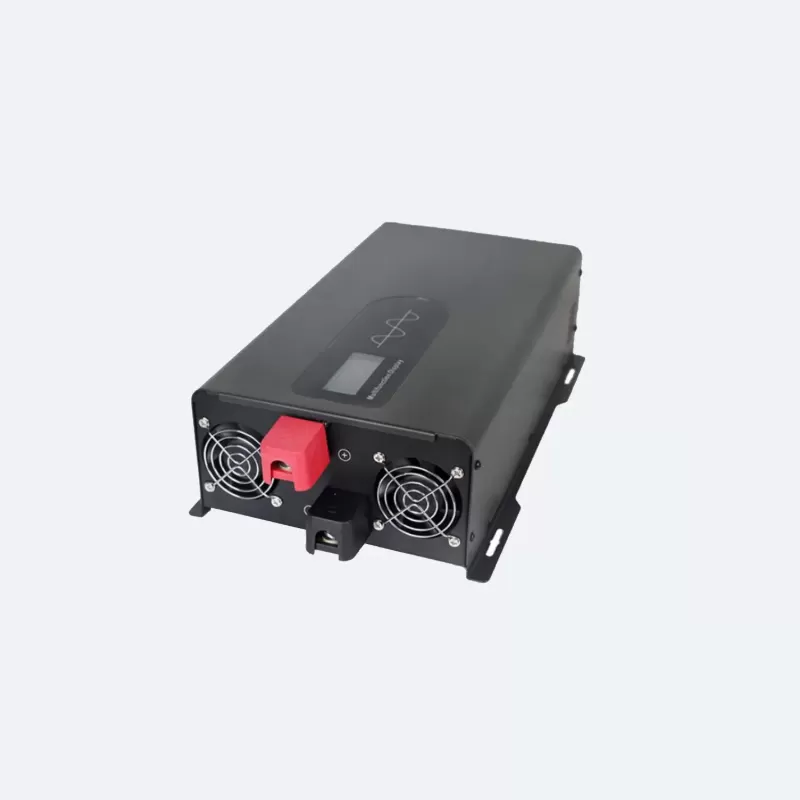
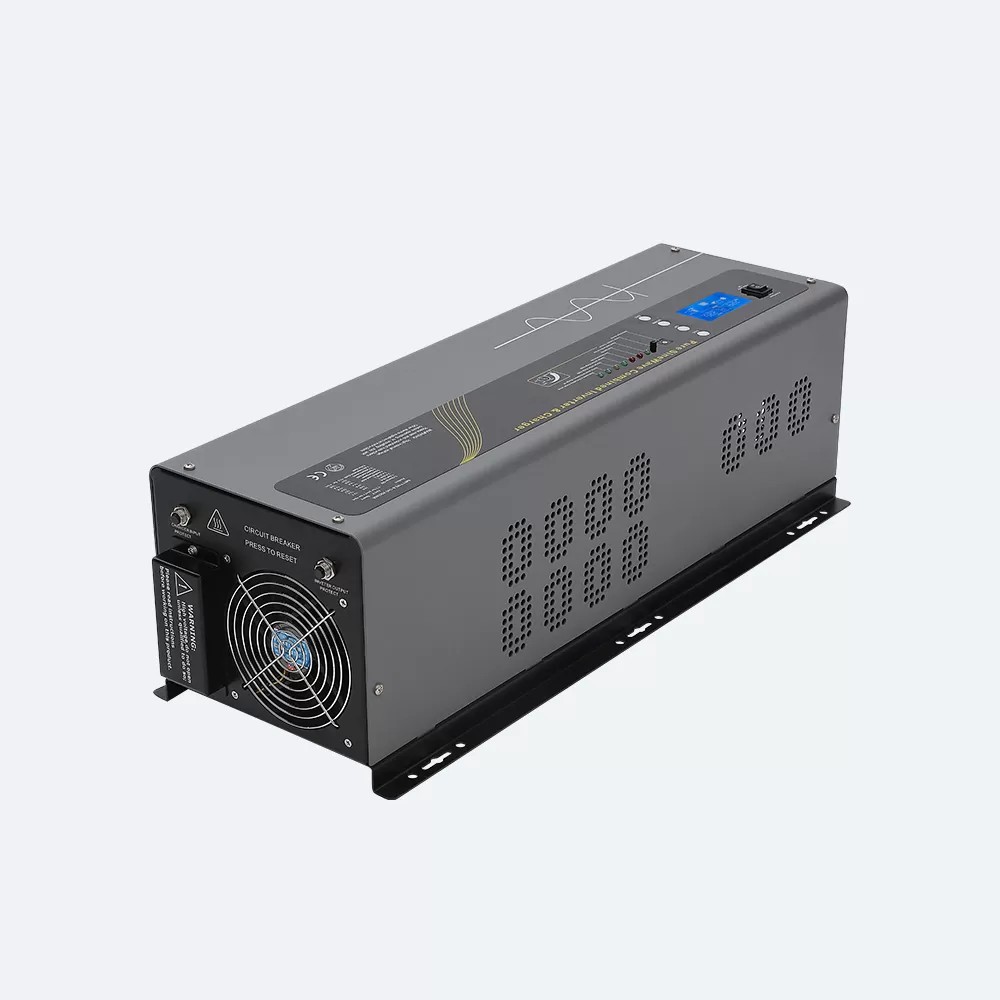
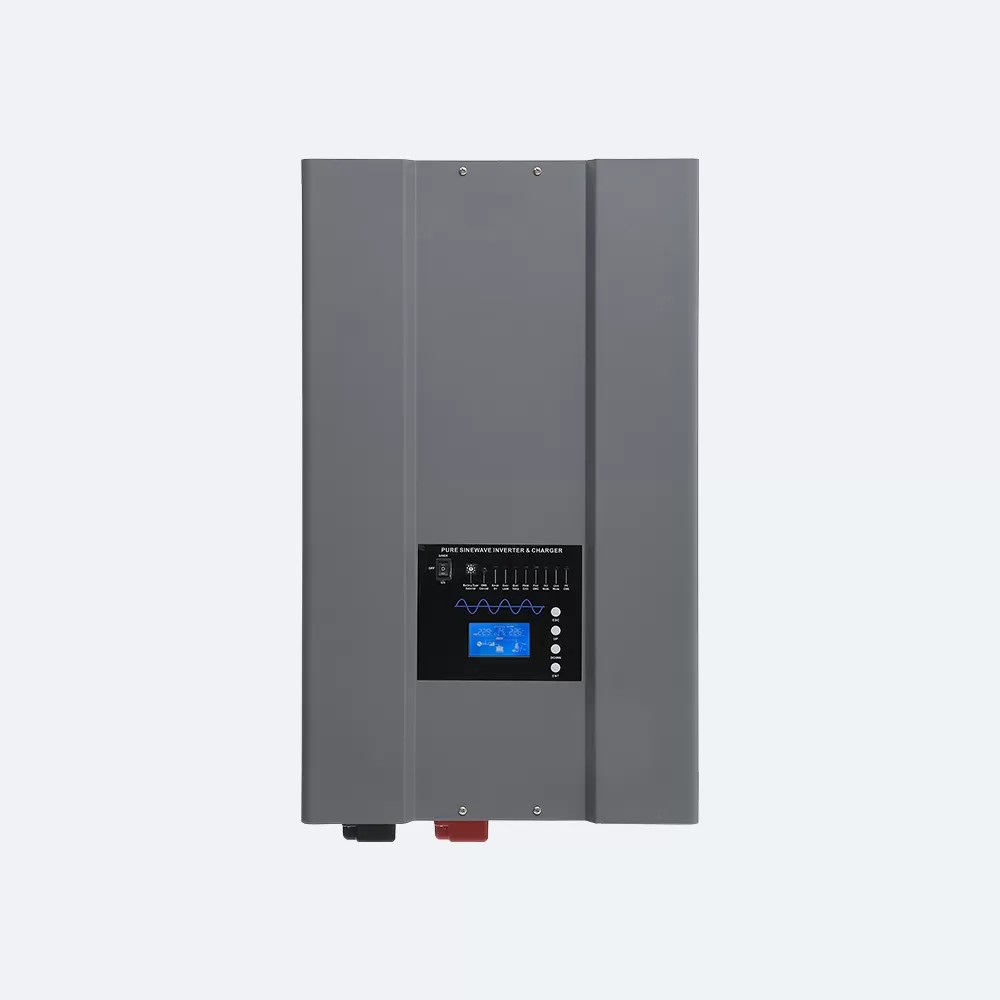
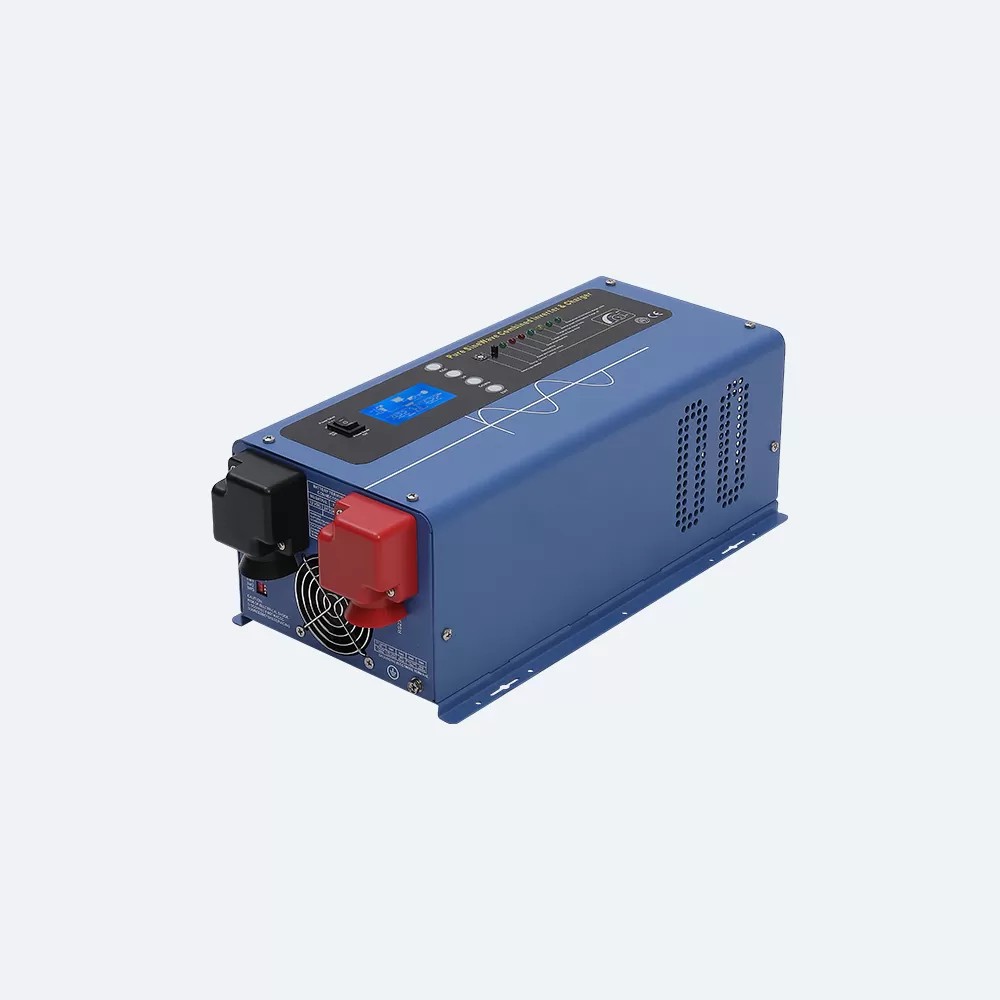
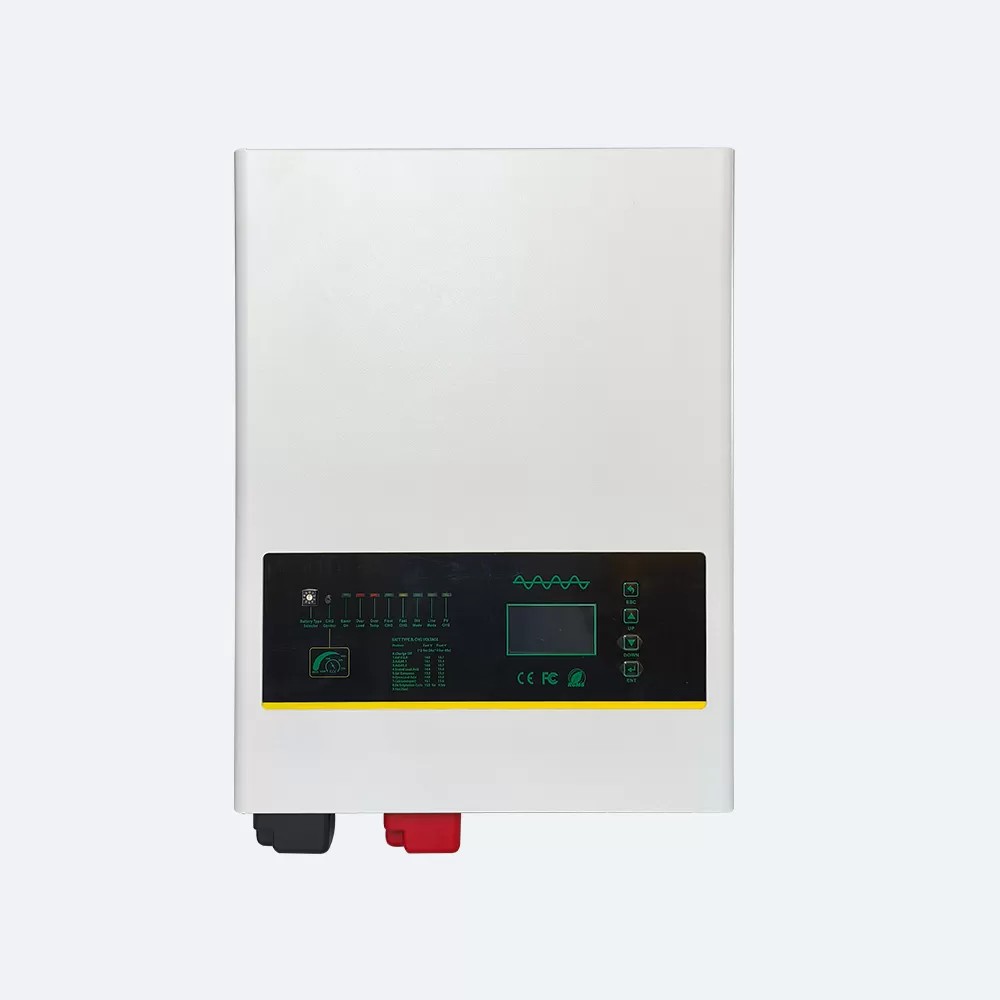
By 2026, “top” low-frequency pure sine wave inverters are defined by their ability to deliver exceptionally clean, reliable power. They are characterized by high efficiency (often >90%), strong surge capacity (2-3× rated power), and comprehensive protection features. These devices are crucial in various applications, from off-grid solar and backup power to sensitive medical and industrial equipment, where power quality is paramount.
💡 Key Technical Features
Pure Sine Wave Output: Produces a smooth, low-distortion AC waveform (Total Harmonic Distortion, THD < 3-5%), ensuring compatibility with sensitive electronics like laptops, medical devices, and variable-speed motors, unlike cheaper modified sine wave inverters.Low-Frequency (50/60 Hz) Transformer-Based Design: Uses a heavy-duty iron-core transformer, providing superior surge handling, durability, and electromagnetic interference (EMI) immunity. This makes them ideal for demanding applications such as power tools, refrigerators, and industrial motors.
High Efficiency & Power Density: Modern designs achieve high conversion efficiencies (90-95%) through advanced topologies and components like SiC MOSFETs, reducing energy loss and heat generation for better battery life and system runtime.
Integrated UPS & Charging Functions: Many models combine an inverter, battery charger, and automatic transfer switch (ATS). This allows for seamless switching between grid and battery power (transfer times of 10-20 ms) and intelligent, multi-stage battery charging, extending battery lifespan.
Advanced Digital Control & Protection: Equipped with microcontrollers (MCUs) for real-time monitoring and features like wide input voltage range, overload, short-circuit, over-temperature, and low-voltage disconnect protection. Remote monitoring via RS485, CAN, or Bluetooth is also common.
📈 System-Level Impacts
Enhanced Equipment Safety & Longevity: The clean sine wave output significantly reduces stress on connected devices, lowering failure rates and maintenance costs. This is critical for sensitive medical, IT, and communication equipment.Improved Energy Efficiency & Cost Savings: High conversion efficiency and features like power-saving standby modes reduce electricity waste, directly lowering operational costs for homes, businesses, and telecom sites.
Greater Resilience & Reliability: Robust surge capacity and UPS functionality ensure stable power during grid instability or outages. Remote monitoring capabilities further enhance system uptime and reduce the need for on-site maintenance.
Support for Renewable Energy Integration: As core components in off-grid solar, hybrid systems, and microgrids, these inverters facilitate the transition to sustainable energy by enabling efficient energy storage and usage.
🎯 Sector-Specific Impacts
Residential & Home Backup: Provides clean, reliable power for essential appliances (refrigerators, medical devices) and sensitive electronics. Remote monitoring adds convenience for homeowners.Mobile & Off-Grid (RVs, Marine, Camping): Delivers stable power for high-demand appliances (microwaves, AC units) in mobile environments. Rugged, waterproof designs are key for harsh conditions.
Industrial, Telecom & Medical: Serves as critical infrastructure, ensuring uninterrupted power for servers, communication equipment, and medical devices. Features like galvanic isolation are vital for safety and compliance.
Commercial & Critical Infrastructure (UPS Systems): Acts as the heart of mission-critical backup power, providing seamless transitions during outages for data centers, hospitals, and offices. Remote management is essential for large-scale operations.
🔮 Future Outlook
The market is moving towards greater intelligence and integration. Future inverters will feature smarter controls, deeper integration with smart grids and energy management systems, and enhanced support for bidirectional power flow with electric vehicles and advanced storage. This positions them as central components in a more efficient and resilient energy ecosystem.