Dongguan Hongyi Electric Products Co., Ltd.



The Flexibility of Reliable Low-Frequency Pure Sine Wave Inverters in 2026: What to Expect?
In today's rapidly evolving energy landscape, low-frequency pure sine wave inverters are becoming increasingly important. As we look towards 2026, understanding their flexibility and what to expect can help businesses and individuals make informed decisions. This article will explore the key aspects of these inverters, supported by data and real - world examples, and provide practical advice.
1. Power Output Flexibility
Data and Case
According to market research, the demand for low - frequency pure sine wave inverters with higher power outputs has been steadily increasing. In 2025, the sales of inverters with power outputs above 3000 watts grew by 15% compared to the previous year. For example, a small manufacturing plant in California switched from a traditional inverter to a low - frequency pure sine wave inverter with a 5000 - watt output. This change allowed them to run more power - hungry equipment, such as heavy - duty motors, without any power - related issues.
Practical Advice
Assess your power needs: Before purchasing an inverter, calculate the total power consumption of all the devices you plan to run simultaneously. This will help you choose an inverter with an appropriate power output.Future - proof your investment: Consider potential future expansions of your power needs. If you anticipate adding more equipment in the future, it might be wise to choose an inverter with a slightly higher power output than your current requirements.
2. Compatibility with Different Energy Sources
Data and Case
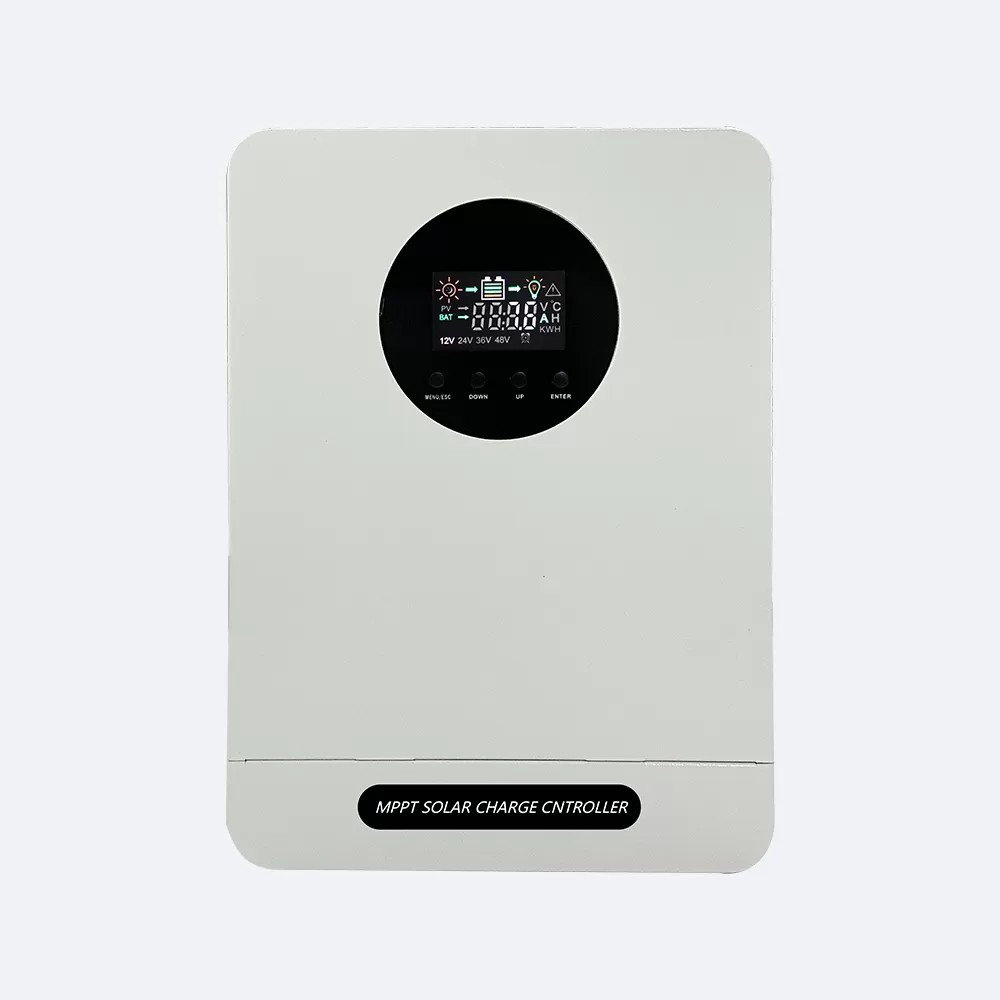
A study conducted by an energy research institute found that in 2025, over 60% of low - frequency pure sine wave inverter users combined them with multiple energy sources. For instance, a rural household in Australia uses a low - frequency pure sine wave inverter in conjunction with solar panels and a small wind turbine. This setup allows them to have a stable power supply throughout the year, regardless of weather conditions.
Practical Advice
Understand your energy sources: Different energy sources have different characteristics. For example, solar power is intermittent, while wind power can be variable. Choose an inverter that can handle the specific characteristics of your energy sources.Invest in a hybrid system: If possible, consider a hybrid system that combines multiple energy sources. A low - frequency pure sine wave inverter can effectively manage the power flow from different sources, ensuring a consistent power supply.
3. Adaptability to Various Load Types
Data and Case
In a survey of commercial users, 75% reported that their low - frequency pure sine wave inverters could handle a wide range of load types. A hotel in Florida uses a low - frequency pure sine wave inverter to power not only standard electrical appliances but also sensitive equipment such as high - end audio systems and computer servers. The inverter's ability to provide a clean and stable power supply has significantly reduced equipment failures.
Practical Advice
Classify your loads: Divide your loads into sensitive and non - sensitive categories. Sensitive loads, such as electronics and medical equipment, require a pure sine wave output. Make sure your inverter can meet the requirements of all your load types.Test the inverter with different loads: Before fully integrating the inverter into your system, test it with different loads to ensure its performance. This can help you identify any potential issues early on.
4. Installation and Maintenance Flexibility
Data and Case
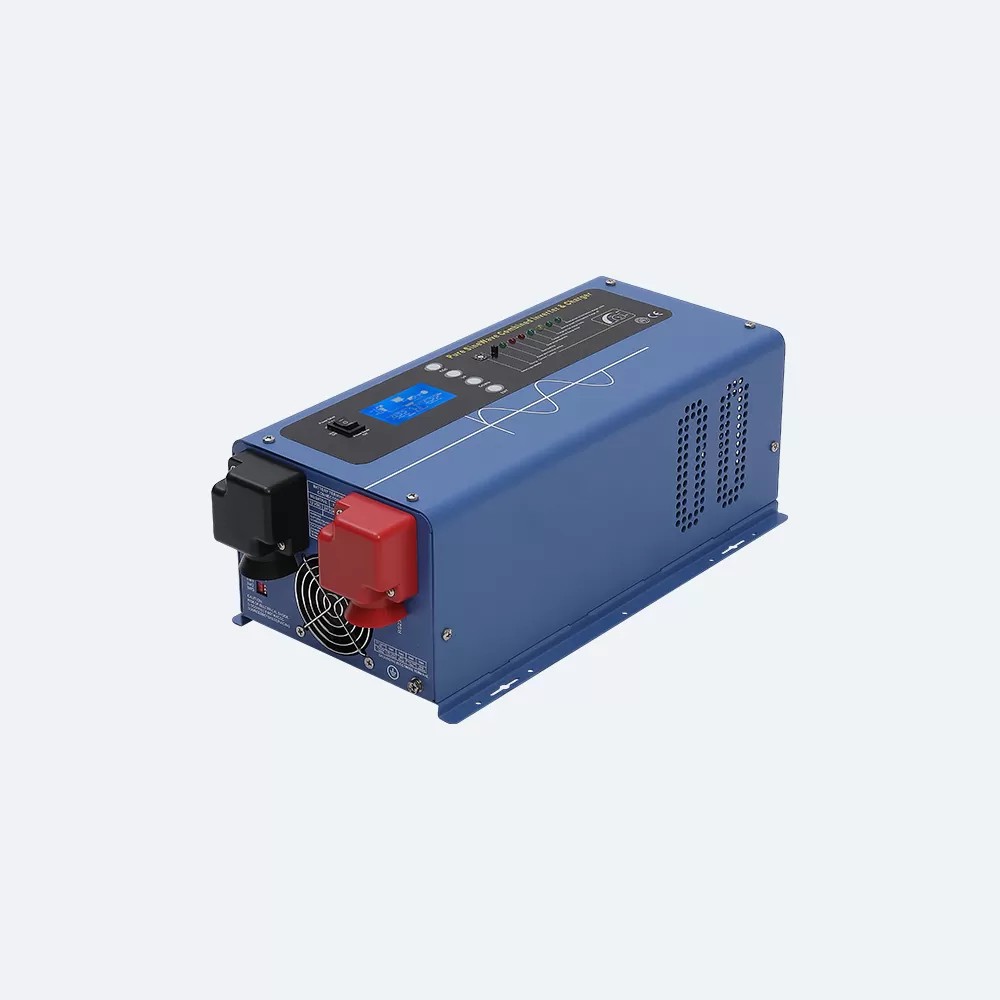
A report from an industry association showed that in 2025, the average installation time for low - frequency pure sine wave inverters decreased by 20% compared to five years ago. This is due to improved design and installation procedures. For example, a small business in New York was able to install a low - frequency pure sine wave inverter within a day, minimizing disruption to their operations.
Practical Advice
Choose a user - friendly inverter: Look for inverters with clear installation instructions and user - friendly interfaces. This can simplify the installation process and reduce the need for professional assistance.Regular maintenance: Establish a regular maintenance schedule for your inverter. This includes checking for loose connections, cleaning the unit, and testing its performance. Regular maintenance can extend the lifespan of the inverter and prevent potential breakdowns.
5. Cost - effectiveness and Return on Investment
Data and Case
A cost - benefit analysis of low - frequency pure sine wave inverters in 2025 showed that on average, users could expect a return on investment within 3 - 5 years. A farm in Texas invested in a low - frequency pure sine wave inverter for its irrigation system. The inverter's energy - efficient operation reduced their electricity bills by 20% annually, resulting in significant long - term savings.
Practical Advice
Compare prices and features: When shopping for an inverter, compare the prices and features of different models. Look for inverters that offer a good balance between cost and performance.Consider long - term savings: While the initial cost of a low - frequency pure sine wave inverter may be higher than other types of inverters, consider the long - term savings in energy costs and reduced equipment maintenance.
In conclusion, as we approach 2026, low - frequency pure sine wave inverters offer significant flexibility in terms of power output, compatibility with energy sources, load handling, installation, and cost - effectiveness. By understanding these aspects and following the practical advice provided, businesses and individuals can make the most of these inverters and ensure a reliable and efficient power supply.