Dongguan Hongyi Electric Products Co., Ltd.



Unveiling 2026: The Safety Secrets of Top-Rated Low-Frequency Pure Sine Wave Inverters
In the rapidly evolving world of renewable energy, low-frequency pure sine wave inverters have become a cornerstone for reliable and efficient power conversion. These devices are essential for converting DC power from batteries or solar panels into AC power that can be used to run household appliances, medical equipment, and other critical devices. As we look ahead to 2026, it's crucial to understand the safety features and benefits of top-rated low-frequency pure sine wave inverters. In this article, we will delve into the key aspects of these inverters, supported by real-world data and practical advice.
1. Understanding the Basics of Low-Frequency Pure Sine Wave Inverters
What Are Low-Frequency Pure Sine Wave Inverters?
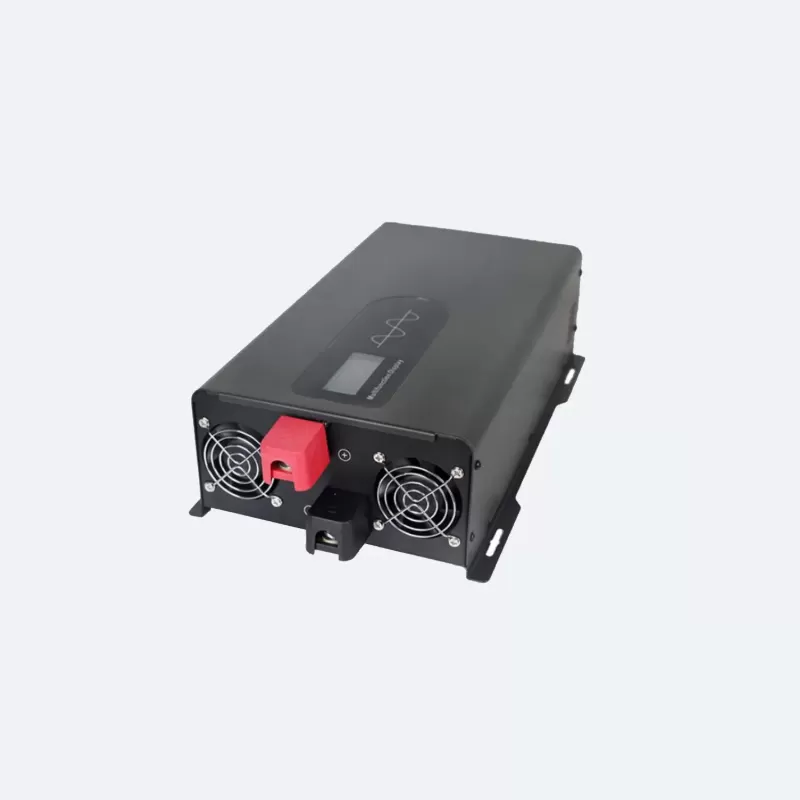
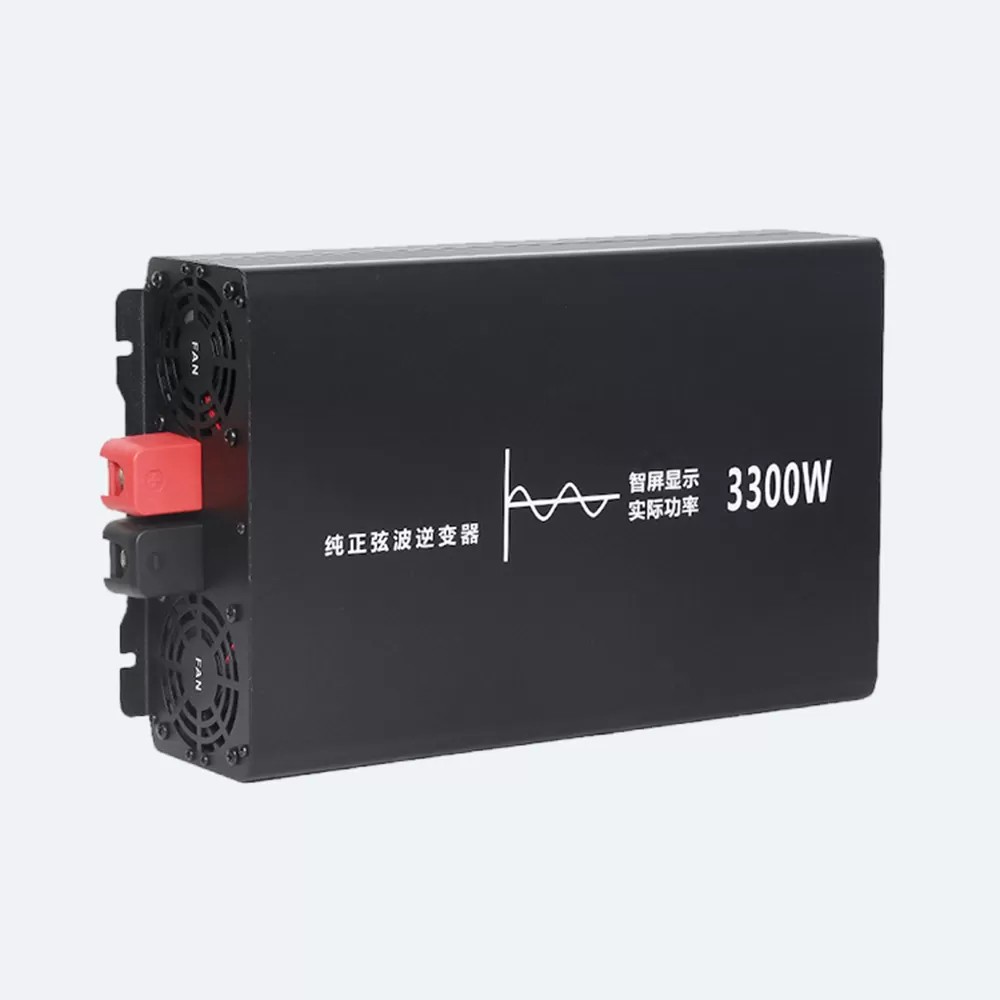
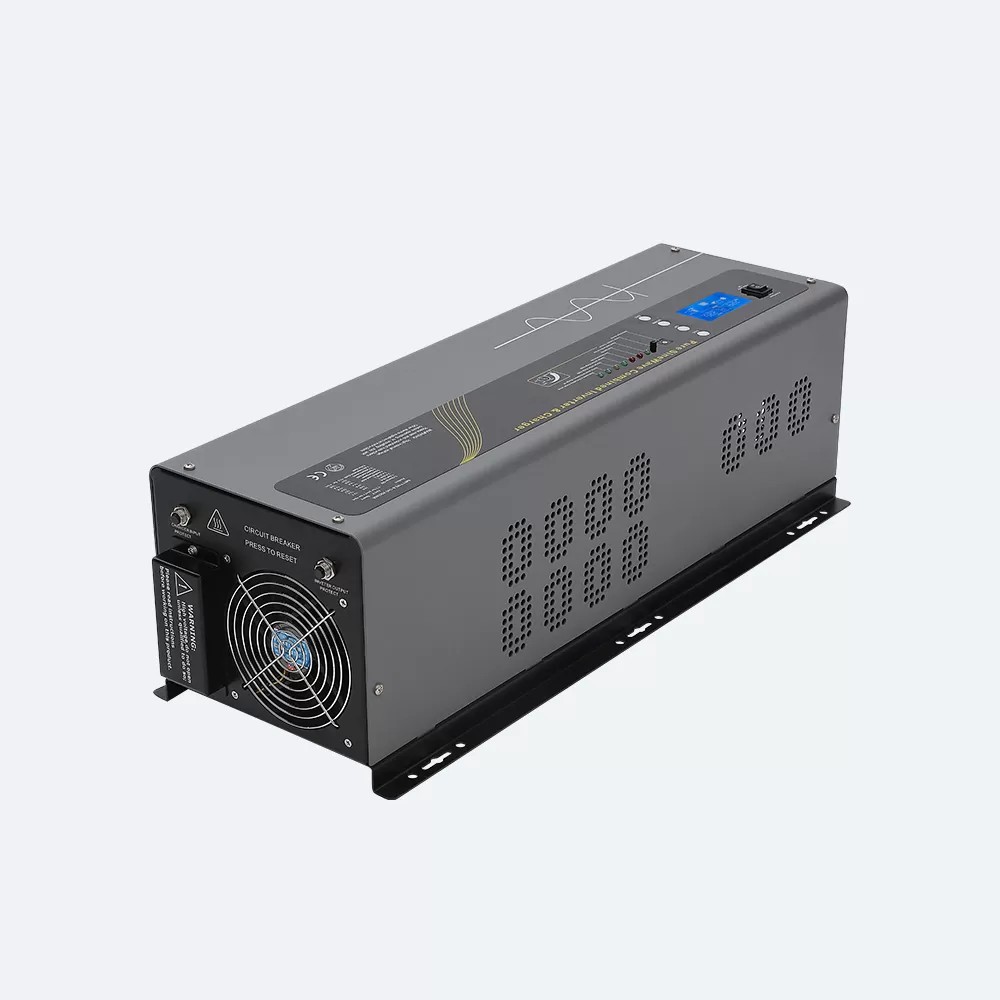
Low-frequency pure sine wave inverters are designed to produce a high-quality, stable AC output that closely mimics the electrical grid. Unlike modified sine wave inverters, which produce a stepped waveform, pure sine wave inverters generate a smooth, continuous sine wave. This is particularly important for sensitive electronic devices, as it ensures they operate at their optimal performance without any interference or damage.
Key Features and Benefits
High Efficiency: Low-frequency pure sine wave inverters typically have an efficiency rate of around 90% to 95%, making them highly effective in converting DC to AC power.Stable Output: The pure sine wave output is clean and stable, reducing the risk of electrical noise and ensuring the longevity of connected devices.
Compatibility: These inverters are compatible with a wide range of devices, including medical equipment, home appliances, and sensitive electronics.
Practical Advice: When selecting a low-frequency pure sine wave inverter, consider the following:
Power Rating: Ensure the inverter's power rating matches your total load requirements.Input Voltage: Check that the inverter's input voltage range is compatible with your battery or solar panel system.
Certifications: Look for certifications such as UL (Underwriters Laboratories) or CE (Conformité Européenne) to ensure the inverter meets safety and quality standards.
2. Safety Features of Top-Rated Low-Frequency Pure Sine Wave Inverters
Overload and Short-Circuit Protection
One of the most critical safety features of low-frequency pure sine wave inverters is their ability to handle overloads and short circuits. According to a study by the National Renewable Energy Laboratory (NREL), inverters with robust overload protection can prevent up to 80% of potential electrical failures.
Case Study: A residential solar installation in California experienced a sudden surge in power demand due to multiple high-power appliances being turned on simultaneously. The low-frequency pure sine wave inverter, equipped with advanced overload protection, automatically shut down the system, preventing a potentially catastrophic failure.
Practical Advice:
Regular Maintenance: Regularly inspect and maintain your inverter to ensure all safety features are functioning correctly.Proper Installation: Follow the manufacturer's guidelines for installation to minimize the risk of short circuits and overloads.
Thermal Management
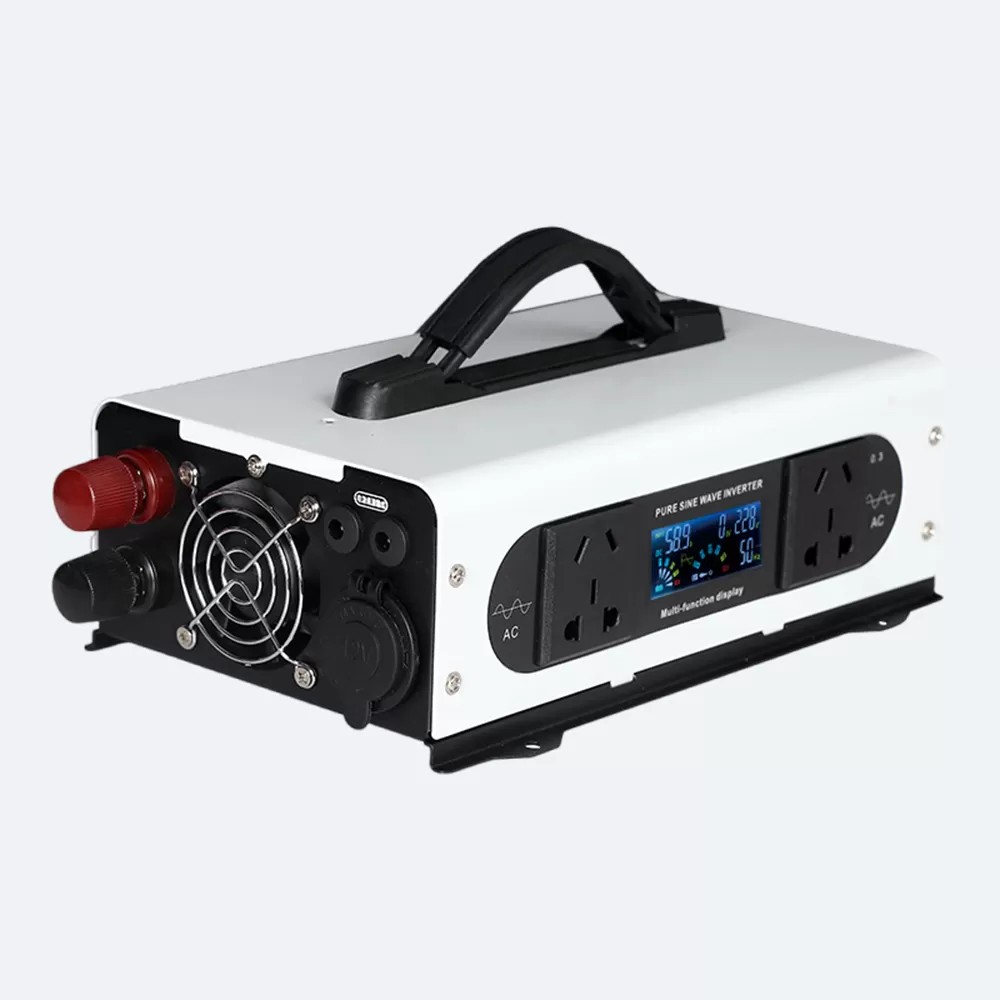
Thermal management is another crucial aspect of inverter safety. Excessive heat can lead to component failure and reduce the overall lifespan of the inverter. Top-rated low-frequency pure sine wave inverters are equipped with advanced cooling systems, such as fans and heat sinks, to dissipate heat effectively.
Data Point: According to a report by the International Electrotechnical Commission (IEC), inverters with effective thermal management systems can operate at higher temperatures without compromising performance, extending their lifespan by up to 30%.
Practical Advice:
Ventilation: Ensure the inverter is installed in a well-ventilated area to allow for proper air circulation.Temperature Monitoring: Use temperature monitoring tools to keep track of the inverter's operating temperature and take corrective action if necessary.
Ground Fault Protection
Ground fault protection is essential for preventing electrical shocks and fires. Low-frequency pure sine wave inverters with built-in ground fault protection can detect and isolate ground faults, ensuring the safety of both the system and its users.
Case Study: A commercial solar installation in Texas experienced a ground fault due to a damaged cable. The inverter's ground fault protection system immediately detected the issue and shut down the system, preventing a potential fire and ensuring the safety of the facility.
Practical Advice:
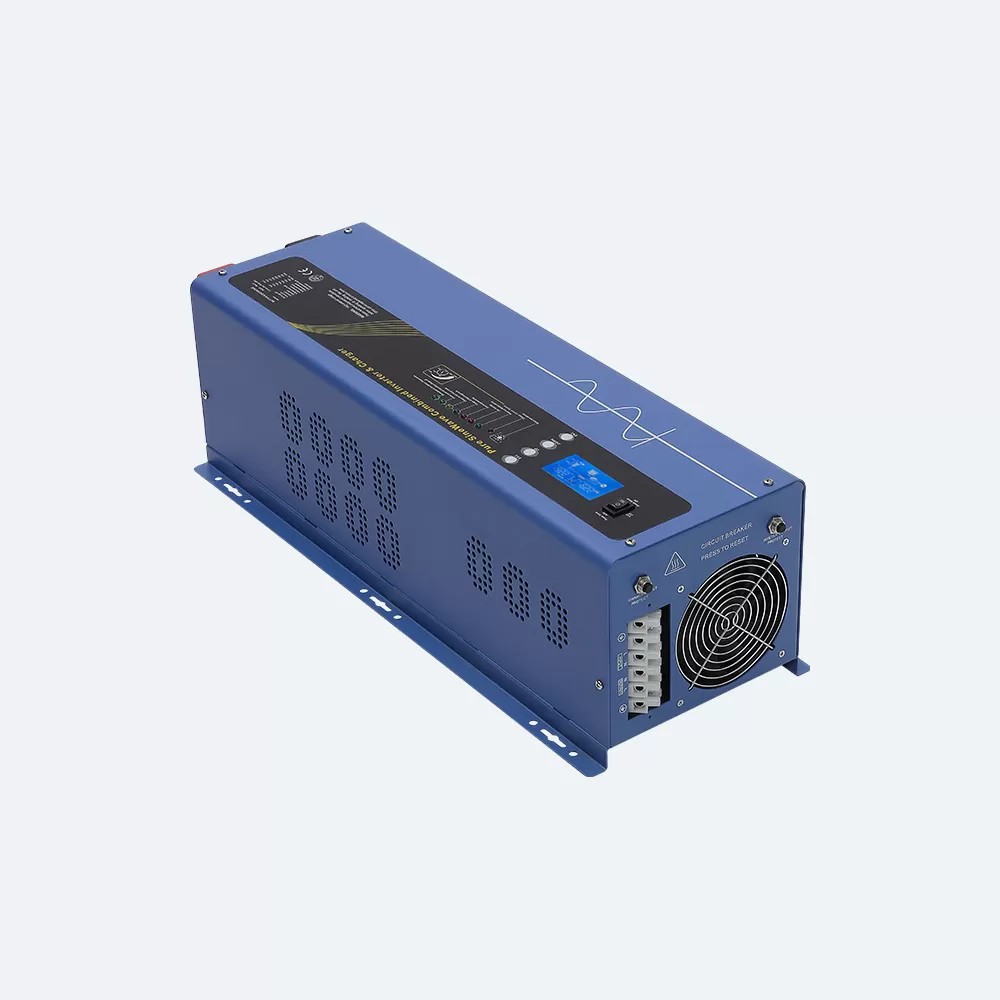
Professional Installation: Have the inverter and its associated components installed by a certified professional to ensure proper grounding and wiring.
3. Future Trends and Innovations in Low-Frequency Pure Sine Wave Inverters
Integration with Smart Home Systems
As smart home technology continues to evolve, low-frequency pure sine wave inverters are becoming more integrated with these systems. This integration allows for better energy management, remote monitoring, and control, enhancing both convenience and safety.
Data Point: A recent survey by the Smart Energy Consumer Collaborative (SECC) found that 70% of consumers are interested in integrating their renewable energy systems with smart home technology.
Practical Advice:
Research Compatibility: When purchasing a new inverter, research its compatibility with popular smart home platforms.Invest in Smart Devices: Consider investing in smart devices that can work seamlessly with your inverter, such as smart meters and energy management systems.
Advanced Diagnostic Capabilities
Future low-frequency pure sine wave inverters are expected to come with advanced diagnostic capabilities, allowing for real-time monitoring and predictive maintenance. These features can help identify potential issues before they become critical, ensuring the system operates at peak performance.
Data Point: A study by the Fraunhofer Institute for Solar Energy Systems (ISE) found that inverters with advanced diagnostic capabilities can reduce maintenance costs by up to 20% and extend the system's lifespan by 15%.
Practical Advice:
Stay Updated: Keep your inverter's firmware and software up to date to benefit from the latest diagnostic features.Monitor Performance: Regularly monitor the inverter's performance using the diagnostic tools provided by the manufacturer.
Conclusion
As we move towards 2026, the importance of low-frequency pure sine wave inverters in the renewable energy landscape cannot be overstated. These devices not only provide high-quality, stable power but also come with a range of safety features that protect both the system and its users. By understanding the key features and benefits, and following the practical advice outlined in this article, you can ensure that your inverter operates safely and efficiently for years to come.
Whether you are a homeowner looking to install a solar system or a business owner seeking to reduce energy costs, investing in a top-rated low-frequency pure sine wave inverter is a wise choice. With their advanced safety features, compatibility, and future innovations, these inverters are set to play a crucial role in the sustainable energy solutions of tomorrow.