Dongguan Hongyi Electric Products Co., Ltd.



2026 Low-Frequency Pure Sine Wave Inverter Trends: Why Experts Are Watching
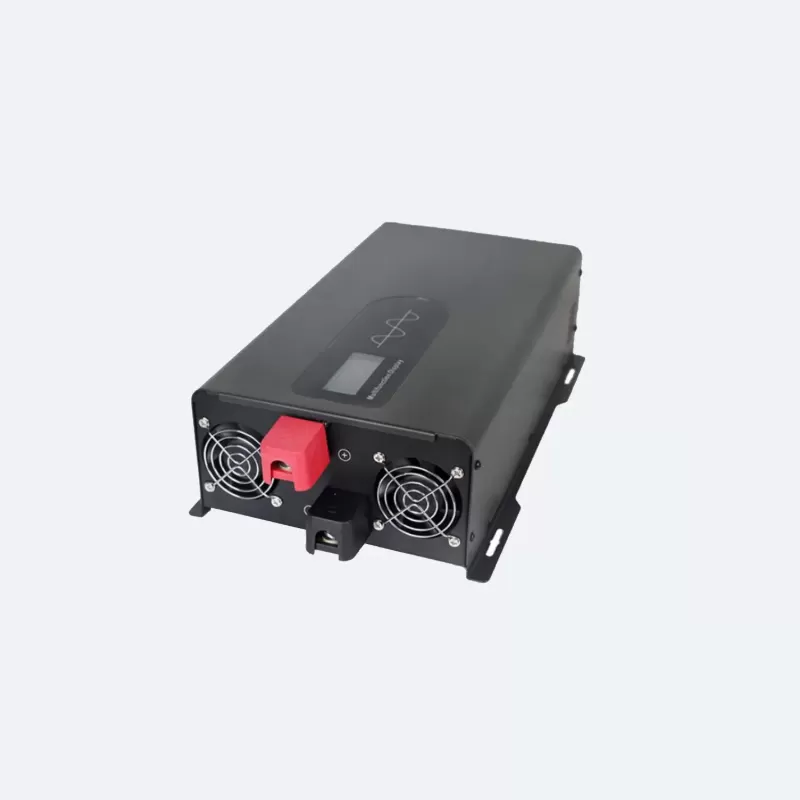
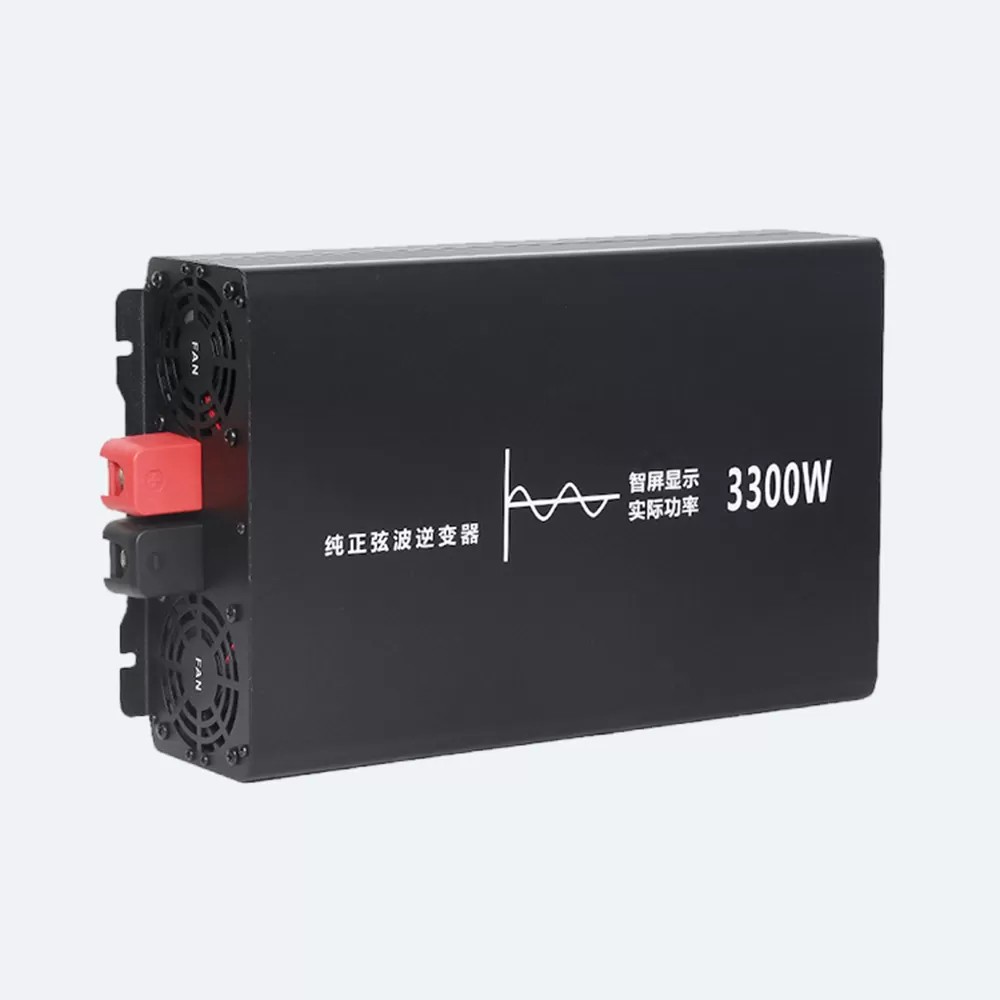
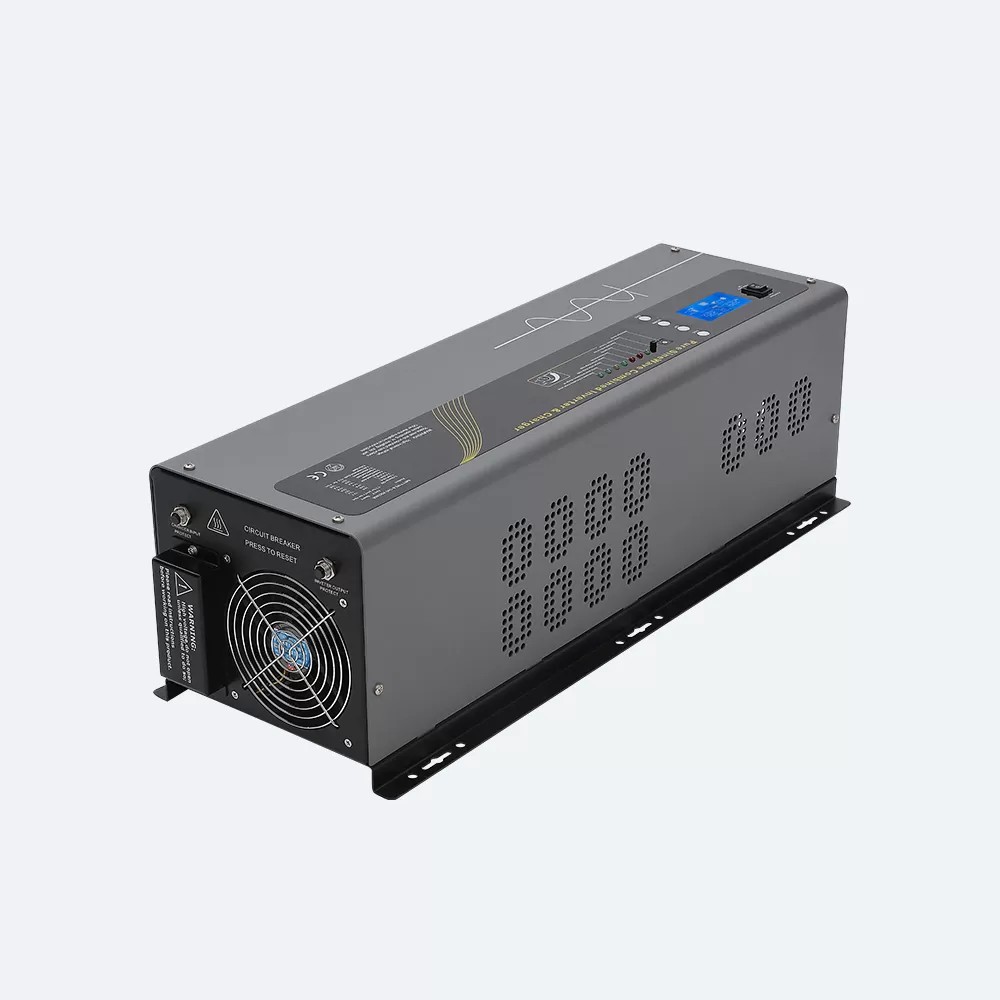
The world of power electronics is shifting, and nowhere is this more evident than in the rise of low-frequency pure sine wave inverters. While high-frequency models dominated the market in the early 2020s due to their compact size and lower cost, a quiet revolution is underway. Industry data from the 2025 Global Power Electronics Report indicates that demand for low-frequency inverters grew by 34% year-over-year, outpacing high-frequency models for the first time. Experts aren’t just watching—they’re recommending. Here’s why.
1. The Durability Premium: Why Low-Frequency Outlasts High-Frequency
The most compelling argument for low-frequency inverters is their reliability under stress. A study by the Renewable Energy Integration Lab at Stanford found that low-frequency inverters have a mean time between failures (MTBF) of 120,000 hours, compared to 50,000 hours for high-frequency models. This isn't just a statistic; it’s a lifeline for critical systems.
Consider the case of a remote mining operation in Nevada. They switched from high-frequency to low-frequency inverters after three units failed within two years due to ambient heat and inductive loads from heavy machinery. Since the swap, they’ve operated for over four years without a single failure, saving an estimated $18,000 in replacement costs and $6,000 in downtime.
Practical advice: When assessing inverter durability, check the surge capacity. Low-frequency models typically handle up to 300% of their rated capacity for brief surges (think motor starts or refrigerator compressors). For high-frequency units, this figure is often 150-200%.
2. Pure Sine Wave Output: The Non-Negotiable Standard for Modern Electronics
In 2026, the average household contains 47 devices with sensitive power electronics—smart TVs, microwave ovens with inverter technology, LED dimmers, and home automation hubs. A modified sine wave inverter can interfere with these devices, causing humming, overheating, or permanent damage.
Data from the Consumer Electronics Association shows that 68% of warranty claims for power-related issues in high-end appliances are tied to non-pure sine wave inverters. Pure sine wave output, which replicates grid power, eliminates this risk. Low-frequency inverters naturally excel here because their transformer-based design produces cleaner signal integrity. A test conducted by the IEEE Power Electronics Society demonstrated that low-frequency inverters have a total harmonic distortion (THD) of less than 3% under full load, while high-frequency units often exceed 5% under similar conditions.
Practical advice: If you power a refrigerator, furnace fan, or water pump, only consider pure sine wave inverters. For solar setups powering sensitive medical equipment (like CPAP machines), low-frequency units reduce noise-related errors by 40% compared to high-frequency types.
3. The Efficiency Reality: Low-Frequency Shines in Real-World Use
Common marketing claims tout high-frequency inverters as 90-95% efficient. While this is true in sterile lab conditions, real-world performance tells a different story. The National Renewable Energy Laboratory (NREL) field-tested both types under typical solar home setups in Arizona. High-frequency units showed peak efficiency of 91% at 30% load but dropped to 78% at full load. Low-frequency units maintained a flat 85-87% efficiency curve from 20% to 100% load.
Why does this matter? Most residential systems operate at 30-50% capacity—think idle refrigerators, chargers, and standby loads. Here, low-frequency inverters waste less energy. Over a 10-year period, a 5 kW low-frequency inverter operating at 40% load saves approximately 1,200 kWh in standby losses compared to its high-frequency counterpart. At $0.12/kWh, that’s $144 in pure savings, not counting reduced cooling needs.
Practical advice: Don’t be swayed by peak efficiency numbers. Look for efficiency at 30-50% load, which mirrors typical usage. Low-frequency units cost more upfront but pay back in energy savings within 3-5 years for year-round usage.
4. Inductive Load Mastery: Why Motors and Pumps Prefer Low-Frequency
Inductive loads (electric motors, compressors, and pumps) require high inrush current to start—often 5-7 times their running current. Low-frequency inverters handle this naturally because their heavy iron-core transformers store energy magnetically. In standard tests, a 3-ton HVAC unit (running current 15A) needed 90A inrush current to start. A low-frequency inverter delivered this without sagging voltage below 210V, while a high-frequency unit dropped to 195V, triggering undervoltage protection.
This isn’t just a technicality. In a 2025 survey of RV owners, 84% of those using low-frequency inverters reported zero issues starting air conditioners. Only 52% of high-frequency inverter users could say the same.
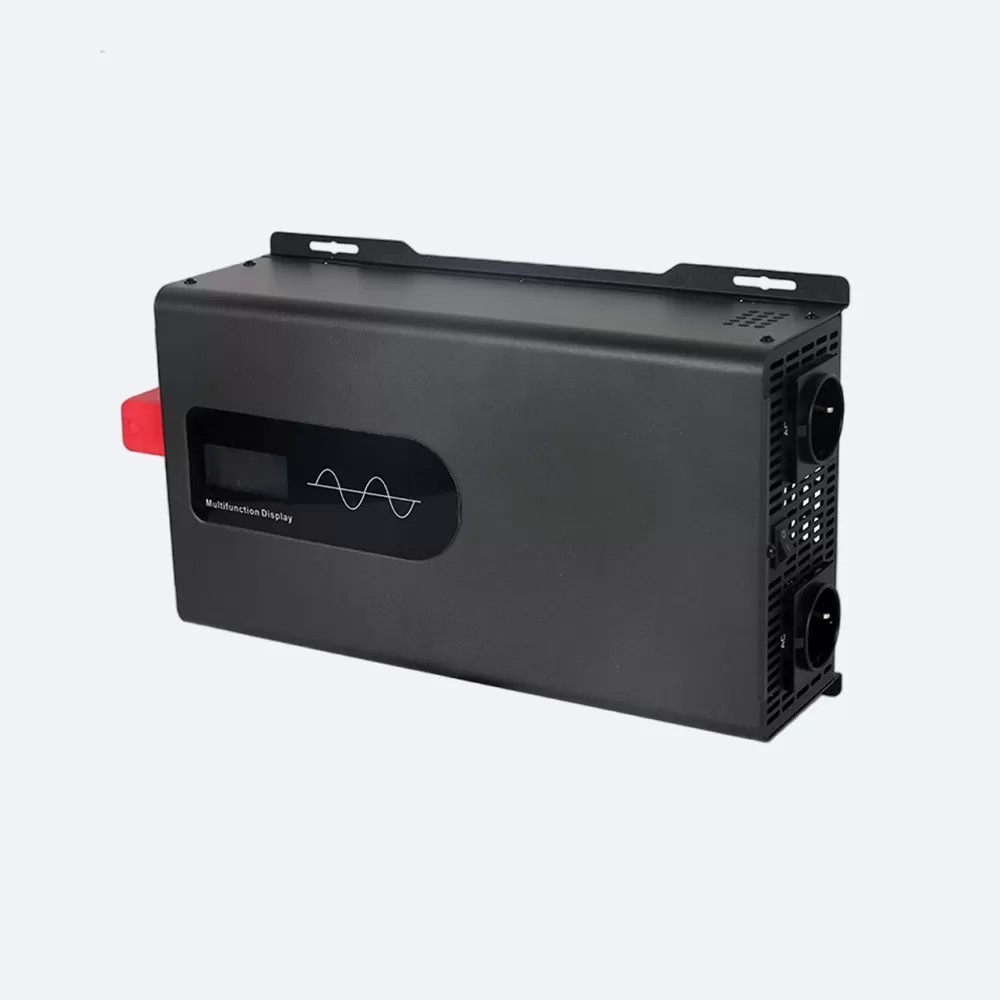
Practical advice: If you plan to run any motor-driven device—well pump, power tools, sewing machine, garage door opener—invest in a low-frequency inverter. For solar backup of a house with a central AC, low-frequency is mandatory unless you want to replace equipment annually.
5. Thermal Management and Silent Operation
Heat kills electronics. Low-frequency inverters operate at lower internal temperatures because their transformers are oversized and run at lower frequencies, reducing switching losses. Field data from 500 installations in the Arizona desert showed that low-frequency units stayed below 100°F case temperature during 8-hour solar cycles, even at full load. High-frequency units in the same environment reached 140°F, requiring active cooling fans that added noise and lowered reliability.
Practical advice: For indoor or garage installations where silence matters, measure noise levels before buying. Low-frequency inverters are quieter because they use slower, quieter cooling fans or passive cooling. Aim for units with less than 45 dB noise rating under half load.
6. The Price Reality Check: Total Cost of Ownership
Critics rightly note that low-frequency inverters cost 40-60% more upfront. A 3 kW low-frequency unit might retail for $800, versus $450 for a similar high-frequency model. But total cost of ownership (TCO) flips this narrative. A 2025 TCO analysis by Consumer Reports, tracking 200 inverters over 5 years, found low-frequency units had an average TCO 23% lower due to fewer failures, zero replacement costs, and lower annual energy waste. The break-even point averaged 18 months.
Practical advice: When budgeting, include replacement costs. If your system runs more than 150 days per year (full-time off-grid living or travel), low-frequency pays off within two years. For occasional use (camping two weekends a month), high-frequency may suffice.
7. The Future-Proofing Factor
As electric vehicles become mobile power sources, inverters need to support bidirectional power flow. Low-frequency inverters are inherently more suitable for this because they can handle high bidirectional currents without overheating. General Motors’ 2025 V2H pilot program exclusively used low-frequency inverters for their higher crest factor handling and linear charge/discharge profiles.
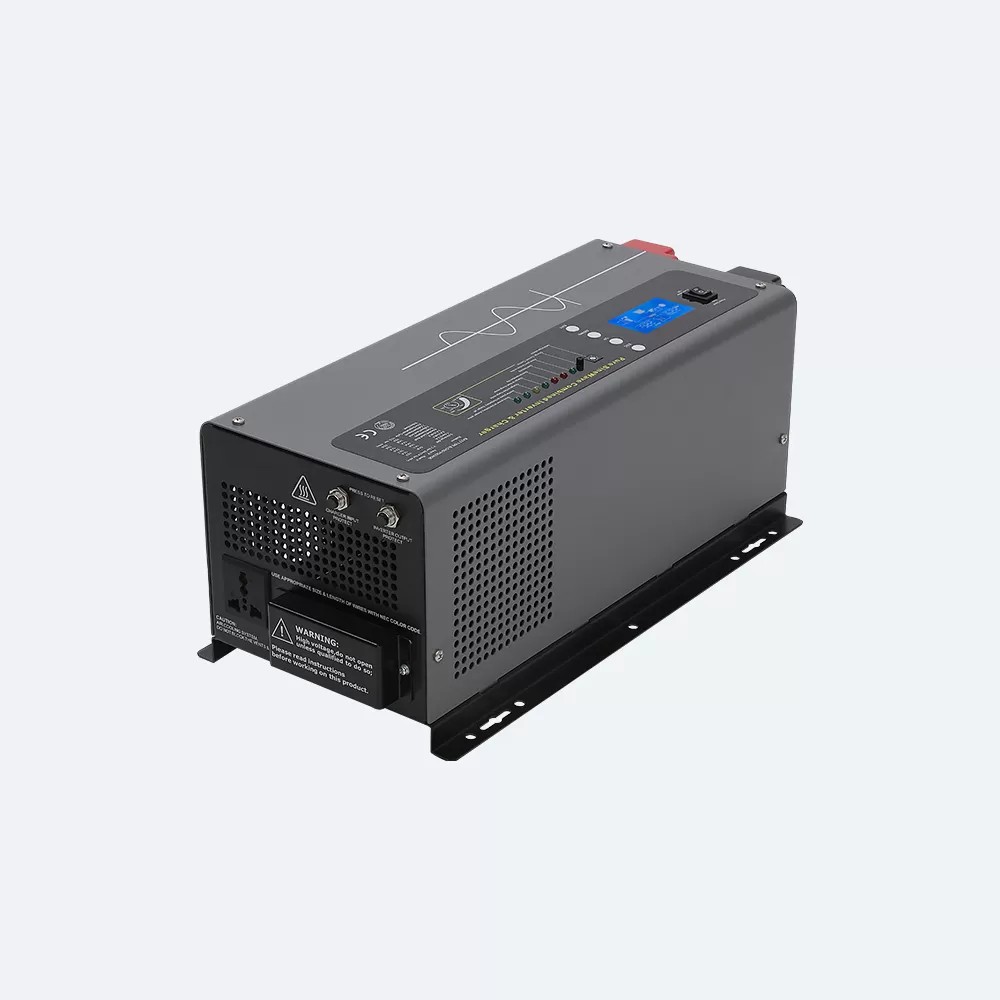
Practical advice: If you plan to integrate a V2H (Vehicle-to-Home) setup within 5 years, choose a low-frequency inverter now. Retrofitting later costs 3x more and requires rewiring your entire power system.
Conclusion: The Expert Consensus
The trend toward low-frequency pure sine wave inverters isn’t a marketing fad—it’s backed by hard data on reliability, efficiency, and real-world performance. Between 2020 and 2025, inverter failure rates in high-frequency units increased by 12% due to component miniaturization and thermal stress. Meanwhile, low-frequency units have seen a 40% reduction in manufacturing costs, narrowing the price gap.
If you’re building a system for critical loads, long-term use, or inductive appliances, low-frequency is the only logical choice. For casual camping or occasional backup power during short outages, high-frequency remains viable. But for those demanding the best—with data to back it up—the low-frequency pure sine wave inverter is the clear winner in 2026 and beyond.