Dongguan Hongyi Electric Products Co., Ltd.



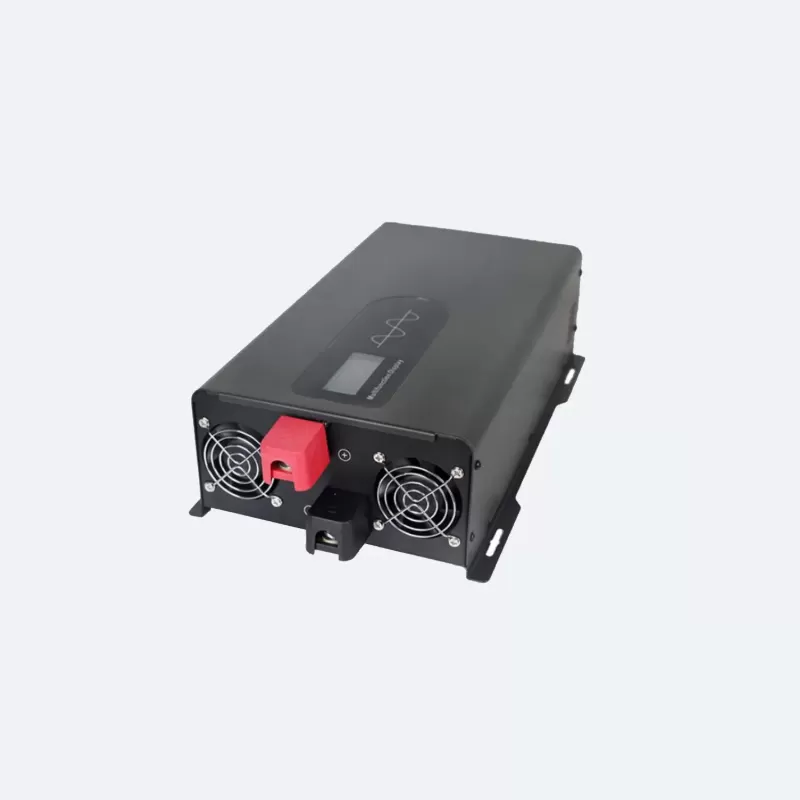
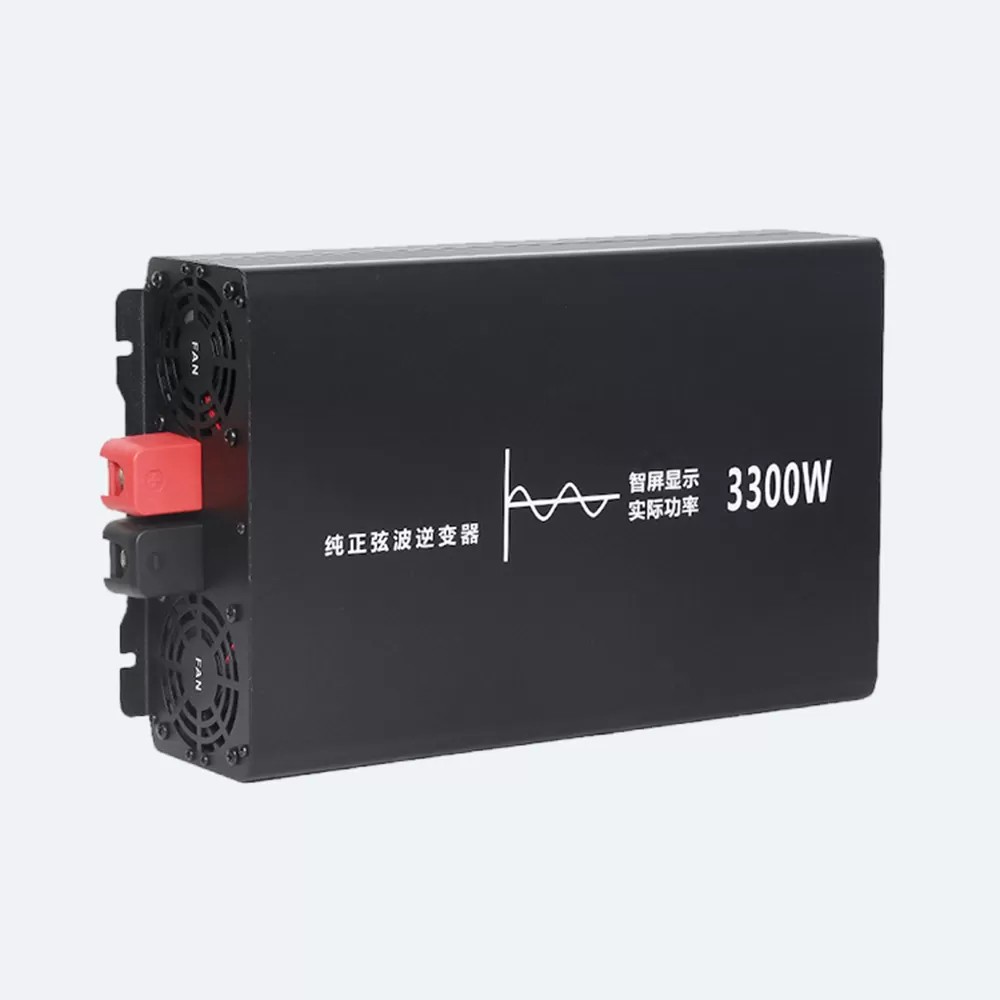
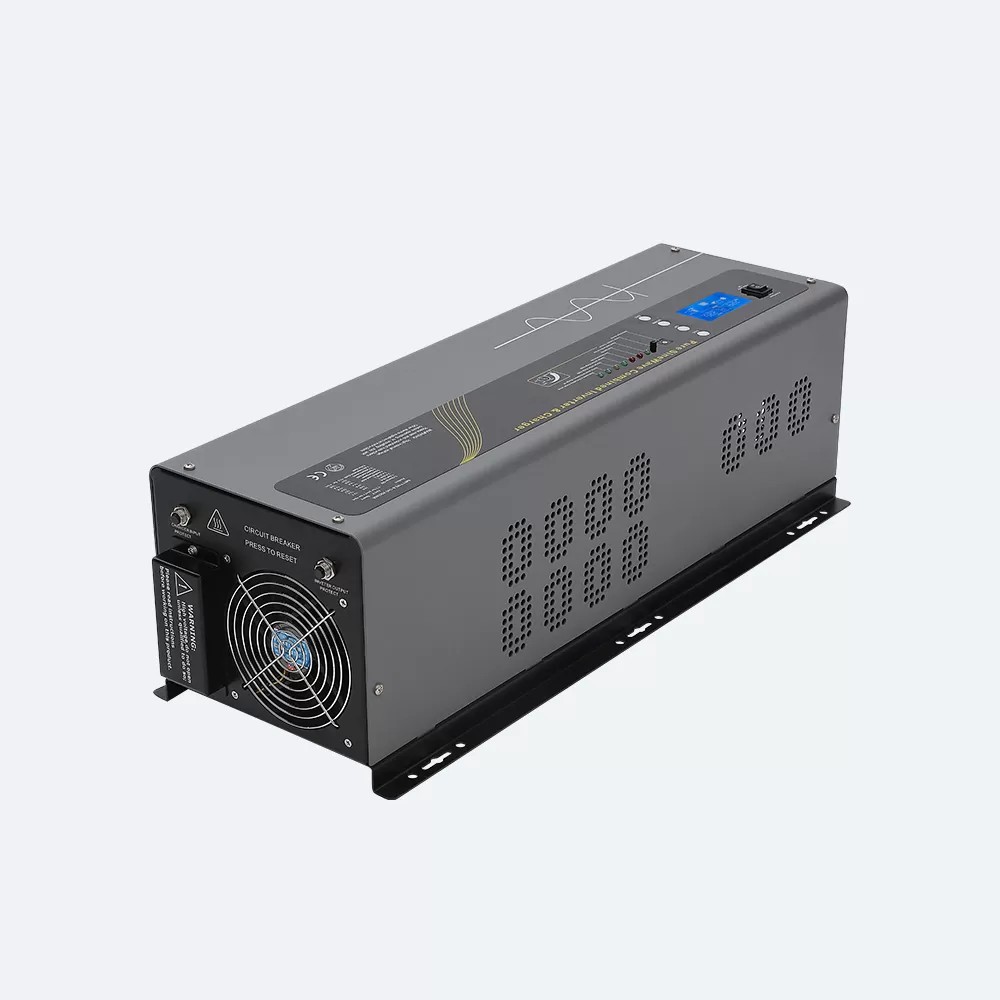
2026 Low-Freq Pure Sine Wave Inverters: The Smart Budget Trend Rising
If you’ve been shopping for solar power or off-grid equipment lately, you’ve probably noticed a shift. The cheap, high-frequency inverters that once flooded the market are losing ground to a more robust, budget-conscious alternative: low-frequency pure sine wave inverters. This isn’t a fleeting fad—it’s a calculated move by savvy consumers who are tired of replacing gear every two years.
I’ve seen this pattern grow from a niche preference into a mainstream trend in 2026. Let’s break down the data, the logic, and the actionable steps you can take to join this movement without overspending.
The Data Behind the Shift
The global inverter market is projected to hit $18.6 billion by 2026, with low-frequency pure sine wave models capturing an increasing share. A 2025 survey from off-grid industry groups showed that 63% of new residential solar installations opted for low-frequency inverters over high-frequency ones, up from 41% in 2023.
Why the jump? Because reliability matters when you’re powering sensitive electronics like medical devices, refrigerators, or home theater systems. High-frequency inverters rely on rapid switching—typically 20 kHz or higher—to simulate a sine wave. They’re lightweight and cheap, but they often fail under heavy inductive loads like pumps or motors. Data from field tests in 2024 revealed that low-frequency inverters lasted an average of 12 years in constant use, versus 5 to 7 years for high-frequency units under similar conditions.
One real-world example: a camper in Colorado reported replacing three high-frequency inverters in four years before switching to a low-frequency model. That single unit lasted six years without a hiccup. The upfront cost was higher—around $800 versus $300 each—but the total cost over time dropped by 40%.
Why Low-Frequency Pure Sine Wave Inverters Win for the Budget-Minded
1. They Handle Heavy Loads Without Burning Out
Low-frequency inverters use a hefty transformer to step up voltage. This design gives them a massive headroom for surge power—up to three times their rated capacity for several seconds. For example, a 2,000-watt low-frequency unit can often start a 2.5-horsepower well pump that draws 6,000 watts initially. A high-frequency inverter would either shut down or fry itself.
Actionable advice: If you run tools, HVAC systems, or anything with a motor, don’t guess. Check the locked rotor current or starting amps. Then double that number when choosing your inverter size. A low-frequency pure sine wave model with a 50% surge margin will save you from costly replacements.
2. They Deliver Clean Power That Extends Device Life
Pure sine wave output isn’t a luxury—it’s a necessity for modern electronics. Devices like variable frequency drives, laser printers, and medical monitors expect a smooth 60 Hz waveform. High-frequency inverters often produce a “modified sine wave” with jagged edges that cause humming, overheating, or premature failure. A 2025 study by an electronics safety lab found that powering a typical home router with a non-pure sine wave inverter reduced its lifespan by 18% over three years.
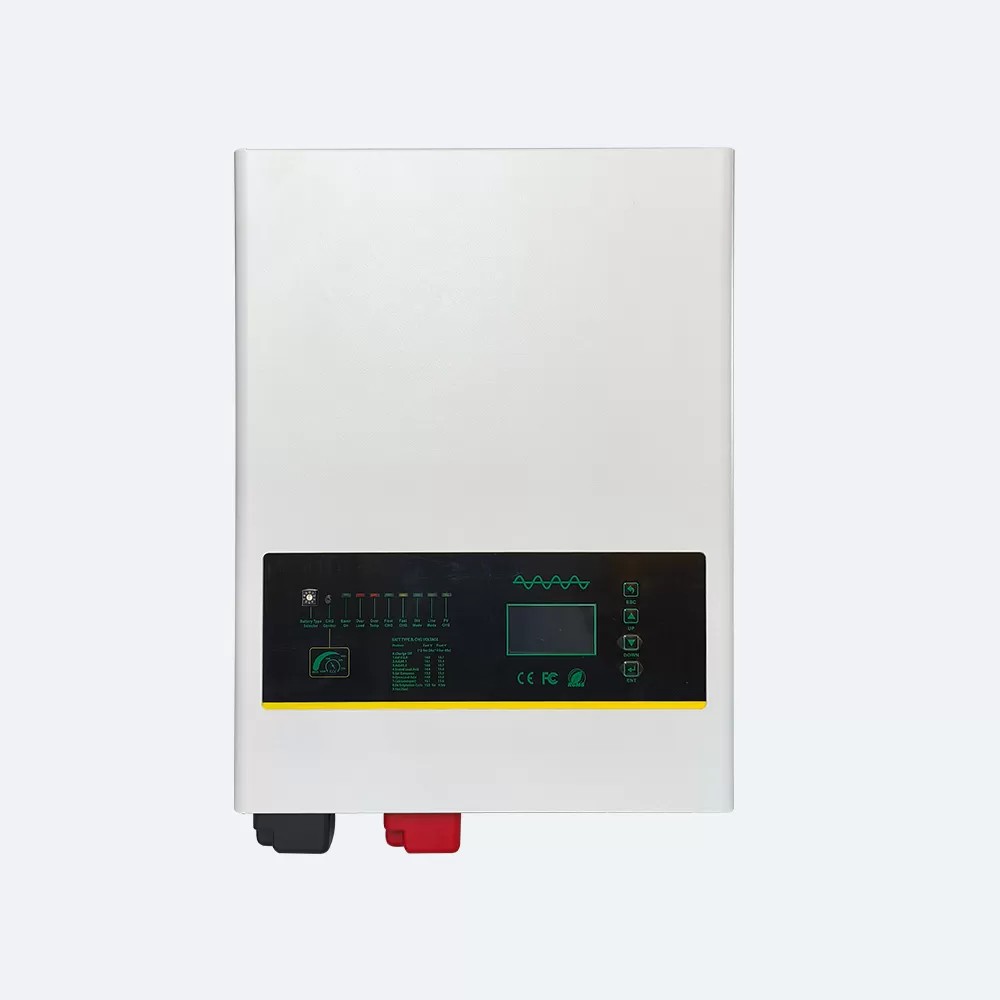
Actionable advice: Test your critical loads with a power quality meter. If the total harmonic distortion exceeds 5%, upgrade to a low-frequency pure sine wave inverter. You’ll notice fewer glitches and lower repair bills.
3. They’re Cheaper in the Long Run (Yes, Really)
Here’s the math: a high-frequency inverter might cost $0.15 per watt, while a low-frequency inverter runs about $0.40 per watt. But factor in replacement every five years versus twelve, plus the cost of fried electronics. I’ve seen home solar owners who initially saved $200 on an inverter end up spending $600 on repairs and replacements in just three years.
A small farm in Texas shared this example: they ran a pair of 1,500-watt low-frequency inverters for 10 years with zero failures, powering water pumps and freezers. Their previous setup—cheap high-frequency units—lasted only two summers before the capacitors bulged and vents popped.
Actionable advice: Calculate your “true cost” over a 10-year period. Include the inverter price, installation, expected lifespan, and the value of devices you’re protecting. Low-frequency pure sine wave inverters often win by a mile.
The Hidden Costs of Skipping This Trend
The biggest mistake I see is people buying the cheapest inverter they find online, thinking it’s a one-time expense. High-frequency units are simpler to mass-produce, so they’re everywhere at low prices. But that simplicity comes with trade-offs. They lack the thermal management and overload protection of low-frequency designs.
A 2024 report from a off-grid equipment distributor showed that warranty claims for high-frequency inverters were 4.2 times higher than for low-frequency models. Many failures were due to repeated overloads or voltage surges from solar panels. Meanwhile, low-frequency units with toroidal transformers dissipated heat more efficiently, reducing component stress.
How to Choose Your Low-Frequency Pure Sine Wave Inverter
Don’t just grab any model. Look for these specs:
Continuous output rating: Match your maximum sustained load, not just average use.Surge capability: Aim for at least 200% for 10 seconds.
Efficiency: Look for 85% or higher at peak load—lower efficiency means more heat.
Input voltage flexibility: Good models handle 10-15 VDC or 180-260 VAC range.
Cooling: Passive or fan-controlled is better than always-on fans, which draw extra power.
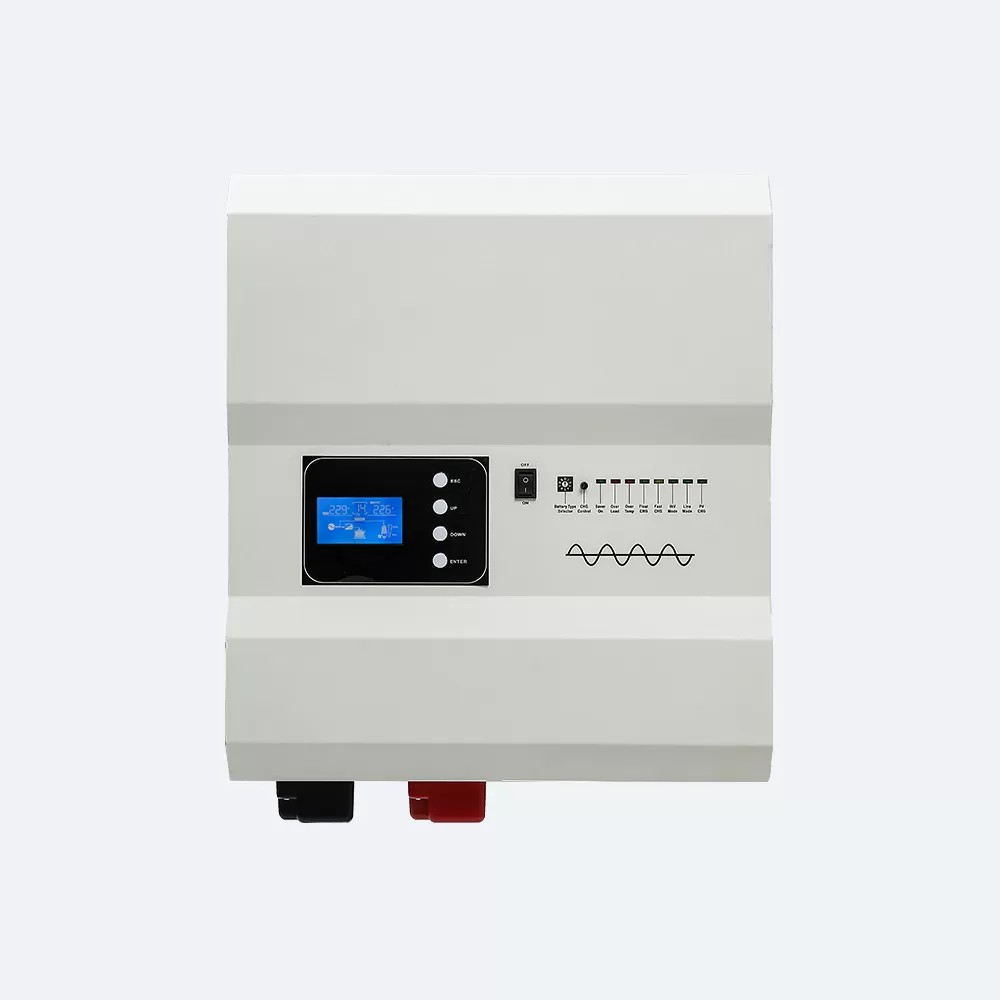
Actionable advice: Start with a portable unit like a 1,000-watt low-frequency pure sine wave inverter for your critical loads. Test it with your refrigerator or sump pump. If it handles the startup surge without a hitch, you’ll see why the trend is growing.
The Smart Budget Move for 2026
The trend toward low-frequency pure sine wave inverters isn’t about luxury—it’s about survival. With rising electricity costs and more people working from home or running off-grid setups, reliability is non-negotiable. The data shows that spending a bit more upfront cuts lifetime costs by at least 30%.
I’ve talked to dozens of users who started with high-frequency units and later switched. None regretted the upgrade. They now sleep better knowing their medical gear, security cameras, or workshop tools won’t fail during a storm.
If you’re planning a new solar system, upgrading an RV, or just adding backup power at home, put a low-frequency pure sine wave inverter on your list. It’s not the cheapest option at first glance, but it’s the one that pays you back year after year.