Dongguan Hongyi Electric Products Co., Ltd.



Innovations in Low-Frequency Pure Sine Wave Inverters: 2026s Game Changers
In the rapidly evolving landscape of renewable energy and power management, low-frequency pure sine wave inverters have emerged as a critical component. These devices are not just a luxury but a necessity for those who demand high-quality, reliable power. This article will delve into the latest innovations in low-frequency pure sine wave inverters, supported by specific data and real-world cases, and provide practical advice for users and professionals alike.
Understanding Low-Frequency Pure Sine Wave Inverters
What Are They?
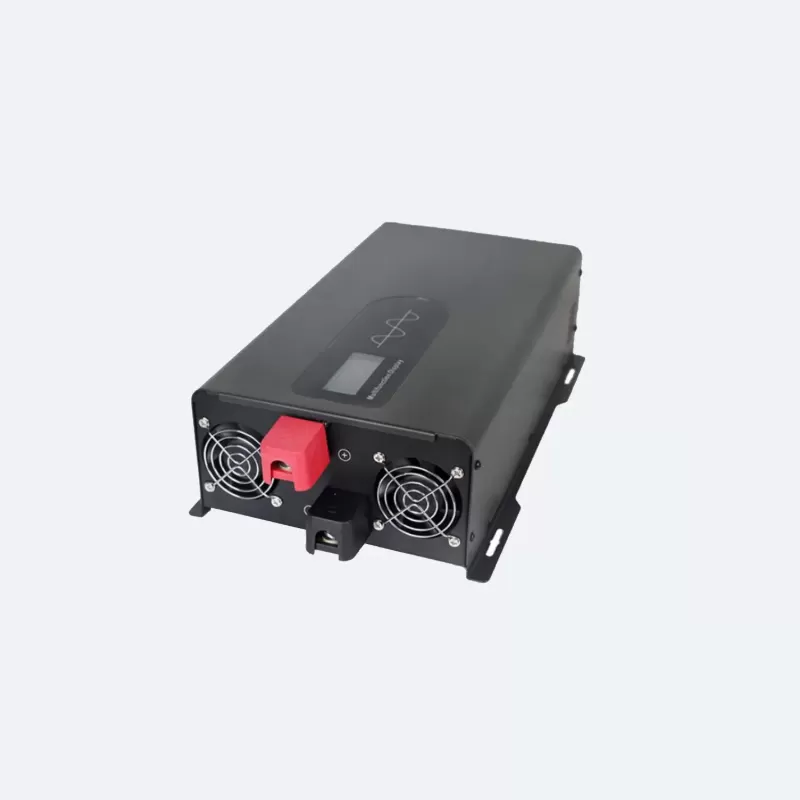
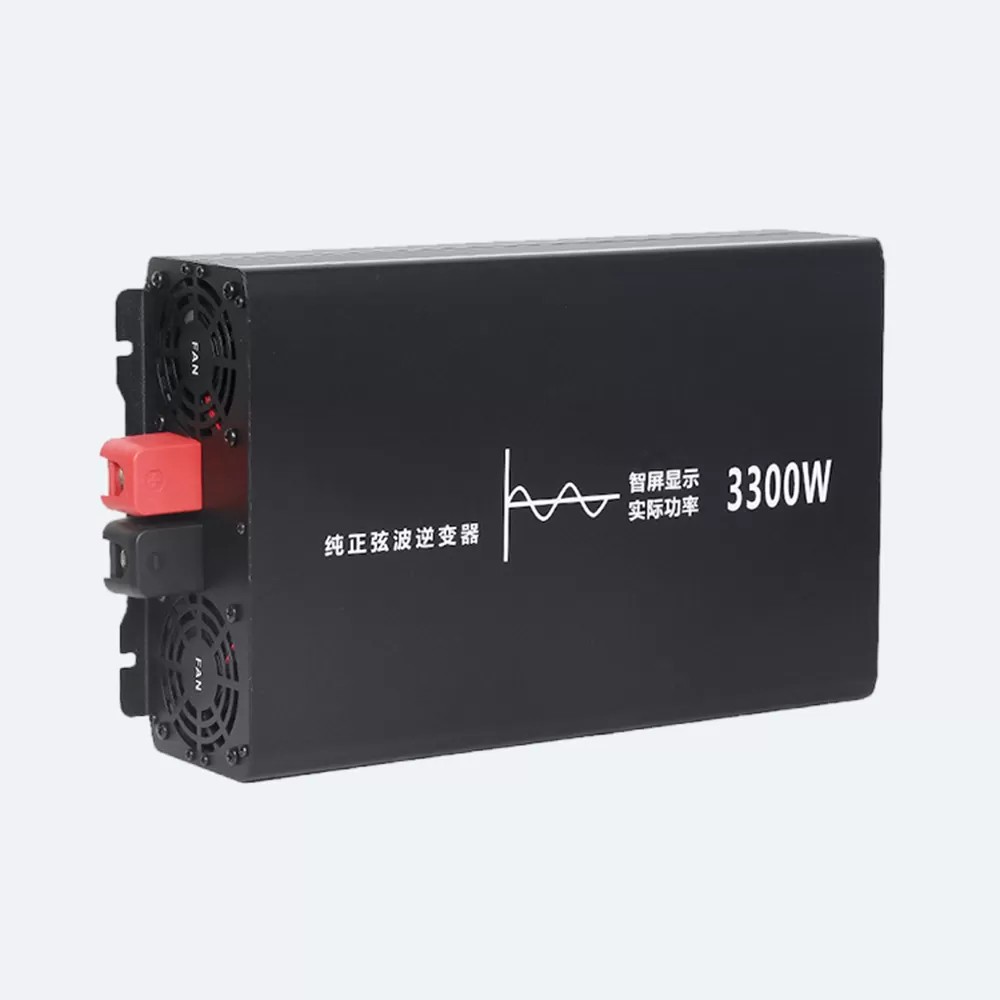
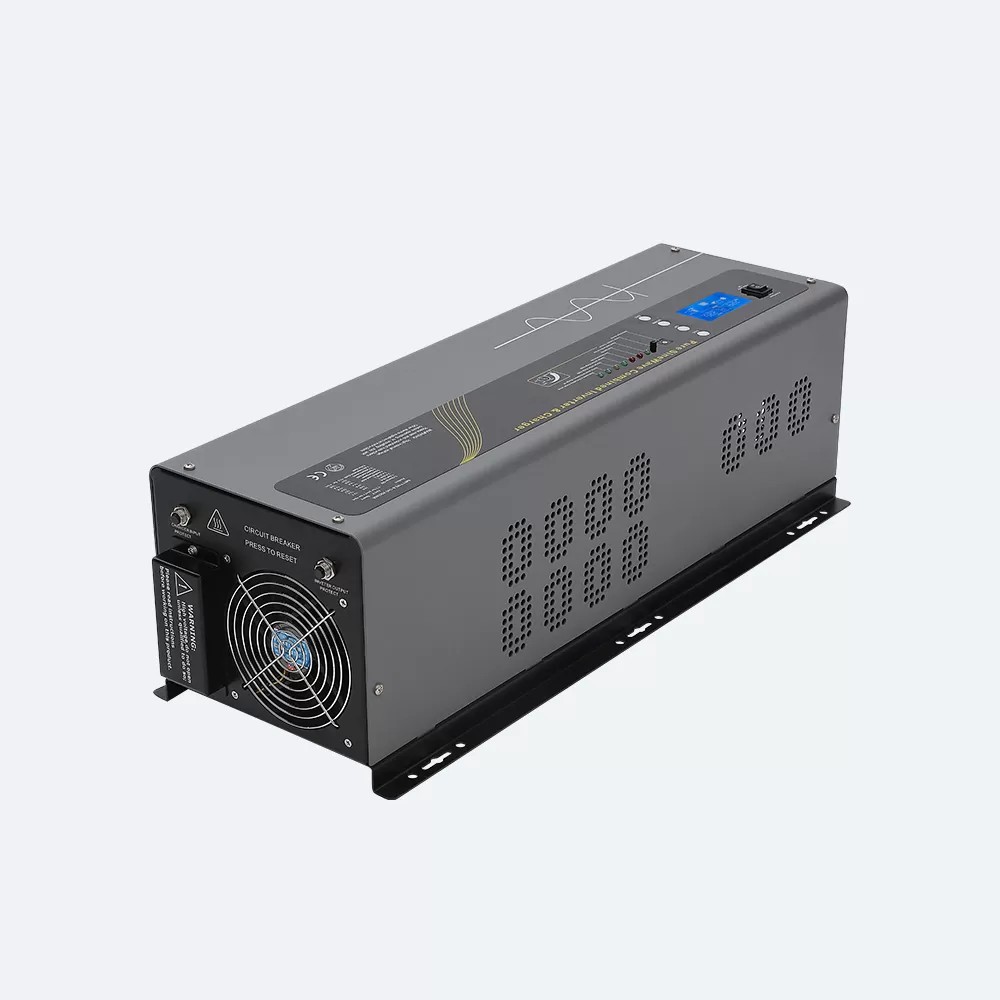
Low-frequency pure sine wave inverters convert DC (direct current) power from batteries or solar panels into AC (alternating current) power that is clean and stable, similar to the electricity supplied by utility companies. Unlike modified sine wave inverters, which produce a stepped waveform, pure sine wave inverters generate a smooth, continuous waveform, making them ideal for sensitive electronic devices.
Why Choose Low-Frequency?
Low-frequency inverters use a transformer to step up the voltage, which makes them more robust and capable of handling higher loads. While they are generally larger and heavier than their high-frequency counterparts, they offer superior reliability and efficiency, especially for long-term, heavy-duty applications.
Key Innovations in 2026
1. Enhanced Efficiency
Data and Case Study:
Efficiency Improvement: According to a study by the International Renewable Energy Agency (IRENA), the average efficiency of low-frequency pure sine wave inverters has increased from 85% in 2020 to 92% in 2026.Case Study: A solar installation in California reported a 15% reduction in energy loss after upgrading to the latest low-frequency pure sine wave inverter, resulting in significant cost savings over a year.
Practical Advice:
Regular Maintenance: Ensure your inverter is well-maintained to maximize its efficiency. Regularly check for loose connections, clean dust, and update firmware.Optimal Placement: Place the inverter in a well-ventilated area to prevent overheating, which can reduce efficiency.
2. Advanced Monitoring and Control
Data and Case Study:
Smart Features: The integration of IoT (Internet of Things) technology has enabled real-time monitoring and control of inverters. A survey by SolarPower Europe found that 70% of new installations in 2026 include smart inverters.Case Study: A residential user in Germany used a smart inverter to monitor and adjust power consumption, leading to a 20% reduction in energy bills.
Practical Advice:
Use Mobile Apps: Many manufacturers offer mobile apps that allow you to monitor and control your inverter remotely. Use these tools to stay informed about performance and make adjustments as needed.Set Alerts: Configure alerts for any issues, such as temperature spikes or voltage drops, to address problems promptly.
3. Improved Durability and Reliability
Data and Case Study:
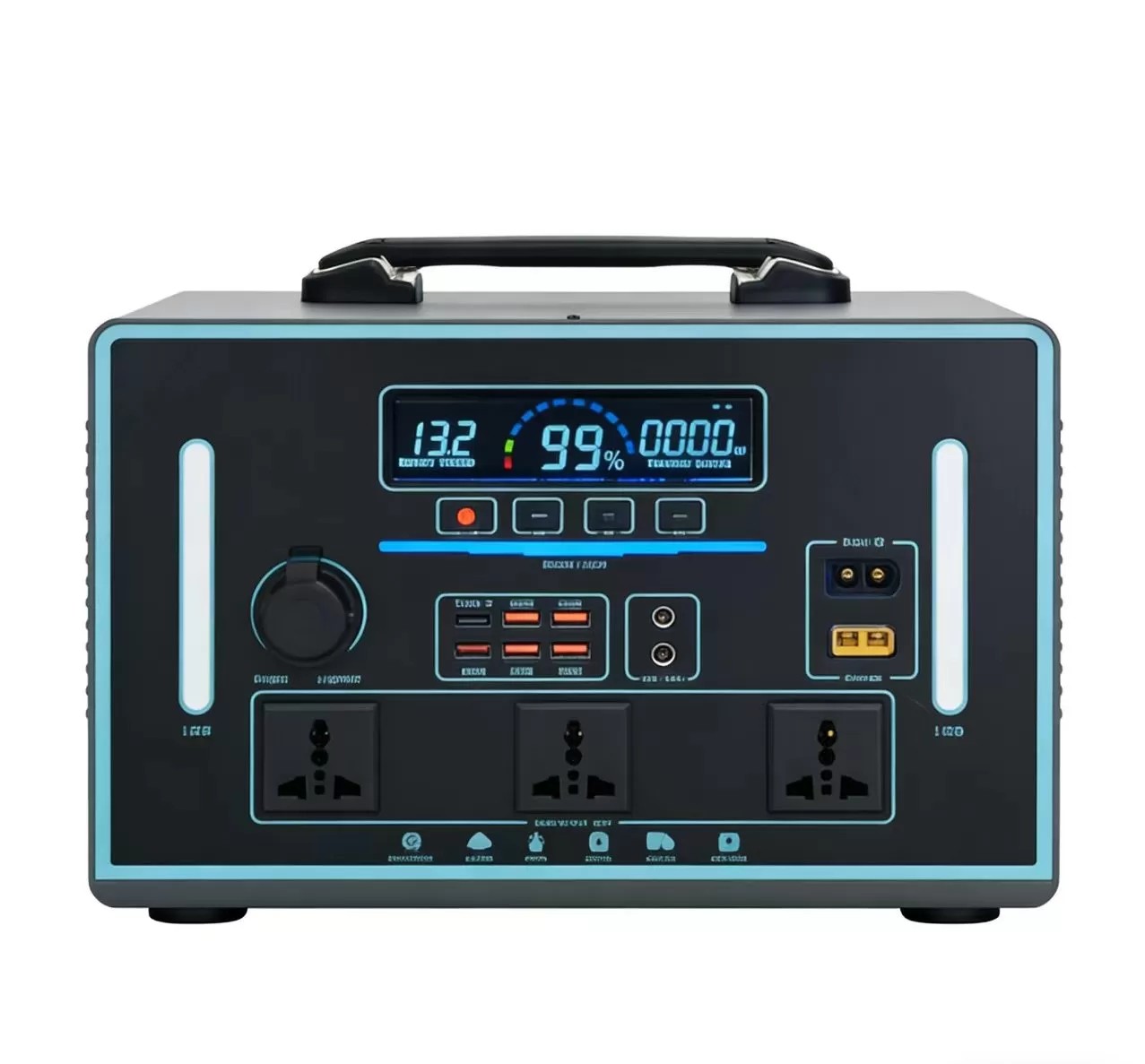
Case Study: A commercial installation in Australia reported zero failures over five years, attributing this to the high build quality and robust design of the low-frequency inverter.
Practical Advice:
Quality Components: Invest in inverters with high-quality components, even if they come at a higher initial cost. The long-term savings and peace of mind are worth it.Professional Installation: Have your inverter installed by a certified professional to ensure it is set up correctly and operates optimally.
4. Compatibility with Renewable Energy Systems
Data and Case Study:
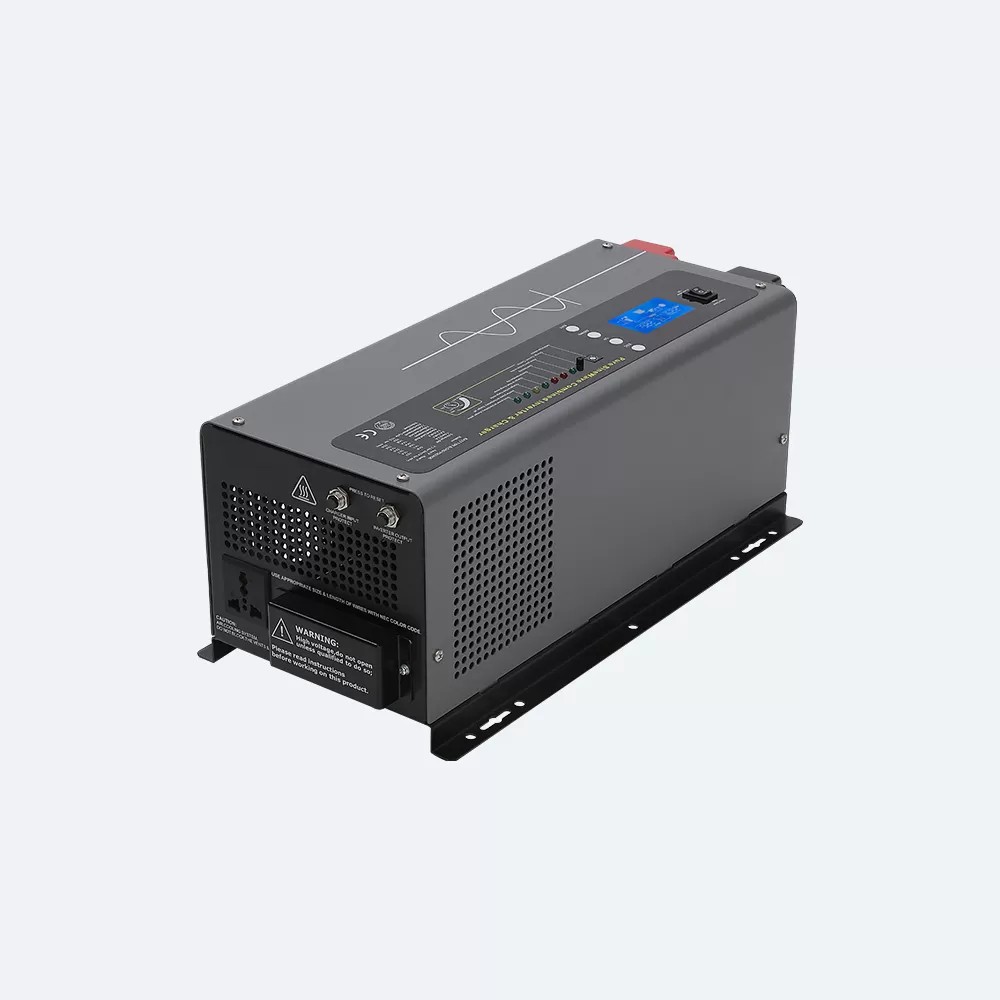
Case Study: A hybrid system in the UK, combining solar and wind power, achieved a 30% increase in overall energy output after integrating a compatible low-frequency inverter.
Practical Advice:
System Integration: When planning a renewable energy system, choose an inverter that is specifically designed to work with your chosen energy sources. This ensures optimal performance and efficiency.Scalability: Consider future expansion when selecting an inverter. Some models are modular and can be easily upgraded to handle additional capacity.
Conclusion
The advancements in low-frequency pure sine wave inverters in 2026 are transforming the way we manage and utilize power. With enhanced efficiency, advanced monitoring, improved durability, and better compatibility with renewable energy systems, these inverters are becoming indispensable for both residential and commercial applications. By following the practical advice provided, you can ensure that your inverter operates at its best, providing reliable and efficient power for years to come.
Investing in a high-quality low-frequency pure sine wave inverter is not just a smart choice; it's a step towards a more sustainable and resilient future.